New Bajaj Chetak Set For January 14 Launch; To Be More Affordable

GaadiWaadi -

New-Bajaj-Chetak-Teased.jpg

New Bajaj Chetak will likely sit on a new platform and may switch to a hub-mounted electric motor; cost cutting measures are possible

Bajaj Auto is all pumped to expand its electric scooter portfolio with the launch of a new Chetak on January 14, 2026. A teaser shared by the company confirms design changes – most notably at the rear. The upcoming Chetak is expected to strengthen Bajaj’s presence in the fast-growing affordable electric scooter space with high volume sales.

The teaser image shows a new horizontal LED tail lamp layout, a clear departure from the current split LED setup with vertically stacked elements. In the new design, the indicators sit at either end of the light bar while the Chetak badge is positioned above it. Spy images seen earlier suggest the overall silhouette will remain close to the existing model.

However, it will boast cost-optimised hardware underneath. The test mule appeared slightly more compact and featured an oval LED headlamp with a DRL ring, a flat single-piece seat and a simpler instrument console. Bajaj is expected to continue with metal body panels – a key differentiator for the Chetak in a segment dominated by plastic-bodied rivals.

Also Read: Bajaj Pulsar Range Gets Official Offers Of Up To Rs. 7,000 In India

Bajaj-Chetak-3001.jpg

Mechanically, the new model will more likely switch to a hub-mounted electric motor – unlike the current mid-mounted setup. The change may help reduce costs significantly. Suspension duties should be handled by a telescopic front fork and twin rear shock absorbers while braking is expected to include a front disc and rear drum.

The scooter will likely ride on 12-inch alloy wheels. To further keep pricing competitive, Bajaj is expected to use an LCD instrument cluster instead of the more expensive 5-inch TFT units found on higher-spec variants. Feature levels may be deliberately kept in check allowing Bajaj to target first-time EV buyers more effectively.

Also Read: Bajaj Clocks 3.69 Lakh Unit Sales In Dec 2025 With Exports Leading The Way

Bajaj-Chetak-3001-1.jpg

In 2025, the company sold just under 2.70 lakh units of the Chetak and it was one of the highest sold electric two-wheelers in India despite temporary production disruptions. Currently, the Chetak range is offered with 3 kWh and 3.5 kWh battery packs – spread across the 3001 and 35 series, with prices ranging from Rs. 99,500 to Rs. 1.22 lakh (ex-showroom). The upcoming model is expected to sit below the existing lineup, potentially priced under Rs. 1 lakh.

The post New Bajaj Chetak Set For January 14 Launch; To Be More Affordable appeared first on Gaadiwaadi.com - Latest Car & Bike News by Surendhar M.


from Gaadiwaadi.com – Latest Car & Bike News https://ift.tt/vJfTkQR

2026 Tata Punch Facelift Variants And Features Revealed

GaadiWaadi -

New Tata Punch (6)

Redesigned and upgraded Tata Punch to compete with the Hyundai Exter, which is also scheduled to receive a facelift this year

The facelifted Tata Punch has been officially revealed, and it’s set to be launched on 13 January. Nearly a week ahead of launch, its grade line-up and features have surfaced online. The new Tata Punch will be available in six grades: Smart, Pure, Pure+, Adventure, Accomplished, and Accomplished+ S. Save for Smart, all other grades are the same as the old model, and the Creative+ and Creative+ S grades have not been carried over.

LED headlights are one of the main new features of the facelifted Punch, and Tata Motors will offer them right from the base grade. The Smart grade will also come with remote keyless entry, City and Eco drive modes, six airbags, ESP, and TPMS.

The Pure grade will add several features that amp up comfort and convenience, such as a front centre armrest with an integrated storage box, rear AC vents, steering-mounted audio controls, rear defogger, and an anti-glare IRVM. Like Smart, it will also lack a touchscreen infotainment system.

Also Read: Tata Harrier & Safari Petrol Launched In India, Priced From Rs. 12.89 Lakh

New Tata Punch (3)

The Pure+ grade will come with a lot of additional essential features that offer nearly a complete package. These will include an 8-inch touchscreen infotainment system with wireless Apple CarPlay and Android Auto, cruise control, a USB Type-C charging port, a height-adjustable driver’s seat, and a high-definition reverse camera.

In the Adventure grade, Tata Motors will include several premium features, such as 15-inch stylised wheels, rain-sensing wipers, rear wiper and washer, passive keyless, and an automatic climate control system. Automatic headlights and a 360º camera system will provide improved safety.

Also Read: Top 10 Car Brands 2025: Maruti Leads, Mahindra 2nd Ahead Of Tata & Hyundai

New Tata Punch (4)

The Accomplished grade will come with new 16-inch alloy wheels, new LED DRLs, new, connected LED tail lights, a 10.2-inch touchscreen infotainment system, and a new touch-and-toggle climate control panel similar to larger and more expensive Tata models. It will still lack several key features, though.

The Accomplished+ S grade’s main talking point will be a voice-assisted electric sunroof. The top grade will also add LED fog lamps with cornering function, a 7-inch high-definition digital instrument cluster, a wireless smartphone charger, an auto-dimming IRVM, and connected car functions.

New Tata Punch (5)

Tata Motors is unlikely to introduce any changes to the Punch’s 1.2-litre petrol and petrol-CNG engines with the facelift. The company could start offering the optional 5-speed automated manual transmission with the petrol-CNG engine, like in the Tiago and Tigor, though.

The post 2026 Tata Punch Facelift Variants And Features Revealed appeared first on Gaadiwaadi.com - Latest Car & Bike News by Team GaadiWaadi.


from Gaadiwaadi.com – Latest Car & Bike News https://ift.tt/EL6FtZK

Top 10 Car Brands 2025: Maruti Leads, Mahindra 2nd Ahead Of Tata & Hyundai

GaadiWaadi -

New-2025-Maruti-Suzuki-Dzire-4.jpg

Maruti Suzuki continued to reign supreme at the top of the 2025 sales charts while Mahindra finished second for the first time beating Tata and Hyundai

The CY 2025 had been nothing short of interesting as car manufacturers looked to leverage the ever-growing interest in SUVs before the arrival of the GST 2.0 based price drops that led to record sales numbers in the final parts of the year. The PV market saw established players consolidating their positions while a few brands recorded notable gains.

Maruti Suzuki retained its undisputed leadership at the top even as competition intensified in the battle for second place. Mahindra emerged as the standout performer – overtaking both Tata Motors and Hyundai to secure the second spot in overall sales and market share for the first time in history as its legacy nameplates and new offerings have been well received.

Maruti Suzuki ended CY 2025 with total sales of 17,86,226 units – registering a 39.91 per cent market share. While the numbers resulted in a marginal decline compared to its 2024 share of 40.24 per cent, the brand’s dominance remained unmatched. There was intense demand for some of its popular hatchbacks like Baleno, Swift and WagonR.

Also Read: Kia Registers Highest-Ever Global Sales In 2025; India, SUVs Drive Growth

Mahindra Scorpio N (2)

Rank

Brands

Sales In 2025

Market Share (%)

1

Maruti Suzuki

17,86,226

39.91%

2

Mahindra

5,92,771

13.25%

3

Tata Motors

5,67,607

12.68%

4

Hyundai

5,59,558

12.50%

5

Toyota

3,20,703

7.17%

6

Kia

2,59,043

5.79%

7

Skoda Volkswagen

1,08,277

2.42%

8

MG

65,614

1.47%

9

Honda

62,576

1.40%

10

Renault

36,420

0.81%

However, it was the Dzire which received a brand new generation a year ago finished the year as the most sold car. The compact Brezza, midsize Grand Vitara and the recently introduced Victoris played their part in upping the brand’s standards along with CNG offerings. Mahindra recorded one of the most impressive performances of the year. With 5,92,771 units sold, the homegrown SUV maker captured 13.25 per cent market share – up from 12.08 percent last year.

The surge was due by consistent demand for models like the Bolero, Scorpio N, Thar, XUV 700 and its born electric offerings. The brand was smart enough to update its Bolero range along with other launches to keep the momentum running in its favour – allowing it to climb to second position ahead of Tata Motors and Hyundai.

Also Read: 6 Confirmed New Car Launches In January 2026 In India – 5 SUVs & 1 MPV

Tata Nexon (1)
Pic Source: Welz M Marak

Tata Motors followed in third with 5,67,607 units and a 12.68 per cent market share – slipping slightly from 13.18 per cent in 2024. Hyundai, meanwhile, reported 5,59,558 units with 12.50 per cent share with a noticeable decline from last year’s 13.76 per cent. Toyota strengthened its foothold in the Indian market – selling 3,20,703 units and improving its market share to 7.17 per cent, up from 6.39 per cent in 2024.

Kia remained stable with 2,59,043 units and 5.79 per cent share although it registered a marginal dip compared to the previous year. Among smaller players, the Skoda Volkswagen group showed positive growth with 1,08,277 units and a 2.42 per cent share – up from 1.96 percent. MG also posted incremental growth while Honda and Renault continued to struggle – both witnessing declines in market share amid limited product activity.

The post Top 10 Car Brands 2025: Maruti Leads, Mahindra 2nd Ahead Of Tata & Hyundai appeared first on Gaadiwaadi.com - Latest Car & Bike News by Surendhar M.


from Gaadiwaadi.com – Latest Car & Bike News https://ift.tt/vWTkLKZ

Škoda To Offer 4-Year Warranty & Service Benefits Across Range From 2026

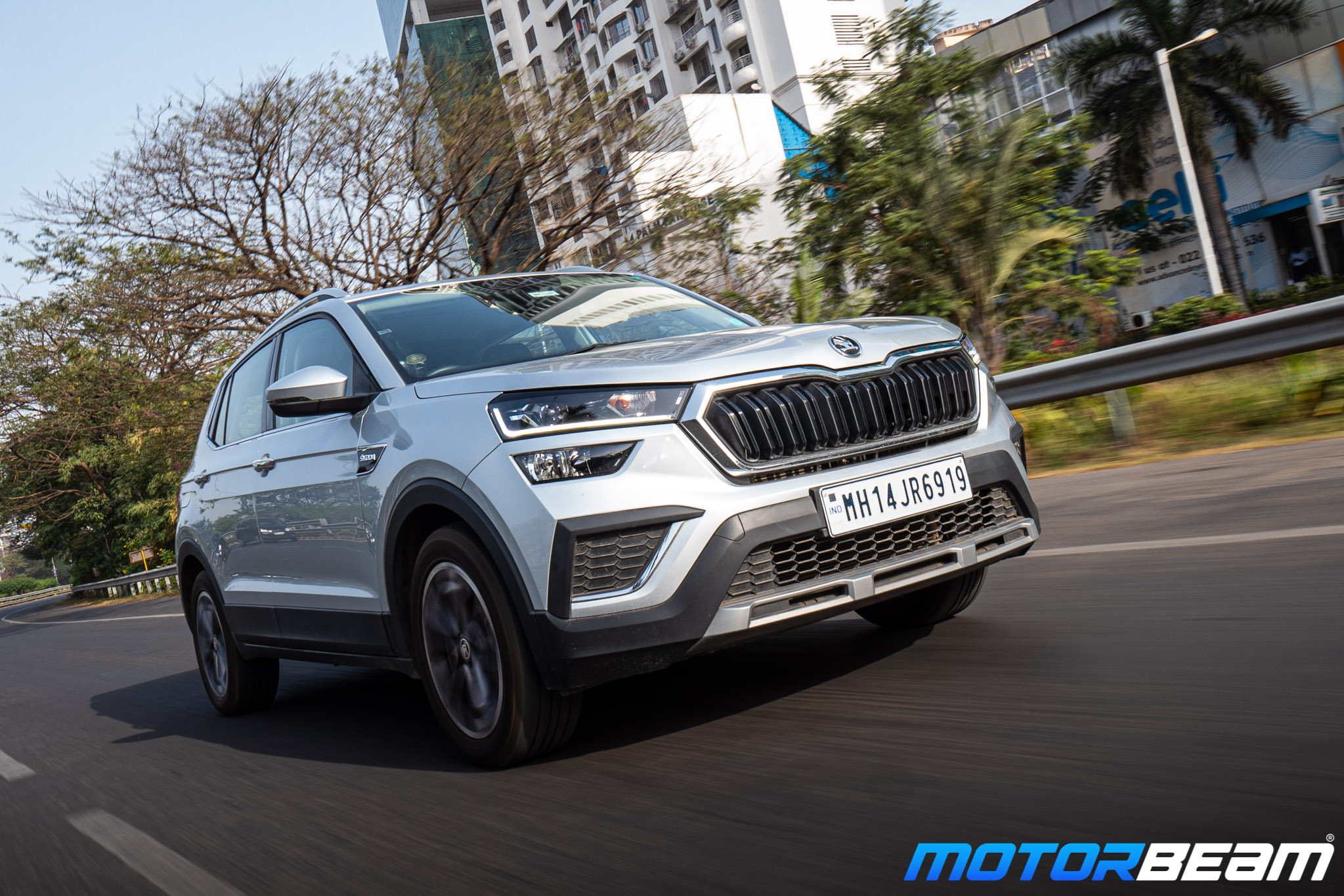
Skoda-Kushaq-Long-Term-37

Škoda Auto India has announced a new ownership programme called Škoda Super Care, which will be introduced across its entire product range from 2026. The initiative brings together warranty, roadside assistance and service benefits under a single, standardised package aimed at making vehicle ownership simpler and more predictable.

As part of the programme, customers will receive a 4-year standard warranty, 4-year roadside assistance, and four labour-free services. These benefits will be offered as standard across all models, setting a new baseline for after-sales support in the brand’s portfolio.

Škoda Super Care has been designed to improve the overall ownership journey by offering early engagement with authorised service centres and reducing uncertainty around service costs. The programme is intended to support customers throughout their time with the vehicle, rather than only at the point of sale.

Commenting on the announcement, Ashish Gupta, Brand Director, Škoda Auto India, said the focus was on extending support beyond the showroom. He noted that the new programme combines long-term warranty coverage, roadside assistance and free services to offer customers clarity, confidence and peace of mind during ownership.

A key element of Škoda Super Care is its service structure. Along with periodic maintenance services at 15,000 km and 30,000 km, the programme also introduces Škoda Check-in services at 1,000 km and 7,500 km. These early check-ins are aimed at building a stronger connection between customers and Škoda’s service network from the start of ownership.

The company says the programme will help deliver transparent pricing, clear service communication and easier access to authorised workshops. Customers will also benefit from genuine parts, trained technicians and the ability to book services through digital platforms or dealer networks.

Škoda Super Care will be supported by the brand’s service network spread across 183 cities, with more than 325 customer touchpoints nationwide. Additional improvements include easier service booking, itemised billing, faster turnaround times and real-time updates on vehicle service status.

With this move, Škoda Auto India is aiming to standardise and simplify the ownership experience while reinforcing its focus on customer support and long-term value.

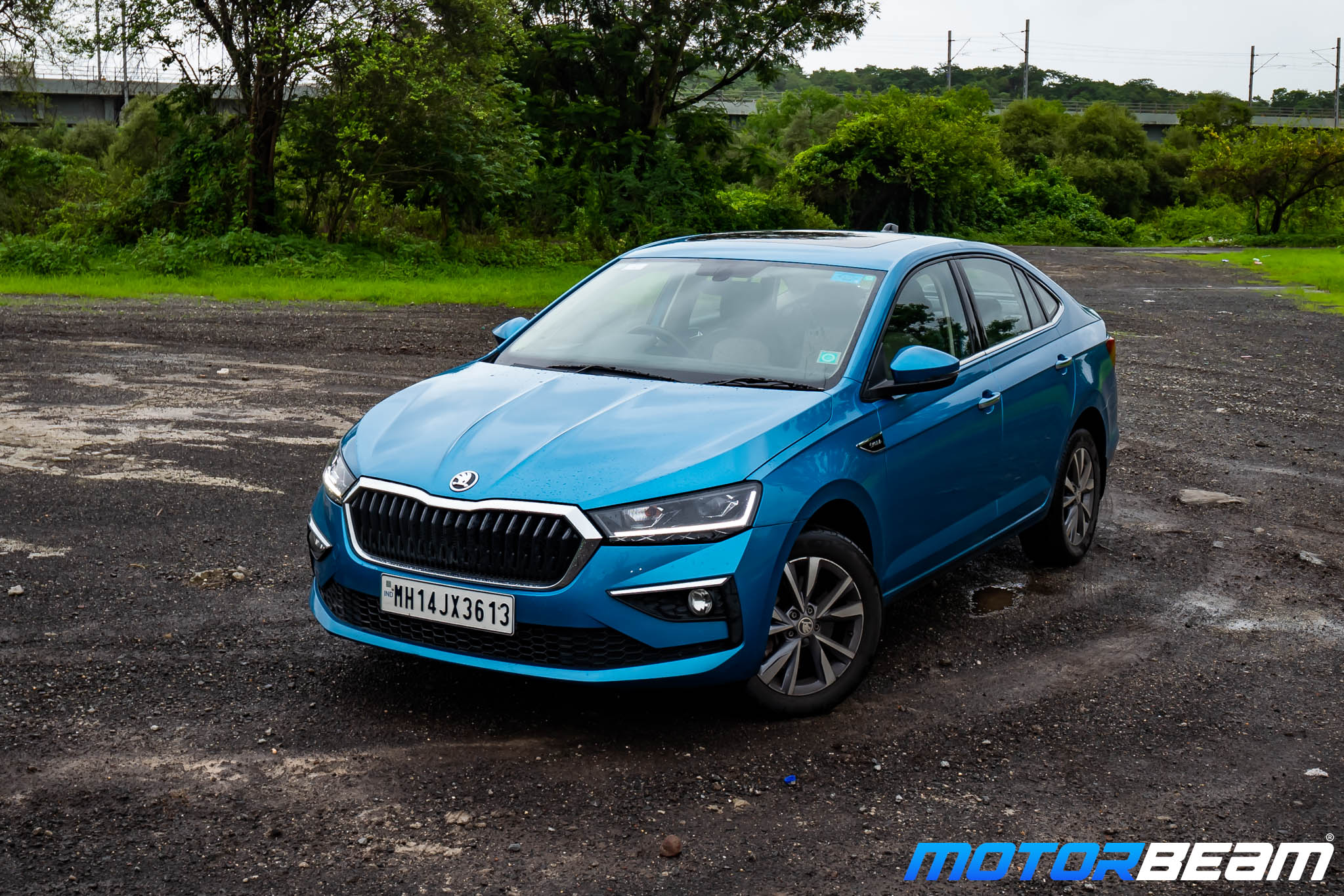
Skoda Slavia Long Term-2

The post Škoda To Offer 4-Year Warranty & Service Benefits Across Range From 2026 appeared first on MotorBeam.


from Car News | MotorBeam - Indian Car Bike News & Reviews https://ift.tt/1UeH6x8

New BMW iX3 Debuts At CES 2026 With Alexa+ AI & & 805 Km Range

GaadiWaadi -

New BMW IX3

New BMW iX3 gets more advanced Personal Assistant enhanced with Amazon Alexa+ integration; India launch likely in the near future

BMW has used CES 2026 as the global stage to unveil the new BMW iX3 – the first production model based on the brand’s Neue Klasse architecture. It acts as a rolling technology demonstrator previewing innovations that BMW plans to roll out across 40 upcoming models by 2027. At the heart of the iX3’s more advanced cabin is BMW’s new digital interface. The Panoramic iDrive system combines with new BMW Operating System X to offer multiple functions.

Making its public debut alongside these systems is the new-gen Personal Assistant enhanced with Amazon Alexa+. Using a large language model, the assistant can understand natural conversation, respond contextually and even handle multiple questions in a single voice command – covering both vehicle functions and general information.

While stationary, occupants can stream content through platforms such as Disney+ and the TiVo-powered Video App, play games via AirConsole or even join Zoom video calls which automatically switch to audio-only once the vehicle is in motion. BMW has also expanded its in-car app ecosystem – adding YouTube Music, new gaming titles like Hot Wheels: Xtreme Overdrive and support for Bluetooth game controllers.

New-BMW-IX3-1.jpg

The 2026 BMW iX3 gains sixth generation BMW eDrive technology as it features a dual-motor all-wheel-drive setup producing 469 hp and 645 Nm of torque – enabling a 0–100 kmph sprint in 4.9 seconds and a top speed of 210 kmph. BMW claims energy losses have been reduced by 40 per cent compared to its previous EV generation alongside lower weight and manufacturing costs.

A key contributor to this improvement is BMW’s new 800V battery architecture with cylindrical cells, integrated directly into the vehicle structure. The 108.7 kWh battery pack delivers a WLTP-certified range of up to 805 km while charging speeds are equally impressive. Using a 400 kW DC fast charger, the iX3 can add up to 372 km of range in just 10 minutes.

New BMW IX3 2

BMW claims that 10 to 80 per cent charge takes around 21 minutes. The SUV also supports AC charging up to 22 kW and introduces bidirectional charging, enabling Vehicle-to-Load, Vehicle-to-Home and Vehicle-to-Grid functionality.cDriving dynamics are overseen by BMW’s newly developed “Heart of Joy” control unit – a high-performance processor that manages drivetrain, braking, steering and energy recuperation.

Processing data up to ten times faster than conventional systems, it allows the iX3 to rely almost entirely on regenerative braking during everyday driving while also delivering smoother stopping, sharper responses and improved efficiency. BMW says 98 per cent of braking scenarios can be handled without using friction brakes.

Inputs from the driver work with AI-controlled systems allowing features like adaptive cruise control and lane assistance to remain active even during light steering or braking inputs. With the optional Highway Assistant, drivers can travel hands-free at speeds of up to 130 kmph including automated lane changes confirmed by a simple glance, extending Level 2 assistance deeper into real-world driving conditions.

The post New BMW iX3 Debuts At CES 2026 With Alexa+ AI & & 805 Km Range appeared first on Gaadiwaadi.com - Latest Car & Bike News by Surendhar M.


from Gaadiwaadi.com – Latest Car & Bike News https://ift.tt/ZtC5Q0i

Maruti Suzuki Sets New Annual Production Record in 2025

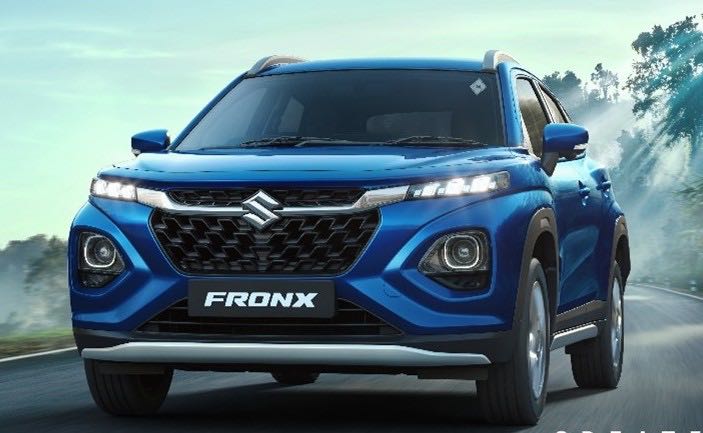
Maruti Fronx CNG

Maruti Suzuki records highest-ever annual production, building 22.55 lakh cars in 2025

Maruti Suzuki India closed calendar year 2025 with its highest-ever annual production, manufacturing over 22.55 lakh vehicles across its Indian facilities. This marks the second consecutive year in which the country’s largest carmaker has crossed the 20-lakh production milestone.

The company’s output in 2025 was led by five high-volume models – the Fronx, Baleno, Swift, Dzire and the Ertiga – reflecting continued demand across hatchback, sedan and MPV segments.

Maruti Suzuki’s manufacturing journey in India began in 1983 with its first plant in Gurgaon, Haryana. Since then, the company has steadily expanded capacity through additional production facilities to support rising domestic demand and exports. The production ramp-up over the past few years highlights this expansion: output stood at 16.29 lakh units in 2021, increased to 19.16 lakh units in 2022 and 19.34 lakh units in 2023, before crossing 20.63 lakh units in 2024. The 2025 figure represents the highest annual total recorded by the company so far.

Commenting on the milestone, Hisashi Takeuchi, Managing Director and Chief Executive Officer, said the achievement was driven by coordinated efforts across the organisation and its supplier base. He also noted that a high level of localisation has helped Maruti Suzuki scale production while maintaining quality standards, underlining India’s growing role as a globally competitive automotive manufacturing hub.

Looking ahead, the company has reiterated its intention to continue expanding manufacturing capacity in India, aligning its long-term plans with the Government of India’s Make in India programme.

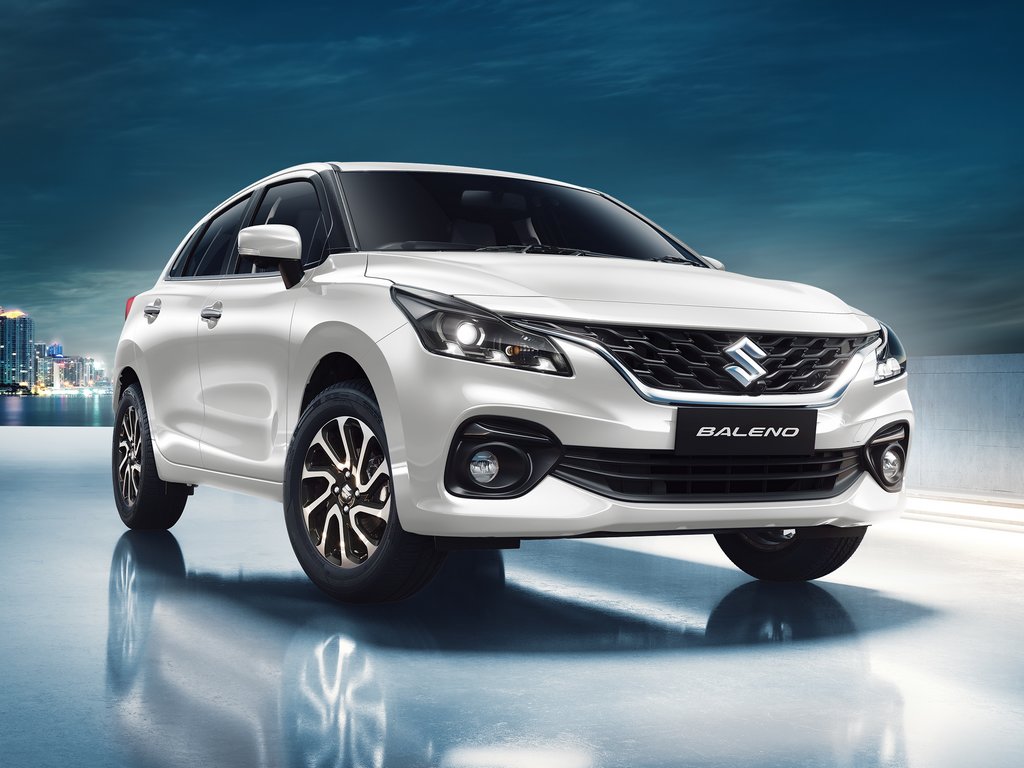
2022 Maruti Baleno Arctic White Price

The post Maruti Suzuki Sets New Annual Production Record in 2025 appeared first on MotorBeam.


from Car News | MotorBeam - Indian Car Bike News & Reviews https://ift.tt/HYkSCm5

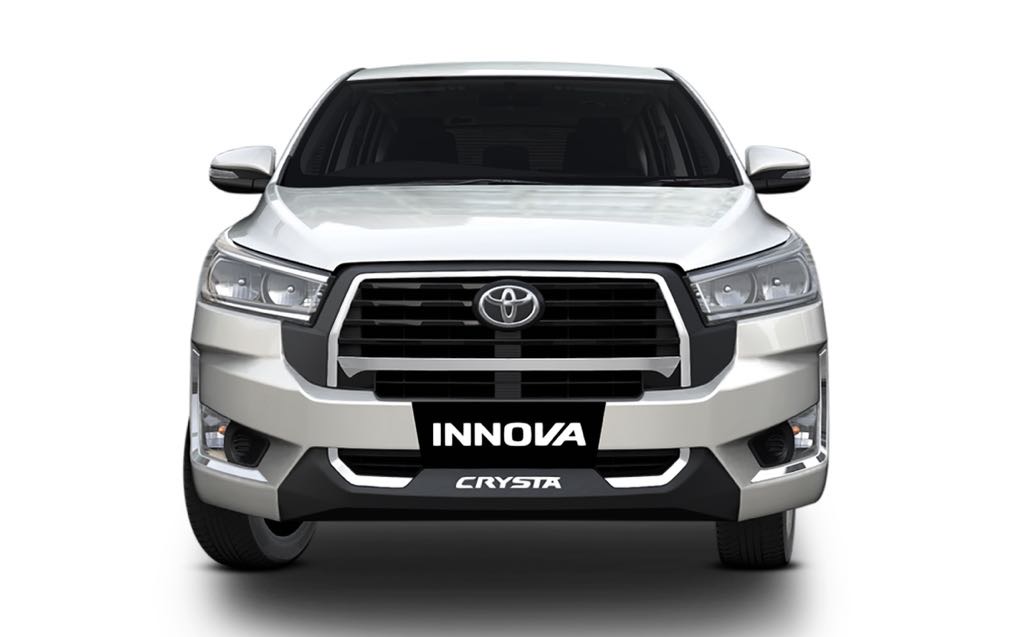
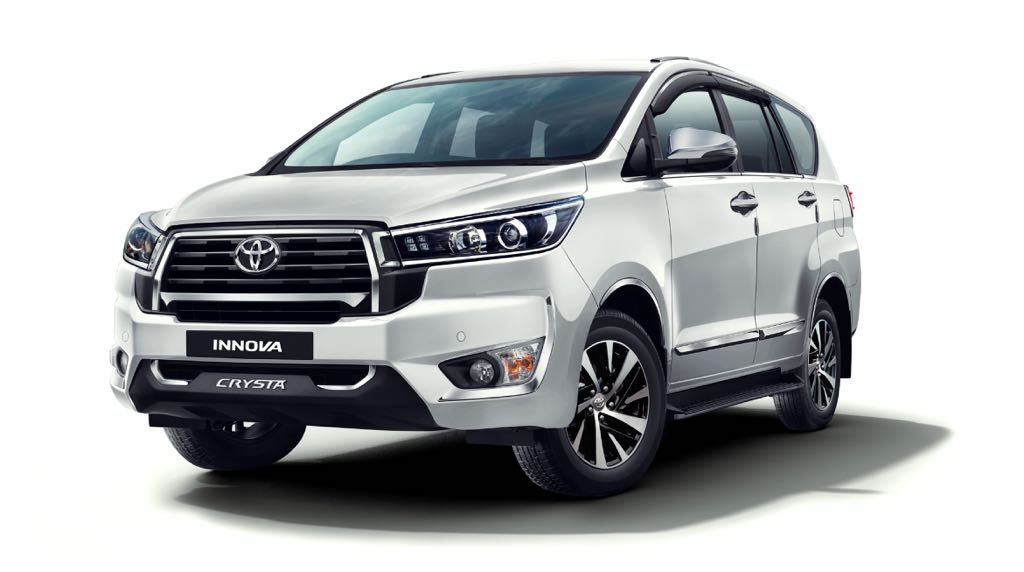
Toyota Innova Crysta To Be Discontinued By 2027

Toyota Innova Crysta GX+

Toyota may discontinue the Innova Crysta diesel by 2027 due to CAFE norms

Toyota is expected to discontinue the diesel powered Innova Crysta in India by around March 2027, marking the end of one of the most influential MPVs the country has seen over the last two decades. The move is understood to be driven largely by India’s upcoming Corporate Average Fuel Economy (CAFE) Phase 3 regulations, which significantly tighten fleet-level CO₂ emission targets.

The ladder-frame Innova Crysta, currently sold only with a 2.4-litre diesel engine and a manual transmission, was earlier expected to be phased out closer to 2025. However, consistent demand from private and fleet buyers, along with supply-side constraints affecting the newer Innova Hycross, reportedly led Toyota to extend the Crysta’s production lifecycle.

CAFE 3 norms are considerably more stringent than previous phases and place heavier, body-on-frame diesel vehicles at a disadvantage from a fleet emissions standpoint. For manufacturers, meeting these norms requires lowering the overall average CO₂ output across all vehicles sold.

Toyota has already begun reshaping its MPV strategy by clearly separating roles within the Innova line-up. The monocoque, strong-hybrid Innova Hycross is positioned primarily for private buyers, while the diesel Crysta continues to cater to more demanding commercial and high-usage applications. As regulations tighten, that divide becomes harder to sustain.

A key factor working in favour of Toyota’s hybrid models is the availability of so-called “super credits” under India’s CAFE framework. These credits effectively allow cleaner vehicles such as strong hybrids to count more heavily when calculating a manufacturer’s average emissions. In simple terms, selling more hybrid MPVs helps offset the higher CO₂ output of heavier diesel vehicles.

This approach explains Toyota’s increasing emphasis on hybrid powertrains across its portfolio. While there is no official word on the future of the diesel Toyota Fortuner, Toyota has already indicated that the upcoming Toyota Land Cruiser FJ, expected later in the decade, will not feature a diesel option.

When the Innova Crysta eventually exits, it will leave behind a segment that currently has no direct successor. Despite having capable longitudinal diesel engines, neither Mahindra nor Tata offers a body-on-frame MPV that mirrors the Innova Crysta’s blend of durability, comfort and reliability. Hyundai, meanwhile, has focused more on three-row crossovers rather than traditional MPVs.

That could change. Hyundai is reportedly evaluating a heavily localised version of the Hyundai Staria for India, which could potentially address the vacuum left by the Crysta. Whether it adopts a diesel or alternative powertrain strategy remains to be seen.

With the expected 2027 timeline drawing closer, the disappearance of the Innova Crysta diesel could prompt rival manufacturers to reconsider the long-neglected MPV space. As SUVs continue to dominate headlines, the exit of a proven workhorse may quietly reset priorities inside competing boardrooms.

Official Statement by Toyota Kirloskar Motor, Spokesperson:

We would like to refrain from making any comments on future products. However, Toyota’s product strategy continues to be guided by its multi-pathway approach offering practical, inclusive, and sustainable mobility solutions wherein all powertrain technologies play an important role meeting diverse need of customers across the segments.

2023 Toyota Innova Crysta Price

Source

The post Toyota Innova Crysta To Be Discontinued By 2027 appeared first on MotorBeam.


from Car News | MotorBeam - Indian Car Bike News & Reviews https://ift.tt/KxD0mGa