Showing posts with label Car News | MotorBeam - Indian Car Bike News & Reviews. Show all posts

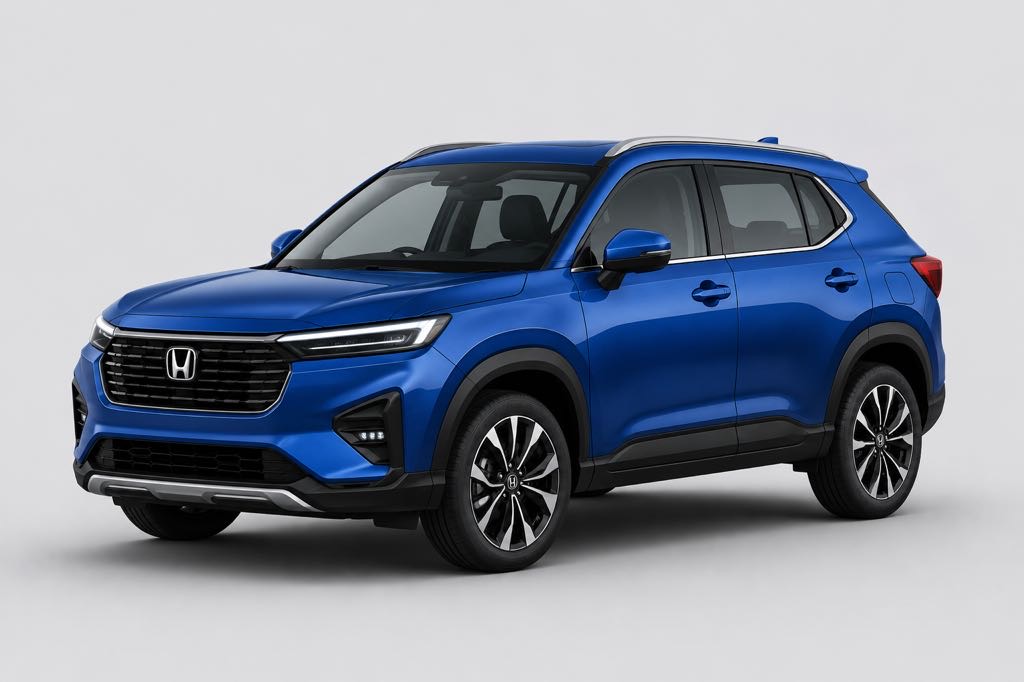
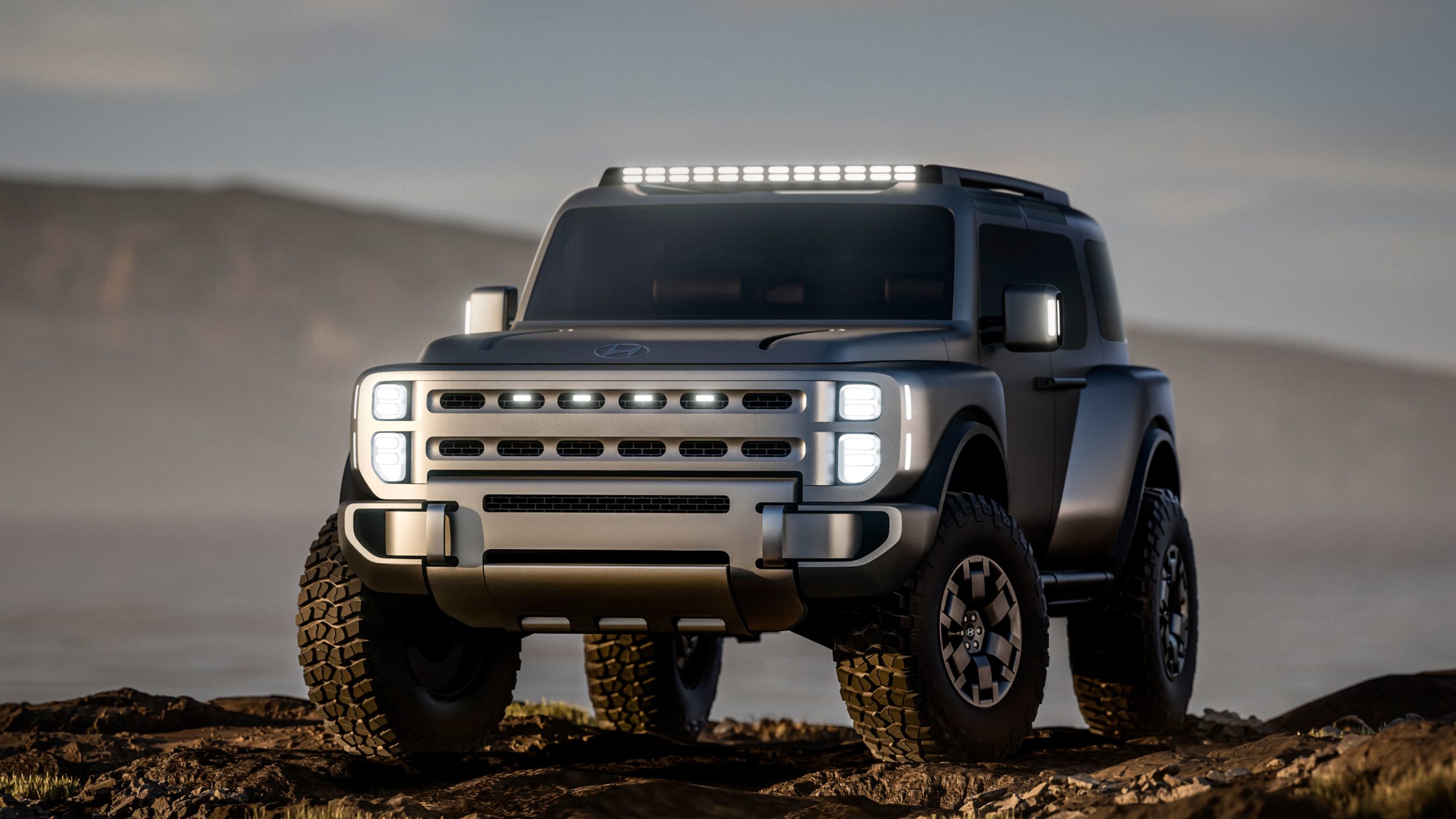
Renault Bridger Patent Filed In India; Mini Duster?

Renault Bridger Patent

While Renault is basking in the success of the new Duster, the French automaker had earlier announced that they will launch a “mini-Duster” as well which will be a sub-4metre compact SUV. The vehicle will be the new Bridger and it will be positioned below the Duster and along side the Kiger to rival the likes of the Venue, Sonet, XUV 3XO, Syros, Brezza and Nexon. Since it’ll be a more rugged vehicle, it will also rival the Jimny and upcoming Mahindra Vision-S.

A design patent has been filed for the Renault Bridger. As seen from the image, the vehicle has a boxy and upright stance. It has slim headlamps with flared DRLs, a big grille, C-pillar mounted door handles, dual-tone wheels, front bumper garnish, etc. The vehicle is expected to get a tail-mounted spare wheel.

While the exact mechanical specs aren’t known yet, the vehicle is expected to get a 1.3-litre petrol hybrid powertrain and a new 1.2-litre petrol engine. Both manual and automatic options will be offered. There won’t be AWD on offer and the compact SUV will have a FWD configuration.

The Renault Bridger is expected to be launched in India in the second half of 2027.

The post Renault Bridger Patent Filed In India; Mini Duster? appeared first on MotorBeam.


from Car News | MotorBeam - Indian Car Bike News & Reviews https://ift.tt/nKhseX9

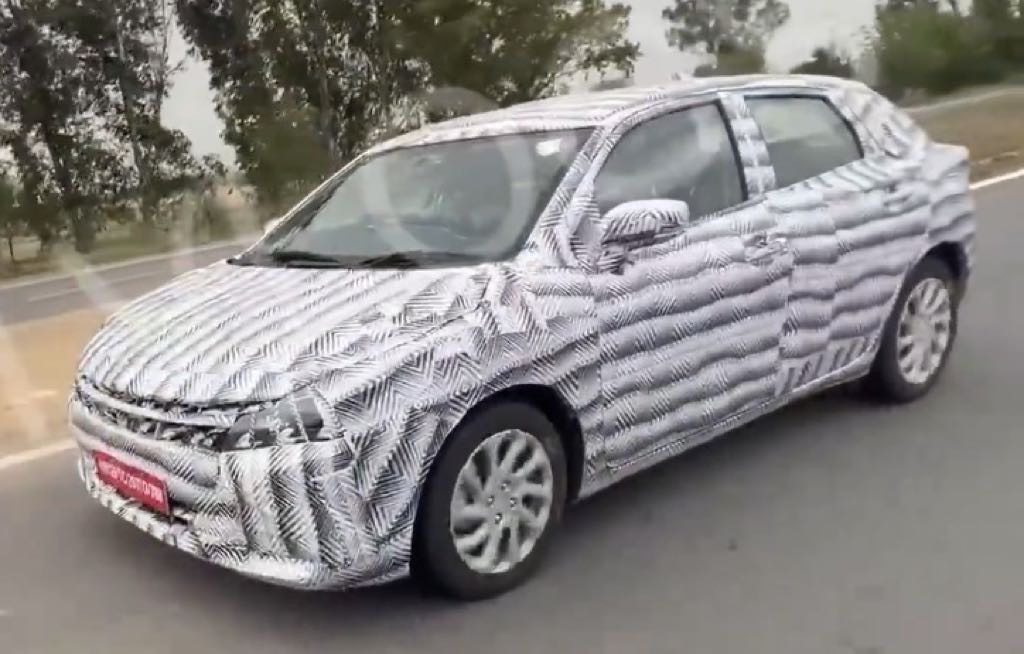
Tata Tiago Facelift To Be Launched On 28th May

Tata Tiago EV Blitz Edition

Tata is all set to launched the updated version of the Tiago on 28th May. The Tiago was first launched 10 years back and the hatchback has received quite a few updates in these years. This time, it will get another major update for both ICE and EV versions.

The vehicle will get redesigned exteriors to match the design philosophy that Tata has followed with the Altroz and Punch facelift. It will have sleeker headlamps, new bumpers, new wheels and a slimmer grille. The tail gate will also be redesigned a little and we can expect Tata to rejig the colour options as well. The EV could get a different grille to differentiate it from the ICE version.

On the inside, the Tiago already comes with a good set of features like a 10.25-inch touchscreen infotainment system, illuminated steering wheel, etc. Expect the facelift to get a digital instrument cluster, wireless charging and maybe adjustable rear headrests. A new upholstery colour theme is also on the cards.

The ICE Tiago won’t have any mechanical changes as such. It will continue with the same 1.2-litre, 3-cylinder, Revotron petrol engine which comes with a 5-speed manual gearbox or an AMT. The hatchback also gets a factory-fitted CNG option. The Tiago EV is likely to deliver a little more range.

As of now, the Tiago ICE is priced from Rs. 5.45-8.99 Lakh, OTR Mumbai while the Tiago EV costs Rs. 8.34-11.68 Lakh, OTR Mumbai. The Tata Tigor is also expected to get a similar update for ICE and EV in the coming months along with possible re-branding.

The post Tata Tiago Facelift To Be Launched On 28th May appeared first on MotorBeam.


from Car News | MotorBeam - Indian Car Bike News & Reviews https://ift.tt/2Pc4Cy8

Skoda Epiq Unveiled; Compact EV May Come To India To Rival Creta EV

Skoda Epiq 1

The all-new Skoda Epiq has finally been revealed in production form, and it marks an important step in Skoda’s EV journey. Positioned as the brand’s smallest and most affordable electric SUV globally, the Epiq is aimed at buyers who want a practical EV without spending premium money.

Despite being the entry-level EV in Skoda’s international lineup, the Epiq doesn’t look basic. The SUV adopts Skoda’s new design language, which gives it a clean and futuristic appearance while still retaining the rugged SUV stance buyers like. The upright proportions, slim LED lighting and chunky bumpers help it stand out.

Inside, the Epiq appears modern but practical which is something Skoda has traditionally done well. The cabin gets a large 13-inch touchscreen, ambient lighting, wireless smartphone connectivity and even features like a panoramic sunroof and ADAS on higher variants. Thankfully, Skoda has also retained physical controls for key functions, which is becoming increasingly rare in modern cars and will definitely be appreciated by everyday users.

What makes the Epiq more interesting is the variety on offer. Buyers can choose between two battery packs — 38.5 kWh and 55 kWh — with power outputs ranging from 116 HP to 211 HP. The claimed range of up to 440 km from the larger battery also sounds promising for daily commuting as well as occasional long-distance drives. Fast charging support further adds to its practicality.

Globally, compact electric SUVs are becoming extremely important as customers move away from traditional hatchbacks. The Epiq enters this space as a well-rounded product that focuses on usability, practicality and affordability rather than just outright performance or flashy gimmicks.

For India, however, the big question remains whether Skoda will eventually bring the Epiq here. The compact dimensions, practical cabin and strong focus on value could make it a very interesting option for Indian buyers, especially as the EV market continues to grow. Pricing will ultimately decide its success, but on paper, the Epiq certainly looks like one of Skoda’s most sensible EVs yet.

Skoda Epiq 13

Skoda Epiq 9

Skoda Epiq 8

Skoda Epiq 11

Skoda Epiq 12

Skoda Epiq 7

Skoda Epiq 5

Skoda Epiq 4

Skoda Epiq 10

Skoda Epiq 3

Skoda Epiq 2

The post Skoda Epiq Unveiled; Compact EV May Come To India To Rival Creta EV appeared first on MotorBeam.


from Car News | MotorBeam - Indian Car Bike News & Reviews https://ift.tt/4fX7pWJ

Toyota Starlet Gets 0-Star Global NCAP Rating

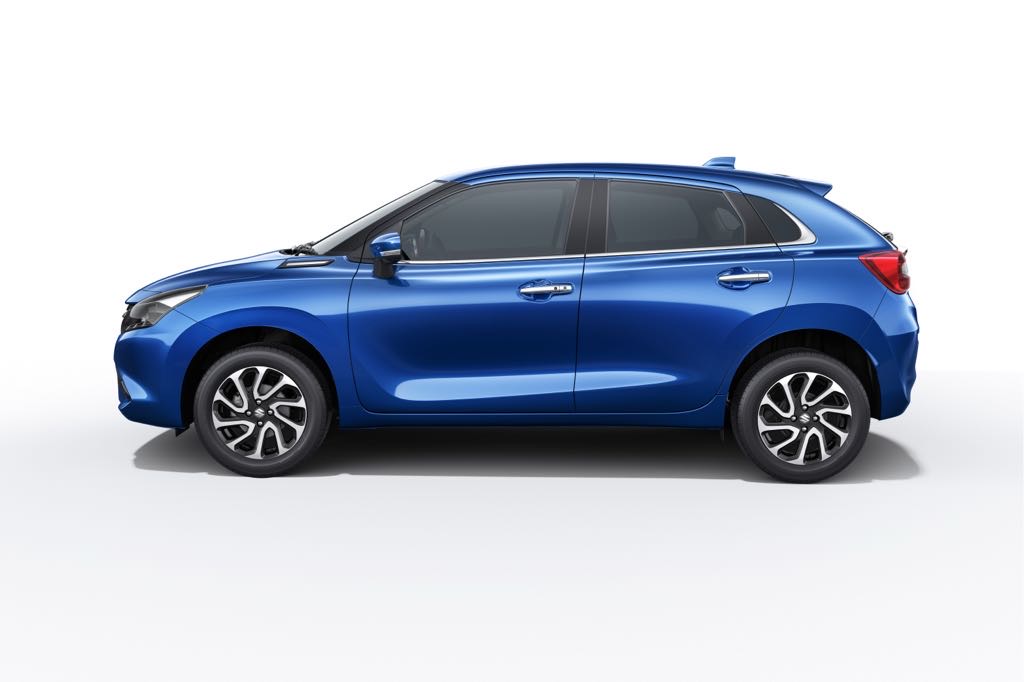
Toyota Starlet Crash Test

The India-manufactured Toyota Starlet has received a zero-star safety rating in recent crash tests conducted by Global NCAP, raising concerns around occupant protection in its current form.

According to the test results, the hatchback scored 0 out of 34 points in Adult Occupant Protection (AOP), indicating limited safety performance for front passengers. In contrast, the car achieved 29.33 out of 49 points in Child Occupant Protection (COP), translating to a three-star rating in this category.

The tested variant comes equipped with two airbags and electronic stability control (ESC) as standard. However, Global NCAP noted that the vehicle’s bodyshell integrity was rated as unstable, which can affect crash performance under higher impact conditions.

The Starlet is produced in India at Maruti Suzuki’s Gujarat facility and exported primarily to African markets, where it enjoys strong sales, including in fleet segments. The agency highlighted that widespread accessibility in such markets can increase exposure to road accidents, making safety performance a critical factor.

Toyota has reportedly informed Global NCAP about a forthcoming update to the Starlet, which is expected to introduce additional safety features, including more airbags. The updated version will likely undergo fresh evaluation once it is available in international markets.

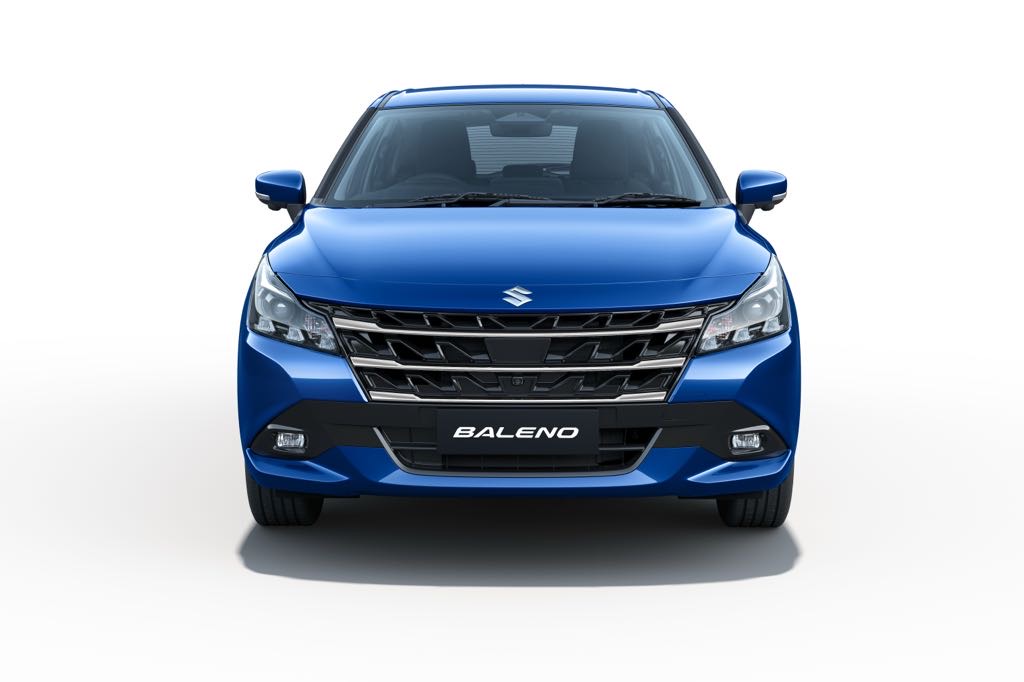
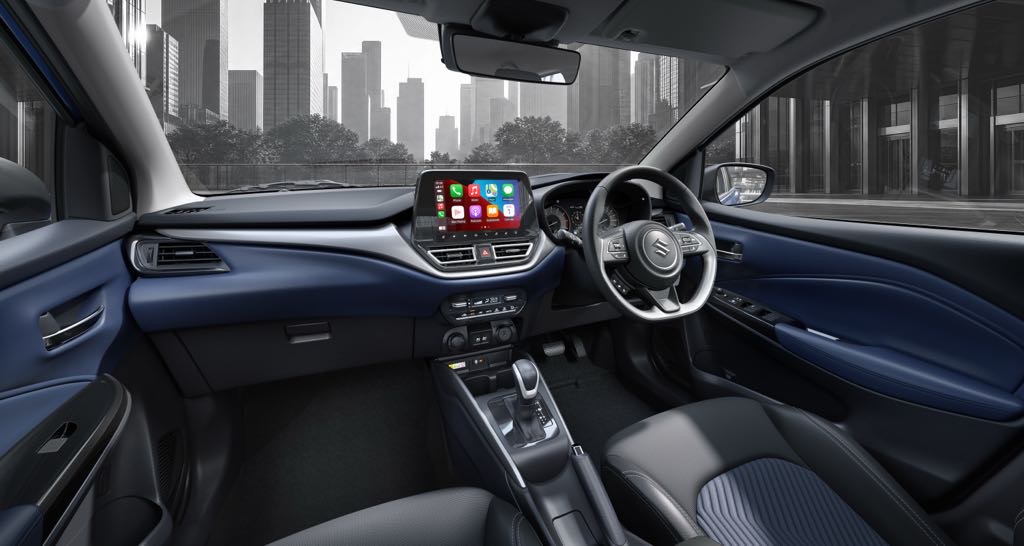
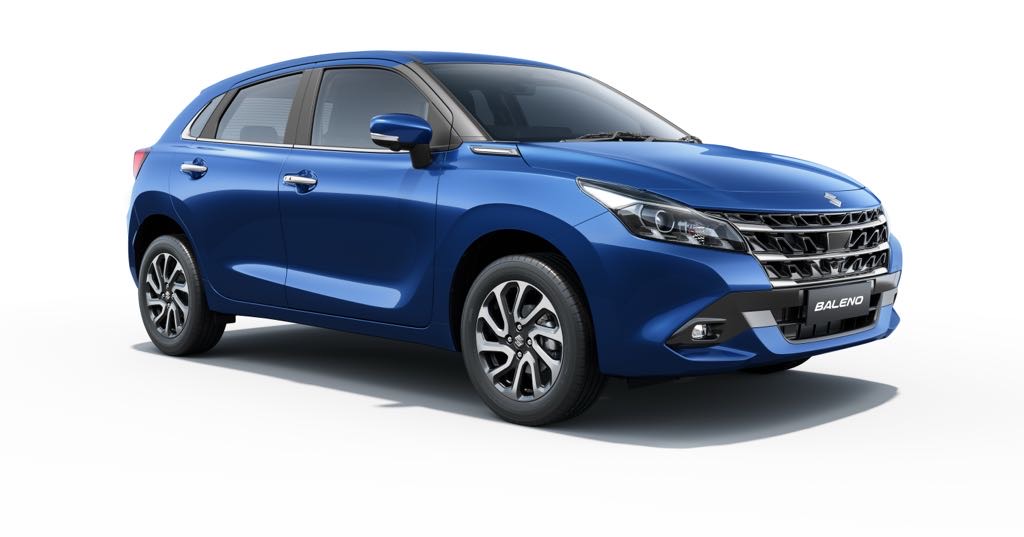
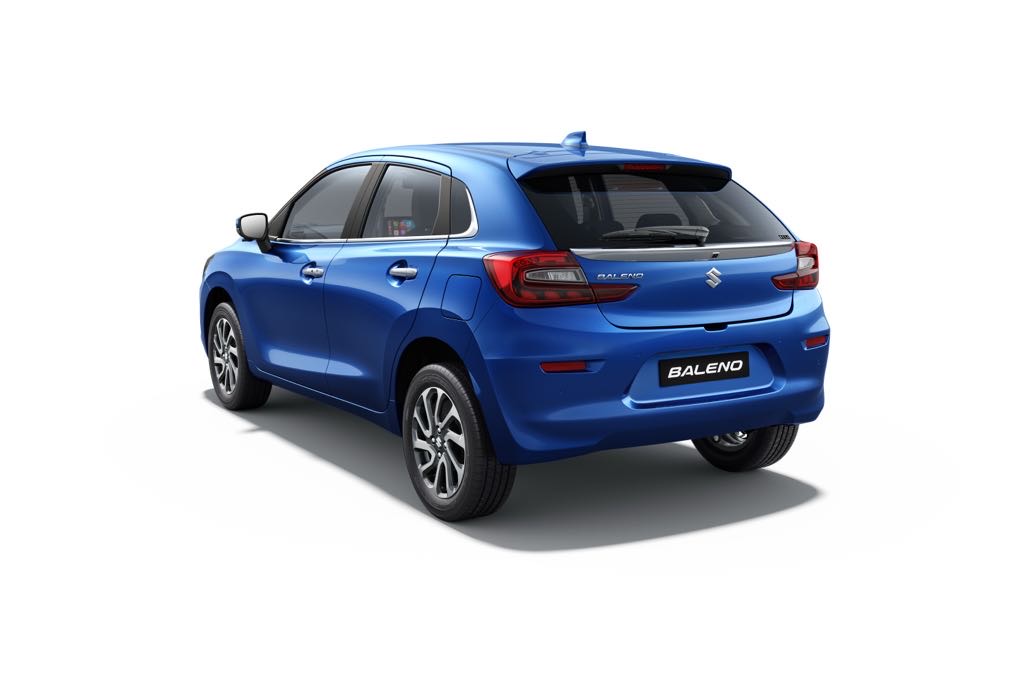
For context, the Maruti Baleno — closely related to the Starlet — has shown varying safety outcomes across different assessment programs. While it secured a four-star rating under Bharat NCAP, it received a lower rating in Latin NCAP tests.

Global NCAP has stated that it will reassess the Starlet after the updated model is introduced.

The post Toyota Starlet Gets 0-Star Global NCAP Rating appeared first on MotorBeam.


from Car News | MotorBeam - Indian Car Bike News & Reviews https://ift.tt/om95OB1

2026 Honda City Facelift Spied Undisguised – New Design Details

2026 Honda City Facelift

The updated Honda City has been spotted undisguised in India ahead of its expected launch later this month, revealing key exterior changes, particularly at the front. The latest sighting provides a clearer look at the design direction Honda is taking with the 2026 facelift.

The revised model adopts elements from Honda’s newer global design language, seen on international offerings such as the Honda Accord and Honda Prelude. Compared to the current version, the facelifted City appears to have a more upright stance and a cleaner overall look, while retaining its familiar silhouette.

The most noticeable updates are concentrated at the front. The sedan gets redesigned LED headlamps with integrated daytime running lights, along with a revised grille that now features a layered, horizontal mesh-like pattern. The grille stretches more seamlessly between the headlamps, visually widening the car’s stance. Additional changes include a new Honda badge placement on the bonnet and a reworked lower bumper with sharper inserts and a cleaner air intake design.

While earlier test vehicles were heavily camouflaged, this undisguised unit indicates that the update is evolutionary rather than a complete overhaul. The side profile remains largely unchanged, although new alloy wheel designs are expected on higher trims. At the rear, minor updates to the tail-lamps and bumper are likely.

Inside the cabin, major structural changes are not anticipated, especially with a new-generation City expected around 2028. However, Honda may introduce select feature upgrades to keep the model competitive. These could include a 360-degree camera, updates to the infotainment system and enhancements to connected car functionality.

Safety features are expected to remain consistent with the current model, which already offers a comprehensive package including six airbags, vehicle stability assist, hill start assist and a tyre pressure monitoring system. The sedan also comes equipped with the Honda SENSING suite, which includes advanced driver assistance features such as adaptive cruise control, lane keep assist, collision mitigation braking and automatic high beam assist.

Mechanically, the facelift is likely to continue with the existing 1.5-litre naturally aspirated petrol engine, producing 121 PS and 145 Nm of torque. Transmission options are expected to remain unchanged, with a choice between a 6-speed manual and a CVT automatic.

Overall, the update appears to focus on design refinement and incremental feature additions rather than significant mechanical changes, helping the City maintain its position in the mid-size sedan segment.

2026 Honda City Facelift

Source

The post 2026 Honda City Facelift Spied Undisguised – New Design Details appeared first on MotorBeam.


from Car News | MotorBeam - Indian Car Bike News & Reviews https://ift.tt/kXBmiKp

2027 Kia Sonet Spotted Testing For The First Time

2027 Kia Sonet Spotted

The next generation Kia Sonet has been seen testing for the first time, offering an early look at what could be a more evolved version of Kia’s popular subcompact SUV. Although the test mule is heavily camouflaged, a few styling cues and expected upgrades indicate a shift towards a more premium and spacious package.

Spy images suggest the new Sonet could adopt styling elements from the larger Kia Seltos. The grille appears wider and more integrated with the headlamps, giving it a broader stance. The lighting setup seems inspired by the latest Hyundai Venue with distinct LED daytime running lights placed above the main headlamp units.

The front bumper looks cleaner than before, though subtle creases on the bonnet add some aggression. New alloy wheel designs align with Kia’s newer models. A sunroof is visible in the test car, though it remains unclear whether Kia will introduce a panoramic unit or retain a single-pane setup.

A key change expected with the new Sonet is its move to the K1 platform, which also underpins newer compact models within the Hyundai-Kia group. This shift could address one of the current model’s main drawbacks, limited rear seat space.

The updated architecture is also likely to support improved safety standards. With related models already achieving high ratings in crash tests, Kia may target a stronger safety score for the upcoming Sonet.

Inside, the next gen Sonet is expected to receive a redesigned dashboard with a more minimal and premium layout. Larger dual 12.3-inch displays for infotainment and instrumentation are likely to be introduced, bringing it in line with newer offerings from the brand.

Feature additions could include improved materials and enhanced tech. However, the inclusion of advanced driver assistance systems remains uncertain at this stage.

Mechanically, the new Sonet is expected to retain its existing engine lineup initially. This would include petrol and diesel options paired with both manual and automatic transmissions.

Looking ahead, Kia is also developing a strong hybrid powertrain based on a small petrol engine. This hybrid variant could be introduced after the model’s launch, potentially expanding the Sonet’s appeal in a fuel-efficiency focused market.

2027 Kia Sonet Spotted

Source

The post 2027 Kia Sonet Spotted Testing For The First Time appeared first on MotorBeam.


from Car News | MotorBeam - Indian Car Bike News & Reviews https://ift.tt/hg7VAK1

Maruti Suzuki FY2027 Launches: New Brezza, WagonR & 7-Seater SUV

Maruti Brezza Facelift Spotted

Maruti Suzuki India is preparing to expand its lineup in FY2027 with a series of new launches aimed at strengthening its position across multiple segments. The company is expected to introduce updated versions of two of its high-volume models along with an all-new three-row SUV.

Among the key updates will be refreshed versions of the Maruti Suzuki Brezza and the Maruti Suzuki WagonR. Both models have consistently ranked among the brand’s top sellers and play a crucial role in maintaining its strong domestic market share.

The Brezza, positioned in the competitive compact SUV space, is likely to receive notable design and feature upgrades. Expected changes include revised styling elements, updated lighting signatures and a refreshed interior layout with enhanced infotainment and instrumentation. Feature additions could help the model better compete with rivals that currently offer more equipment in the segment.

Mechanically, the Brezza is expected to continue with its existing 1.5-litre petrol engine options, including manual and automatic transmissions, along with a CNG variant. There is also speculation about the introduction of a turbocharged petrol engine to broaden its appeal.

The WagonR, which continues to perform steadily despite the growing popularity of SUVs, is also due for a comprehensive update. The hatchback is expected to retain its existing platform but receive styling revisions and feature enhancements.

Under the hood, the model currently offers 1.0-litre and 1.2-litre petrol engines. The updated version could see revisions to the powertrain lineup, potentially aligning with newer-generation engines used in other Maruti Suzuki models.

In addition to updates for existing products, Maruti Suzuki is also working on a new seven-seater SUV that will sit at the top of its utility vehicle portfolio. This upcoming model is expected to share its underpinnings and powertrain options with the Maruti Suzuki Grand Vitara, allowing the company to leverage existing architecture while offering a more spacious alternative.

The three-row SUV is likely to target buyers looking for larger family-oriented vehicles and could compete with models such as the Hyundai Alcazar and the Mahindra Scorpio N. It is expected to be positioned as a feature-rich offering, helping the brand strengthen its presence in the premium SUV segment.

These upcoming launches come on the back of a strong performance for Maruti Suzuki in FY2026. By updating its existing bestsellers and introducing a new flagship SUV, the company appears to be focusing on both volume growth and segment expansion.

As competition intensifies across segments, particularly in SUVs, the success of these new and updated models will play a key role in shaping Maruti Suzuki’s growth trajectory in the coming years.

2026 Maruti Baleno Facelift Spied

Source

The post Maruti Suzuki FY2027 Launches: New Brezza, WagonR & 7-Seater SUV appeared first on MotorBeam.


from Car News | MotorBeam - Indian Car Bike News & Reviews https://ift.tt/F0DQty9

Lexus TZ Electric SUV Revealed – 3-Row EV, 530 Km Range

Lexus TZ

Lexus has introduced the all-new TZ, marking its first entry into the three-row battery-electric SUV segment globally. Positioned above the RZ in the brand’s EV portfolio, the TZ is designed with a strong emphasis on passenger comfort, interior space and refinement, aligning with what the company describes as a “Driving Lounge” philosophy.

Built on a dedicated electric vehicle platform, the TZ will be offered with two battery pack options — 76.96kWh and 95.8kWh. The larger battery is claimed to deliver a WLTP-certified range of up to 530 km. A dual-motor all-wheel drive configuration will also be available, producing up to 408 HP, placing it competitively within the premium electric SUV space.

In terms of design, the TZ adopts a more upright and angular stance compared to the smaller RZ, while continuing Lexus’ spindle-inspired styling approach. The front end features a closed-off grille area with an illuminated logo, flanked by sharp C-shaped headlamps and distinctive L-shaped daytime running lights. Aerodynamic efficiency has been prioritised, with elements like flush door handles and smooth surfacing contributing to a claimed drag coefficient of 0.27.

From the side, the SUV rides on a 3050 mm wheelbase, allowing for improved cabin room across all three rows. The silhouette incorporates a gently sloping roofline without compromising the traditional SUV stance. At the rear, a full-width light bar with illuminated branding and pronounced haunches adds to its visual width. Wheel options range from 20-inch to 22-inch aero-focused designs depending on the variant.

Inside, the TZ is expected to prioritise comfort and luxury, offering second-row captain seats and a premium 21-speaker sound system developed in collaboration with Mark Levinson. A panoramic sunroof further enhances the sense of space within the cabin.

Practicality remains a key aspect, with boot capacity ranging from 290 litres with all seats in place to 2017 litres when the second and third rows are folded. Lexus will offer the TZ in 11 exterior colour options, including a new Sonic Tellus shade, along with optional dual-tone roof finishes.

The TZ is expected to serve as a luxury-oriented alternative to models like the electric Toyota Highlander in global markets, although specific launch timelines and regional availability are yet to be detailed.

Lexus TZ Interior

Lexus TZ Seats

Lexus TZ Side

Lexus TZ Rear

The post Lexus TZ Electric SUV Revealed – 3-Row EV, 530 Km Range appeared first on MotorBeam.


from Car News | MotorBeam - Indian Car Bike News & Reviews https://ift.tt/rbzeYp5

Force Traveller N Range Launched In India

Force Traveller N School Bus

Force Motors has unveiled the new Force Traveller N Range in India, expanding its popular people-mover lineup. Bookings for the updated range are scheduled to commence from mid-May 2026.

The Traveller N Range has been developed with a focus on versatility, as it can be configured for multiple use cases including ambulances, delivery vans and school buses. According to the manufacturer, the updates are based on feedback gathered from existing customers, drivers and passengers, with an emphasis on improving comfort, usability and long-term ownership experience.

One of the key highlights of the updated model is a redesigned cabin. The vehicle now features a more passenger car-like cockpit, equipped with a digital instrument cluster and a 9-inch infotainment system. Seating ergonomics have also been revised, along with enhancements to the air-conditioning system. Additionally, the company claims improvements in noise, vibration and harshness (NVH) levels to deliver a more refined experience.

On the exterior, the Traveller N Range receives a refreshed design with a revised front fascia that includes daytime running lights and LED turn indicators. The rear section has also been updated to align with the new styling direction.

Structural upgrades form another part of the update. Force Motors states that the vehicle now uses a re-engineered sheet metal structure with fewer joints, aimed at enhancing durability and improving overall fit and finish.

Mechanically, the Traveller N Range continues to be powered by a 2.6-litre four-cylinder diesel engine producing 112 BHP at 2950 RPM and 350 Nm of torque between 1400 and 2200 RPM. The engine is paired with a 5-speed manual transmission.

With these updates, the Traveller N Range seeks to strengthen its position in the commercial vehicle segment by offering improved practicality and modern features while retaining its established mechanical setup.

Force Traveller N Interior

Force Traveller N

The post Force Traveller N Range Launched In India appeared first on MotorBeam.


from Car News | MotorBeam - Indian Car Bike News & Reviews https://ift.tt/Ra5pNFS

Nissan Terrano PHEV-Based SUV Under Evaluation For India Launch

Nissan Terrano PHEV Front

Nissan is preparing to expand its India portfolio with a fresh line-up of products, and a new SUV based on the Terrano PHEV concept could be among the key additions. The move comes as part of the brand’s broader plan to strengthen its presence in the Indian market following a relatively limited product range in recent years.

The upcoming model is expected to originate from Nissan’s joint venture with Dongfeng Motor Corporation. This collaboration has already produced multiple vehicles for global markets, and some of these products are now being evaluated for India.

Among them, an SUV derived from the Terrano PHEV concept—first showcased at the Beijing Auto Show 2026 – is being considered as a potential candidate. The production version is likely to share its underpinnings with pickup-based models such as the Frontier Pro and Dongfeng Z9.

The SUV is expected to use a ladder-frame chassis, a configuration typically associated with rugged, off-road-focused vehicles. This would place it in competition with established full-size SUVs in India.

A notable highlight is the possibility of a plug-in hybrid (PHEV) powertrain. If introduced, this would mark a significant step for Nissan in India, offering a blend of electric driving capability and conventional internal combustion performance.

The model is likely to be positioned in the premium SUV segment, potentially competing with vehicles such as the Toyota Fortuner and MG Gloster. Early indications suggest a target price in the region of Rs. 40 lakhs (ex-showroom), although final pricing and specifications remain unconfirmed.

From a strategic standpoint, sourcing products from China could help Nissan reduce development timelines and costs. Vehicles developed through the Dongfeng partnership are known for quicker turnaround times and feature-rich offerings—both important factors in the competitive Indian market.

For a successful launch, local manufacturing will be critical. Nissan retains production capacity at its Chennai facility, which it previously shared with Renault and this could be leveraged to assemble future models.

However, introducing a new SUV line-up would require additional investment. Company officials have indicated a renewed commitment to the Indian market, suggesting that such investments are being actively evaluated.

While no official launch timeline has been confirmed, industry expectations suggest that if plans progress smoothly, the SUV could arrive in India within the next couple of years. The model could also signal the beginning of a broader rollout of vehicles from Nissan’s Dongfeng partnership in the country.

Nissan Terrano PHEV Side

Nissan Terrano PHEV Rear

Nissan Terrano PHEV

Source

The post Nissan Terrano PHEV-Based SUV Under Evaluation For India Launch appeared first on MotorBeam.


from Car News | MotorBeam - Indian Car Bike News & Reviews https://ift.tt/7SCv4dz

MINI Cooper S Convertible JCW Pack Launched, Priced At Rs. 61.50 Lakhs

MINI Cooper S Convertible JCW Pack

MINI has expanded its India portfolio with the Cooper S Convertible JCW Pack, priced at Rs. 61.50 lakhs (ex-showroom). Positioned as a more visually distinctive version of the standard convertible, the new variant commands a premium of Rs. 2.50 lakhs and will be available in limited numbers as a completely built unit (CBU).

The JCW Pack primarily focuses on styling enhancements rather than mechanical upgrades. On the exterior, the package introduces exclusive paint options such as Midnight Black and Legend Grey, with the latter featuring contrasting bonnet stripes. Several elements, including the grille, mirror caps, door handles and body cladding, receive a gloss-black finish, lending the car a sportier appearance. It also gets 17-inch JCW alloy wheels, sportier brakes with JCW branding and a black fabric soft-top roof.

Inside, the cabin follows a similar dark theme, with black upholstery and dashboard trim. JCW-specific sport seats and a dedicated steering wheel add to the sporty feel, while red accents on the headrests and dashboard provide contrast. However, the overall feature list remains unchanged compared to the standard convertible.

Equipment highlights include a circular 9.4-inch OLED infotainment system, a head-up display, connected car technology, wireless charging, smartphone connectivity and a Harman Kardon sound system.

Mechanically, there are no changes. The car continues to be powered by a 2.0-litre, four-cylinder turbo-petrol engine producing 204 HP and 300 Nm, paired with a 7-speed dual-clutch automatic transmission driving the front wheels. Performance figures remain identical, with a claimed 0-100 km/hr time of 6.9 seconds and a top speed of 237 km/hr.

With deliveries already underway, the JCW Pack variant adds a more distinctive visual appeal to the Cooper S Convertible, though buyers seeking enhanced performance will not find any mechanical upgrades over the standard model.

MINI Cooper S Convertible JCW Pack Interior

MINI Cooper S Convertible JCW Pack Rear

The post MINI Cooper S Convertible JCW Pack Launched, Priced At Rs. 61.50 Lakhs appeared first on MotorBeam.


from Car News | MotorBeam - Indian Car Bike News & Reviews https://ift.tt/gH28tBQ

Lexus India Introduces Extended 8-Year Warranty For New Vehicles

Lexus LM 350h front

Lexus India has announced a revised warranty programme for its lineup, extending coverage to eight years or 2,00,000 kilometres, whichever is reached earlier. The updated policy will apply to all new vehicles sold in the country from April 1, 2026 and will be offered without any additional cost to customers.

With this move, Lexus India positions itself among the few luxury carmakers in the country to offer such an extended standard warranty period. The brand states that the initiative is intended to enhance peace of mind for buyers over a longer ownership cycle, reflecting confidence in product reliability and durability. The announcement was made at the company’s Bengaluru facility on April 28, 2026.

The extended warranty will be available across all Lexus models currently sold in India, ensuring uniform coverage regardless of the vehicle type. Customers will also continue to have access to additional ownership solutions such as service packages, finance schemes, insurance offerings and roadside assistance.

Lexus entered the Indian market in 2017 and has since established a presence in the luxury hybrid segment. Its portfolio includes sedans and SUVs, with the Lexus ES 300h being one of its key offerings, particularly after local assembly began in 2020.

Globally, Lexus operates in numerous markets and has built a strong focus on electrified powertrains, particularly hybrids. The company says its ownership experience is guided by the Japanese philosophy of “Omotenashi,” which emphasises thoughtful and attentive customer service.

Lexus RX

The post Lexus India Introduces Extended 8-Year Warranty For New Vehicles appeared first on MotorBeam.


from Car News | MotorBeam - Indian Car Bike News & Reviews https://ift.tt/UdsVWKT

Hyundai IONIQ 5 Facelift Launched in India at Rs 55.7 Lakh

Hyundai IONIQ 5 Facelift

Hyundai has introduced the updated Hyundai IONIQ 5 in India, priced at Rs. 55.7 lakhs (ex-showroom). The facelift brings incremental design revisions, a larger battery pack and added technology, while continuing to sit on Hyundai’s dedicated E-GMP electric platform.

A key update for the facelifted model is the adoption of a larger 84.0kWh battery, replacing the earlier 72.6kWh unit. With this change, Hyundai claims a driving range of up to 690 km, compared to the previous figure of 631 km.

The rear-wheel-drive setup produces 229 HP and 350 Nm. Charging capabilities remain a highlight, with DC fast charging enabling a 10 to 80 percent top-up in about 18 minutes, while an 11kW AC charger takes over seven hours for a full charge.

The model also continues to offer vehicle-to-load (V2L) functionality, allowing users to power external devices through dedicated ports inside and outside the vehicle.

Visually, the IONIQ 5 retains its distinctive ‘Parametric Pixel’ design language but receives minor updates. These include revised bumpers, a redesigned front section with updated air flaps and new skid plates.

From the side, changes are limited to new 20-inch alloy wheels, while the rear gets a refreshed bumper, updated lighting elements and a revised roof spoiler. The updated model is marginally longer than before and is offered in four exterior paint options.

Inside, the dual 12.3-inch screen layout continues, but the cabin sees several usability improvements. A new three-spoke steering wheel replaces the earlier unit, and the centre console has been reworked to include more physical controls for frequently used functions.

The interior theme has shifted to black, replacing the earlier lighter shade, which may offer better practicality in daily use. The wireless charging pad has also been repositioned for easier access.

The facelift introduces Hyundai’s updated connected car system with over-the-air update capability, along with wireless smartphone connectivity and integrated EV charging payment options. A remote immobilisation feature has also been added.

Safety equipment includes six airbags, TPMS, electronic parking brake and a Level 2 ADAS suite with additional parking assistance functions.

The IONIQ 5 continues to compete in the premium EV space against models such as the BYD Sealion 7, BMW iX1, Tesla Model Y, Kia EV6, MINI Countryman Electric and Volvo EX40.

Hyundai IONIQ 5 Facelift Interior

The post Hyundai IONIQ 5 Facelift Launched in India at Rs 55.7 Lakh appeared first on MotorBeam.


from Car News | MotorBeam - Indian Car Bike News & Reviews https://ift.tt/xDfBWiE

Audi India Recalls Q8 e-tron, e-tron Models Over Brake Issue

Audi India has issued a voluntary recall affecting 207 electric vehicles in the country due to a potential issue related to the braking system. The recall includes the Audi Q8 e-tron and Audi Q8 e-tron Sportback, along with their earlier versions sold as the Audi e-tron and Audi e-tron Sportback.

According to information published by the Society of Indian Automobile Manufacturers, the concern relates to a bolted connection in the brake servo push rod assembly. In certain cases, this connection may not meet specified standards and could loosen gradually over time.

If the connection becomes fully disengaged, it could impact the mechanical link between the brake pedal and the brake servo, potentially affecting braking performance.

The affected vehicles were manufactured between February 2, 2018 and June 11, 2024. While the issue is described as unlikely to escalate, the vehicles are equipped with a backup safety feature. In such a scenario, drivers can activate a controlled emergency braking function by pressing and holding the electromechanical parking brake switch.

As part of the recall process, Audi dealerships will reach out to impacted customers to inspect the vehicles and replace the affected component if required, at no cost. Owners can also contact Audi India’s customer support helpline or email service for further assistance.

At present, Audi India does not have any electric models on sale in the domestic market. However, the recall underscores the brand’s ongoing responsibility towards vehicles already in circulation.

The post Audi India Recalls Q8 e-tron, e-tron Models Over Brake Issue appeared first on MotorBeam.


from Car News | MotorBeam - Indian Car Bike News & Reviews https://ift.tt/ulk64LT

Tata Curvv CNG Variant Spotted Testing

Tata Curvv front

Tata Curvv iCNG Variant Spotted Testing, Will Be Based On Tata Nexon iCNG

Tata Motors was spotted testing the CNG version of the Curvv. The Tata Curvv iCNG test mule was under camouflage, which made it harder to make out the details. Let’s take a closer look at the Tata Curvv iCNG.

There weren’t any emission testing components on the test mule, which helps to understand that this wasn’t an emission test. The design of the iCNG version does not undergo any significant changes compared to the rest of the lineup. However, there were aero inserts on the 18-inch alloy wheels, potentially to boost fuel economy.

Interior

The inside of the Tata Curvv iCNG is expected to retain all the features of the standard Curvv. However, there may be changes to the digital instrument cluster to show the details regarding the CNG tank and its range.

Tata offers the Curvv with multiple engine and powertrain options to cater to a large customer base. The engineers will likely incorporate the CNG version with the 1.2-litre turbocharged engine. This will be similar to the Tata Nexon iCNG, which uses the identical setup.

We expect the Curvv iCNG to launch later during the festive season.

Tata Curvv rear

Source

The post Tata Curvv CNG Variant Spotted Testing appeared first on MotorBeam.


from Car News | MotorBeam - Indian Car Bike News & Reviews https://ift.tt/nbR5yCr

Kia Seltos Next-Gen Leaked, Expected With A Hybrid Powertrain

Kia Seltos next-gen side

Kia Seltos Next-Generation Leaked, Spotted In The Company’s Documentary

Kia accidentally revealed details about the next-generation Seltos. It will likely feature a petrol-hybrid powertrain. Reports also suggest stylistic upgrades will be coming with the compact SUV. The South Korean manufacturer released a documentary titled “The Great Heritage: Car.” It showcases sneak peeks of the manufacturing facility. The R&D center is also featured.

Exterior Details

Although most cars remained hidden, the SUV at the end captured attention. Various reports identify this SUV as the next-gen Seltos. The assumption arises from the vehicle’s silhouette and test mules spotted in public.

The hybrid version is based on the modified Seltos, internally known as SP3. The SUV displays an upright front fascia and revised ORVMs. It also has squared-off wheel arches, a triangular rear quarter glass, and a curved rear windshield.

Hybrid Powertrain

The hybrid Seltos aims to provide a fuel-efficient alternative to diesel options. This model will be the first Seltos with a hybrid powertrain. The hybrid system is likely inspired by the internationally sold Hyundai Kona’s setup. That system uses a 1.6-litre hybrid engine producing 141 HP.

The next-gen Seltos will likely utilize a 1.5-litre naturally aspirated engine. The current 1.5-litre turbo petrol and 1.5-litre diesel engines will still be available. The next-generation Kia Seltos could debut globally before the end of 2025.

Kia Seltos Gravity Edition

Source: The Korean Car Blog

The post Kia Seltos Next-Gen Leaked, Expected With A Hybrid Powertrain appeared first on MotorBeam.


from Car News | MotorBeam - Indian Car Bike News & Reviews https://ift.tt/1qUzMS6

Tata Motors Holds Firm On EV Ambitions Despite Market Setbacks

Tata Harrier EV Front Stealth Edition

Tata Motors remains committed to EV leadership despite declining sales and market share amid rising competition

Tata Motors is maintaining its commitment to electric vehicle leadership despite a noticeable dip in sales and market share in the past fiscal year. The company, which once dominated the Indian EV space with an 80% market share, concluded FY25 with a reduced but still leading 55.4% stake in the segment.

The Mumbai-based automaker recorded a 10.7% year-on-year decline in EV sales, delivering around 57,616 units in FY25 compared to 64,530 units the previous year. Company executives attributed the shortfall primarily to a slowdown in fleet demand, worsened by the withdrawal of the FAME-II subsidy and operational hurdles faced by fleet operators.

Despite these headwinds, Tata Motors is doubling down on its EV strategy. Upcoming launches such as the all-electric versions of the Sierra and Harrier, along with updates to existing models like the Tiago and Tigor, are expected to reinforce the company’s EV portfolio. Group CFO PB Balaji emphasised that mainstreaming electric mobility remains central to Tata’s long-term vision.

The company reported that EVs accounted for 11% of its total passenger vehicle sales in FY25, while CNG vehicles made up 25%. Nonetheless, overall PV revenues saw a 7.5% decline, largely due to shrinking hatchback sales.

Commercial Vehicle Segment Shows Mixed Results

In the commercial vehicle space, Tata Motors retained its position as the domestic market leader with a 37% share. Although revenue from the segment declined, the company reported improved profitability—a noteworthy achievement described as the first of its kind in 25 years.

However, not all areas of the CV business are performing uniformly. The company flagged its small commercial vehicle (SCV) segment as requiring urgent strategic review and corrective action, citing performance stress during the fiscal year.

Looking ahead, Tata Motors expects supportive market conditions and sees its fundamentals as stable. The company recently received shareholder approval to proceed with its long-anticipated demerger, separating the PV and CV businesses into independently listed entities. Pending clearance from the National Company Law Tribunal (NCLT), the demerger is slated to take effect on October 1, with July 1 as the appointed date.

Internally, preparations for the split are reportedly on track, with employee transitions completed and operational structures aligned for the two new entities.

Global Battery Strategy and JLR Developments

Tata Motors is also advancing on the battery front through its subsidiary, Agratas. The battery manufacturing arm is constructing a 20 GWh EV cell plant in Sanand, Gujarat, scheduled for completion by December 2026. A larger 40 GWh facility in the UK is also in the pipeline. Tata Motors and Jaguar Land Rover (JLR) will be the first customers for these plants.

On the global front, Tata Motors welcomed the India-UK Free Trade Agreement, which lowers import duties on UK-made cars to 10% under a quota system. While the duty-free quota for EVs remains modest, the move is expected to make JLR models more accessible and price-competitive in India.

Balaji noted that the reduced tariffs should help strengthen JLR’s footprint in India, although a decision on local manufacturing of these models is still a longer-term consideration. JLR currently assembles several models—such as the Range Rover and Velar—in India via the CKD route and these vehicles will not be impacted by the FTA changes.

In the U.S., JLR sales have been affected by existing trade tariffs, particularly on the Land Rover Defender. Tata Motors is exploring mitigation strategies while keeping a close watch on potential new trade agreements between the EU and the U.S.

Financial Performance and Investment Outlook

Tata Motors has achieved a net cash positive status for the year ended March 2025, marking a significant financial milestone. Automotive free cash flow came in at Rs. 22,400 crore, slightly lower than the Rs. 26,900 crore reported in FY24, due to cash profit fluctuations and working capital changes.

The company plans to maintain a stable investment outlay of £18 billion over the next five years, focusing on EVs, product development and global expansion. These investments will be funded mainly through operational cash flows.

While the company navigates through market shifts and competitive pressures, Tata Motors continues to place strategic emphasis on sustainability, innovation and global integration—paving the way for its next phase of growth.

Tata Nexon EV Red Dark

Source

The post Tata Motors Holds Firm On EV Ambitions Despite Market Setbacks appeared first on MotorBeam.


from Car News | MotorBeam - Indian Car Bike News & Reviews https://ift.tt/sCpAxw5

Volkswagen Tayron Spotted Testing In India

Volkwagen Tayron front

Volkswagen Tayron Spied Testing In India, Will Share The Features & Powertrain Combinations With Skoda Kodiaq

Volkswagen has been spotted testing the Tayron SUV in India. The Volkswagen Tayron is the replacement for the Tiguan Allspace and a rival to the Skoda Kodiaq. The company shall build the 7-seater SUV alongside the Kodiaq in its manufacturing facility in Chhatrapati Sambhajinagar, Maharashtra.

The Tayron shall get similar features, specs and space as the Kodiaq SUV. The vehicle will feature a 2.0-litre TSI Petrol engine. It will have a 7-speed DSG transmission and all-wheel drive. The feature list includes a 360-degree camera and ventilated seats. The seats will have a massage function for added comfort. Additionally, it will offer a digital driver display and an infotainment system.  

Outlook

The Volkswagen Tayron is expected to compete with the Skoda Kodiaq and Toyota Fortuner. However, it will be fascinating to observe how Volkswagen differentiates the Tayron from the Kodiaq. The Kodiaq is more practical compared to the Tiguan R-Line however, the arrival of the Tayron could impact the sales of the Czech SUV in a significant manner, potentially when it launches in 2026.

Volkswagen Tayron rear

Source: Carwale.com

The post Volkswagen Tayron Spotted Testing In India appeared first on MotorBeam.


from Car News | MotorBeam - Indian Car Bike News & Reviews https://ift.tt/t83dnmB