New Honda City (Facelift) Adopts A Sportier Styling In Thailand

GaadiWaadi -

New Honda City RS

Following India, Southeast Asian markets to get the new Honda City (facelift), starting with Thailand, where it is manufactured locally

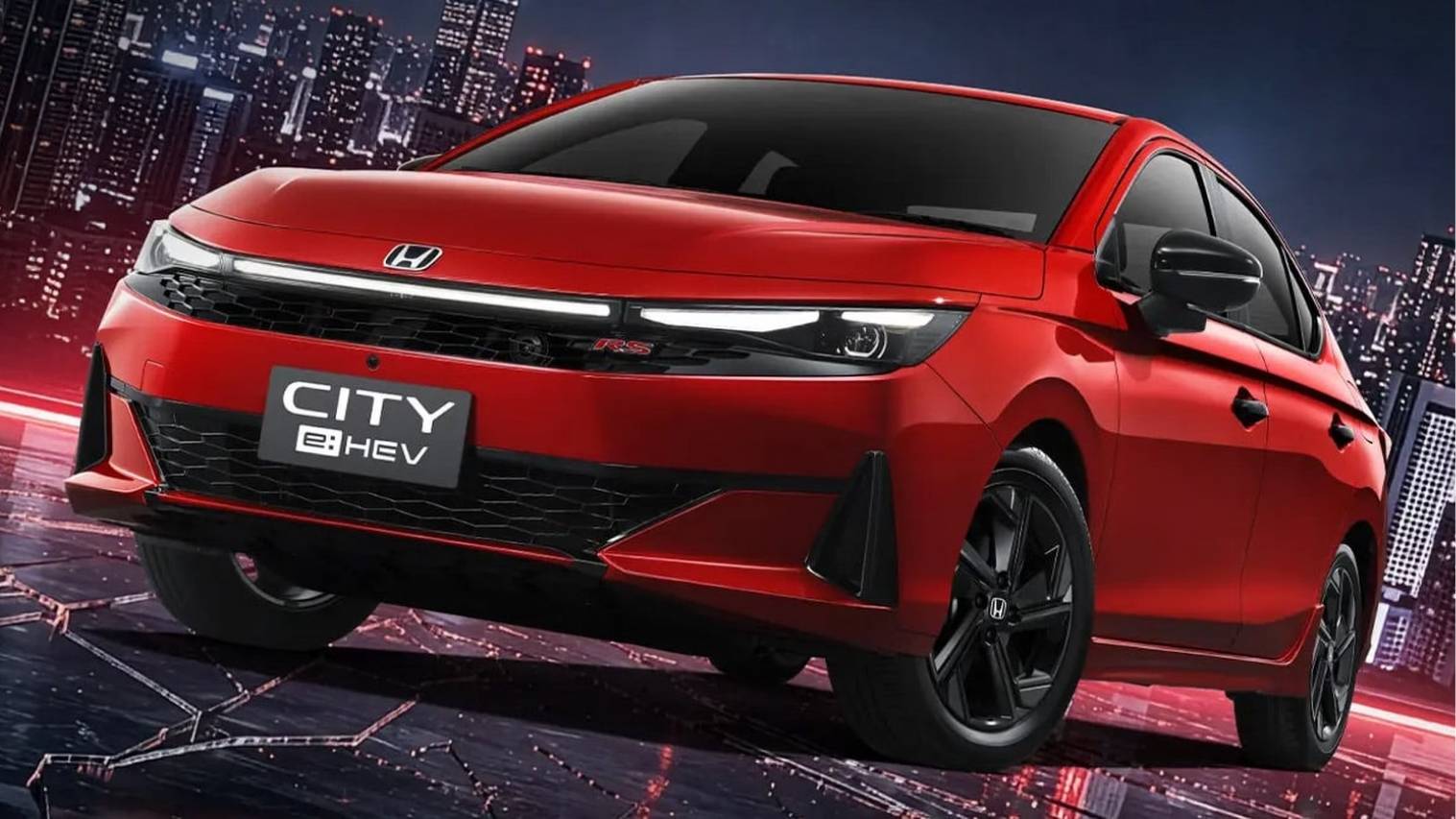
The new Honda City, launched in India earlier this month, is undeniably the sportiest iteration of the fifth-generation model, first introduced in 2019. Just days after launching the new City in India, Honda has introduced it in Thailand, with an even sportier styling.

While the core exterior mirrors the new Honda City sold in India, the Thai version gets minor cosmetic upgrades in a special ‘RS’ trim. Black ORVMs, door handles, and shark fin antenna included in the RS trim give the Thai version an even sportier look. Moreover, unlike the Indian version, it features a boot lid spoiler as well, also finished in black.

As for the interior, Honda has not completely revealed the design of the Thai version. The company has confirmed the availability of a 10-inch touchscreen infotainment system with wireless Apple CarPlay and Android Auto, an auto-dimming rear-view mirror, a 360º camera system, and a wireless smartphone charging pad. Unlike in India, there’s no mention of ventilated front seats in Thailand.

Also Read: 2026 Honda City Facelift Variant Wise Features, Specs, Mileage & Prices Detailed

New Honda City RS (1)

Honda plans to launch the new City in Thailand in a total of four trims: S, V, SV, and RS. All except the base S trim will feature a hybrid system as standard. Another major difference from the Indian model will be that the petrol variant will come with a 1.0-litre turbocharged petrol engine that produces 121 hp and 173 Nm of torque, linked to a CVT. The hybrid variants use the combination of a 1.5-litre petrol engine producing 97 hp and 127 Nm of torque and an electric motor.

In India, the new Honda City has been launched in SV, V, ZX, and ZX+ grades, priced from Rs. 12,07,900 (ex-showroom) to Rs. 17,22,900 (ex-showroom). The hybrid variant, which is no longer marketed as a separate model, is only available in a ZX+ grade, priced at Rs. 21,07,900 (ex-showroom). There’s no word on the RS trim being introduced in India.

Also Read: India-Spec Honda ZR-V Hybrid SUV Revealed, Deliveries To Begin In July 2026

New Honda City RS (2)

The petrol variant has a 1.5-litre engine producing 119 hp and 145 Nm of torque. It comes paired with a 6-speed MT or a CVT and delivers a fuel economy of 17.77 km/l (manual)/17.97 km/l (automatic). The hybrid variant combines a 1.5-litre petrol engine that develops 99 hp and 131 Nm of torque with an electric motor that generates 107 hp and 253 Nm of torque. In total, there’s 125 hp of power available at disposal. The hybrid variant delivers a fuel economy of 27.26 km/l.

The post New Honda City (Facelift) Adopts A Sportier Styling In Thailand appeared first on Gaadiwaadi.com - Latest Car & Bike News by Team GaadiWaadi.


from Gaadiwaadi.com – Latest Car & Bike News https://ift.tt/w9Q38CR

Electric Cars Account For 7% In Total Passenger Vehicle Sales In May 2026

GaadiWaadi -

Mahindra BE 6 Batman Edition (1)

The rising fuel prices, improving charging infrastructure and elimination of range anxiety are the reasons behind the surge in EV sales

The electric car sales in India picked up in May 2026 as it accounted for nearly 7 percent of the total passenger vehicle volumes. It is the highest share of EVs in overall car sales in the last year or so. The rising fuel prices, improving charging infrastructure and elimination of range anxiety are considered to be the foremost reasons behind the surge in EV sales. A total of 21,953 units of all-electric battery-powered cars were sold in May as the overall passenger car retail volumes stood at 317,354 units.

The EV share in total car sales was at 4.1 percent and 4.2 percent in January and February. It is believed that the recent hike in petrol, diesel and CNG rates compelled the buyers to shift towards electric mobility. If we compare it on a YoY basis, the share of EVs in total car sales was at 4.7 percent in May 2025 which has now climbed up to 6.9 percent.

Even in March 2026, EVs grabbed 5.9 percent share in total passenger vehicle sales. This shift is not just limited to four-wheelers but also visible in the two-wheeler segment as electric models accounted for 8.9 percent of total sales in the scooter and motorcycle segment in May 2026. Just so you know, electric two-wheelers had a share of 6.7 percent in Jan 2026 two-wheeler sales.

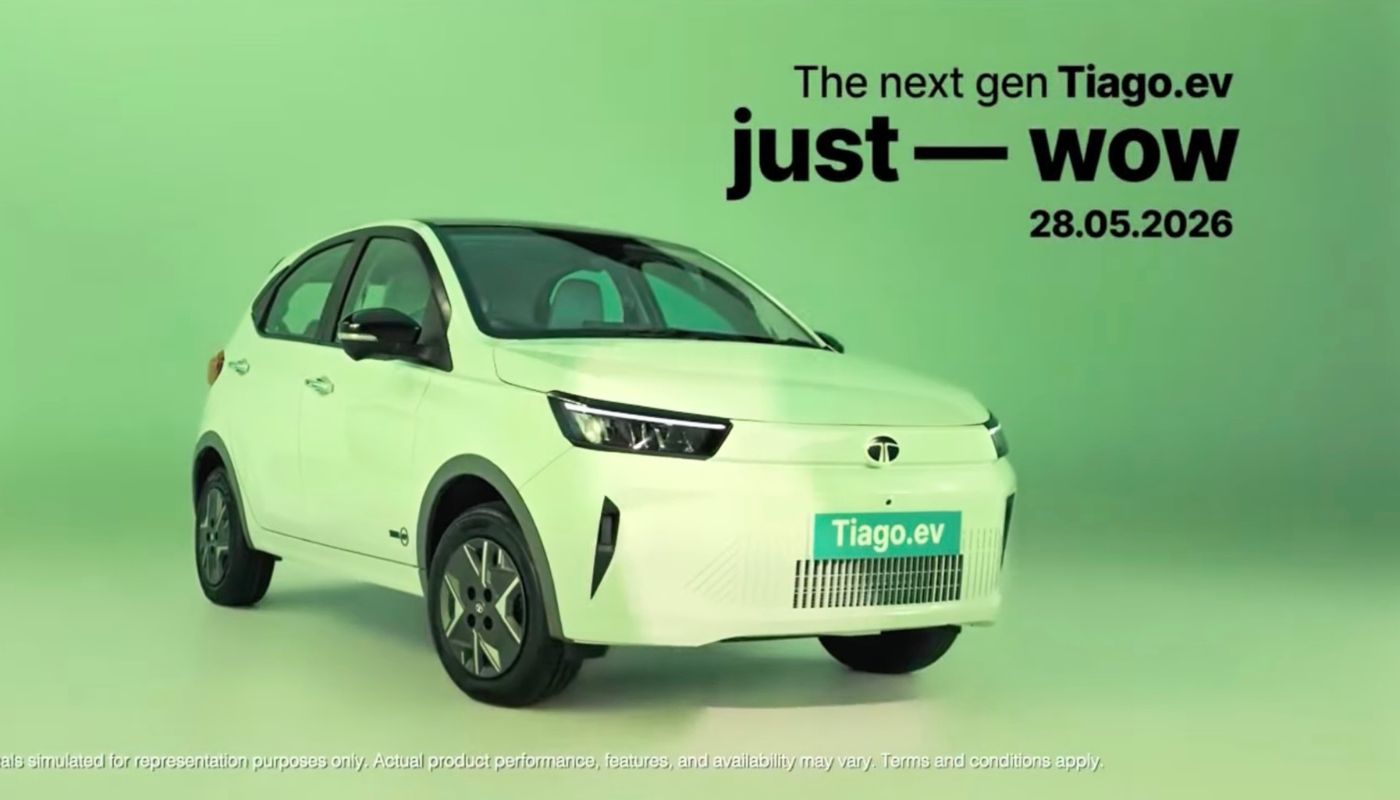
Also Read: 2026 Tata Tiago ICE, CNG & Electric Facelifts Launching In India Tomorrow

tata-nexon-EV-Dark-Red.jpg

The Indian two-wheeler industry recorded overall sales of more than 16 lakh units in May 2026. The e2w segment registered sales of 1.44 lakh units this month, which is a decent number, considering the lack of long range models. The EV penetration is rapidly growing in passenger vehicles as it has already increased by around 3 percentage points during the last four months.

The higher demand for electric vehicles clearly suggests that rising fuel prices are a major concern for the buyers. Though EVs still have not reached the double-digit share in four-wheeler sales, the swift rise in market share since the beginning of 2026 indicates that the transition is moving faster than overall vehicle demand growth.

Also Read: Honda To Introduce New SUVs, Hybrids & Electric Cars Soon In India

Maruti-e-Vitara.jpg

Several leading auto brands such as Maruti Suzuki, Hyundai, and Mahindra offer electric cars with driving range of more than 500 km on a single charge. On the other hand, various other reputed auto companies like Tata Motors and MG Motor have rolled out affordable EVs with starting prices as low as Rs 6-7 lakh (ex-showroom). Automakers like Kia and BYD retail 7-seater family electric cars in the Indian market.

The post Electric Cars Account For 7% In Total Passenger Vehicle Sales In May 2026 appeared first on Gaadiwaadi.com - Latest Car & Bike News by Team GaadiWaadi.


from Gaadiwaadi.com – Latest Car & Bike News https://ift.tt/31wY84O

3 New Compact SUVs With A Hybrid Powertrain In The Pipeline

GaadiWaadi -

renault bridger (7)

Following mid-size SUVs over the recent years, compact SUVs to start getting fuel-sipping electrification tech from next year

Hybrid powertrains have started becoming a popular choice among SUVs in India following the arrival of the Toyota Urban Cruiser Hyryrder, Maruti Grand Vitara, and Maruti Victoris. While currently their availability is mainly to the mid-size segment, from next year, even compact SUVs will be available with a hybrid system.

In the first half of 2027, Maruti Suzuki is expected to introduce a facelifted version of the Fronx, and along with this major refresh, the company will likely roll out a hybrid powertrain. Unlike other hybrid cars sold in India, this one would feature series-hybrid technology, in which the petrol engine is not connected to the wheels and only used as a generator.

Media reports suggest the Fronx Hybrid will have a modified version of Maruti Suzuki’s Z12E 1.2-litre naturally aspirated three-cylinder petrol engine under the hood. There’s no word on the type or output of the electric motor that will be driving the front wheels, but this setup is expected to deliver a fuel economy of around 35 km/l, which would make it one of the most efficient cars in our market.

Also Read: 3 Upcoming Hyundai Hybrid SUVs You Should Wait For In India

Maruti Fronx Hybrid
Maruti Fronx Hybrid

In the second half of the year, Renault will launch the production version of the Bridger concept. Designed and engineered mainly for India, the Bridger will feature a squarish body, a high ground clearance, hidden rear door handles, and a truly spacious and generously equipped interior.

Renault has confirmed that it will offer a hybrid powertrain as an option in the Bridger, and media reports say the electrified variant’s motive power will come from a 1.2-litre three-cylinder petrol engine. Whether the company plans to give this option right from launch or introduce it a few months later remains to be seen.

Also Read: All-New Toyota Compact Land Cruiser SUV To Likely Debut In 2028

2026-Kia-Sonet.jpg
2026 Kia Sonet

Kia is working on the second-gen Sonet with plans to launch it in 2027. The company recently started testing the future model on public roads with prototypes featuring the final design. It has also recently confirmed that it will introduce a hybrid powertrain in the Sonet by 2029, and we expect that to happen only after the full model change due next year, sometime in 2028.

The post 3 New Compact SUVs With A Hybrid Powertrain In The Pipeline appeared first on Gaadiwaadi.com - Latest Car & Bike News by Team GaadiWaadi.


from Gaadiwaadi.com – Latest Car & Bike News https://ift.tt/27onbJX

3 Upcoming Hyundai Hybrid SUVs You Should Wait For In India

GaadiWaadi -

Upcoming Hyundai Hybrid SUVs

Hyundai is planning to bring in a host of new hybrid SUVs to India over the next couple of years and here is a brief look at them

Nearly 80 per cent of India hybrid passenger vehicle volumes currently come from Toyota and Maruti Suzuki products – leaving a gap that Hyundai has not yet entered properly. It could change over the next few years as the Korean brand prepares three hybrid SUVs across separate price bands starting from the next generation Creta.

The most important model in this plan will be the Creta SX3 which is expected around 2027. The Creta already crossed two lakh annual sales in FY26 making it the only midsize SUV in India to reach the mark during the financial year. A hybrid version in this segment would therefore not be a niche addition. It would arrive inside one of the strongest selling SUV nameplates in the country.

The next-gen Creta will use a new K3 platform and is expected to grow in size compared to the current model to around 4.5 metres in length. Test mules have already suggested a larger body while the cabin will receive a deeper technology and material upgrade. Petrol, turbo petrol and diesel engines could remain unchanged but the hybrid variant will become the biggest mechanical upgrade.

Also Read: New Hyundai Creta Spied Alongside Existing Model Showing Big Size Difference

2024-Hyundai-Tucson-2.jpg

Hyundai is also preparing a larger three-row SUV internally known as Ni1i. It will sit above the Alcazar and below the recently discontinued Tucson giving the brand a new product in a higher family SUV category. A debut around late 2027 is expected and hybrid tech will be central to its positioning.cIt could use a modified version of Hyundai 1.5-litre petrol engine paired with electric assistance.

The system is expected to support electric only running at low speeds which should help fuel efficiency during city use. This same setup could move into the Creta and Seltos as well allowing Hyundai Motor Group to spread hybrid technology across higher volume models. At the upper end, Hyundai is studying the Palisade Hybrid for India.

Also Read: Hyundai And Kia To Launch 4 New Cars By March 2027

Hyundai-Palisade-Hybrid-India.jpg

If launched around 2028, it would become the most premium Hyundai ICE SUV in the country. Globally, the Palisade Hybrid combines a turbocharged petrol engine with an electric motor inside a full-size seven seat package. In the near future, we do expect Hyundai to introduce more SUVs with hybrid tech in the budget end of the spectrum.

The post 3 Upcoming Hyundai Hybrid SUVs You Should Wait For In India appeared first on Gaadiwaadi.com - Latest Car & Bike News by Surendhar M.


from Gaadiwaadi.com – Latest Car & Bike News https://ift.tt/63xHcbd

Mahindra To Bring In Several New ICE & e-SUVs Across Different Segments

GaadiWaadi -

Mahindra-Vision-X-3.jpg

Mahindra is planning to introduce a host of new SUVs across different categories and price points over the next five years

Four concepts shown in August 2025 form the base for Mahindra’s next major SUV launch proposition. Vision S, Vision X, Vision T and Vision SXT were not design exercises alone as their road going versions will begin dripping into the portfolio across different segments and price points with the Vision S based compact SUV arriving first.

The NU_IQ platform sits at the centre of this plan. It has been engineered to accept both combustion and electric powertrains allowing Mahindra to create different body styles and drivetrain combinations. Its flexibility becomes important because the company is now preparing a much larger product plan than the one it had outlined earlier.

Nine new ICE nameplates are part of the upcoming pipeline. These will not be simple facelifts or badge extensions. Mahindra is preparing new products across multiple price ranges with the Vision S based sub-four-metre SUV expected to next year. It will be positioned above the XUV 3XO and could compete against the forthcoming Renault Bridger and Kia Syros.

Also Read: Mahindra Vision S-Based Compact SUV To Likely Be Priced Competitively

Mahindra Vision S (2)

The Vision T appears to preview a Thar-influenced electric direction while Vision X and Vision SXT could help Mahindra cover more mainstream SUV slots later in the decade. Production derivatives from these concepts are expected to carry different identities under existing sub brands. Only two ICE updates in the roadmap are linked to existing models.

The three-door Thar facelift is expected as part of the plan while the Scorpio N mid-cycle update has already been spotted testing. The latter could receive a panoramic sunroof, ventilated front seats and cabin revisions with no major engine change expected. The expanded roadmap now includes 16 launches by 2031 and of which ten will use internal combustion engines and six will be electric SUVs.

Also Read: 15+ Upcoming Mahindra SUVs You Should Know About – ICE & EVs

Mahindra Vision.T (2)

It is a revision over the older plan that had listed nine ICE models and seven EVs by 2030.
Mahindra had already completed a large part of that earlier target between FY2025 and FY2026. The BE.07 is the nearest electric arrival from this next batch. It has already entered road testing and will sit above the BE 6 when launched in 2027.

It will use the INGLO architecture while later EVs will be spread across INGLO and NU_IQ depending on size, positioning and drivetrain needs. Mahindra is therefore not treating ICE and EV development as separate battles. The company is building two connected SUV pipelines with familiar name families, new platforms and multiple powertrain choices running side by side until 2031.

The post Mahindra To Bring In Several New ICE & e-SUVs Across Different Segments appeared first on Gaadiwaadi.com - Latest Car & Bike News by Surendhar M.


from Gaadiwaadi.com – Latest Car & Bike News https://ift.tt/TVHDOCP

50% Petrol Vehicles Sold Before 2023 Confirm Drop In Mileage With E20 Fuel

GaadiWaadi -

Besides significant losses in real-world mileage due to E20 fuel, several vehicles reported unusual levels of wear and tear, stated the LocalCircles survey

The Ministry of Petroleum and Natural Gas, in collaboration with The Ministry of Road Transport and Highways, officially mandated the use of E20 fuel from April 1, 2026 in the country. Though it was sold at several petrol pumps from as early as 2025. Now, according to a report by LocalCircles, around half of the petrol models purchased in 2022 or before have experienced a drop in mileage after using the E20 fuel, which has 20 percent ethanol content. The report further confirmed that one in two petrol vehicle owners stated that the fuel efficiency of their vehicle, which was purchased in 2022 or prior, has significantly reduced in the last few months.

In fact, nearly 29 percent of petrol vehicle owners came on record to state that the usage of E20 fuel has caused unusual levels of wear and tear with respect to the engine, fuel line, tank and carburettor among many other components. All these people had a vehicle purchased in 2022 or before. LocalCircles survey covered 50,000 respondents with ownership of a petrol vehicle purchased in 2022 or before across 301 districts of India.

In Aug 2025, the Ministry of Petroleum and Natural Gas had issued a detailed response to such concerns raised on the impact of 20 percent Ethanol Blended Petrol (E-20) on mileage and vehicle life. It had said that apart from reducing pollution, the ethanol-blended fuel offers better acceleration and ride quality while most importantly, lowered carbon emissions by approximately 30 percent as compared to E10 fuel.

Also Read: 5 New Maruti Suzuki Cars Launching Soon In India; 2 SUVs, 2 Hatch & 1 MPV

2025 tata nexon1

The Ministry outrightly dismisses the claims of lower mileage and higher wear and tear by stating that “Vehicle mileage is influenced by a variety of factors beyond just fuel type. These include driving habits, maintenance practices such as oil changes and air filter cleanliness, tyre pressure and alignment, and even air conditioning load.”

The Ministry further added that, “In most parameters including drivability, startability, metal compatibility, plastic compatibility, there are no issues. Only in case of certain older vehicles, some rubber parts and gaskets may require replacement earlier than in case non blended fuel was used.” In fact, Union Minister Nitin Gadkari went on to claim that, “You show me one vehicle anywhere in the world which had problems because of E20 petrol!”

Also Read: Honda To Introduce New SUVs, Hybrids & Electric Cars Soon In India

mahindra-XUV-3XO-15

However, on the other hand, the LocalCircles survey tells a different story altogether as several vehicle owners claim that real-world mileage losses are much higher in vehicles purchased in 2022 or before as compared to official estimates of fuel efficiency drop of 1-6 percent. The 45 percent of people participating in the survey belonged to tier 1 cities while 29 percent were from tier 2, followed by the remaining 26 percent who were from tier 3, 4 & 5 regions.

The post 50% Petrol Vehicles Sold Before 2023 Confirm Drop In Mileage With E20 Fuel appeared first on Gaadiwaadi.com - Latest Car & Bike News by Team GaadiWaadi.


from Gaadiwaadi.com – Latest Car & Bike News https://ift.tt/LqfgtTu

5 New Maruti Suzuki Cars Launching Soon In India – 2 SUVs, 2 Hatch & 1 MPV

GaadiWaadi -

Maruti-Suzuki-R3-MPV-Concept.jpg

Here we have explained the 5 new Maruti Suzuki cars that are set to launch within the next 12 months in India

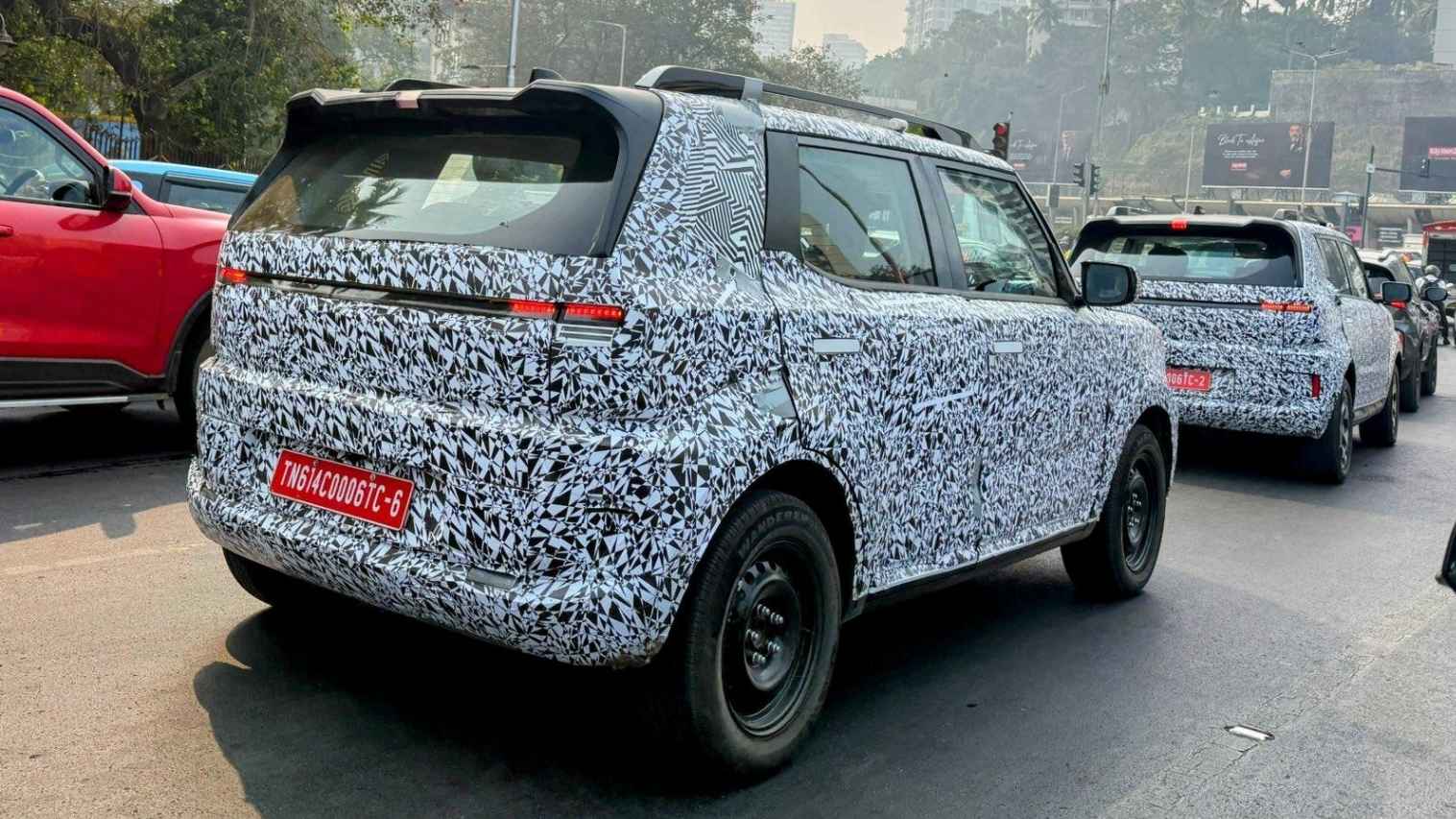
Maruti Suzuki has five products in various stages of development and all of which have been caught testing on Indian roads in recent months. The launches are expected to be spread across the remainder of 2026 and into 2027 covering a compact SUV facelift, an all-new electric MPV and updates to three of the brand’s popular nameplates.

The flex fuel version of the WagonR is expected to go on sale early next month in India. The Fronx is due for a cosmetic update after a strong run since launch. Test mules point to revised exterior elements and cabin improvements with the turbo petrol and naturally aspirated petrol powertrains carrying over unchanged. Flex fuel technology and ADAS could be introduced as part of the update – two additions that would give the Fronx an edge over rivals.

The Baleno has been largely unchanged since the second generation arrived in 2022. Camouflaged test vehicles confirm a refresh is underway with exterior styling updates and interior feature additions as the primary focus. The 1.2-litre petrol engine carries over and the update will look to keep the premium hatchback competitive against a set of rivals that have received more recent updates to their feature and technology packages.

Also Read: Maruti Suzuki Set To Launch New Flex Fuel Vehicle On June 5, Likely Wagon R E100

2026 Maruti Suzuki Baleno Spied

A boxy camouflaged prototype spotted on Indian roads is widely believed to be the YMC – Maruti’s upcoming seven seat electric MPV. At 4.5 metres in length, it shares significant hardware with the e Vitara including platform and powertrain elements. Two battery pack options are expected. Pricing will set it below the Kia Carens Clavis EV, positioning it as a more accessible family electric MPV in the three row space.

A launch by the end of 2026 or in early 2027 is expected with production likely taking place at the Gujarat plant. The most extensively tested of the four, the Brezza facelift has been spotted across multiple locations with heavy camouflage wrap on prototypes that appear to be in final validation stages. The exterior revisions are restrained – revised alloy wheels, tweaked body cladding and updated lighting elements.

Also Read: Maruti Suzuki Kharkhoda 2nd Plant Begins Production, Multiple New Launches Planned

Maruti Suzuki YMC, Brezza Facelift, Baleno Facelift Spied
Image Source: CarIndiaNews

However, the cabin receives the more substantive changes. A 10.1-inch touchscreen replaces the current 9-inch unit and improved connected features are expected throughout. The CNG variant gets an underbody tank relocation that frees up boot space following the approach taken on the Victoris. A six-speed manual gearbox is also expected to replace the existing five-speed unit.

The post 5 New Maruti Suzuki Cars Launching Soon In India – 2 SUVs, 2 Hatch & 1 MPV appeared first on Gaadiwaadi.com - Latest Car & Bike News by Surendhar M.


from Gaadiwaadi.com – Latest Car & Bike News https://ift.tt/4QgoRxf

Toyota Land Cruiser FJ For India (Mini Fortuner) – What We Know So Far

GaadiWaadi -

Toyota-Land-Cruiser-FJ-1-1.jpg

Toyota Land Cruiser FJ is expected to amongst the new SUV launches planned by the brand over the next few years in India

Toyota’s most affordable off-roader could be coming to India within the next two years and it draws inspiration from one of the iconic nameplates in four wheel drive history. The Land Cruiser FJ, which broke cover at the Japan Mobility Show 2025 carries boxy proportions and circular lighting elements that reference the legendary FJ40 from decades past.

At an estimated 4.5 metres in length with a 2,580 mm wheelbase, the FJ is considerably more compact than the Fortuner it will sit below in the Toyota lineup. The shorter footprint makes it more manageable in urban environments while also giving it a tighter turning radius on narrow trails – a practical advantage for a vehicle positioned as a genuine off-road capable machine.

The IMV ladder-frame chassis underpins the FJ – the same platform used by the Fortuner and Hilux globally. Ladder-frame construction brings the inherent strength and durability associated with body-on-frame SUVs keeping the FJ true to the Land Cruiser character despite the more accessible positioning. A part-time 4WD system is expected as standard.

Also Read: All-New Toyota Compact Land Cruiser SUV To Likely Debut In 2028

Toyota Land Cruiser FJ

Powering the Land Cruiser FJ will likely be a 2.7L naturally aspirated petrol engine producing 163 PS and 246 Nm and is linked with a 6-speed automatic gearbox. Additional powertrain options including a diesel unit could be offered depending on market requirements – for India specifically, a diesel option would be important given how central oil burners are to the off-road buyer profile here.

The exterior design boasts upright surfaces, prominent wheel arch cladding, modular exterior components and a purposeful stance that communicates the off-road brief without resorting to aggressive styling. The cabin prioritises durability and everyday usability though a 12.5-inch touchscreen, digital instrument cluster, climate control and ADAS are expected to be available on higher-spec variants.

Also Read: Next Gen Toyota Fortuner World Debut Likely Later This FY

Toyota Land cruiser FJ (6)

No official confirmation for India has come from Toyota yet. The brand’s growing focus on adventure oriented products – evident through the Fortuner, Hilux and the Land Cruiser family – makes an India introduction plausible. Pricing will likely place it below the Fortuner.

The post Toyota Land Cruiser FJ For India (Mini Fortuner) – What We Know So Far appeared first on Gaadiwaadi.com - Latest Car & Bike News by Surendhar M.


from Gaadiwaadi.com – Latest Car & Bike News https://ift.tt/YfZ9hmv

New Tata Tiago ICE Variant-Wise Features Detailed

GaadiWaadi -

Tata Tiago

Tata Motors’ most affordable car undergoes its most significant refresh yet, bringing updated styling and a multitude of new tech features

The Tata Tiago has received its third facelift, and this one is the most comprehensive update for the model so far. Priced from Rs. 4.69 lakh (ex-showroom), the latest version comes with a major design overhaul and a host of new features. Tata Motors offers the new Tiago in six trims: Smart, Pure, Pure+, Pure+ A, Creative, and Creative+.

Smart Trim

The Smart trim isn’t particularly stylish, featuring black mirrors and door handles and steel wheels. However, it does come with speckled-black cosmo grain textured wheel arch cladding and LED tail lamps. Inside, Tata Motors equips the Smart grade with chrome-finish door handles, a digital instrument cluster, a tilt steering, a two-spoke steering wheel, and six airbags. On the safety front, the base configuration features six airbags, reverse parking sensors, ABS with EBD and CSC, and 3-point ELR seat belts.

Tata Tiago CNG

Variant Type

Petrol Price

CNG Price

Transmission

Smart

Rs. 4.69 lakh

MT

Pure

Rs. 5.49 lakh

Rs. 6.49 lakh

MT / AMT

Pure+

Rs. 5.99 lakh

Rs. 6.99 lakh

MT / AMT

Creative

Rs. 6.99 lakh

Rs. 7.99 lakh

MT / AMT

Creative+

Rs. 7.29 lakh

MT/AMT

Pure Trim

The Pure trim adds full wheel covers, gloss black power-adjustable ORVMs with integrated turn indicators, body-coloured door handles, and a radio antenna, which gives it better styling. A two-speaker sound system, steering-mounted audio controls, front and rear power windows, central locking, USB Type-C and USB Type-A ports, and a height-adjustable driver’s seat are among the key highlights. A larger, day/night IRVM, rear defogger, and follow-me-home headlamps provide added safety and security.

Also Read: Tata Sierra EV Launch Confirmed For Festive Season; All Key Info

New Tata Tiago

Pure+ Trim

The Pure+ A trim has a catchier styling with connected tail lamps, 14-inch stylised wheels, and chrome line door handles. It also adds rain-sensing wipers and a rear wiper with a washer. A passive keyless entry system, an automatic climate control system, rear AC vents, a front centre armrest with storage space, a rear parcel tray (petrol-only), and automatic headlamps round up the upgrades.

Engine & Specs

Petrol

iCNG

Dimensions

Engine

1.2L Revotron

1.2L Revotron

Length: 3813 mm

Power

86 PS

75.5 PS

Width: 1684 mm

Torque

113 Nm

96.5 Nm

Height: 1535 mm

Gearbox

5 MT / AMT

5 MT / AMT

Wheelbase: 2400 mm

New Tata Tiago (1)

Creative Trim

The Creative trim swaps the 14-inch stylised wheels with 15-inch diamond-cut alloy wheels (petrol only), although their availability is limited to the petrol variant. LED headlamps with LED daytime running lights improve visibility and styling. Automatically folding ORVMs, a cooled glovebox, one-touch driver-side power window, and magazine pockets improve comfort and convenience. A larger, 10.25-inch touchscreen infotainment system is another key upgrade in the Creative grade. A 360º HD camera system and a Blind View Monitor provide enhanced safety.

Also Read: 2026 Tata Tiago EV Facelift Launched In India At Rs. 6.99 Lakh

Creative+ Trim

The Creative+ trim brings more style with a contrasting black roof. It also adds LED fog lamps, more than 35 connected car functions, a 65-watt rear USB Type-C port, and a wireless smartphone charger.

Tata Tiago EV Interior

Tata Motors has launched the new Tiago with a 1.2-litre naturally aspirated petrol engine and a CNG variant of the same, with the latter featuring a twin-cylinder setup. This engine produces 85 hp and 113 Nm of torque running on petrol and 74 hp and 96.5 Nm of torque running on CNG.

The post New Tata Tiago ICE Variant-Wise Features Detailed appeared first on Gaadiwaadi.com - Latest Car & Bike News by Team GaadiWaadi.


from Gaadiwaadi.com – Latest Car & Bike News https://ift.tt/FIphGMs

New Tata Tiago EV Variant-Wise Features Explained In Detail

GaadiWaadi -

Tata Tiago EV (2)

Launched in September 2022, Tata Motors’ most affordable electric car gets its second facelift following the one in January 2025

Tata Motors has launched a heavily facelifted version of the Tiago.ev, featuring significant design upgrades and a wide range of new features aimed at improving connectivity and convenience. The new electric hatchback has been priced from around Rs. 6.99 lakh (ex-showroom). While the new Tiago is available in six trims, the new Tiago.ev comes in only three trims: Smart, Pure+, and Creative+. However, all three grades are generously equipped.

Smart 19 Trim

The Smart configuration features 14-inch steel wheels, central locking, a digital instrument cluster, an automatic climate control system, Ergo under-thigh support seats, over 40 connected car functions, and a two-spoke steering wheel. On the safety front, it comes with six airbags, rear parking sensors, a tyre pressure monitoring system, and a high-beam alert.

Also Read: Tata Motors To Introduce 4 AWD SUVs By Next Year

Tata Tiago EV

Variant

Battery Pack

Price (Ex-showroom)

Claimed Range

Smart 19

19.2 kWh

Rs. 6.99 lakh

226 km

Pure+ 19

19.2 kWh

Rs. 8.49 lakh

226 km

Pure+ 24

24 kWh

Rs. 9.49 lakh

285 km

Creative+ 24

24 kWh

Rs. 9.99 lakh

285 km

Pure+ 19/24 Trim

The Pure+ grade sticks to the 14-inch steel wheels but adds wheel covers. It also features electrically adjustable ORVMs with built-in turn indicators, a shark fin antenna with GPS, two 65-watt USB charging ports, an 8-inch touchscreen infotainment system with wireless Apple CarPlay and Android Auto, steering-mounted controls, front and rear power windows, and a 4-speaker sound system. An HD reverse parking camera, rear defogger, a day/night IRVM, and follow-me-home and approach headlamps improve safety and security.

Tata Tiago EV

Creative+ 24 Trim

The range-topping Creative+ trim flaunts LED headlamps with LED daytime running lights and 14-inch stylised wheels. Automatically folding ORVMs, a power tailgate, passive keyless entry, cruise control, and one-touch power window on the driver’s side bring added convenience.

Also Read: New India-Made Jeep SUV In Partnership With Tata Motors Coming

Tata Tiago EV (1)

Rain-sensing wipers, rear wiper and washer, 10.25-inch HD touchscreen infotainment system, 6-way adjustable driver’s seat, front centre armrest with storage space, a cooled glovebox, and rear AC vents are also some of the noteworthy upgrades in the Creative+ grade. Additional features like a 360º HD camera system, automatic headlamps, auto defogger (front), Blind View Monitor, Electronic Stability Program with Traction Control, and Hill Hold Control improve safety.

Tata Tiago EV Interior

The new Tata Tiago+ is available in standard-range and extended-range variants. The former has a 60 hp/110 Nm motor and a 19.2 kWh battery pack, while the latter uses a 74 hp/114 Nm motor and a 24 kWh battery pack. The standard-range variant can travel 226 kilometres on a single charge, while the extended-range variant maxes out at 285 kilometres.

The post New Tata Tiago EV Variant-Wise Features Explained In Detail appeared first on Gaadiwaadi.com - Latest Car & Bike News by Team GaadiWaadi.


from Gaadiwaadi.com – Latest Car & Bike News https://ift.tt/IGr2kWl

2026 Tata Tiago EV Facelift Launched In India At Rs. 6.99 Lakh

GaadiWaadi -

2026-tata-tiago-ev-facelift.jpg

2026 Tata Tiago EV facelift has been introduced today In India with lifetime battery warranty and 90+ features

Tata Motors has launched the heavily updated Tiago EV in India today – positioning it as India’s most feature loaded electric hatchback with over 90 features, six airbags as standard across all variants and a lifetime high voltage battery warranty on the 24 kWh pack – defined as 15 years from the date of first registration for the first owner. For the 19.2 kWh battery, the warranty covers 8 years or 1,60,000 km whichever comes first.

The Tiago EV is offered in four variants – Smart 19, Pure+ 19, Pure+ 24 and Creative+ 24 – across two battery sizes. The 19.2 kWh pack powers a 45 kW (60 hp) motor producing 110 Nm with a certified range of 226 km and a real world estimate of 160 to 170 km. The 24 kWh pack steps up to a 55 kW (74 hp) motor developing 114 Nm and enabling a certified range of 285 km and a real world estimate of 205 to 215 km.

Sport mode on the 24 kWh variant delivers 0 to 60 kmph in 5.7 seconds. Both variants support 1.2C fast charging – 10 to 80 per cent in 35 minutes on a 30 kW DC fast charger by adding 100 km of range in just 18 minutes. The exterior has been enhanced notably with new design elements at the front and rear.

Variant

Battery Pack

Price (Ex-showroom)

Claimed Range

Smart 19

19.2 kWh

Rs. 6.99 lakh

226 km

Pure+ 19

19.2 kWh

Rs. 8.49 lakh

226 km

Pure+ 24

24 kWh

Rs. 9.49 lakh

285 km

Creative+ 24

24 kWh

Rs. 9.99 lakh

285 km

It gains sharper LED headlamps, LED DRLs, light bar connected tail lamps, newly designed 14-inch Hyperstyle wheels, a dual tone black roof, Cosmo Grain textured wheel arch cladding, chrome line door handles and a new tailgate mascot. The front presents a wider and more planted visual character than the outgoing model due to these changes.

On the inside, the revised dashboard sets the tone for a cabin that punches well above the price point. A 26.03 cm HD touchscreen infotainment system with wireless Android Auto and Apple CarPlay, an all-digital instrument console, iRA.ev connectivity with 40 plus connected car features and dual smartphone deck with wireless charging.

Battery & Motor

19.2 kWh Pack

24 kWh Pack

Charging

Motor Output

45 kW / 60 hp

55 kW / 74 hp

30 kW DC Fast Charging

Torque

110 Nm

114 Nm

10 to 80% in 35 mins

Real World Range

160 to 170 km

205 to 215 km

100 km in 18 mins

Warranty

8 Years / 1.6 lakh km

15 Years (First Owner)

1.2C Fast Charging Support

Other highlights are Passive Entry and Passive Start, fully automatic temperature control, rear AC vents with adjustable output, seats with extended under thigh support, fabric touch armrest with storage, all door soft touch fabric armrests, cooled glovebox, 65W front Type-C USB, auto fold and electrically adjustable ORVMs, cruise control and a four speaker surround system.

As for safety, six airbags come as standard along with a 360 degree SVS HD camera with multiple 2D and 3D views, a Blind View Monitor, 360 degree impact protection body structure, Electronic Stability Program with traction control, ABS with EBD and Corner Stability Control, Hill Hold Control, ISOFIX, TPMS, rain sense wipers, automatic headlamps, rear defogger and IP67 ingress protection for both the motor and battery pack.

Interior space measurements show the Tiago EV leads its segment – couple distance 752 mm, hip room front 1,207 mm, rear leg room 824 mm, rear head room 975 mm and rear elbow room 1,380 mm. Chair height sits at 626 mm for a high seating position and forward downward visibility angle of 7.5 degrees – both segment leading figures.

Six colour options have been made available namely Pangong Pulse, Sobo Surge, Dehradun Dew, Matheran Monsoon, Pure Grey and Pristine White. The introductory ex-showroom prices for the 2026 Tiago EV starts at Rs. 6.99 lakh for the base Smart 19 kWh and it goes up to Rs. 9.99 lakh for the range-topping Creative+ 24 kWh trim.

The post 2026 Tata Tiago EV Facelift Launched In India At Rs. 6.99 Lakh appeared first on Gaadiwaadi.com - Latest Car & Bike News by Surendhar M.


from Gaadiwaadi.com – Latest Car & Bike News https://ift.tt/kuc4Z9A

Hyundai To Likely Launch 4 All-New Cars By 2027

GaadiWaadi -

New Hyundai SUV (4)

Four newly developed Hyundai models, including both sub-4 metre and 4+ metre cars, expected to be launched within by 2027

In October 2025, Hyundai announced that it had lined up 26 launches in India by March 2030. The second-generation Venue was the first major launch following this announcement, and by 2027, the company will be launching four more all-new models as part of this mid-term strategy.

1. Next-gen Hyundai Bayon

The Hyundai Bayon is currently a Euro-focused model, but moving into its second generation, it will be more globally relevant. Media reports say Hyundai will launch the next-gen Bayon in India by September this year.

2024 Hyundai Bayon Facelift_-3

The next-gen Bayon will be a mid-size SUV featuring a funkier exterior and more modern interior compared to the Creta, and is expected to be targeted at younger customers. It will likely be offered with an existing 1.0-litre turbocharged three-cylinder petrol engine and an all-new 1.2-litre turbocharged four-cylinder petrol engine. A hybrid powertrain will likely follow.

Also Read: Hyundai Car Prices To Go Up By Up To Rs. 12,800 In June

2. Hyundai compact EV

upcoming-hyundai-compact-ev-rendered-india.jpg
Rendering

Hyundai is developing a heavily localised compact electric SUV that could challenge the Tata Punch.ev. Spy shots have shown it featuring a squarish body, a high ground clearance, and pixel-inspired front and rear lights. It will likely be offered with two battery packs, both comprising LFP cells produced locally by Exide Energy. The larger of the two should deliver a range of 375-400 kilometres. Hyundai will likely launch this model in early 2027, possibly at the biennial Auto Expo scheduled to take place from 4 to 9 February.

3. Next-gen Hyundai Creta

The Hyundai Creta will enter its third generation in 2027, possibly sometime in the middle of the year. The all-new Creta should be noticeably bigger, measuring around 4.5 metres in length, and be based on Hyundai Motor Group’s K3 platform. The next-gen model will be inspired by the Hyundai Crater concept and feature a much more rugged exterior.

2027-Next-Gen-Hyundai-Creta-Rendered-1.jpg
Render Source: SRK Designs

Inside, the design would be cleaner and more high-tech, with a tablet-like 12.9-inch touchscreen infotainment system based on the Android Automotive Operating System (AAOS) taking the centre stage. A hybrid powertrain based on a 1.5-litre petrol engine is expected to be another highlight of the next-gen Creta, although whether Hyundai offers it right from launch remains to be seen.

Also Read: Hyundai Working On Multiple Hybrid SUVs For India

4. Next-gen Hyundai i20

Hyundai i20 (6)
Curent Hyundai i20

The Hyundai i20 will transition into its fourth generation later this year and could arrive in its latest avatar here sometime in 2027. The next-gen i20 will be based on the same platform as the next-gen Bayon and will likely feature an evolutionary exterior. Inside, spy shots have shown a new curved panel integrating the digital instrument cluster and the touchscreen infotainment system. Hyundai may offer a wide range of Level 2 advanced driver assistance systems as well. The company will likely launch the all-new premium hatchback in an ICE variant, but could roll out a hybrid variant at a later stage.

The post Hyundai To Likely Launch 4 All-New Cars By 2027 appeared first on Gaadiwaadi.com - Latest Car & Bike News by Team GaadiWaadi.


from Gaadiwaadi.com – Latest Car & Bike News https://ift.tt/PsuIJrz

Tata Motors To Introduce 4 AWD SUVs By Next Year

GaadiWaadi -

Tata-Sierra-Electric-EV-Teased.jpg

New AWD SUVs to be aimed mainly at customers with a knack for adventure travel, rather than hardcore off-roading

Tata Motors only manufactured FWD models for five years after discontinuing the Hexa in 2020 until last year, when it introduced the Harrier.ev with optional AWD. The company is seeing rising demand for AWD capability among adventure-minded customers and is likely to capitalise on the trend with four more AWD SUV launches in the near future.

Sometime in the second quarter of the year, Tata Motors is expected to launch the Sierra.ev, the pure electric variant of the all-new Sierra. The company will likely give a choice of single-motor RWD and dual-motor AWD configurations in the electric mid-size SUV. The latter would have two motors, including a higher-output unit on the rear axle and a lower-output unit on the front axle.

Following the Harrier last year, its three-row cousin, the Safari, is set to receive an all-electric variant with the familiar ‘.ev’ suffix this year. Tata Motors will likely bring the Safari.ev to showrooms in late October, just around Dussehra and before Diwali. The company should offer it in single-motor RWD and dual-motor AWD configurations, with the latter packing 291 kW (390 hp) of total power and 468 Nm (504 Nm with a boost function) of total torque.

Also Read: 2026 Tata Tiago ICE, CNG & Electric Facelifts Launching In India Today

Tata Safari EV Rendering

In early 2027, Tata Motors will introduce an AWD option on the ICE Sierra. The company offers the ICE Sierra with 1.5-litre naturally aspirated petrol, 1.5-litre turbocharged petrol, and 1.5-litre turbocharged diesel engine options. It may give the AWD option only on configurations equipped with the turbocharged petrol and diesel engines.

Also expected in 2027 is the production version of the Avinya X, a large SUV-coupe concept. Avinya will be a new, EV-only brand positioned above the core Tata Motors brand. The Avinya X concept’s production version would have a stylish and futuristic exterior and a minimalist interior that would be completely different from Tata models. It should also be offered in single-motor RWD and dual-motor AWD configurations, with the latter aimed mainly at Outdoorsy customers.

Also Read: 2026 Tata Tiago CNG Facelift To Get Paddle Shifters; Key Features Detailed

Tata-Avinya-X-1.jpg

Most of the aforementioned AWD SUVs should feature multiple terrain modes, including normal, grass/snow, mud/ruts/gravel, sand, rock crawl, and custom. A Transparent Mode is also expected, showing the driver what’s beneath the vehicle on the infotainment screen.

The post Tata Motors To Introduce 4 AWD SUVs By Next Year appeared first on Gaadiwaadi.com - Latest Car & Bike News by Team GaadiWaadi.


from Gaadiwaadi.com – Latest Car & Bike News https://ift.tt/Ba7pdFe

Ultraviolette Tesseract Launch In Jan 2027 With India’s First 100V Scooter Architecture

GaadiWaadi -

Tesseract-Ultraviolette.jpg

In addition to a 100V architecture, Ultraviolette Tesseract gets updates across ergonomics, rider interface and practicality as well

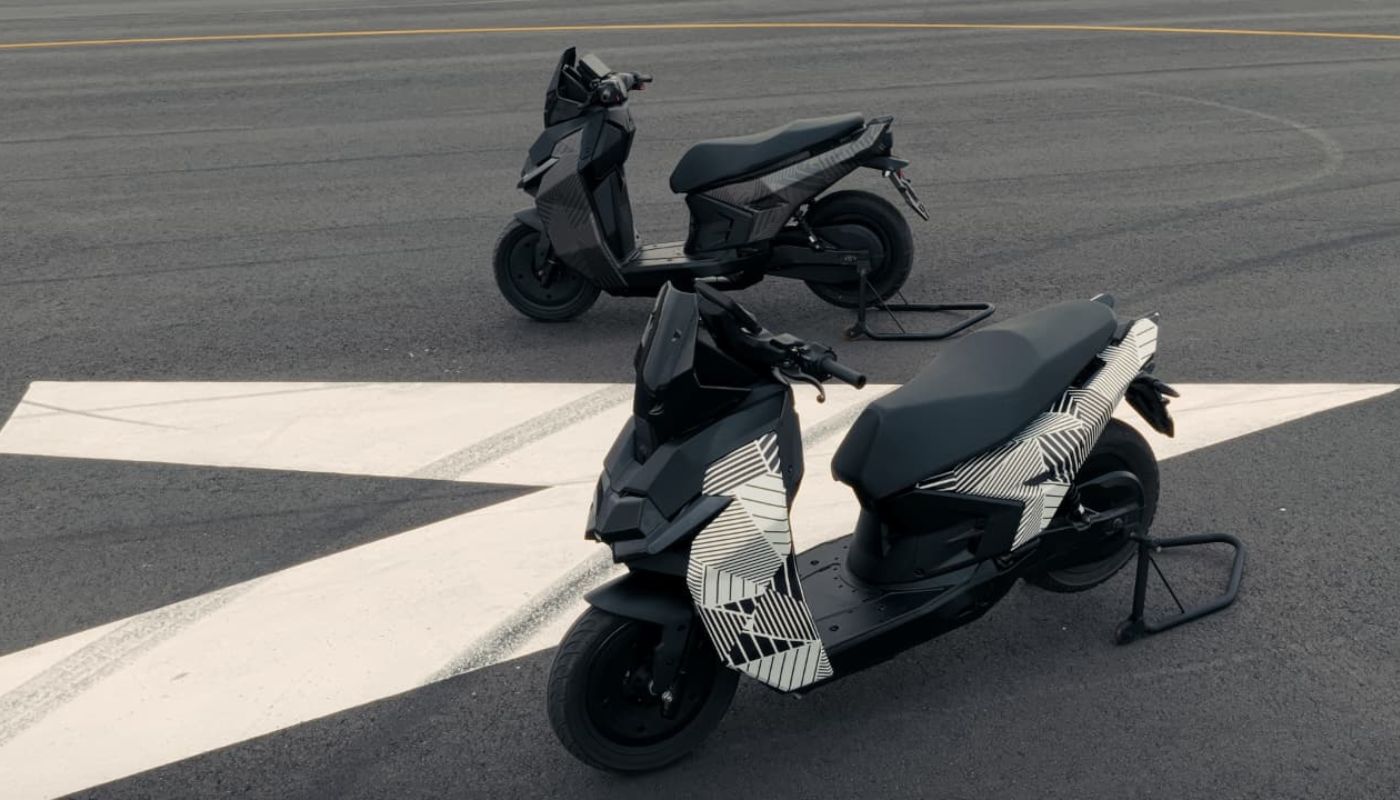
Ultraviolette has announced a fundamental rework of the Tesseract electric scooter –  introducing what it claims is India’s first 100V architecture for a scooter. It is a change that pushes the platform well beyond what any production electric scooter in the country currently runs. The launch, originally planned for earlier, has been pushed to January 2027 to accommodate the engineering changes and additional real-world validation the new architecture demands.

The 100V powertrain architecture is the centrepiece of the update. At 15 kW (20 hp) peak output, the Tesseract produces three times more power than what Ultraviolette describes as the industry average for electric scooters. Charging speed is twice the industry average and the higher voltage architecture enables more efficient thermal management.

It allows the electric motor to sustain peak output for longer under demanding riding conditions rather than throttling back to manage heat. Load carrying capacity has also been improved and the motor controller, charger and vehicle electronics are lighter and more compact as a direct result of the voltage increase.

Tesseract Ultraviolette 1

Beyond the powertrain, feedback gathered from nationwide customer showcases and roadshows has driven updates across ergonomics, rider interface and practicality. The Tesseract will now come with a larger seat and increased floorboard space – two changes that directly address comfort feedback from prospective consumers who interacted with the pre-production version across multiple cities.

The design and engineering teams worked through these inputs alongside the powertrain development resulting in what Ultraviolette describes as a comprehensively refined product. The platform is currently undergoing real-world testing across multiple terrains, environmental conditions and riding scenarios ahead of the market launch.

Tesseract Ultraviolette 2

Ultraviolette has framed the delay as a deliberate choice to ensure the Tesseract reaches customers in a state that matches the performance and technology benchmarks the company committed to at the time of the unveiling. With 15 kW of peak power, the performance gap between the Tesseract and anything currently sold as an electric scooter in India will be considerable.

The post Ultraviolette Tesseract Launch In Jan 2027 With India’s First 100V Scooter Architecture appeared first on Gaadiwaadi.com - Latest Car & Bike News by Surendhar M.


from Gaadiwaadi.com – Latest Car & Bike News https://ift.tt/6VtsHZx

BYD’s First Plug-In Hybrid Car For India To Debut On June 9

GaadiWaadi -

BYD-Atto-2-1.jpg

BYD’s first plug-in hybrid SUV for India has been teased indicating the brand’s intention to consolidate its product portfolio and here we explore what it could be

Nearly 1,100 km combined driving range and more than 300 hp from a hybrid SUV may soon enter Indian roads wearing a BYD badge. After focusing entirely on electric vehicles locally, the Chinese manufacturer has now officially confirmed plans to introduce its first plug in hybrid model for the domestic market.

The teaser released by BYD India confirms the upcoming SUV will use the company DM i hybrid system. Unlike conventional hybrids, the setup allows the vehicle to operate for longer distances in pure electric mode before the petrol engine steps in either to assist performance or recharge the battery during different driving conditions.

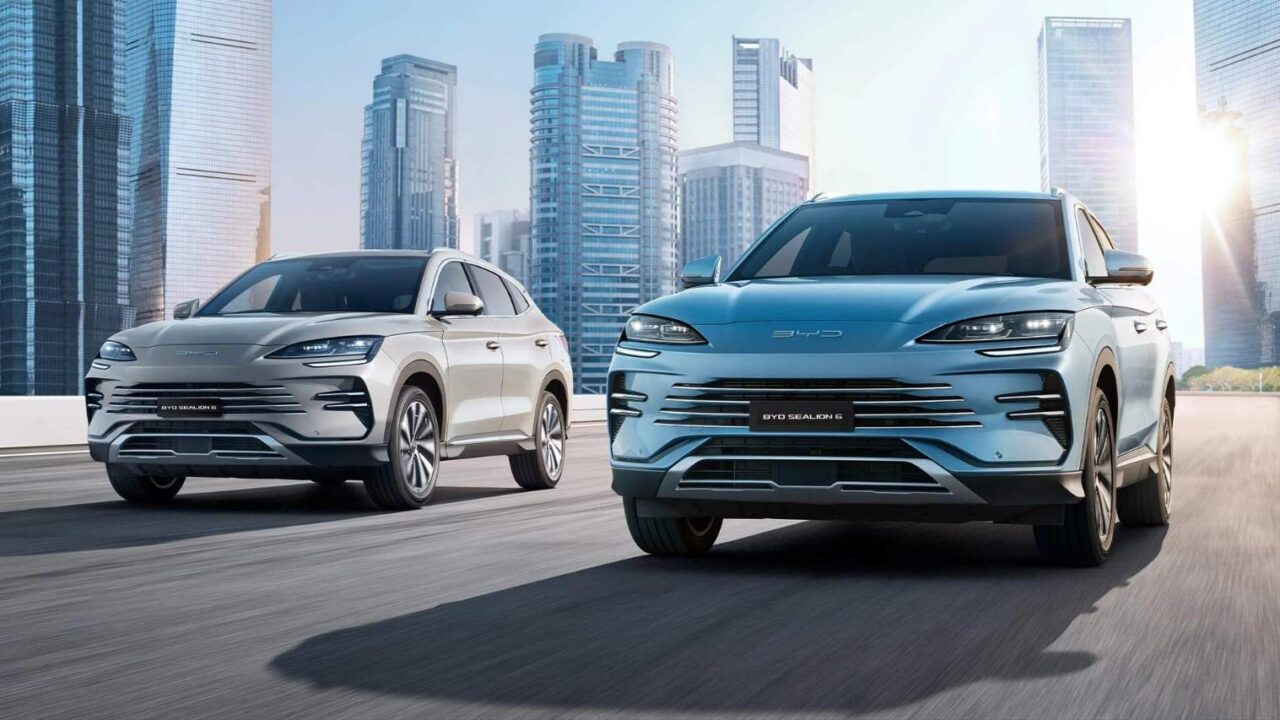
Two global BYD SUVs currently sit at the centre of speculation – the Atto 2 DM i and the Sealion 6. Both have already surfaced around India in different forms over the last year. The Atto 2 was spotted testing locally in 2025 while the Sealion 6 appeared publicly at Auto Expo 2025 before camouflaged prototypes emerged later on public roads.

Also Read: BYD Teases A New Hybrid Model, Could Be The Sealion 6 PHEV

1 / 1 – BYD’s First Plug-In Hybrid Car For India To Debut On June 9.jpg

The Sealion 6 currently looks like the stronger possibility. Globally, the SUV sits above the Atto lineup and shares visual similarities with the Sealion 7 EV which is already sold in India. Large dimensions, smoother surfacing and a more premium cabin position it closer to products such as Hyundai Tucson, Jeep Meridian and Volkswagen Tiguan.

International versions use 1.5-litre petrol hybrid systems paired with 18.3 kWh and 26.6 kWh battery packs. The front-wheel-drive variant develops around 218 hp while the turbocharged all-wheel-drive version produces nearly 344 hp. Electric only range stretches up to 140 km under NEDC testing conditions while combined range goes over 1,090 km.

Also Read: New Gen BYD Atto 3 Debuts With 630 Km Range, Lidar & Flash Charging

BYD Sealion 6 Plug in hybrid (2)

The Atto 2 follows a smaller footprint and simpler hybrid setup. Overseas versions combine a naturally aspirated 1.5-litre petrol engine with either 7.8 kWh or 18 kWh batteries. Depending on configuration, power output ranges between 166 hp and 212 hp while claimed combined range figures approach 1,000 km.

Hybrid technology is becoming increasingly important for manufacturers operating in markets where EV charging infrastructure still remains uneven outside major cities. Several consumers now want lower running costs and electric commuting capability without depending entirely on charging stations during long distance travel. BYD appears to be targeting exactly that customer base.

BYD-Atto-2.jpg

Unlike traditional strong hybrids currently sold in India, plug in hybrids can cover much longer distances in EV mode while still carrying a combustion engine for backup. In urban conditions, many owners may rarely need to use petrol at all if charging access remains regular.

The post BYD’s First Plug-In Hybrid Car For India To Debut On June 9 appeared first on Gaadiwaadi.com - Latest Car & Bike News by Surendhar M.


from Gaadiwaadi.com – Latest Car & Bike News https://ift.tt/GvOg6qc