Premium Car Buyers Are Choosing To Buy EVs And Hybrids

GaadiWaadi -

Mahindra XEV 9e-4

Nearly half of all cars priced above Rs 30 lakh sold in India are now electrified, as premium buyers increasingly move away from traditional petrol and diesel powertrains

India’s premium car market is undergoing a rather interesting change. While the mass-market segment continues to debate fuel efficiency, E20 petrol and charging infrastructure, buyers spending more than Rs 30 lakh are increasingly looking at electric and hybrid vehicles. In fact, electrified powertrains are now close to overtaking traditional petrol and diesel options in the premium segment.

According to data from Jato Dynamics, electric vehicles, hybrids and plug-in hybrids accounted for 49.1 per cent of registrations in the Rs 30 lakh-plus segment between January and May 2026. This is a massive jump from around one in 10 vehicles just three years ago. The shift also highlights how quickly buyer preferences can change once newer technology becomes available in a segment where price is not always the primary consideration.

The reasons are fairly straightforward. Premium buyers are increasingly looking at the overall ownership experience rather than simply choosing between petrol and diesel. Performance, refinement, technology, sustainability and the total cost of ownership are now becoming equally important. A premium EV, after all, can offer instant performance and a quieter driving experience while potentially reducing running costs.

Also Read: New Gen Toyota Hilux Launched In India At Rs. 31.99 Lakh

Toyota-Camry-Hybrid-Sprint-Edition-.jpg

Luxury carmakers are also responding to this change by offering buyers more choice. Instead of betting entirely on battery electric vehicles, manufacturers are expanding their portfolios with strong hybrids, plug-in hybrids and fully electric cars. This is particularly relevant in India, where charging infrastructure and long-distance travel concerns continue to influence buying decisions.

Mercedes-Benz India currently gets around 14 per cent of its sales from EVs, almost double the contribution seen until recently. BMW India, meanwhile, recorded a 78 per cent increase in EV sales during the first half of 2026, with electric cars accounting for 26 per cent of its sales compared to 21 per cent during the same period last year.

Also Read: India-Bound BMW X5 LWB And iX5 LWB Unveiled

BMW Mini Elctric

Interestingly, luxury EVs are also increasingly becoming primary cars rather than second or third vehicles in affluent households. Improved battery technology and longer driving ranges appear to have helped build confidence among buyers. The question is no longer simply whether someone should buy an EV. For many premium buyers, it is now about deciding which EV makes the most sense.

The post Premium Car Buyers Are Choosing To Buy EVs And Hybrids appeared first on Gaadiwaadi.com - Latest Car & Bike News by Team GaadiWaadi.


from Gaadiwaadi.com – Latest Car & Bike News https://ift.tt/wm4A1u0

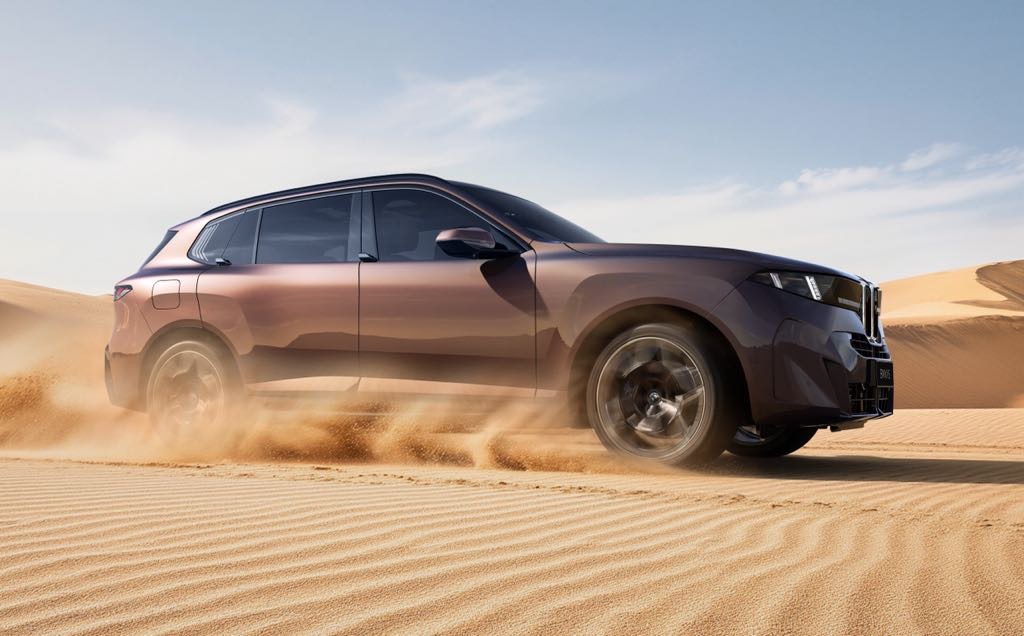
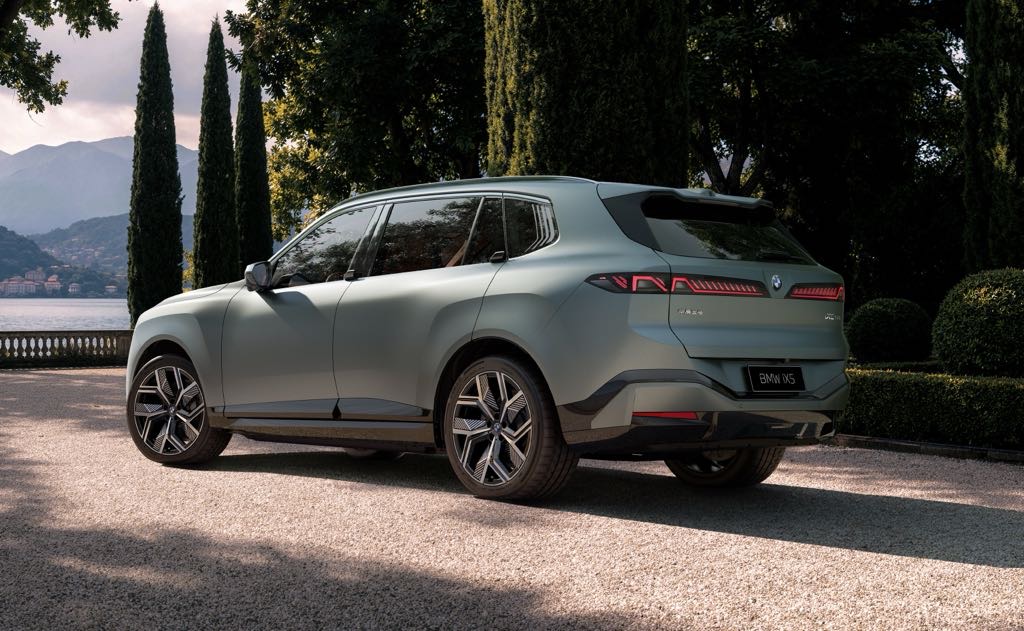
2026 BMW X5 LWB Revealed, India Launch Expected In 2027

BMW X5 Long Wheelbase

BMW has revealed the long-wheelbase versions of the new generation X5 and the all-electric iX5, with both models making their global debut in China. Developed specifically for the Chinese market, the SUVs are underpinned by BMW’s new Neue Klasse architecture and feature a longer wheelbase aimed at improving rear-seat comfort and overall cabin space.

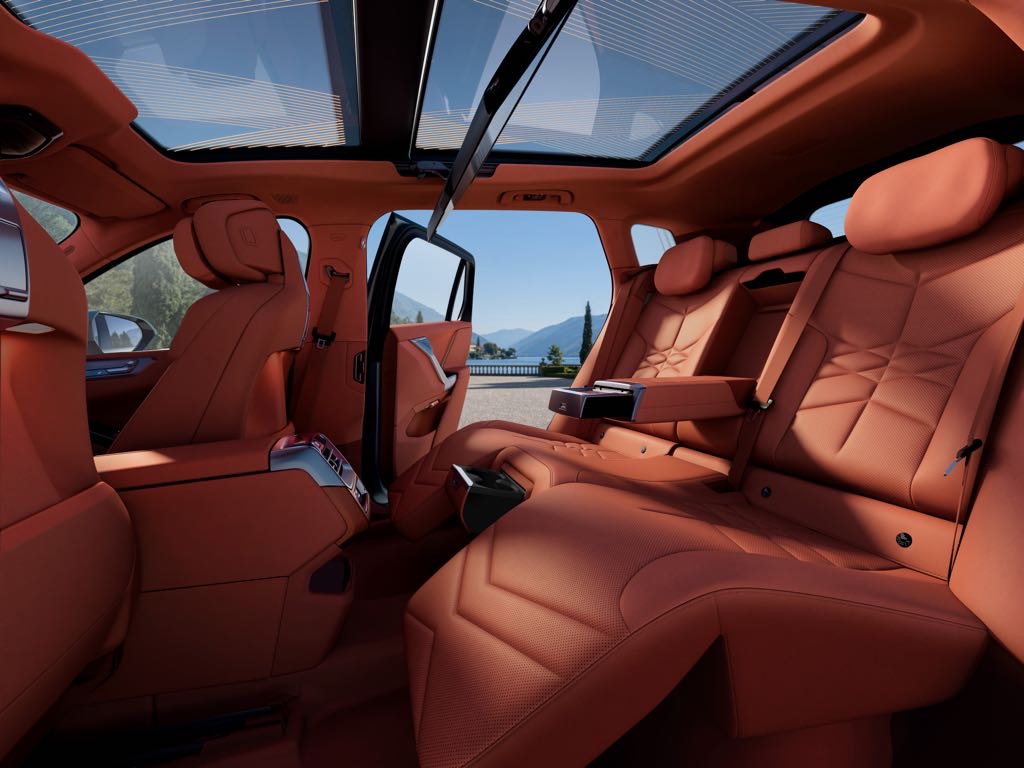
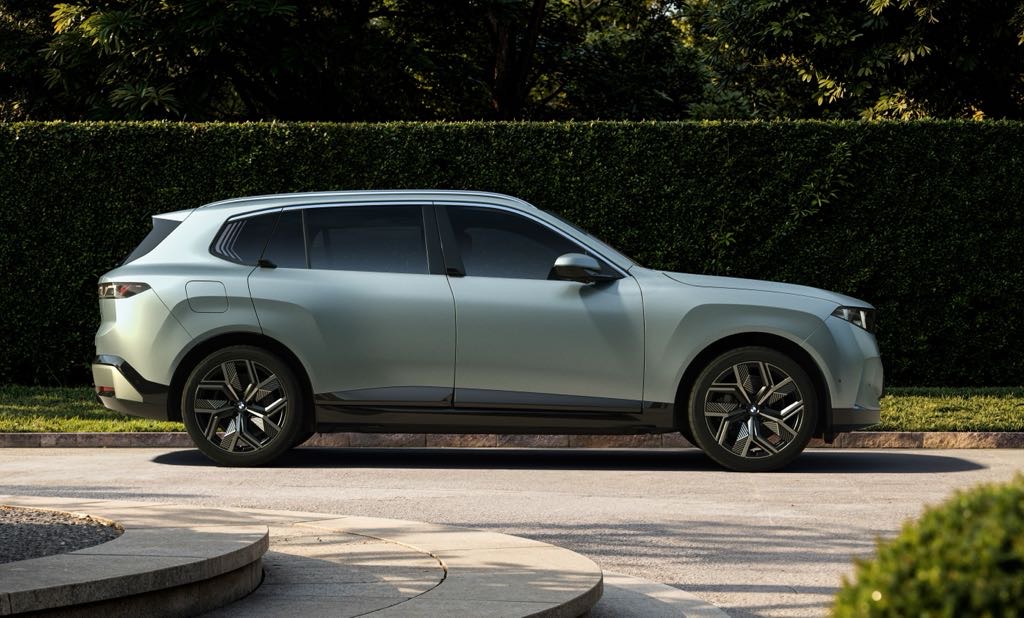
The most notable change is the 130 mm increase in wheelbase, taking the overall figure to 3165 mm. According to BMW, the additional length benefits rear passenger legroom while also enhancing ride quality and high-speed stability. The longer proportions also give the SUV a more imposing stance on the road.

Both models adopt BMW’s latest Neue Klasse design language, featuring redesigned front and rear styling along with new diagonal LED lighting signatures. Customers can also opt for a distinctive double-X lighting pattern, adding a unique visual element to the SUV’s exterior.

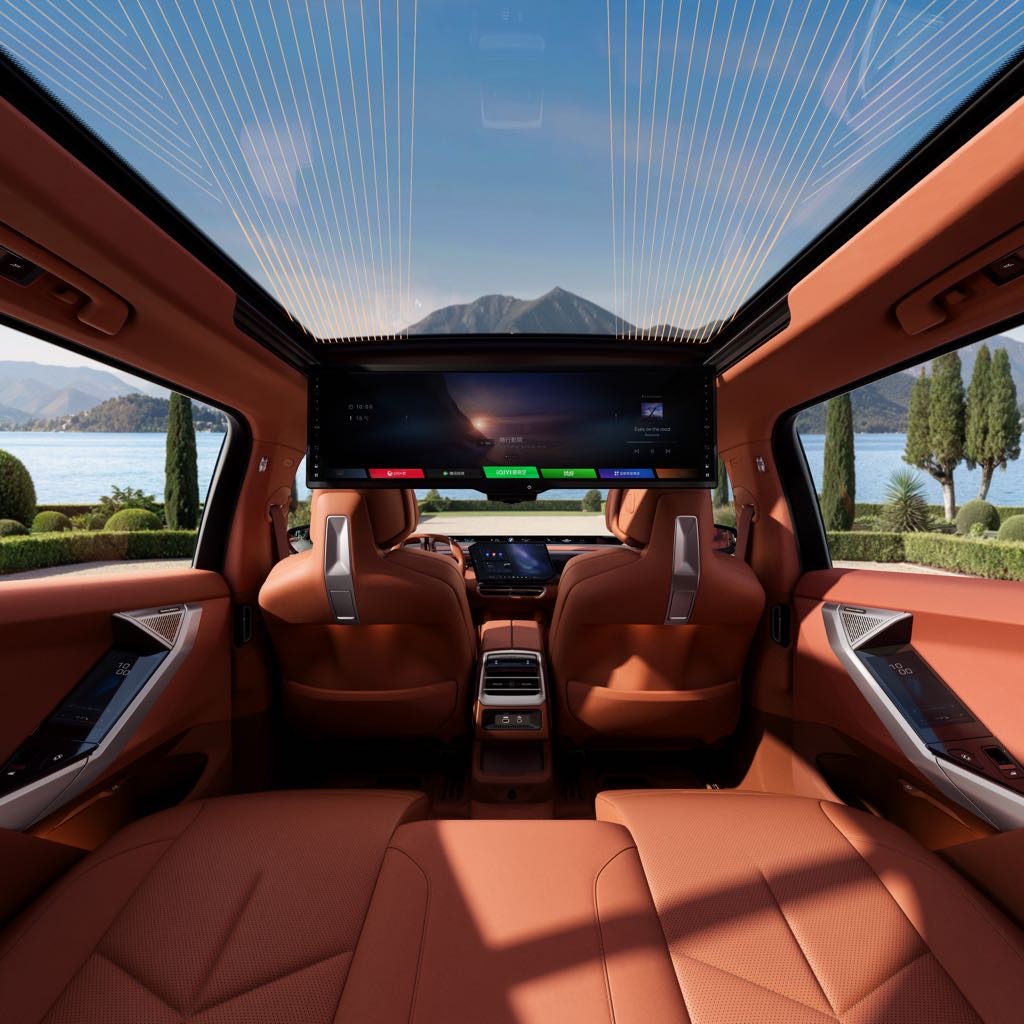
Inside, the cabin has been comprehensively redesigned with a minimalist dashboard layout, premium materials including slate and glass trim, and newly developed seats. The technology package includes BMW’s Panoramic iDrive system running Operating System X, a floating central touchscreen, the Panoramic Vision display and, for the first time on the X5, a dedicated passenger display. Rear-seat occupants also benefit from BMW’s latest Theatre Screen, offering 8K video streaming, gaming and video-calling functionality.

BMW has not yet confirmed the complete powertrain lineup for the long-wheelbase X5 in China. However, it is expected to be offered with petrol, diesel and plug-in hybrid options, including the X5 40 xDrive, X5 40d xDrive, X5 50e xDrive and X5 M60e xDrive variants.

The all-electric iX5 uses BMW’s sixth-generation eDrive technology and is equipped with a 141 kWh battery pack. On the Chinese CLTC test cycle, BMW claims a driving range of up to 1000 km, although real-world figures and WLTP-certified range are expected to be lower.

Sales of the long-wheelbase X5 and iX5 are scheduled to begin in China in early 2027. While BMW has not officially announced plans for additional markets, the long-wheelbase X5 and iX5 are also expected to be introduced in India during 2027, reflecting the growing demand for chauffeur-focused luxury SUVs in the country.

BMW X5 Long Wheelbase Interior

BMW X5 Long Wheelbase Rear Legroom

BMW X5 Long Wheelbase Side

BMW X5 Long Wheelbase Rear

The post 2026 BMW X5 LWB Revealed, India Launch Expected In 2027 appeared first on MotorBeam.


from Car News | MotorBeam - Indian Car Bike News & Reviews https://www.motorbeam.com/bmw-x5-lwb-ix5-unveiled-india-launch-2027/

7-Seater Xiaomi SkyNomad SUV Debuts With 1,705 Km Range & Reconfigurable Cabin

GaadiWaadi -

Xiaomi-SkyNomad-1.jpg

Xiaomi SkyNomad N90 Max offers up to 2,760 mm of combined occupant space while second-row legroom extends to 1,550 mm

Xiaomi has taken the wraps off the all-new SkyNomad SUV while introducing the brand’s new Kunlun technical architecture alongside its most family-based electric vehicle yet. Offered in two extended-range variants, the SkyNomad N90 Max and SkyNomad N70 Max, the new SUV concentrates on cabin flexibility, long drive capability, safety and AI-powered tech. Pre-orders have now opened in China with prices starting at RMB 259,900 (Rs. 36.81 lakh).

The range is led by the SkyNomad N90 Max, a flagship seven-seater range extender SUV priced at RMB 299,900 (Rs. 42.47 lakh) while the five-seat N70 Max AWD is available from RMB 259,900 (Rs. 36.81 lakh). Both models sit on Xiaomi’s new Kunlun platform which is developed specifically to offer optimal passenger space and interior versatility.

The larger N90 Max measures 5,285 mm in length, 1,998 mm in width and 1,825 mm in height riding on a 3,080 mm wheelbase. The smaller N70 Max stretches 4,960 mm long with a 2,950 mm wheelbase. Xiaomi says the new platform has been created around cabin space first allowing the SkyNomad to feature a completely flat floor extending from the first row to the cargo area.

Xiaomi-SkyNomad-.jpg

The seven-seater N90 Max offers up to 2,760 mm of combined occupant space while second-row legroom extends to 1,550 mm. Cargo capacity reaches 1,831 litres with the seats folded and Xiaomi claims the SUV can accommodate up to 24 20-inch suitcases in its maximum storage configuration. The cabin also supports multiple seating layouts enabling the vehicle to transform into a lounge, mobile office, sleeping area or maximum cargo hauler depending on occupant requirements.

Powering the SkyNomad is Xiaomi’s new Kunlun extended range system. The N70 Max delivers up to 505 km of pure electric driving range on the CLTC cycle while the larger N90 Max returns up to 464 km. Combined driving range for the N90 Max stands at an impressive 1,705 km. Xiaomi has also achieved a claimed fuel consumption figure of just 6.26 L per 100 km when the battery is depleted.

Xiaomi-SkyNomad-Cabin.jpg

The N90 Max features dual-motor all-wheel drive producing 310 kW of peak power. Xiaomi says the SUV combines strong straight-line performance with impressive agility helped by a double-wishbone front suspension, H-arm multi-link rear suspension, adaptive air suspension and continuously variable dampers. Despite measuring over 5.2 metres in length, it boasts a turning radius of just 5.95 metres.

The body uses 90.4 per cent high-strength steel and aluminium alongside 2,200 MPa ultra-high-strength steel across critical structural areas. The SUV comes equipped with 12 airbags, 39 anti-pinch protection points, triple-redundant door opening systems, emergency tailgate exits for third-row passengers and Xiaomi’s new Armor Scale Battery which features 18 layers of structural protection and comprehensive thermal safety measures.

Xiaomi-SkyNomad-Interior.jpg

The cabin gains a minimalist layout centred around Xiaomi’s latest Snapdragon 8 Gen 3-powered infotainment platform. Features include a customisable head-up display, six-screen connectivity, a 25-speaker audio system, a rear control display, powered massage seats, an integrated refrigerator, 50W wireless charging and Xiaomi Hyper XiaoAi AI assistant, capable of adjusting seating layouts, lighting and climate through voice commands.

The SkyNomad also introduces Xiaomi’s latest assisted driving suite as standard. Hardware includes LiDAR, 4D millimetre-wave radar, multiple cameras and a 700 TOPS computing platform, supporting advanced navigation, voice-controlled driving functions and intelligent parking assistance.

Xiaomi-SkyNomad-Cabin-1.jpg Xiaomi-SkyNomad-Interior.jpg Xiaomi-SkyNomad-1.jpg Xiaomi-SkyNomad-.jpg Xiaomi-SkyNomad-3.jpg Xiaomi-SkyNomad-Cabin.jpg Xiaomi-SkyNomad-Cabin-2.jpg

The post 7-Seater Xiaomi SkyNomad SUV Debuts With 1,705 Km Range & Reconfigurable Cabin appeared first on Gaadiwaadi.com - Latest Car & Bike News by Surendhar M.


from Gaadiwaadi.com – Latest Car & Bike News https://ift.tt/8QUuF65

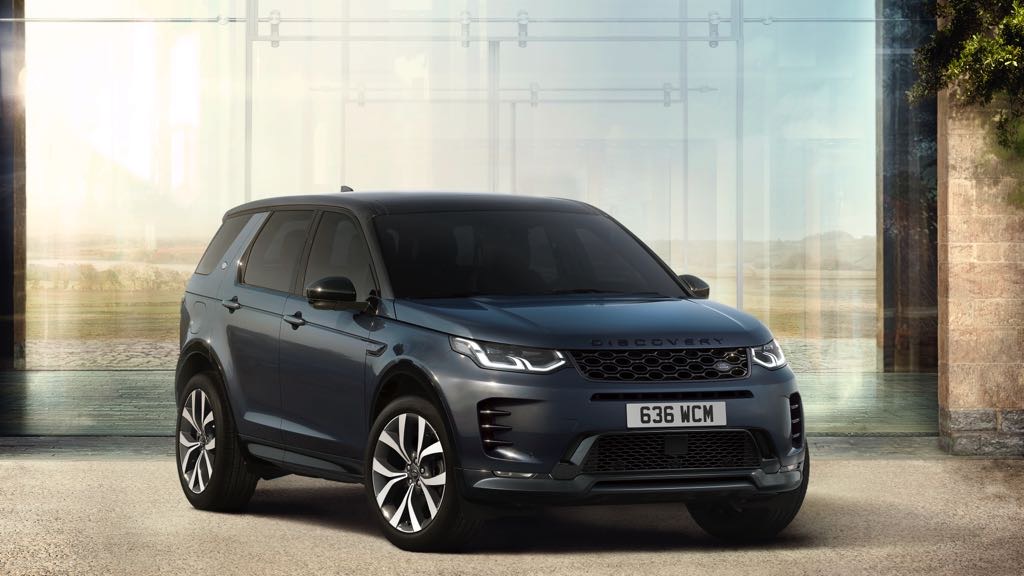
Land Rover Discovery Sport Production To End In December 2026

2024 Land Rover Discovery Sport

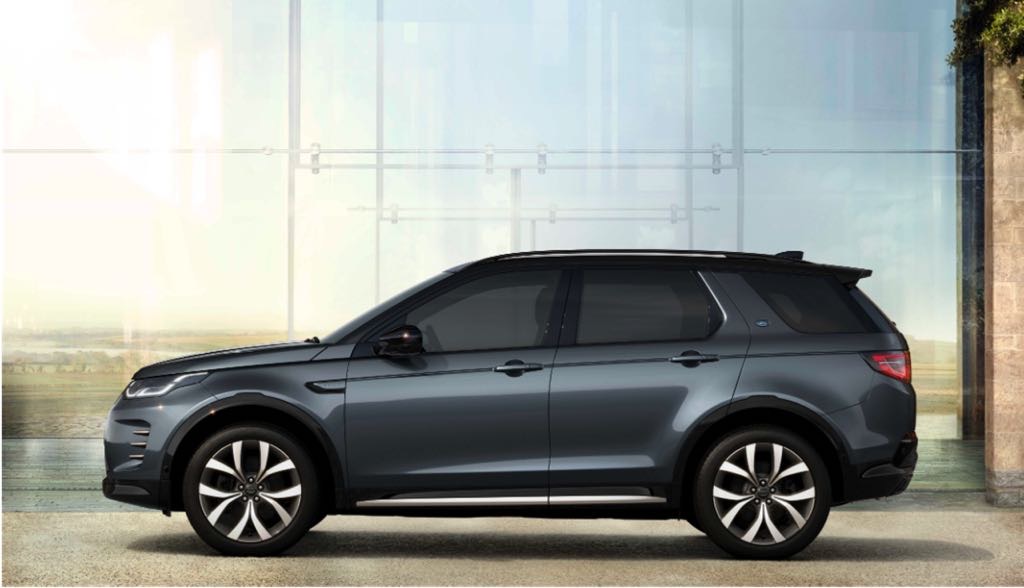
Land Rover will discontinue the Discovery Sport by the end of 2026, bringing the entry-level SUV’s production run to a close after more than a decade. Manufacturing will end in December 2026 as the model reaches the end of its lifecycle, with production already being phased out in some European markets.

The Discovery Sport, which replaced the Freelander in 2015, was once among JLR’s strongest-performing products. In its first full year on sale, the SUV recorded global sales of over 122,000 units, making it the brand’s best-selling model in 2016. However, demand has declined steadily in recent years despite receiving a mid-life update in 2020 that brought revisions to its platform and interior.

By 2025, the Discovery Sport had become JLR’s lowest-selling vehicle, with annual sales falling to less than one-tenth of the volume achieved in 2016. The larger Land Rover Discovery has also witnessed declining demand and is expected to be phased out in the coming years, although the company has not officially confirmed its timeline.

The Discovery Sport’s withdrawal from several European countries also coincides with the European Union’s latest General Safety Regulation 2 (GSR2), which requires manufacturers to equip new vehicles with additional safety technologies. Rather than updating the ageing SUV to comply with the new regulations, JLR appears to have opted to end production, a strategy similar to Porsche’s decision to discontinue the internal combustion-powered Macan in Europe.

While the Discovery Sport is heading for retirement, JLR has indicated that the closely related Range Rover Evoque will continue to remain part of the lineup. According to Range Rover managing director Martin Limpert, the company is prioritising the launch of the electric Range Rover and Range Rover Sport while continuing to support the Evoque and Velar through updates and special editions. He added that JLR cannot replace every model simultaneously and continues to see demand for both SUVs.

The end of Discovery Sport production is also expected to create additional manufacturing capacity at JLR’s Halewood facility in the UK. Reports suggest the plant will eventually produce the upcoming all-electric Range Rover GT based on the company’s new EMA platform. Although speculation points to the arrival of a Defender Sport in the near future, JLR has not announced a direct successor to the Discovery Sport.

2024 Land Rover Discovery Sport Side

Source

The post Land Rover Discovery Sport Production To End In December 2026 appeared first on MotorBeam.


from Car News | MotorBeam - Indian Car Bike News & Reviews https://www.motorbeam.com/land-rover-discovery-sport-production-end-2026/

2026 Tata Punch EV Bags 5 Stars In Bharat NCAP Crash Tests

GaadiWaadi -

2026 Tata Punch EV Bharat NCAP

2026 Tata Punch EV Bharat NCAP has secured 31.09 out of 32 in adult occupant protection and 45 out of 49 in child occupant protection tests

Tata Motors has added another five-star safety rating to its portfolio with the recently launched Punch EV facelift clearing Bharat NCAP assessments in May 2026. The micro electric SUV scored 31.09 out of 32 in adult occupant protection and 45 out of 49 in child occupant protection. The tested variants were the ADV 40 and EMP+S 40 tipping the scales at 1,613 kg each.

The crash test organisation has confirmed that the rating extends to six variants in total: SMT+40, ADV 40, EMP 40, EMP+S 40, SMT 30 and SMT+ 30. Every single one of them carries the same safety equipment onboard as standard. In the frontal offset deformable barrier test, the 2026 Punch EV returned 15.28 out of 16 points.

The side movable deformable barrier test yielded 15.80 out of 16 while the side pole impact results were marked satisfactory. These indicate structural integrity that holds up across different crash modes. Safety assist technologies are standard fitment across the range as ESC (Electronic Stability Control) compliant with UN GTR No. 8, UNECE R140 and AIS-133 is present on every variant.

Also Read: Tata Motors And Mahindra To Launch 3 New Compact SUVs Soon In India

2026-Tata-Punch-EV-Bharat-NCAP-1.jpg

So are curtain airbags for all three rows, pedestrian protection meeting AIS-100 and seat-belt reminders for the driver, front passenger and rear occupants. The front passenger also gets a manual airbag cut-off switch. For adult occupants, the driver receives a frontal airbag, belt pretensioner and belt load-limiter as standard. The front passenger gets a frontal airbag and load-limiter but not a pretensioner.

Chest-protecting side airbags are fitted for the driver and front passenger while rear passengers are covered by curtain airbags and seat-belt reminders, and ISOFIX mounts are available on the outboard second-row seats. Child occupant protection broke down into three areas. Dynamic testing using the Joie i Spin Safe i-SIZE child restraint system, mounted rearward-facing with ISOFIX and a support leg, scored the maximum 24 points.

Also Read: 6 Upcoming Tata Cars & SUVs You Should Keep An Eye On

2026 Tata Punch EV Bharat NCAP 2

The CRS installation assessment added the full 12 points. Vehicle-specific assessments contributed 9 out of 13 bringing the total to 45 out of 49. Both the 18-month-old and three-year-old dummy configurations scored perfectly in frontal and side impacts. The result places the Punch.ev among the safer mass-market electric vehicles tested under Bharat NCAP.

The post 2026 Tata Punch EV Bags 5 Stars In Bharat NCAP Crash Tests appeared first on Gaadiwaadi.com - Latest Car & Bike News by Surendhar M.


from Gaadiwaadi.com – Latest Car & Bike News https://ift.tt/OgwRY86

Mini Convertible Stardust Edition Launched At Rs. 62.90 Lakh With 204 HP

GaadiWaadi -

Mini-Convertible-Stardust-Edition-.jpg

Mini Convertible Stardust Edition uses a 2.0-litre four-cylinder turbo petrol engine which is good enough to generate 204 hp and 300 Nm

Mini India has brought in the Convertible Stardust Edition to its domestic portfolio priced at Rs. 62.90 lakh (ex-showroom). Imported as a Completely Built Unit (CBU), the special edition is available exclusively through the company’s official website while keys have already been started to be handed over to consumers.

The Mini Convertible Stardust Edition uses a 2.0-litre four-cylinder turbo petrol engine which is good enough to generate 204 hp between 5,000 rpm and 6,500 rpm and 300 Nm from 1,450 rpm to 4,500 rpm. A seven-speed Steptronic Sport dual-clutch automatic transmission channels power to the front wheels helping the convertible sprint from zero to 100 kmph in 6.9 seconds before reaching a top speed of 240 kmph.

Standard technologies comprise auto start-stop, brake energy recuperation, active cooling air ducts and electromechanical power steering. Exclusivity comes through a unique visual package developed specifically for this edition. Copper grey metallic paint dominates the exterior which is contrasted by Champagne-inspired detailing, silver mirror caps and 18-inch JCW Rallye Spoke alloy wheels finished in the same shade.

Mini-Convertible-Stardust-Edition-1.jpg

Up front, round LED headlamps feature three selectable lighting signatures while welcome and farewell animations project the Mini logo onto the ground beside the vehicle. The electrically operated fabric roof carries the signature woven Union Jack graphic – paying tribute to the brand’s British roots. It folds completely in 18 seconds at speeds of up to 30 kmph and closes in 15 seconds.

Drivers can also partially retract the roof by 40 cm transforming it into a sunroof regardless of vehicle speed. Boot capacity stands at 160 litres with the roof folded and increases to 215 litres after closing it. The interior gets a circular OLED touchscreen functioning as both the digital instrument display and infotainment interface. Running Mini Operating System 9, the system supports wireless Apple CarPlay, Android Auto, Remote Services, Remote Software Upgrades, Intelligent Emergency Call, In-Car Weather and Teleservices.

Mini-Convertible-Stardust-Edition-2.jpg

Voice commands operate through the “Hey Mini” Intelligent Personal Assistant while a compatible smartphone can be transformed into the vehicle key through the Mini App. Additional equipment comprises a Head-Up Display, Harman Kardon surround sound system, wireless smartphone charging, electrically adjustable sports seats trimmed in recycled Vescin upholstery, Active Seat function for the driver and the signature toggle bar housing key driving controls.

Mini Experience Modes alter steering characteristics, ambient lighting, graphics and sound profiles through settings such as Go-Kart, Green and Vivid. Other highlights are Cruise Control, Parking Assistant and Comfort Access, automatically locking or unlocking the vehicle once the key comes within approximately 1.5 metres.

Safety equipment comprises front airbags, side curtain airbags, ABS, Brake Assist, Cornering Brake Control, Dynamic Stability Control, rear-view camera, crash sensor, tyre pressure monitoring and tubeless tyres. Mini supplies the Convertible Stardust Edition with a two-year unlimited-kilometre warranty and two years of roadside assistance. Service packages begin at three years or 40,000 km and can be extended up to 10 years or 1,00,000 km. Warranty extension options are also available up to 10 years.

The post Mini Convertible Stardust Edition Launched At Rs. 62.90 Lakh With 204 HP appeared first on Gaadiwaadi.com - Latest Car & Bike News by Surendhar M.


from Gaadiwaadi.com – Latest Car & Bike News https://ift.tt/02BdPAx

Indian-Made EVs Are Getting Popular Abroad, Exports Surge 14 Times

GaadiWaadi -

Maruti Suzuki e Vitara 1

India exported 15,641 electric cars in the June quarter of 2026, compared to just 1,122 units during the same period last year, that is a 14x growth

Indian-made EVs are increasingly finding their way into international markets, with exports recording a massive 14-fold increase during the quarter ended June 2026. The surge has been driven primarily by Maruti Suzuki. According to recent reports, India exported 15,641 electric cars between April and June 2026, compared to just 1,122 units during the same period last year.

More than half of the 28,652 electric cars exported during the entire financial year 2025-26 were shipped in just these three months. Clearly, Indian cars are gaining popularity outside as well. The biggest contributor to this growth has been the Maruti Suzuki e-Vitara. Maruti’s first electric SUV has quickly become an important export product for the company and emerged as India’s third-most exported car during the June quarter.

The e-Vitara alone accounted for 15,210 units exported across 47 countries. The success is thanks to Maruti Suzuki’s export first philosophy for the electric SUV. The e-Vitara is manufactured in India at Maruti Suzuki’s Gujarat plant and is currently exported to multiple international markets, including countries in Europe.

Also Read: Maruti Suzuki Targeting 9 Lakh In CNG Vehicle Sales In FY2027

Maruti-Suzuki-e-Vitara-1.jpg

Citing MSIL’s success, Mahindra and Tata are also gearing up to export their electric cars to the international markets. Tata has already begun ground work to get the Tata Sierra.EV launched in the European market. Mahindra currently does not export passenger EVs but have a presence in the West through their commercial EVs. On the plus side, Mahindra already has a dealer network in some countries for their ICE SUVs.

Here’s why Mahindra and Tata should grab this opportunity with both hands. Higher production volumes can help bring down manufacturing costs, while international demand also gives manufacturers another market to sell their products in. In the case of EVs, where scale is particularly important, export volumes could help Indian carmakers improve the economics of electric vehicle production.

Also Read: 3 All-New Tata Electric Cars Worth Waiting For In India; Arriving Soon

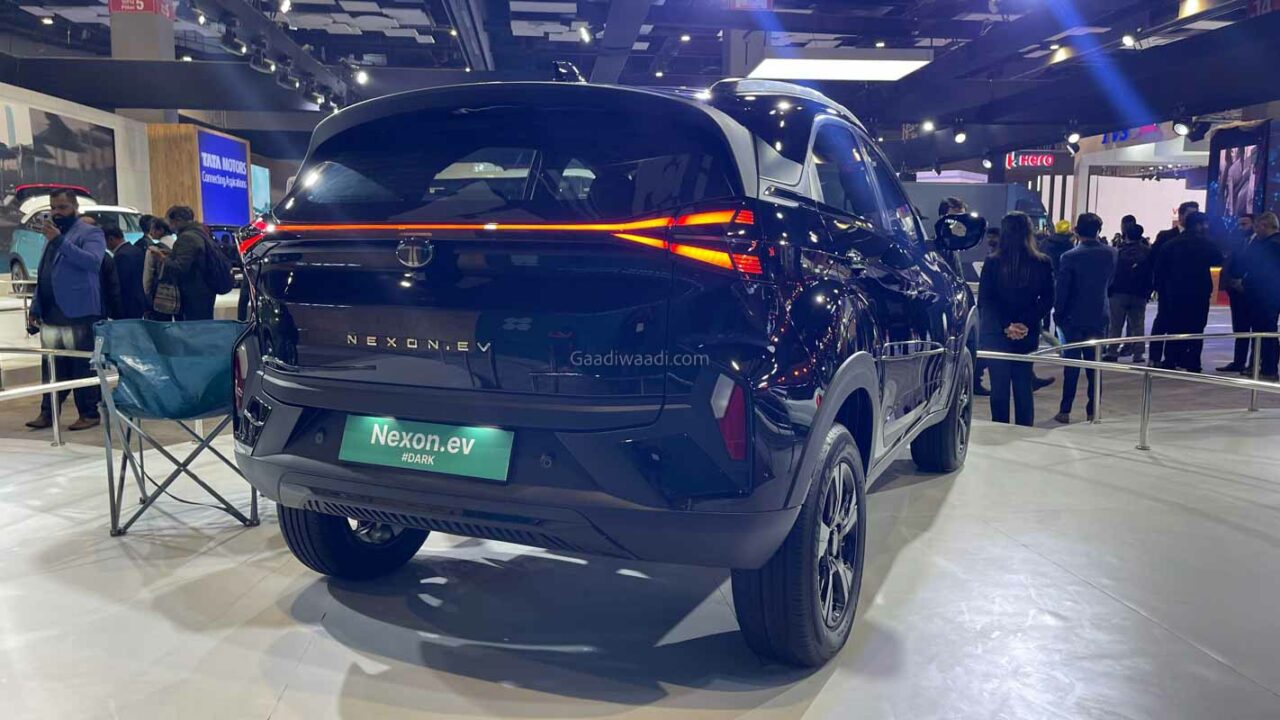
Tata Nexon EV Dark Bharat Mobility Global Expo 2024 4
Tata Nexon EV Dark Edition

This could not have happened at a better time. Rising fuel prices and growing demand for more affordable personal transportation have helped increase interest in EVs across several markets. Indian manufacturers are now in a position to offer relatively affordable electric SUVs that could appeal to buyers in international markets as well.

The post Indian-Made EVs Are Getting Popular Abroad, Exports Surge 14 Times appeared first on Gaadiwaadi.com - Latest Car & Bike News by Team GaadiWaadi.


from Gaadiwaadi.com – Latest Car & Bike News https://ift.tt/TAngRUs

Hyundai i20 Records 15 Lakh Sales in India

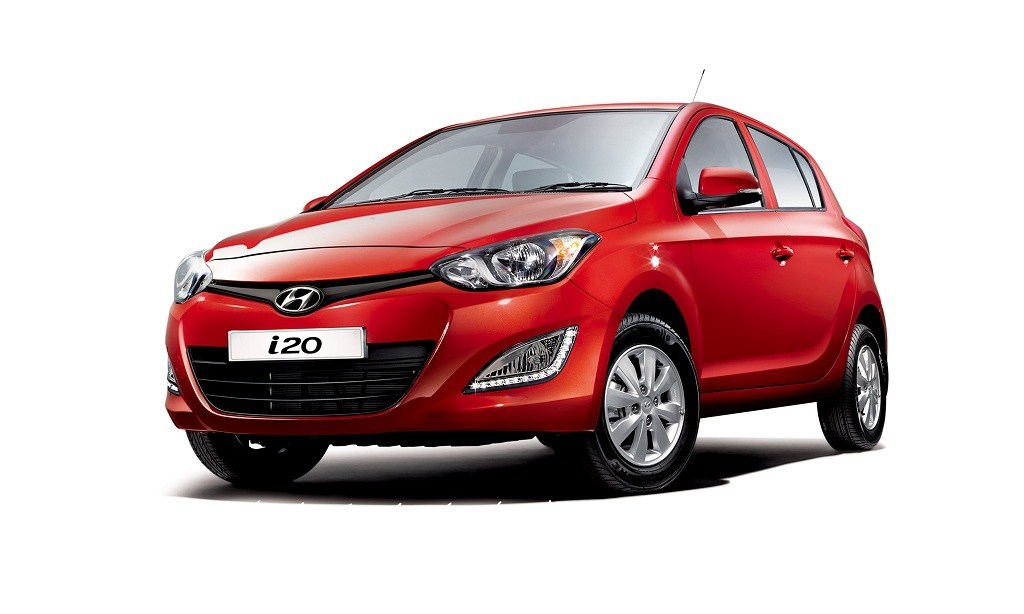
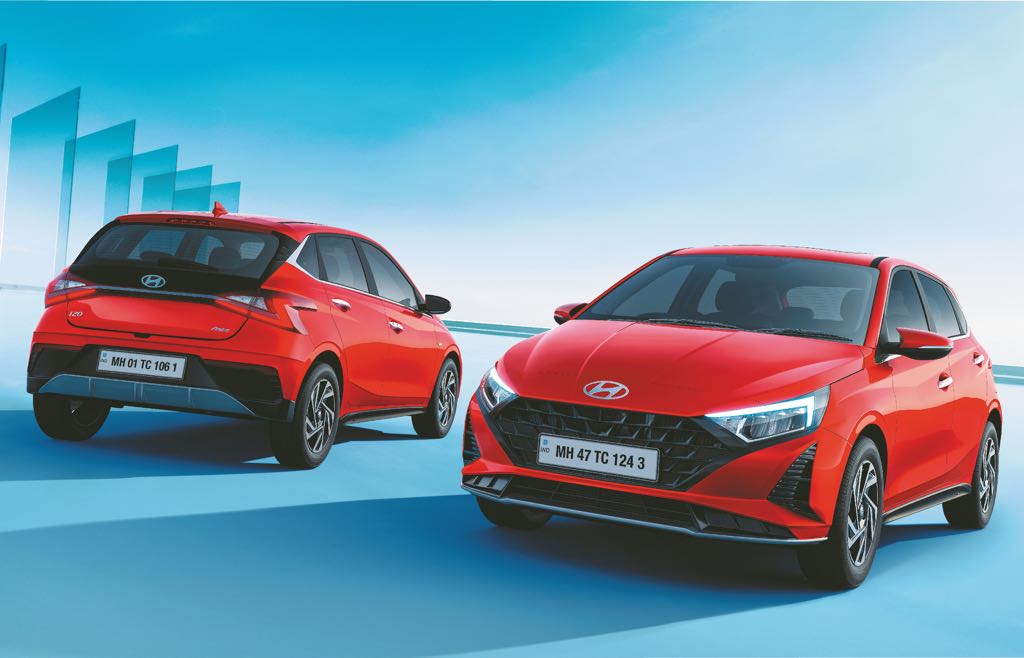
Hyundai i20

The Hyundai i20 has achieved a cumulative sales milestone of 15 lakh units in India, nearly 18 years after it made its debut in the country. Introduced in December 2008 as the successor to the Getz, the i20 has remained a key player in the premium hatchback segment through three generations.

Hyundai’s sales journey with the i20 has seen steady growth over the years. The hatchback crossed the 1 lakh sales mark in 2010, reached 5 lakh units by 2015 and doubled that figure to 10 lakh units in 2019. The latest milestone further highlights the model’s long-standing presence in the Indian market despite increasing competition from compact SUVs.

The first-generation i20 helped Hyundai establish itself in the premium hatchback space by offering features that were uncommon for the segment at the time. Depending on the variant, it came equipped with features such as automatic climate control, a sunroof, a cooled glove box and up to six airbags. Engine options included 1.2-litre and 1.4-litre petrol units along with a 1.4-litre diesel.

In 2014, Hyundai introduced the Elite i20 with a completely redesigned exterior based on its Fluidic Sculpture 2.0 design philosophy. The second-generation model offered improved cabin quality, additional equipment and continued with petrol and diesel engine options. It also went on to become the most successful iteration of the hatchback, contributing around 8 lakh units to the overall sales tally during its production run.

The current-generation i20 arrived in 2020 with sharper styling, a more feature-packed cabin and the introduction of a turbo-petrol engine for the first time in India. While the diesel variant was discontinued in 2023, the 1.0-litre turbo-petrol engine continues to be offered exclusively on the sportier i20 N Line. The standard model received a mid-life update later that year.

Today, the regular Hyundai i20 is powered by an 83 HP 1.2-litre naturally aspirated petrol engine paired with either a 5-speed manual gearbox or a CVT. Buyers looking for more performance can opt for the i20 N Line, which gets a 120 HP 1.0-litre turbo-petrol engine mated to either a 6-speed manual or a 7-speed dual-clutch automatic transmission.

The Hyundai i20 is currently priced between Rs. 6 lakhs and Rs. 10.63 lakhs (ex-showroom), while the i20 N Line is available from Rs. 9.27 lakhs to Rs. 11.74 lakhs (ex-showroom). It continues to rival the Maruti Baleno, Toyota Glanza and Tata Altroz in the premium hatchback segment.

Hyundai has already revealed the fourth-generation i20 globally earlier this year. However, there is no official word yet on whether the new model will be introduced in India.

2024 Hyundai i20 Facelift

The post Hyundai i20 Records 15 Lakh Sales in India appeared first on MotorBeam.


from Car News | MotorBeam - Indian Car Bike News & Reviews https://ift.tt/gmA2WST

Maruti Suzuki Targeting 9 Lakh In CNG Vehicle Sales In FY2027

GaadiWaadi -

2026-Maruti-Suzuki-Brezza-Facelift-2.jpg

India’s largest carmaker by volume leveraging its strength in CNG passenger and light commercial vehicles for growth in the domestic market

Maruti Suzuki is aiming to capitalise on India’s rising demand for CNG vehicles. The company has set a target to sell 9 lakh units of its CNG models in the domestic market in FY2027 (April 2026-March 2027), according to a new report from PTI.

In the recently concluded first quarter of FY2027 (April-June 2026), Maruti Suzuki sold 2.2 lakh CNG vehicles, Partho Banerjee, the company’s Senior Executive Officer – Marketing & Sales, told PTI. Compared to the first quarter of FY2026 (April 2025-March 2026), the company saw a 58% jump in demand. It expects to continue seeing growth in CNG vehicle sales during the rest of the current fiscal.

In FY2026 (April 2025-March 2026), Maruti Suzuki recorded sales of over 7 lakh CNG vehicles. Reaching 9 lakh units in CNG vehicle sales this fiscal would mark a year-on-year growth of 28.5%. Unlike a few years ago, CNG vehicle demand is no longer limited to hatchbacks and vans. Customers are increasingly choosing CNG engines even in SUVs.

Also Read: 4 All-New Maruti Suzuki Cars Arriving Within The Next 12-18 Months

Maruti Dzire CNG
Maruti Dzire CNG

In the case of the Maruti Victoris, for instance, more than 50% of the sales come from the CNG variant. The high consumer acceptance can be attributed to a significant extent to the model’s segment-first underbody CNG fuel tank design, which leads to much less compromise in boot space. Seeing the strong response, Maruti Suzuki recently adopted this design for the fuel tank of the Brezza with its facelift.

Maruti Suzuki has India’s widest line-up of CNG passenger vehicles, and it offers CNG commercial vehicles as well. The company offers a total of 15 CNG models across its vehicle line-up. Last month, 42% of the total vehicles Maruti Suzuki sold in the domestic market came from CNG models.

Also Read: 2026 Maruti Brezza Price Starts At Rs. 7.40 Lakh; Variant-Wise Price List And Features

Maruti Grand Vitara (4)

At Arena dealerships, Maruti Suzuki CNG range starts at Rs. 4,61,900 (ex-showroom) for the base S-Presso and goes up to Rs. 14,72,300 (ex-showroom) for the top-end Victoris. At Nexa, the CNG range starts at Rs. 7,77,400 (ex-showroom) for the base Baleno and goes up to Rs. 14,75,400 (ex-showroom) for the top-end Grand Vitara. At the commercial showrooms, the CNG line-up begins at Rs. 4,81,900 (ex-showroom) for the Tour H1 (Alto) and tops out at Rs. 10,83,400 (ex-showroom) for the Tour M (Ertiga).

The post Maruti Suzuki Targeting 9 Lakh In CNG Vehicle Sales In FY2027 appeared first on Gaadiwaadi.com - Latest Car & Bike News by Team GaadiWaadi.


from Gaadiwaadi.com – Latest Car & Bike News https://ift.tt/9zZfRk0

3 All-New Tata Electric Cars Worth Waiting For In India – Arriving Soon

GaadiWaadi -

Tata Safari EV Rendering

Tata looks to be working on the flagship Avinya, a three-row Safari EV and a family-based electric MPV which are expected within the next couple of years

Tata Motors already commands the country’s largest electric PV portfolio but the company is far from finished. With the Sierra EV recently joining the lineup accompanying the Tiago EV, Punch EV, Nexon EV, Curvv EV and Harrier EV, attention is now moving towards the next batch of zero-emission models. The upcoming pipeline points towards larger, more premium and family-based products.

Among them, the Avinya will be Tata Motors’ most ambitious vehicle to date. Initially previewed as a futuristic concept, the production model has undergone significant technical revisions during development. Instead of utilising the previously planned JLR EMA-derived architecture, the production-spec Avinya is now expected to use the Chery-JLR Freelander EV platform.

It is expected to provide greater flexibility for multiple body styles and future derivatives. Production is widely expected to commence around the middle of 2027. Tata Motors is also preparing an exclusive retail network for Avinya models – separating the premium electric range from its conventional dealerships. Reports indicate that a sportback could become the first production model.

Also Read: Tata Motors And Mahindra To Launch 3 New Compact SUVs Soon In India

Tata Sumo Rendering (1)

Another product attracting considerable attention is the Safari EV. Sharing its electric architecture with the Harrier EV, the three-row SUV is expected to enter the market within the next 12 to 18 months. The familiar Safari styling will remain largely intact while the battery pack, electric motors and other underpinnings are expected to be closely related to the Harrier EV.

The homegrown brand is also believed to be evaluating an all-new seven-seat electric MPV. While the company has not officially acknowledged the project yet, demand for practical family electric vehicles is steadily increasing and the segment is expected to witness multiple new entrants over the next few years. If approved for production, the MPV could compete with Maruti Suzuki’s upcoming YMC, its Toyota sibling and the Kia Carens Clavis EV.

Also Read: Tata Sierra EV Detailed 100-0% Range Test On A 1000 Km Journey

New Tata Cars (1)

The company’s future roadmap also hints at additional battery-electric products in addition to those already identified. Tata Motors’ latest investor presentation showcased two undisclosed silhouettes without revealing product names or technical details. One is widely expected to become another member of the Avinya family while the second could evolve into either an SUV or a people mover.

The post 3 All-New Tata Electric Cars Worth Waiting For In India – Arriving Soon appeared first on Gaadiwaadi.com - Latest Car & Bike News by Surendhar M.


from Gaadiwaadi.com – Latest Car & Bike News https://ift.tt/h8tpN9r

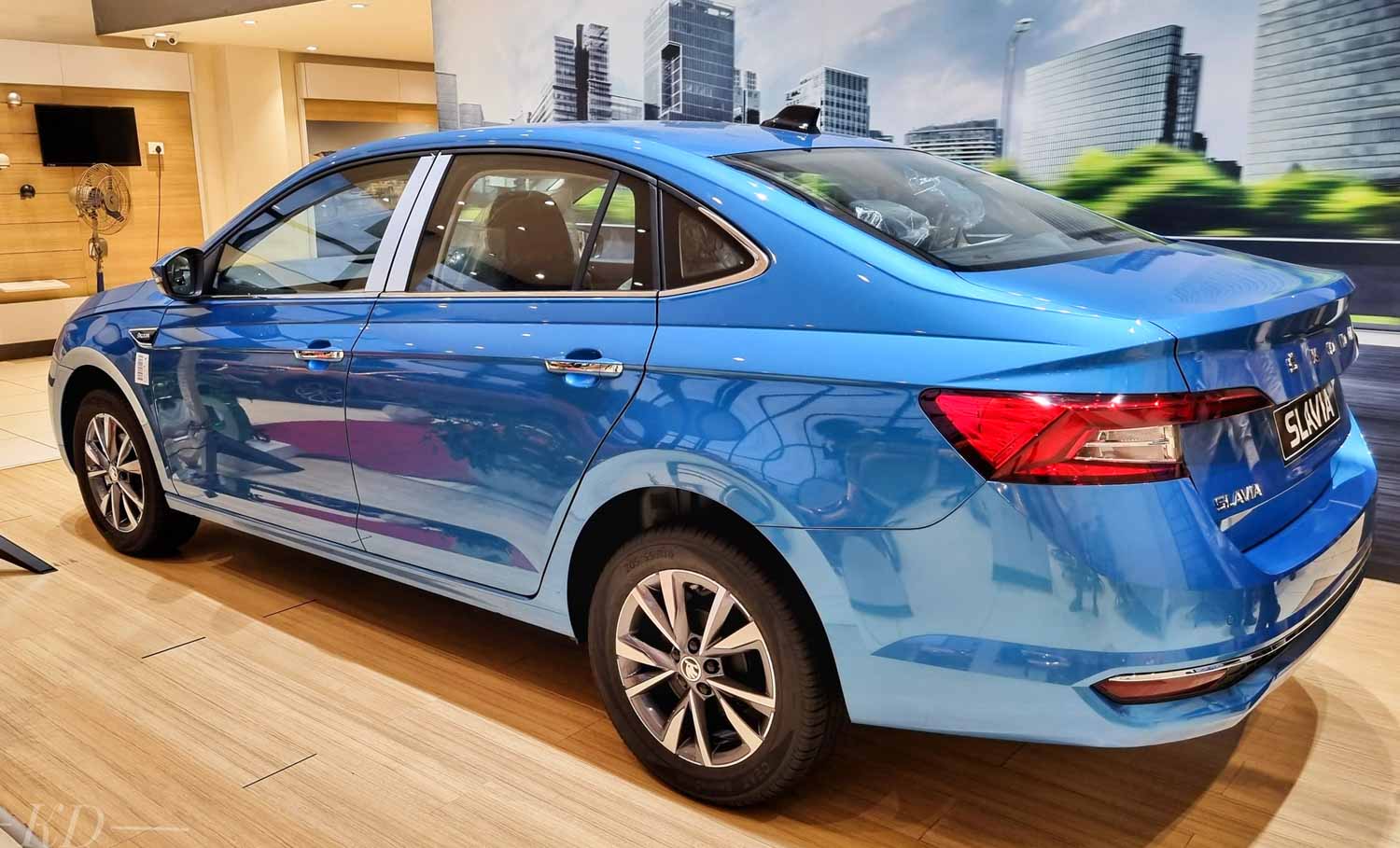
Skoda Slavia Facelift To Officially Launch On August 18 – All Key Details

GaadiWaadi -

skoda slavia-4

Skoda Slavia Facelift will get a host of exterior and interior revisions while the familiar 1.0L and 1.5L turbo petrol mills will continue

The first comprehensive update for the Skoda Slavia is almost here and the changes extend well beyond cosmetic revisions. Scheduled to make its official debut on August 18, the facelift introduces a new automatic transmission for the 1.0-litre turbo petrol engine, additional features inside the cabin and a series of styling revisions identified through recent test mules. Collectively, the updates represent the biggest overhaul for the sedan since it entered the Indian market in early 2022.

Among the mechanical revisions, the replacement of the existing six-speed torque converter automatic stands out as the most significant development. The 1.0-litre TSI engine is expected to adopt the newer eight-speed automatic transmission already introduced on the facelifted Kushaq. Apart from offering two additional gear ratios, the transmission is expected to deliver smoother acceleration while lowering engine speeds during highway cruising.

The 1.5-litre TSI, meanwhile, will retain the seven-speed DSG automatic with no revisions to the engine’s 150 PS and 250 Nm output. The smaller turbo unit will continue producing 115 PS and 178 Nm. Attention inside the cabin appears to have centred on technology rather than design. Spy photographs indicate that the dashboard has largely been retained.

Skoda slavia facelift
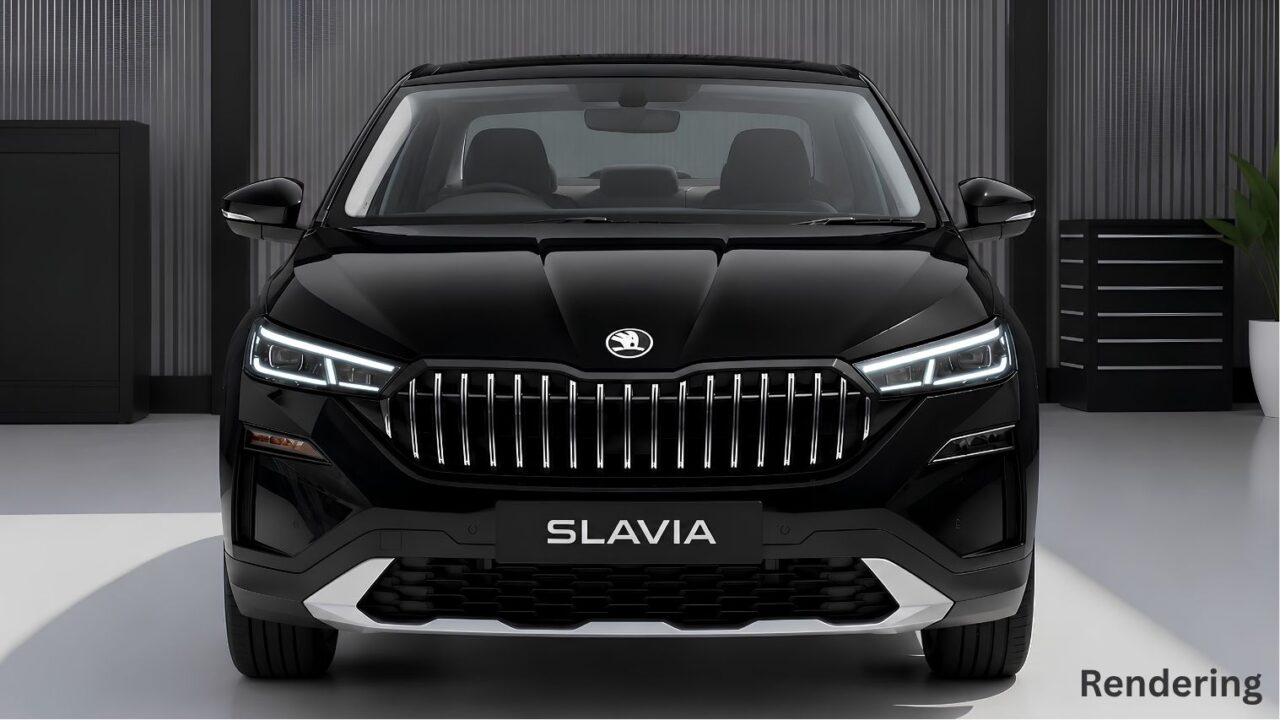
Skoda Slavia Facelift Rendering

Instead, the company appears to have concentrated on equipment upgrades. A larger fully digital instrument cluster similar to the display offered on the updated Kushaq is expected to replace the existing unit while revised upholstery, front parking sensors and a rear seat massage function are also likely to join the list on top-end variants.

The 10.25-inch infotainment touchscreen, wireless charging, single-pane sunroof, automatic climate control with rear AC vents, eight-speaker sound system, six airbags and tyre pressure monitoring system are all expected to be part of the package. The latest test mule also reveals many exterior revisions despite extensive camouflage.

2026-skoda-slavia-facelift-spied.-1.jpg
image source: cinewheelz/instagram

At the front, the headlamp housings appear noticeably slimmer with revised LED lighting elements. The grille looks slightly taller and wider than the current unit and is expected to feature illuminated detailing inspired by the facelifted Kushaq. The lower bumper has been completely reshaped with a wider central air intake and more sculpted outer sections than before.

The vertical recesses positioned at either end of the bumper show a redesigned fog lamp arrangement. The rear receives a similar treatment with the tail lamps appear to feature revised LED graphics and updated internal detailing. The rear bumper also looks a lot cleaner. The facelifted Slavia is expected to command a small premium over the current car.

The post Skoda Slavia Facelift To Officially Launch On August 18 – All Key Details appeared first on Gaadiwaadi.com - Latest Car & Bike News by Surendhar M.


from Gaadiwaadi.com – Latest Car & Bike News https://ift.tt/7HL6QuU

TVS Apache RR 200 Mini GP Bike Debuts With 20+ PS & 110 Kmph Top Speed

GaadiWaadi -

TVS Apache RR 200 Mini GP Bike Junior Racing Programme 1

TVS Racing has launched the Apache Junior Programme with a purpose-built Mini GP motorcycle which creates a structured pathway for riders aged 10 to 14 to enter competitive racing

TVS Racing has introduced its grassroots motorsport programme with the debut of the Apache Junior Programme – a new initiative designed to identify and train young racing talent in India. Alongside the programme, the company has also unveiled the Apache RR 200 Mini GP which is a purpose-built race motorcycle developed exclusively for circuit training.

The motorcycle will be ridden by participants aged between 10 and 14 years under professional supervision at the Madras International Karting Arena (MIKA) operated by the Madras Motor Sports Club (MMSC). To kickstart it, TVS Racing has handed over 10 Apache RR 200 Mini GP motorcycles to MMSC. Young riders enrolled in the programme will receive structured coaching from experienced instructors and TVS Racing riders.

They will cover riding techniques, braking, cornering, racing lines, motorcycle control and track safety. The motorcycles will also be available on rent enabling participants to undergo training without purchasing a dedicated race machine. The programme also establishes a defined progression ladder into competitive racing as riders completing the series will become eligible to enter the TVS One Make Championship Rookie category from the age of 15.

TVS Apache RR 200 Mini GP Bike Junior Racing Programme 4

Successful competitors can then graduate to the RR 310 Expert category before progressing towards higher levels of motorcycle racing through TVS Racing’s development programme. The Apache RR 200 Mini GP bike has been developed specifically for circuit racing with a lightweight aerodynamic bodywork to reduce drag while improving stability at higher speeds.

A CNC billet-machined aluminium triple clamp increases front end rigidity and steering precision while the prototype aluminium fuel tank with a fibre cover concentrates mass closer to the centre of the motorcycle – aiding it change direction more quickly through successive corners. Power comes from a race-tuned version of the RTR 200 4V single-cylinder engine.

TVS-Apache-RR-200-Mini-GP-Bike-Junior-Racing-Programme.jpg

The 197.75 cc motor features a 66.0 mm bore and a 57.8 mm stroke while a programmable TCI ignition system manages combustion. Fuel is supplied through a 30 mm semi-flat slide carburettor coupled with a conical air filter and a race-spec free-flow exhaust has been developed to complement the engine. TVS claims the motorcycle develops 23 PS at 9,500 rpm and 20.1 Nm at 6,500 rpm enabling a top speed of 110 kmph.

The rolling chassis has also been extensively reworked for dedicated circuit riding. It employs a modified RTR 200 4V frame combined with a shorter swingarm intended to deliver quicker steering responses. The motorcycle measures a 1,180 mm wheelbase while the 690 mm seat height allows younger riders to plant their feet more confidently during training sessions.

TVS Apache RR 200 Mini GP Bike Junior Racing Programme 3

Weighing only 90 kg, the Mini GP motorcycle should prove easier to control under braking, during rapid direction changes and while negotiating tighter corners. Steering geometry comprises a 23.5-degree rake angle and 64 mm of trail. Suspension is fully adjustable at both ends as the front receives 35 mm upside-down forks with rebound, compression and preload adjustment offering 100 mm of wheel travel.

At the rear, the race-spec monoshock also provides rebound, compression and preload adjustment with 90 mm of travel. Braking duties are handled by a 220 mm front disc and a 180 mm rear disc. The motorcycle rides on lightweight 12-inch wheels measuring 2.75 inches wide at the front and 3.50 inches at the rear. Grip comes from Eurogrip BEE race-compound tyres sized 110/70-12 at the front and 120/80-12 at the rear.

The post TVS Apache RR 200 Mini GP Bike Debuts With 20+ PS & 110 Kmph Top Speed appeared first on Gaadiwaadi.com - Latest Car & Bike News by Surendhar M.


from Gaadiwaadi.com – Latest Car & Bike News https://ift.tt/gGpFT38

Honda CB 500 Retro Roadster To Rival RE & Triumph Bikes, Launch Soon

GaadiWaadi -

honda cb 500 2

India-made retro motorcycle, Honda CB 500, receives a new 501 cc engine, three variants and classic styling; to launch in the coming months

Honda has taken the wraps off the all-new CB500 – a retro-styled roadster that is set to become the flagship model in the brand’s CB lineup for India. The motorcycle has been developed and will be manufactured locally with prices and booking details expected to be announced in the coming months. Once launched, it will compete against the Royal Enfield Guerrilla 450, Triumph Speed T4 and the rest of Triumph’s 400 cc family.

The CB500 gets a traditional roadster silhouette with a round LED headlamp, teardrop-shaped fuel tank, wide handlebar and a long single-piece seat. The side profile is clean and uncluttered while brushed metal finishes, fork gaiters, wire-spoke wheels and twin rear shock absorbers contribute to its old-school character. The upswept exhaust, sculpted side panels and compact tail section give a modern touch without moving away from the motorcycle’s classic theme.

The display motorcycle shown by Honda rides on tubeless cross-spoke wheels but the CB500 will also be offered with alloy wheels. Buyers will have three choices comprising Alloy, Spoke Tubeless and Spoke Tubeless with Graphics. A 19-inch front wheel and a 17-inch rear wheel are standard across the range – wrapped in Maxxis tyres measuring 100/90-19 at the front and 150/70-17 at the rear.

Also Read: TVS Closes Gap To Honda In Scooter Sales Thanks To iQube & Orbiter

honda-cb-500.jpg

Power comes from an all-new 501 cc air/oil-cooled single-cylinder engine producing 27.76 bhp and 43.3 Nm. Honda has paired the engine with a five-speed gearbox and an assist and slipper clutch. As opposed to many rivals that pursue higher peak output, the CB500 is expected to focus on accessible low- and mid-range torque – complementing its relaxed retro-roadster character.

Equipment levels are competitive for the segment. The motorcycle is equipped with Honda RoadSync smartphone connectivity, an analogue-digital instrument cluster, all-LED lighting, Honda Selectable Torque Control (HSTC), disc brakes at both ends and a dual-channel ABS system. The CB500 will enter a segment that has expanded rapidly over the past few years.

Also Read: Honda’s First Electric SUV For India To Launch Next Year – Here’s What To Expect

honda cb 500 1

The Triumph Speed T4 and Speed 400 place greater emphasis on outright performance and lighter weight while the Royal Enfield Guerrilla 450 provides stronger output from its Sherpa engine with a more road-based setup. Honda’s approach is noticeably different – placing more weight on classic proportions, relaxed riding manners and a torquey single-cylinder engine. That distinct character could help it carve out its own place in the segment.

Pricing will ultimately determine how competitive the CB500 becomes. If Honda positions it aggressively against the Triumph 400 range and Royal Enfield Guerrilla 450, the locally manufactured retro roadster could emerge as a compelling option – topped off by the reliability and smoothness the brand is traditionally renowned for.

The post Honda CB 500 Retro Roadster To Rival RE & Triumph Bikes, Launch Soon appeared first on Gaadiwaadi.com - Latest Car & Bike News by Surendhar M.


from Gaadiwaadi.com – Latest Car & Bike News https://ift.tt/XkjsOun

2027 Toyota Innova Hycross Spied Again – Big Updates Inside & Out

GaadiWaadi -

2027-Toyota-Innova-Hycross-Spied-Again.jpg

2027 Toyota Innova Hycross facelift is expected to go on sale early next year with cosmetic and feature additions but the same powertrains could be carried over

A set of new spy shots of the 2027 Toyota Innova Hycross facelift from Tamil Nadu has come up on the internet giving us plenty to ponder on. Alongside a noticeably revised exterior, the test mule reveals what appears to be a larger infotainment display inside the cabin – pointing towards a notable tech upgrade when the refreshed model arrives in India early next year.

Although heavily camouflaged, the front end displays noticeable revisions. The headlamps appear sleeker than those on the current Innova Hycross and seem to house new projector units while a trim element running between them creates the impression of a wider front fascia. The grille also appears larger and gets what looks like a honeycomb-style mesh pattern.

Another change is the redesigned front bumper which may accommodate pixel-inspired LED fog lamps positioned considerably higher than before enabling the MPV a more upright appearance. Unlike the front, the profile remains largely unchanged. The overall silhouette, greenhouse and body panels appear identical to the current model.

2027-Toyota-Innova-Hycross-Spied-Again-1.jpg
Image Source: navirusithan/instagram

The alloy wheels also resemble the existing design while the pronounced wheel arch cladding and roof rails continue unchanged. The rear receives subtler updates. The taillamps appear to feature revised LED lighting elements and seem to be visually connected through a black trim strip extending across the tailgate. While the rear bumper retains a familiar shape, the updated lighting graphics may lend the facelift a refreshed stance at night.

The roof-mounted spoiler, shark-fin antenna and rear wiper will also continue to be offered. The biggest talking point, however, lies inside the cabin. Spy images reveal what appears to be a larger free-standing touchscreen infotainment system with slimmer bezels than the existing unit. The dashboard architecture itself looks largely unchanged and the digital instrument cluster may feature a revised display which could introduce additional vehicle information and updated graphics.

Toyota-Innova-Hycross-Facelift-Spied-2.jpg
Image Source: habeeb_payyoly

Based on the visible changes and Toyota’s recent product direction, the facelift is also expected to receive an improved connected car package, additional safety equipment and a more comprehensive Level 2 ADAS suite. Toyota is unlikely to alter the mechanical package as the 2.0-litre naturally aspirated petrol engine producing 173 hp with a CVT automatic transmission alongside the 2.0-litre strong hybrid powertrain that develops a combined 184 hp, paired with an e-CVT auto, could carry over.

The post 2027 Toyota Innova Hycross Spied Again – Big Updates Inside & Out appeared first on Gaadiwaadi.com - Latest Car & Bike News by Surendhar M.


from Gaadiwaadi.com – Latest Car & Bike News https://ift.tt/xlhQBpK