New Hyundai Elantra Debuts With Fresh Design, New Tech

2026 Hyundai Elantra

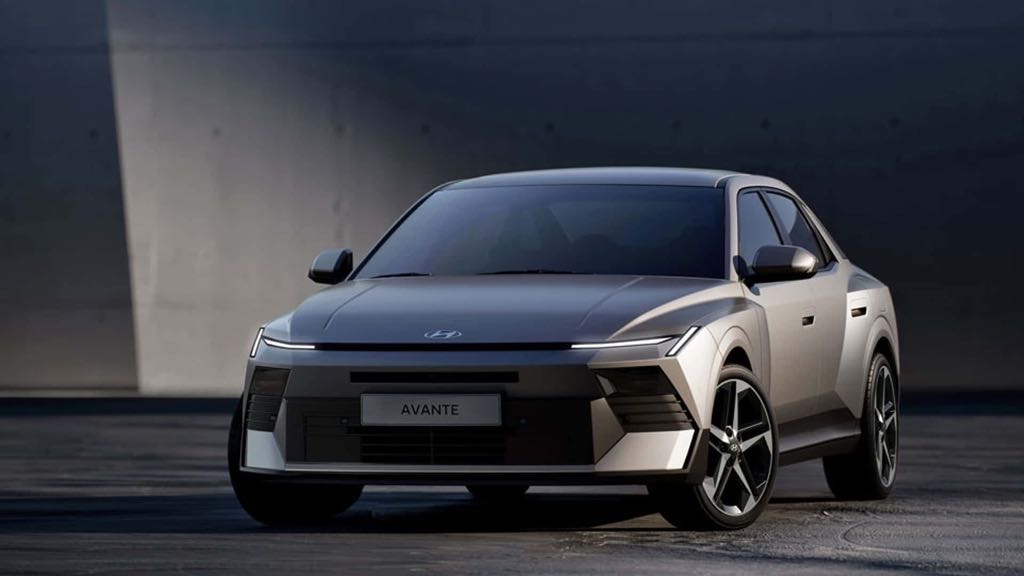
Hyundai has unveiled the eighth-generation Elantra, sold as the Avante in its home market, at the 2026 Busan Auto Show. Arriving a little over six years after the launch of the outgoing CN7-generation model, the latest sedan receives a comprehensive redesign, a larger footprint, updated technology and an improved hybrid powertrain.

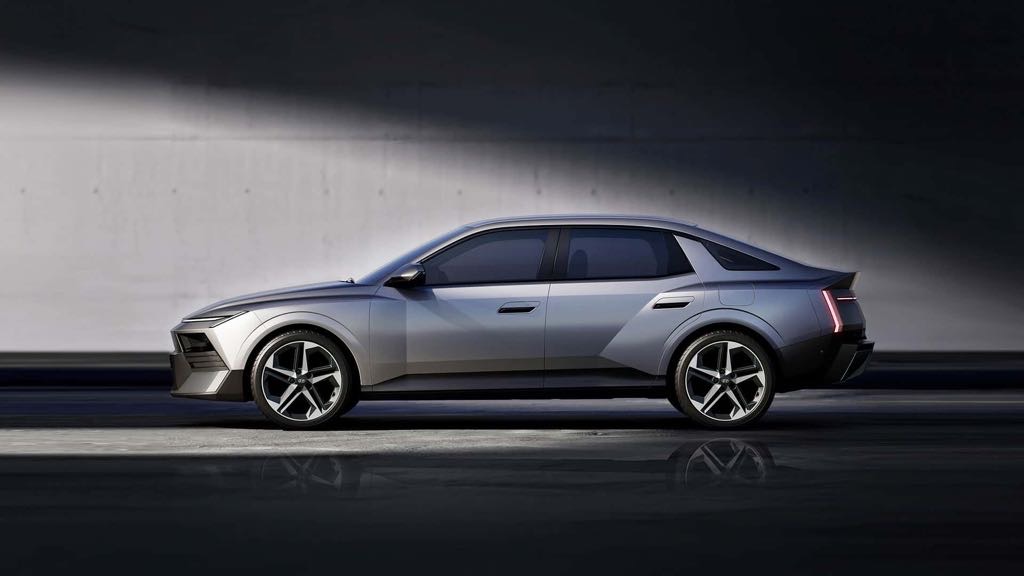
The new Elantra adopts Hyundai’s latest ‘Art of Steel’ design philosophy, giving the sedan a noticeably more angular appearance than before. Compared to its predecessor, it is 55 mm longer, 30 mm wider and features a wheelbase extended by 30 mm, measuring 4765 mm in length, 1855 mm in width, 1425 mm in height and 2750 mm between the axles.

At the front, the sedan gets a split-headlamp arrangement with T-shaped daytime running lights positioned above the main LED headlamp units. The front bumper features multiple blacked-out elements along with slim upper air intakes and a larger lower opening.

From the side, pronounced character lines, flared wheel arches, newly designed 18-inch dual-tone alloy wheels and flush-style door handles contribute to a more aggressive profile. Hyundai has also introduced an additional rear quarter glass to visually reduce the thickness of the rear pillars.

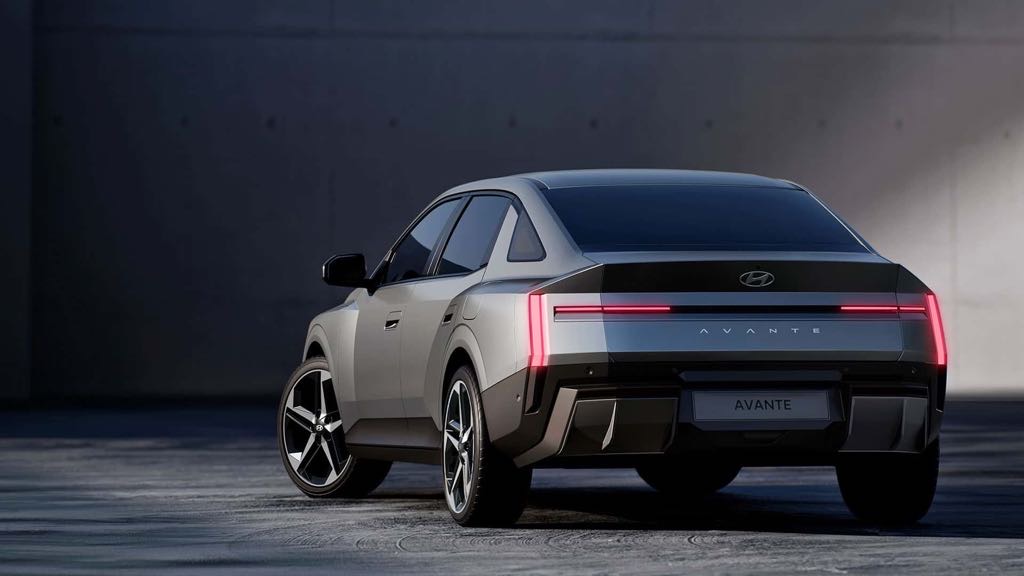
The rear section has been completely redesigned with T-shaped LED tail lamps, an integrated lip spoiler, a prominent Hyundai wordmark and a sporty bumper finished with diffuser-inspired detailing.

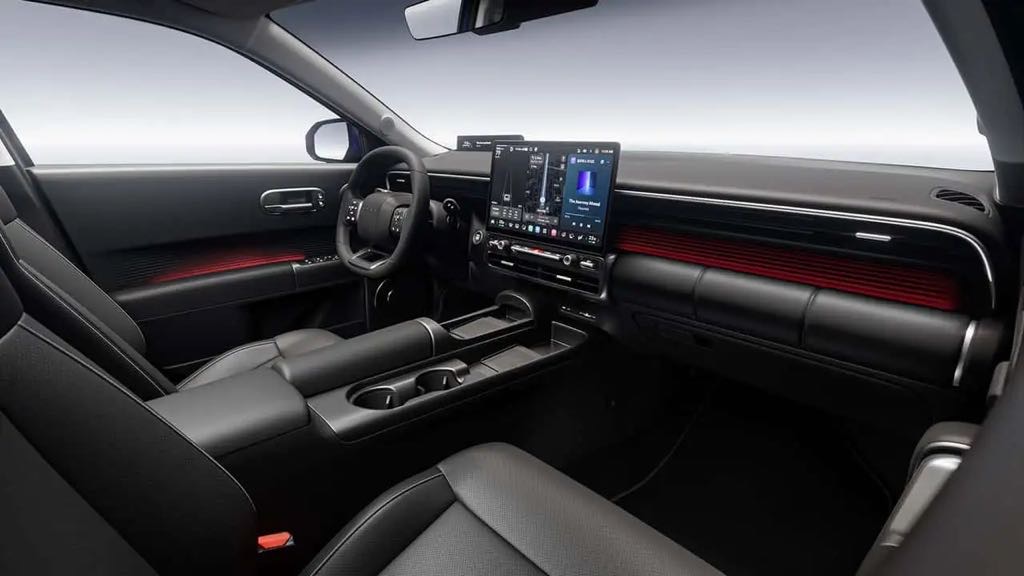
The interior has been significantly updated with Hyundai’s latest Pleos Connect interface. The dashboard is dominated by a 14.6-inch infotainment touchscreen paired with a slim digital instrument display. The passenger-side grab handle seen on the previous model has been removed, giving the cabin a cleaner layout.

Hyundai has retained physical controls for frequently used functions, including climate settings and media controls, alongside a new flat-bottom steering wheel featuring the brand’s four-dot motif. Other additions include ambient lighting, dual wireless charging pads and multiple storage compartments.

The eighth-generation Elantra comes equipped with a Bang & Olufsen audio system, built-in dashcam, over-the-air software updates, Digital Key functionality, 100W USB charging ports, powered front seats with memory function, dual-zone climate control, electronic parking brake with auto hold, 360-degree camera, automatic parking assist and an Advanced Driver Assistance Systems (ADAS) package.

Hyundai has also introduced two new safety technologies. Navigation-based Smart Cruise Control 2 can automatically adjust the vehicle’s speed in situations such as speed-restricted zones and intersections, while Pedal Misuse Safety Assist is designed to intervene if the driver accidentally presses the accelerator instead of the brake.

Powertrain options remain familiar. The naturally aspirated 2.0-litre petrol engine continues to produce 149 HP and is paired with a CVT automatic transmission.

The 1.6-litre hybrid, however, has been upgraded to produce 157 HP, representing an increase of 16 HP over the previous version. Hyundai says the hybrid also benefits from an improved transmission, electric motor and battery.

Additional efficiency-focused technologies include a smart regenerative braking system that adjusts regeneration levels based on navigation and traffic conditions, along with a predictive hybrid control system that manages battery usage according to the planned route.

The hybrid model also gains a new Stay Mode, allowing occupants to operate features such as climate control and infotainment for a limited period without the petrol engine running.

While Hyundai has retained the Elantra’s existing powertrain lineup, the latest generation focuses on design, technology and efficiency improvements, positioning it as a more feature-rich successor to the outgoing model.
2026 Hyundai Elantra Interior

2026 Hyundai Elantra Side

2026 Hyundai Elantra Rear

The post New Hyundai Elantra Debuts With Fresh Design, New Tech appeared first on MotorBeam.


from Car News | MotorBeam - Indian Car Bike News & Reviews https://ift.tt/xFCD14v

Delhi EV Policy 2026 – Incentives Up To Rs. 1 lakh, ICE 2W Ban & More

GaadiWaadi -

Mahindra XEV 9S 4

Delhi EV Policy 2026 proposes purchase incentives of up to Rs. 1 lakh, complete tax exemption, charging expansion and a phased shift away from petrol, diesel and CNG vehicles

Delhi has outlined one of India’s aggressive electric mobility plans through its new EV Policy 2026. The proposal aims for electric vehicles to account for 95 per cent of all new registrations as early as next year and also lays down timelines that would gradually end new registrations of several internal combustion engine vehicle categories over the next two years.

Among the biggest regulatory changes is the proposal to discontinue new CNG auto rickshaw registrations from January 2027. Existing diesel and CNG auto permits will also be phased out in stages. The policy goes a step further from April 2028 by proposing that new registrations of petrol, diesel and CNG-powered two-wheelers should stop altogether – leaving electric models as the only option for new registrations in the segment.

Financial incentives continue to play a key part in the proposal. Zero-emission cars will qualify for an incentive of Rs. 10,000 per kWh – subject to a maximum benefit of Rs. 1 lakh. Electric two-wheelers, on the other hand, will receive Rs. 5,000 per kWh up to Rs. 30,000 while electric three-wheelers will be eligible for Rs. 10,000 per kWh with a ceiling of Rs. 45,000.

Bajaj-Chetak-3001-1.jpg

Vehicle owners replacing older internal combustion engine models with electric vehicles have also been included in the proposal. The scrappage package offers incentives reaching Rs. 1 lakh based on the vehicle category – reducing the overall purchase cost for eligible customers switching to electric cars and it could prove to be attractive for many.

Apart from purchase incentives, the Delhi government has proposed a complete waiver of road tax and registration charges for electric vehicles. Removing both charges substantially lowers the on-road price and adds another financial benefit over conventional petrol, diesel and CNG-powered vehicles as part of promoting the use of EVs to bring down alarming pollution levels.

BMW-Group-India-Charging-1.jpg

Delhi intends to expand its public charging network as well and develop additional fast charging corridors and battery-swapping stations to stimulate buyers while encouraging charging facilities across residential and commercial developments to accommodate the expected rise in electric vehicle numbers to form an entire ecosystem.

Government departments and public agencies will progressively induct electric vehicles into their fleets while battery collection, recycling and end-of-life management have also been incorporated to address the entire ownership cycle instead of vehicle sales alone. Delhi estimates the policy could attract investments of around Rs. 15,000 crore across the electric mobility ecosystem.

Charging infrastructure, vehicle manufacturing, battery services, recycling facilities and associated industries are all expected to benefit if the proposal moves ahead as planned. If implemented in its current form, the Delhi EV Policy 2026 could reshape one of India’s largest automotive markets over the next few years.

The post Delhi EV Policy 2026 – Incentives Up To Rs. 1 lakh, ICE 2W Ban & More appeared first on Gaadiwaadi.com - Latest Car & Bike News by Surendhar M.


from Gaadiwaadi.com – Latest Car & Bike News https://ift.tt/tw1ZBU5

Mahindra Vision SXT Design Patented – Baby Scorpio N Based Off-Road SUV?

GaadiWaadi -

Mahindra Vision SXT 1

Mahindra Vision SXT was one of the four concepts showcased in August 2025 alongside the modular NU_IQ monocoque platform

The Vision S has been undergoing road tests for several months and now, the design patent images have surfaced online for the Vision SXT – raising the possibility that Mahindra could be preparing a second model on the same platform giving more importance to off-road character. The possibility remains speculative for now as the company has not confirmed production plans and design patents often never progress beyond the filing stage.

The patent drawings retain almost every signature element seen on the Vision SXT concept. Up front sits an upright fascia with a rectangular grille carrying multiple vertical inserts, sleek headlamp units positioned high on the corners and vertically stacked lighting elements below them. The front bumper is heavily sculpted and incorporates a sizeable skid plate while the flat bonnet and short front overhang suggest an SUV designed with off-road geometry in mind.

Its profile is equally distinctive as the Vision SXT features squared wheel arches housing large all-terrain tyres, a near-flat roofline, upright pillars and generous ground clearance. Thick tubular protection bars run along the lower portion of the body doubling as rock sliders and visual highlights. The patent also shows production-spec door mirrors, pull-type door handles, integrated roof rails and sturdy side steps.

mahindra-vision-sxt-design-patent-india.jpg

The concept displayed two externally mounted spare wheels but the patent replaces them with a single rear-mounted spare tyre. The tailgate, rear bumper and lighting have also been simplified compared to the show piece. If Mahindra eventually decides to build the Vision SXT, it could sit just above the Vision S – potentially making way for another off-roader.

The Vision S may serve as the mainstream SUV from the NU_IQ family while the Vision SXT could target enthusiasts looking for a more purpose-built off-road machine. Both concepts were introduced during Mahindra’s Freedom_NU showcase where the company revealed the Vision S, Vision T, Vision X and Vision SXT. All four are based on the modular NU_IQ architecture.

mahindra-vision-sxt-design-patent-india-1.jpg

It has been developed to accommodate petrol, diesel and electric powertrains, multiple wheelbase options, front-wheel drive, rear-wheel drive and all-wheel-drive configurations. The flexible platform has also been developed for both domestic and international markets. As for Vision SXT, four-wheel drive would appear to be a natural fit given the vehicle’s proportions, body protection and off-road styling cues shown in both the concept and the patent.

Should Mahindra eventually approve the Vision SXT for production, it could add another dedicated off-roader to its expanding SUV portfolio. Coupled with the Vision S that is already deep into road testing, the patent hints that Mahindra may be preparing two distinctly different SUVs from the same NU_IQ family.

The post Mahindra Vision SXT Design Patented – Baby Scorpio N Based Off-Road SUV? appeared first on Gaadiwaadi.com - Latest Car & Bike News by Surendhar M.


from Gaadiwaadi.com – Latest Car & Bike News https://ift.tt/K96MJuE

Jaguar Land Rover Recalls More Than 2.5 Lakh SUVs

Range Rover Sport Banner

Range Rover SV Masara Edition front

Jaguar Land Rover (JLR) has announced a recall affecting over 250,000 vehicles in the United States following the identification of a potential issue related to the driver’s airbag system. The recall has been issued in coordination with the U.S. National Highway Traffic Safety Administration (NHTSA).

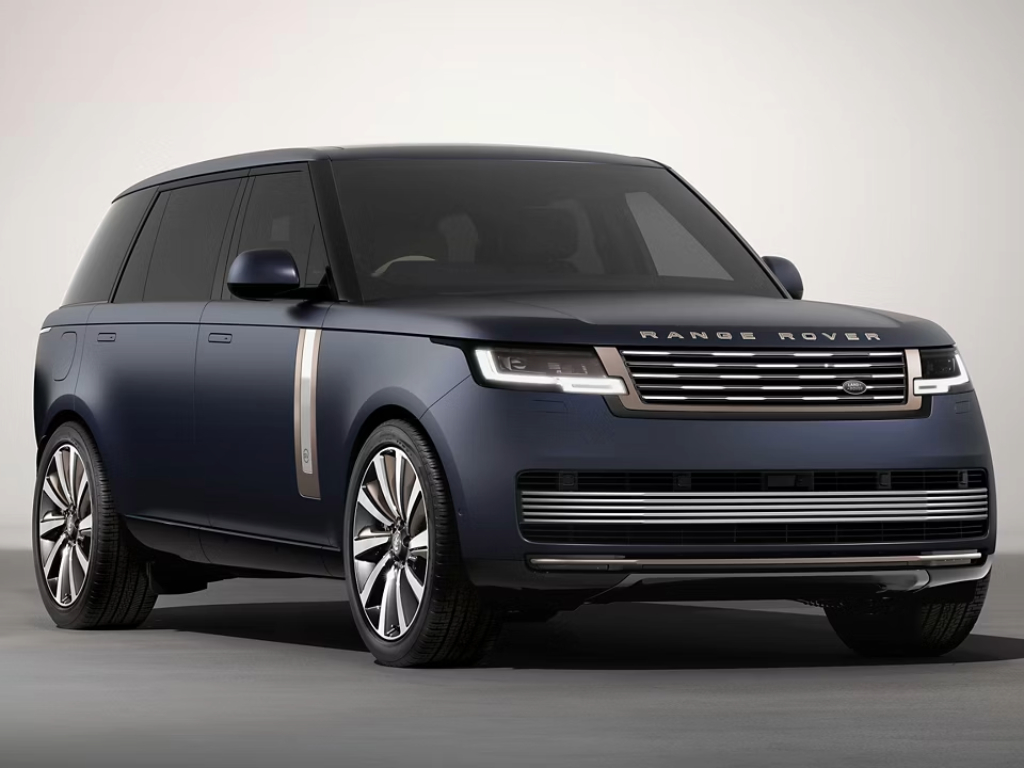
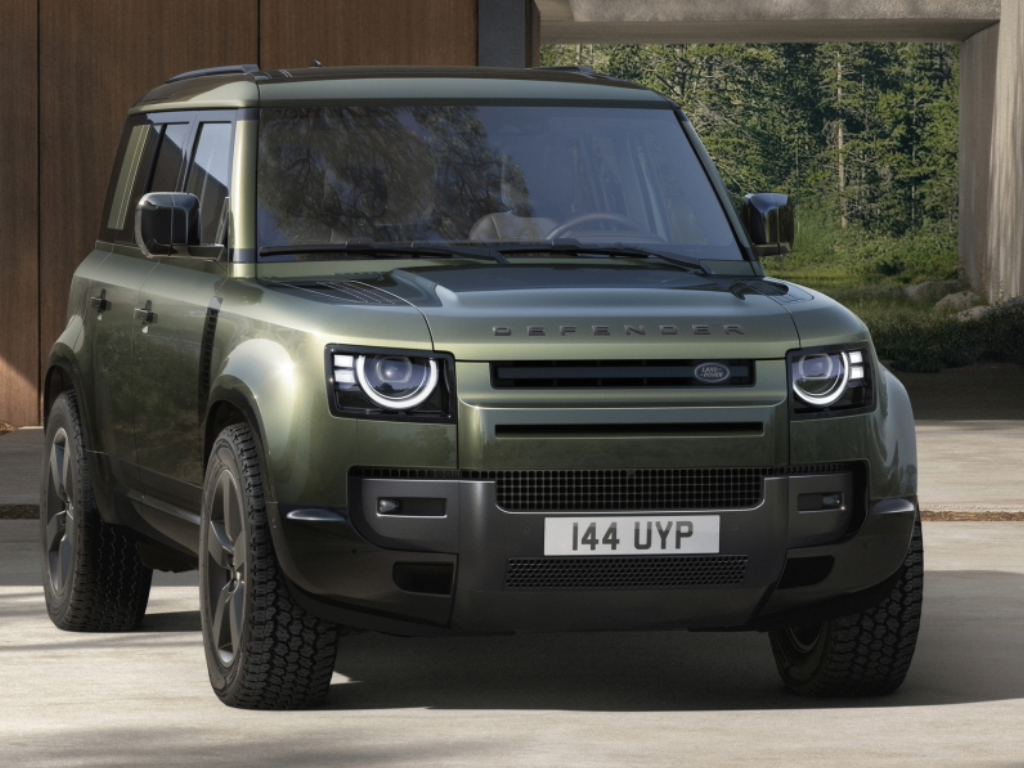
According to the safety regulator, the campaign covers select Land Rover Defender, Discovery and Range Rover models sold in the American market. The issue involves the driver’s airbag clockspring connector, which may be susceptible to corrosion over time.

If corrosion develops within the connector, it could interfere with the electrical connection required for proper airbag deployment during a collision. As a result, the driver’s airbag may not function as intended in certain crash scenarios, potentially increasing the risk of injury.

To address the concern, Jaguar Land Rover dealers will inspect the affected vehicles and apply a protective lubricant gel to the connector terminals. The repair will be carried out at no cost to customers.

Vehicle recalls are a common part of the automotive industry’s safety and quality assurance process, allowing manufacturers to address potential defects before they result in larger issues. Owners of affected vehicles are expected to be notified through the standard recall process and advised on the next steps for inspection and repair.

Land Rover Defender Front

The post Jaguar Land Rover Recalls More Than 2.5 Lakh SUVs appeared first on MotorBeam.


from Car News | MotorBeam - Indian Car Bike News & Reviews https://ift.tt/rh97oQN

Tata Motors To Bring In 6 New Nameplates By FY31 – What Could They Be?

GaadiWaadi -

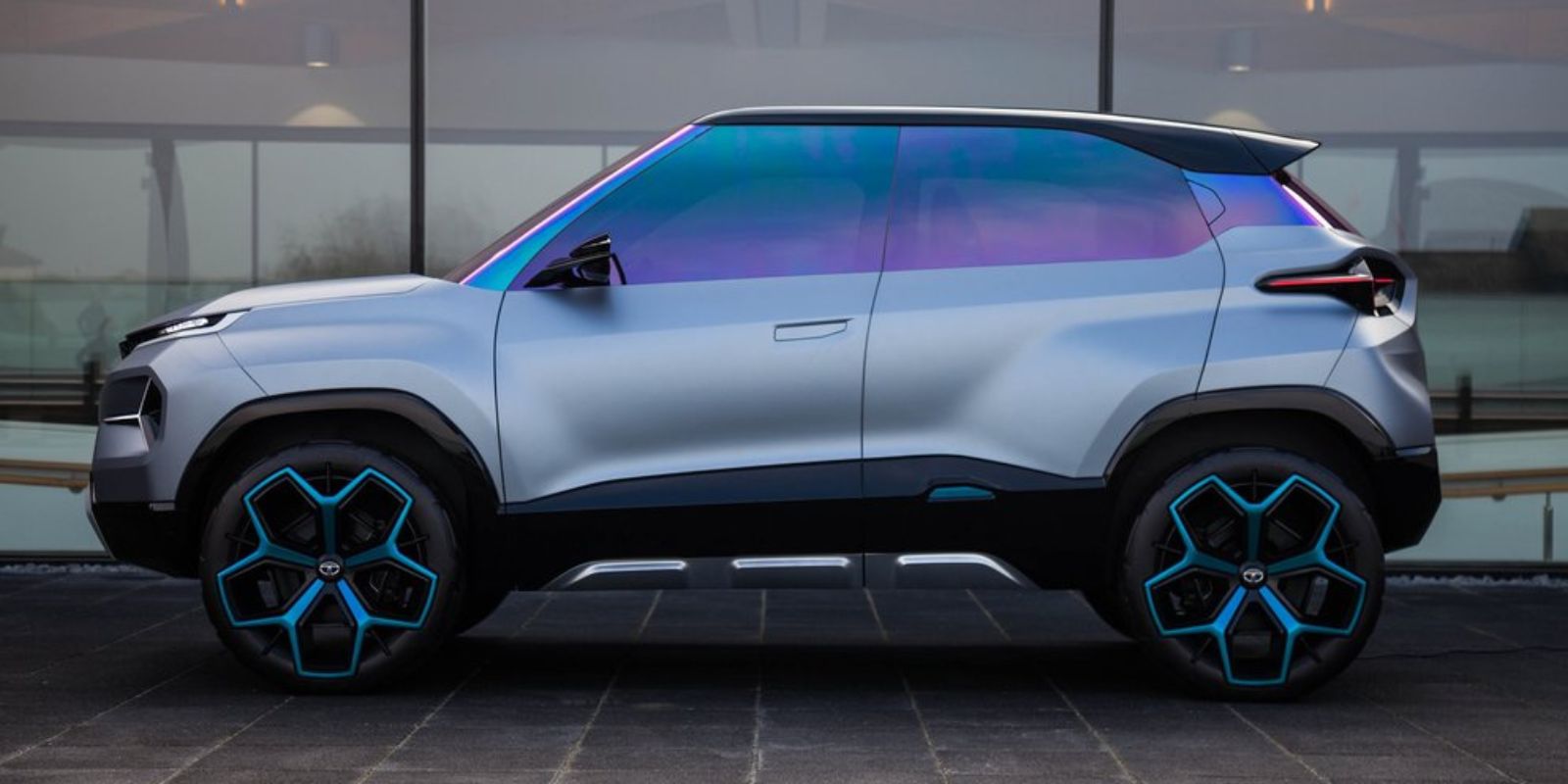
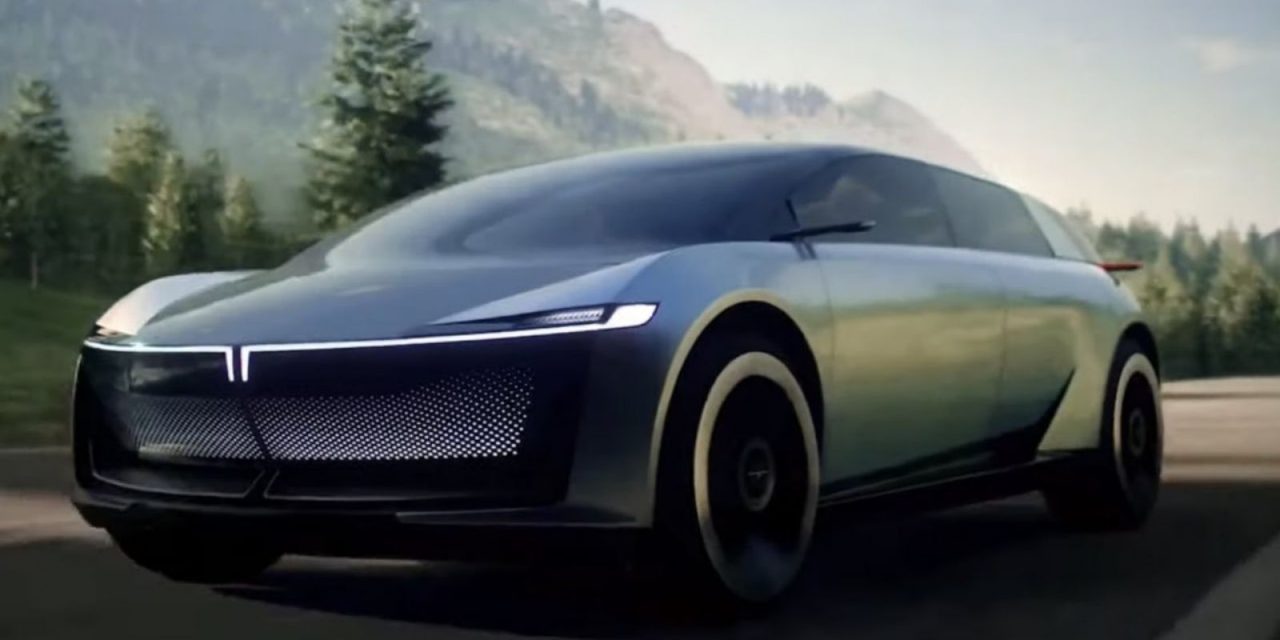
TATA H2X CONCEPT

Tata Motors’ FY31 roadmap lists 15 nameplates, six new additions and more than 20 facelifts or refreshes for India

The Sierra EV is the most apparent model in Tata Motors’ future product chart as its launch date has already been confirmed. The electric SUV appears in the company’s presentation under additional products and it will become one of the first new entries in the FY31 roadmap. The model will sit alongside the Harrier EV, Curvv EV, Nexon EV, Punch EV and Tiago EV in the brand’s growing electric range.
The same investor day’s presentation also confirms an expanded passenger vehicle portfolio as Tata plans to have 15 nameplates by FY31 – up from its current group of Tiago, Tigor, Altroz, Punch, Nexon, Curvv, Sierra, Harrier and Safari. The company has listed six new nameplates and more than 20 facelifts or refreshes as part of the plan.

The Avinya is the next confirmed name in this lot. The homegrown manufacturer’s premium electric project has already moved through concept and X concept stages and the first production model is expected by mid-2027. The Avinya X will adopt the Chery-JLR Freelander EV platform instead of the earlier JLR EMA derived one due to perhaps cost reasons.

Freelander-8-SUV-1.jpg
Representational

Tata is also preparing a separate retail format for Avinya. The range will sit above current electric models and will target a more premium customer base and a sportback could be the first offering. Two hidden silhouettes in the presentation point to further products but Tata has not named them. One could be linked to the Avinya family, while another could be a new SUV or a family vehicle. Their body styles, platforms and market positions remain under wraps for now.

The Safari EV is another strong candidate for the future list. Tata already sells the Harrier EV and an electric Safari would allow the company to extend the same approach into a three-row configuration. The model has been part of industry speculation for some time but Tata has not confirmed its launch name or timeline. We expect it to arrive within the next 12-18 months to take on Mahindra XEV 9S.

tata avinya concept 5

A seven-seater electric MPV could also be among the future additions. Tata has shown interest in consolidating its EV range across different body styles and an MPV would give the brand another family-based option to take on the likes of upcoming Maruti Suzuki YMC and its Toyota derivative along with the Kia Carens Clavis EV. Let alone, more IC-engined and alternative fuel options.

Rumoured Tata names such as Scarlet and Blackbird have often surfaced over the years. Blackbird was earlier linked to a midsize SUV slot between Nexon and Harrier while Scarlet has also appeared in discussions around future Tata products. We can expect Tata to bring in more compact models down the line as the segment is key for garnering high volume sales.

The post Tata Motors To Bring In 6 New Nameplates By FY31 – What Could They Be? appeared first on Gaadiwaadi.com - Latest Car & Bike News by Surendhar M.


from Gaadiwaadi.com – Latest Car & Bike News https://ift.tt/O19bEdU

2026 Renault Kwid Facelift Debut This Week – Big Interior & Design Updates

GaadiWaadi -

Dacia Spring EV (1)

2026 Renault Kwid entry-level hatchback is set for a major design update with Dacia Spring-inspired styling and cabin revisions

Renault will introduce the updated version of the Kwid on July 3 in the domestic market. The facelift is expected to receive a noticeable exterior revision while the cabin could gain a larger screen and a redesigned dashboard layout. The biggest visual updates come from the Dacia Spring EV sold overseas and spy shots emerged late last year indicate the same.

The 2026 Renault Kwid gains a new face with Y-shaped LED daytime running lamps, a revised grille section and reshaped bumper section. The main headlamp units could still be halogen keeping costs under control in the budget hatchback space. The rear end changes are also expected to follow the same lighting theme to keep it in cohesion.

The facelifted Kwid could get Y-shaped tail-lamps, a redesigned bumper and other minor visual tweaks around the tailgate area. The hatchback will retain its compact dimensions as it measures 3,731 mm in length, 1,579 mm in width and 1,474 mm in height. It features a 2,500 mm wheelbase and a high ground clearance of 184 mm currently.

Renault Kwid EV Spied India
Image Source: weguideauto/instagram

The French manufacturer is also expected to offer a new set of alloy wheels on top-spec variants. The facelift could give the Kwid a closer family link with Renault’s latest global design language. The dashboard will more likely see a bigger change than ever before as the test mule images point to a larger central infotainment touchscreen and we expect improved connectivity options as well.

The steering wheel and instrument cluster could also be revised. Meanwhile, cabin trim, centre console detailing and switchgear arrangement may get minor changes as well with six airbags as a standard fitment. Mechanical changes are not expected for the updated Kwid as the hatchback should retain the familiar 1.0-litre, three-cylinder naturally aspirated petrol engine producing around 68 hp.

Renault-Kwid-EV-Spied-India-1.jpg
Image Source: weguideauto/instagram

Transmission choices should stay with a 5-speed manual and a 5-speed AMT. The current Kwid has a claimed mileage of 21.7 kmpl to 22.5 kmpl based on the variant level and gearbox. The model is sold in variants such as Authentic 1.0, Evolution 1.0, Evolution 1.0 AMT, Techno 1.0, Techno 1.0 AMT, Climber 1.0 and Climber 1.0 AMT.

Prices for the upcoming Kwid could range between Rs. 4.50 lakh and Rs. 6.50 lakh (ex-showroom) as the facelift could sit a minor increase. The updated Kwid comes just a few months after the new generation Duster while its seven-seater version and an A-segment EV are also in the pipeline.

The post 2026 Renault Kwid Facelift Debut This Week – Big Interior & Design Updates appeared first on Gaadiwaadi.com - Latest Car & Bike News by Surendhar M.


from Gaadiwaadi.com – Latest Car & Bike News https://ift.tt/TNIPrwq

Next-Gen Hyundai Creta Not To Far Away – Top 5 Things To Know

GaadiWaadi -

new-gen-hyundai-creta-spied-india.jpg

Next-gen Hyundai Creta likely to bring major upgrades in nearly every aspect, aimed at securing the model’s top position in the segment

Tata Motors, Renault, Kia, and a number of other brands have grabbed headlines with major mid-size SUV launches in recent months. The Hyundai Creta, however, remains unfazed, continuing as the segment’s best-seller. What’s more, Hyundai is working on the most comprehensive makeover yet for its popular mid-size SUV, with plans to introduce it for the third generation in 2027. Here are five things you need to know about the next-gen Hyundai Creta:

1. All-new platform

new-hyundai-creta-spied-2.jpg
Image Source: car_charcha/Instagram

The next-gen Hyundai Creta will sit on an all-new ‘K3’ platform that improves structural rigidity, enhancing safety. Supporting better noise insulation and stability, the K3 platform would also pave the way for a more refined driving experience.

Also Read: Hyundai & Kia To Introduce Affordable EVs In India Soon

2. Bigger, brawnier, and roomier

Inspired by the Hyundai Crater concept, the next-gen Hyundai Creta will likely have a much more rugged and masculine exterior. Significant gains in dimensions will further elevate its road presence. The wheelbase will likely be 80 mm longer, reaching 2,690 mm. The length should be about 120 mm longer, measuring around 4,450 mm. The width is expected to grow by at least 30 mm, touching or exceeding 1,820 mm. These changes should bring marked improvements in both passenger and boot space.

new-gen-hyundai-creta-spied-india-1.jpg
Spy Source:
amarttyajit_sinha/instagram

3. More comfortable

In addition to more space, the next-gen Hyundai Creta will likely have wider and more advanced seats to offer enhanced comfort. The driver’s seat should feature not only power reclining and sliding functions like the current model but also power lumbar support. This will likely be in addition to memory and ventilation, with the latter available even in the front passenger seat. Hyundai may also offer a dual-zone automatic climate control system to further make the next-gen more competitive in this aspect.

Also Read: New Gen Hyundai Elantra Breaks Cover With Radical Design

4. More high-tech

The next-gen Hyundai Creta will likely adopt the company’s new cockpit display concept, where the infotainment system uses a large tablet-style display and the instrument cluster comes in a compact, slim display. The former should measure 12.9 inches diagonally and the latter 9.9 inches.  Android Automotive OS would make using the infotainment system much easier, bundling native apps for essential services like Google Maps and Google Voice and providing a smartphone-like experience.

new-gen-hyundai-creta-spied-2.jpg
Spy Source:
amarttyajit_sinha/instagram

5. Hybrid-ready

Unlike the current Creta, the next-gen model will be ready to adopt a hybrid powertrain. Hyundai may launch it only with petrol and diesel engines shared with the current model, but a few months down the line, it will likely roll out a hybrid system based on a 1.5-litre petrol engine. The company could be targeting a fuel economy of around 25 km/l and will likely offer an additional vehicle-to-load (V2L) bi-directional charging function in the hybrid variant.

The post Next-Gen Hyundai Creta Not To Far Away – Top 5 Things To Know appeared first on Gaadiwaadi.com - Latest Car & Bike News by Team GaadiWaadi.


from Gaadiwaadi.com – Latest Car & Bike News https://ift.tt/8qrvZsp

Maruti Suzuki Increases Prices Of Nexa Cars By Up To Rs. 30,000

GaadiWaadi -

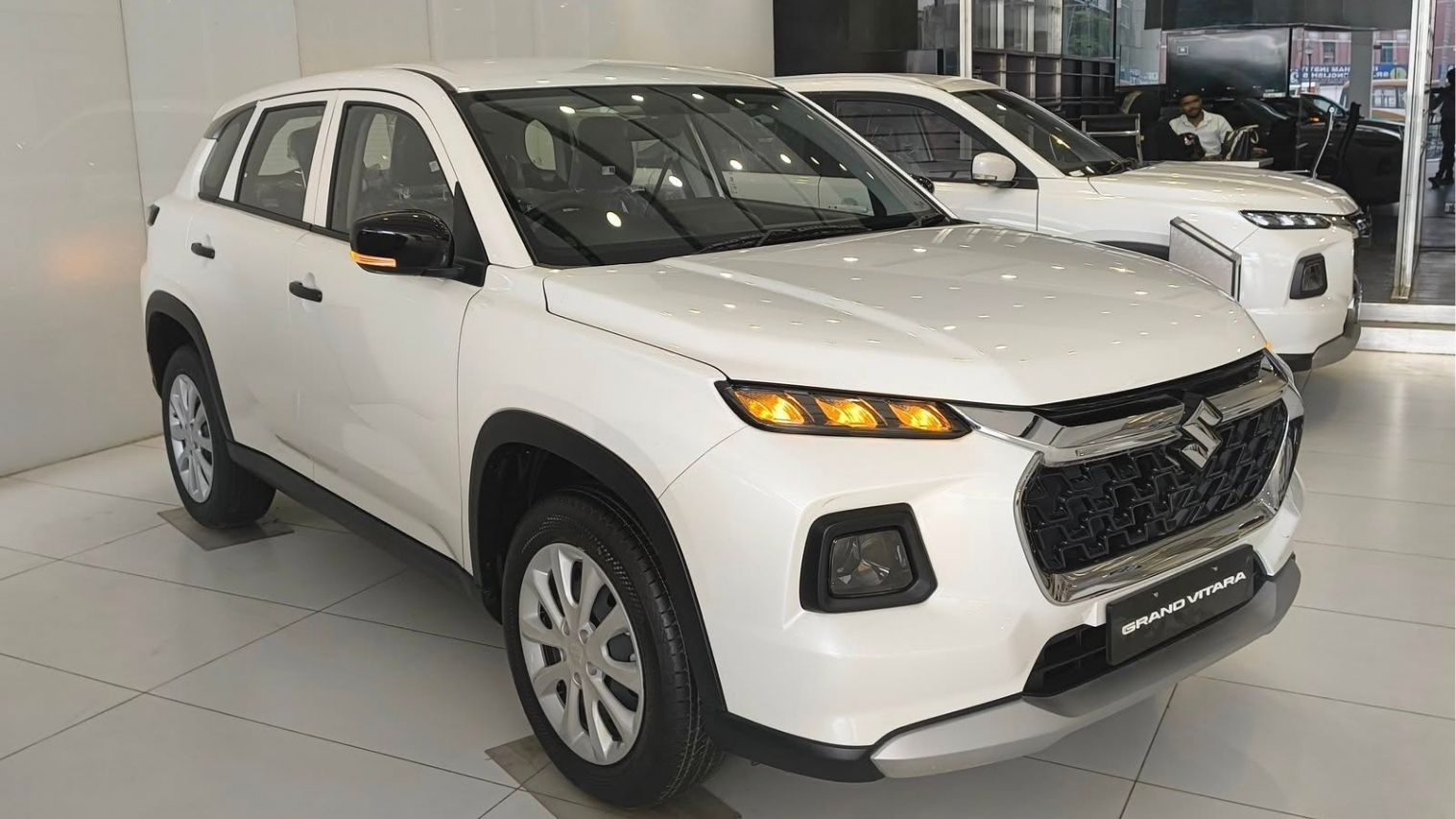
Maruti Grand Vitara (4)

From the Maruti Baleno to Invicto, almost every model sold through Nexa showrooms receives a price hike in June

Maruti Suzuki has revised the prices of its models across its three new car sales channels: Arena, Nexa, and Commercial. We already covered the Arena and Commercial range in an earlier report. The premium models sold through Nexa showrooms have become dearer by up to Rs. 30,000.

Starting with the Maruti Baleno, the most affordable model now at Nexa following the discontinuation of the Maruti Ignis earlier this year, Maruti Suzuki has increased the prices by Rs. 5,000-7,500 for multiple configurations. The base configuration is still priced at the same Rs. 5,98,900 (ex-showroom), though.

The Maruti Fronx, the crossover derived from the Maruti Baleno, has become more expensive by Rs. 5,000 in most petrol configurations and by Rs. 7,500 in CNG configurations. Its entry price has remained unchanged – Rs. 6,84,900 (ex-showroom).

Also Read: Maruti Suzuki Arena Cars Prices Up By Rs. 10,000; Complete List

Maruti Suzuki Fronx
Pic Source: SUBRATA SAHA

Model

Starting Price (Ex-showroom)

Change

Maruti Baleno

Rs. 5,98,900

Rs. 7,500

Maruti Fronx

Rs. 6,84,900

Rs. 7,500

Maruti Grand Vitara

Rs. 10,76,500

-Rs. 38,900

Maruti XL6

Rs. 11,57,300

Rs. 10,000

Maruti Jimny

Rs. 12,39,000

Rs. 7,500

Maruti e-Vitara

Rs. 15,99,000

Rs. 30,000

Maruti Invicto

Rs. 24,97,400

Rs. 25,000

The Maruti XL6 has received a price of Rs. 5,000 across all petrol configurations and Rs. 10,000 in the CNG variant. The three-row MPVs’ prices now range from Rs. 11,57,300 (ex-showroom) to Rs. 14,52,500 (ex-showroom). Higher up in the line-up, the Maruti Jimny, the company’s off-road-focused 4×4 SUV, has become more expensive by Rs. 7,500 across the line-up. Its prices now start at Rs. 12,39,000 (ex-showroom) and go up to Rs. 14,52,100 (ex-showroom).

Maruti Suzuki has recently reduced the prices of the Grand Vitara. The Zeta and Alpha (Optional) variants have received price cuts of Rs. 38,900 each. At least the base and top configurations have seen no revisions in the pricing. The recently launched Maruti e Vitara’s prices have increased by up to Rs. 30,000 and now fall in the Rs. 15,99,000-20,21,000 (ex-showroom) range.

Also Read: These 5 New Maruti Suzuki Cars Hitting Showrooms Very Soon In India

Maruti e Vitara

The Maruti Invicto, the company’s priciest model across sales channels, has received a price hike of Rs. 25,000 in the Zeta+ 8-seat configuration, which now costs Rs. 25,27,300 (ex-showroom). The base Zeta+ 7-seat and top-end Alpha+ 7-seat configurations retail at Rs. 24,97,400 (ex-showroom) and Rs. 28,60,500 (ex-showroom), respectively.

The post Maruti Suzuki Increases Prices Of Nexa Cars By Up To Rs. 30,000 appeared first on Gaadiwaadi.com - Latest Car & Bike News by Team GaadiWaadi.


from Gaadiwaadi.com – Latest Car & Bike News https://ift.tt/SwNaqu5

MG To Unveil New Plug-In Hybrid SUV In India On July 16

Range Rover Sport Banner

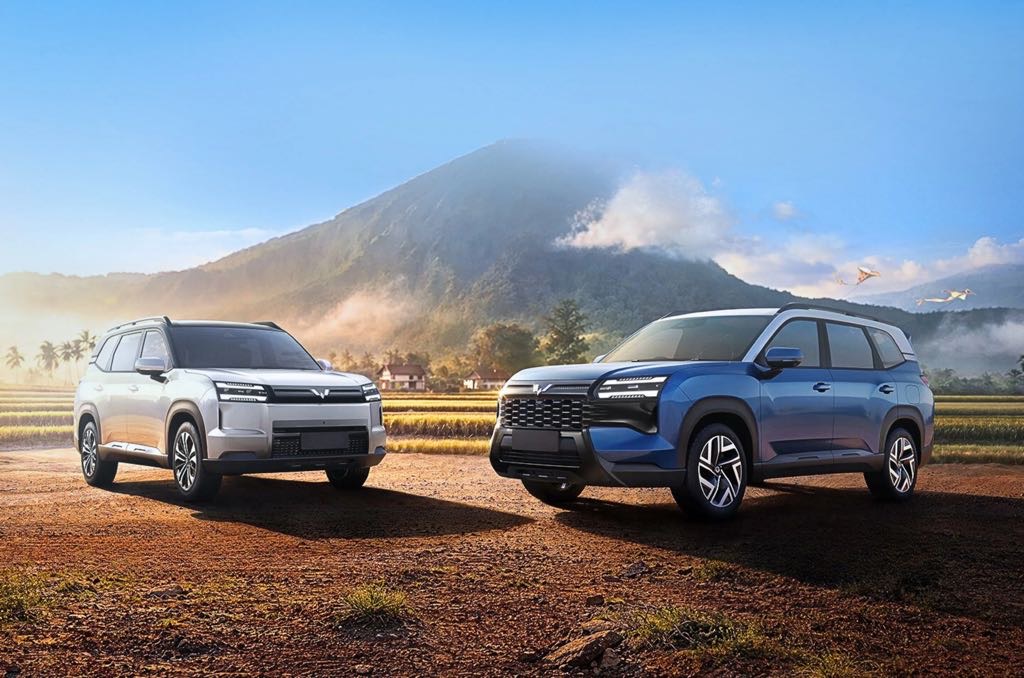
Wuling Starlight 560

JSW MG Motor India has confirmed plans to introduce a new SUV for the Indian market on July 16. The upcoming model is expected to be based on the Wuling Starlight 560, a three-row SUV that combines petrol and electric power through a plug-in hybrid setup.

If launched in a similar form, the SUV would expand MG’s electrified vehicle portfolio and enter the increasingly competitive midsize SUV segment. With seating for seven occupants, it is likely to target buyers looking for a family-oriented SUV with an emphasis on efficiency and extended driving range.

The Starlight 560 measures 4745 mm in length and has a wheelbase of 2810 mm, placing it among larger SUVs in its category. The exterior design features a modern lighting signature with LED headlamps and daytime running lamps at the front, while the rear is characterised by connected LED taillights and a roof-mounted spoiler. Dual-tone alloy wheels further add to its contemporary appearance.

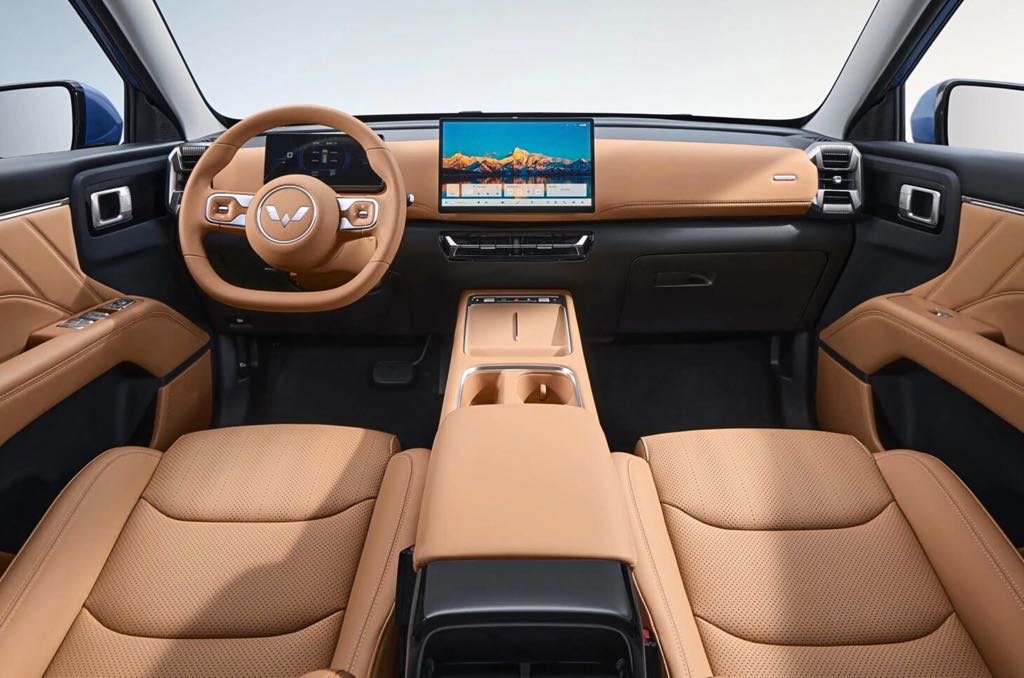
Inside, the SUV is equipped with a large central touchscreen, a fully digital instrument cluster and a minimalist dashboard layout. Expected comfort and convenience features include a panoramic sunroof, wireless smartphone charging, automatic climate control and a suite of advanced driver assistance systems.

Powering the plug-in hybrid version is a 1.5-litre petrol engine paired with an electric motor. Together, the system produces 194 BHP and 230 Nm of torque. MG claims the SUV can complete the 0-100 km/hr sprint in under 10 seconds while offering a pure electric driving range of up to 100 km from its 20.5 kWh battery pack.

Internationally, the model is also available in a fully electric form. The EV variant uses a larger battery pack and is claimed to offer over 500 km of driving range on the Chinese CLTC test cycle.

With consumer interest in hybrid and electrified vehicles growing steadily in India, the upcoming launch could provide MG with another alternative to conventional petrol and diesel-powered SUVs while broadening customer choice in the segment.

Wuling Starlight 560 Interior

The post MG To Unveil New Plug-In Hybrid SUV In India On July 16 appeared first on MotorBeam.


from Car News | MotorBeam - Indian Car Bike News & Reviews https://ift.tt/KyCk5dV

3 New Honda SUVs Arriving By 2027 In India

GaadiWaadi -

Honda Electric SUV

The upcoming Honda SUVs in India will include hybrid, ICE and all-electric models slated to launch in the next 8-9 months

Honda Cars India launched the 2026 Honda City last month in the country. In addition, the all-new Honda ZR-V e:HEV was also introduced in the Indian market. Now, it seems there is no stopping the launch spree as the Japanese brand will roll out three new SUVs by 2027 in our country. These include hybrid, ICE and EV models which will be going on sale in a phase-wise manner in the next 9-12 months in India. Hence, in this piece, we will talk in detail about the 3 new Honda SUVs arriving by 2027 in India.

1. Honda ZR-V

Presented as the brand’s global hybrid SUV, it will be sold via the CBU route in India with prices expected to fall in the bracket of Rs 40-50 lakh (ex-showroom). Unveiled in May 2026, the first deliveries of the hybrid SUV will start from July 2026 onwards in our market. It gets three drive modes namely Normal, Sport and Eco. The bookings have already commenced at Honda’s authorized dealerships across the country.

honda-zr-v-india.jpg

Some of the notable features onboard the ZR-V e:HEV include Dual-zone climate control, Rear AC vents and rear armrest, Wireless smartphone charging, 10.2-inch HD fully digital coloured TFT instrument cluster, and 9-inch floating touchscreen infotainment system with Android Auto & Apple CarPlay. Equipped with the e:HEV hybrid system, it combines a 2.0L Atkinson-cycle petrol engine and dual-motor hybrid system which develop max power of 181 bhp and peak torque of 315 Nm while the mileage stands at 22.79 kmpl.

Also Read: Honda’s First EV For India Spied Again, Boasts A Huge Touchscreen

2. 2026 Honda Elevate facelift

The facelifted version of the Elevate SUV was spotted testing last week on the Indian roads. It will get visual updates at the outside which includes refreshed LED headlamps, tweaked bumpers and redesigned tail-lamp cluster. The cabin is also likely to receive multiple updates such as a fresh upholstery, bigger touchscreen infotainment system and modern features.

Honda Elevate Facelift (1)

The company might introduce ventilated front seats, a 360-degree camera and an updated ADAS suite in the 2026 Elevate which is expected to launch during the Diwali festive season later this year. At the heart, it will house the same 1.5L 4-cylinder petrol engine which generates top power of 119 bhp at 6,600 rpm and peak torque of 145 Nm at 4,300 rpm. It will be paired with 6-speed manual and CVT gearbox options.

Also Read: JSW Motors’s First Car To Debut By Diwali, 15 New Cars Arriving In 4 Years

3. Honda 0 Alpha EV

In March 2026, Honda flagged off the pan-India test run of its upcoming electric SUV. The prototype of this model, known globally as Honda 0 Alpha, was unveiled at the Japan Mobility Show 2025. The Japanese brand confirmed that it will be launched in the Q4 FY27 in the Indian market as its first all-electric SUV. It will be manufactured locally in India and exported to global markets.

Honda 0 Alpha

Recently, the interior of Honda 0 Alpha EV was spied for the first time. The cabin features a massive central touchscreen infotainment system which is mounted on top of the dashboard. Other notable elements include three-spoke flat-bottomed steering wheel with paddle shifters, automatic climate control and front ventilated seats. The technical specs are not in public domain, but we have learnt that it will be powered by CATL batteries sourced from Indonesia.

The post 3 New Honda SUVs Arriving By 2027 In India appeared first on Gaadiwaadi.com - Latest Car & Bike News by Team GaadiWaadi.


from Gaadiwaadi.com – Latest Car & Bike News https://ift.tt/8LomnxF

Renault Duster To Likely Get Localised Hybrid Tech Under Geely JV’s Plan

GaadiWaadi -

2026 new renault duster

Proposed USD 370 million India plan links Renault-Nissan Chennai plant with Horse Powertrain’s global hybrid and ICE engine business

The new Renault Duster strong hybrid is the closest product link to Horse Powertrain’s proposed India entry. The SUV has already returned to India with two turbo petrol mills and Renault has confirmed Diwali 2026 timeline for the E-Tech hybrid version. The setup pairs a 1.8-litre petrol engine with a 1.4 kWh battery pack.

The hybrid Duster is part of a larger Renault-Nissan product cycle for India. The same Chennai factory also serves Nissan and upcoming models from both brands could draw from a localised hybrid supply chain once Horse Powertrain begins manufacturing activity here as it is preparing a proposed USD 370 million investment in India.

The company is backed by Renault Group, Geely and Saudi Aramco and the money is expected to enter Renault’s manufacturing operations starting with the Renault-Nissan factory near Chennai. The company is not a vehicle manufacturer. Its work encompasses engines, hybrid systems, transmissions, range extenders and integrated powertrain modules.

Renault-Geely-JV-Duster-Hybrid.jpg

For India, the plan centres on advanced hybrid engines and full-hybrid powertrains – first for Renault and Nissan models mostly. It must be noted that Horse Powertrain came out of Renault and Geely’s global engine and hybrid business plan. The two companies signed a binding 50:50 joint venture agreement in July 2023 for a company covering internal combustion, hybrid and plug-in hybrid engines and transmissions.

The original plan had a large industrial base. Renault and Geely listed 17 engine plants, five R&D centres, operations across three continents and around 19,000 employees, and the annual capacity was targeted at up to five million engines and transmissions. The early customer list named Renault Group, Geely Auto, Volvo Cars, Proton, Nissan, Mitsubishi Motors and Punch Torino.

2026 new renault duster

Renault and Geely also planned purchase agreements for ICE, hybrid and plug-in hybrid powertrains giving the venture a supplier role across several brands from the start. Aramco later acquired a 10 per cent stake in Horse Powertrain. Renault and Geely then moved to 45 per cent ownership each. Aramco’s role is tied to synthetic fuels, e-fuels and hydrogen research.

The tightened scrutiny on companies from neighbouring countries after the 2020 border tensions with China and large Chinese-linked manufacturing proposals have faced tougher review since then. Horse carries a Geely link but its structure places the project inside a global powertrain supplier instead of a Chinese car brand entry.

Horse CEO Matias Giannini had earlier told Reuters that the company had filed to set up a legal entity in India and expected progress by the third quarter of 2026. Initial steps could involve partnerships and imported systems from Horse facilities overseas before local manufacturing deepens. The Chennai location gives the project a direct Renault-Nissan connection.

Renault has also started exports of the new Duster from India which means a local hybrid supply base could support domestic models and export programmes over time. Full-hybrid vehicles have gained space in India because they cut fuel consumption without relying fully on public charging access. Local Horse production could help Renault and Nissan price hybrid SUVs more competitively while reducing dependence on imported systems.

Source

The post Renault Duster To Likely Get Localised Hybrid Tech Under Geely JV’s Plan appeared first on Gaadiwaadi.com - Latest Car & Bike News by Surendhar M.


from Gaadiwaadi.com – Latest Car & Bike News https://ift.tt/HVAsUFS

2026 Hero Passion+ Disc Variant Launched At Rs. 84,128 In India

GaadiWaadi -

2026-Hero-Passion-Disc-1.jpg

Hero Passion+ gets a front disc brake variant as part of improving its overall safety while digital console, Bluetooth alerts, LED projector headlamp and i3S tech are also present

Hero MotoCorp has announced the launch of the Passion+ Disc variant in India at Rs. 84,128 (ex-showroom Delhi). The new version sits above the drum brake variant and adds a front disc brake, extra equipment and four dual-tone colour choices. The main mechanical change is the front disc brake setup with the motorcycle getting a 240 mm unit.

The rear continues with a 130 mm drum brake complemented by the IBS (Integrated Braking System). It is worth noting that the standard Passion+ drum variant has 130 mm brakes at both ends. Hero has also revised the equipment list for this variant. The Passion+ Disc gets a fully digital instrument console with real-time mileage readout, low fuel warning and service reminder.

Bluetooth connectivity has also been added for call and SMS alerts. The feature list also comprises an LED projector headlamp, side-stand engine cut-off sensor, integrated USB charging port and a utility storage case. The new variant is available in Heavy Grey, Nexus Blue, Dark Industrial Grey and Pearl Red dual-tone shades in the domestic market.

2026 Hero Passion+ Disc

The motorcycle retains the same 97.2 cc, air-cooled, four-stroke, single-cylinder engine. The motor kicks out 7.9 hp at 8,000 rpm and 8.05 Nm at 6,000 rpm. Fuel injection is also available while transmission duties are handled by a four-speed constant mesh gearbox. Hero has coupled the engine with i3S idle stop-start technology and it enables the company to claim a fuel efficiency figure of 71 kmpl.

The motorcycle also gets self-start with i3S and kick-start support. With no other changes, the Hero Passion+ continues to be built on a double cradle frame and suspension hardware composes telescopic front forks and twin-tube rear shock absorbers. It rides on alloy wheels with 80/100-18 tubeless tyres at the front and rear. The Passion+ measures 1,982 mm in length, 770 mm in width and 1,087 mm in height.

2026 Hero Passion+ Disc Digital Cluster

The wheelbase stands at 1,235 mm while ground clearance is listed at 168 mm. Seat height is measured at 790 mm with fuel tank capacity of 11 litres and kerb weight for the drum variant at 115 kg. The Passion+ Disc gives Hero another commuter option near the Rs. 85,000 mark and it could attract those looking for a safer option.

The post 2026 Hero Passion+ Disc Variant Launched At Rs. 84,128 In India appeared first on Gaadiwaadi.com - Latest Car & Bike News by Surendhar M.


from Gaadiwaadi.com – Latest Car & Bike News https://ift.tt/5pdSWjh

Tata, Mahindra & MG Dominate EV Sales, VinFast On The Rise

GaadiWaadi -

Vinfast vf mpv 7 5

Electric PV sales reached 26,620 units in May 2026 – up 8.2 per cent over April with Tata taking 39 per cent share

The zero-emission PV market recorded 26,620 units in May 2026 – up from 24,592 units in April 2026. The month-on-month increase stood at 8.2 per cent showing better retail numbers for several brands as Tata stayed at the top of the EV chart with 10,377 units and a 39 per cent market share ahead of Mahindra, JSW MG and VinFast.

Tata had four models in the top ten with Punch EV, Nexon EV, Harrier EV and Curvv EV together accounting for 9,451 units. Mahindra & Mahindra held second position with 7,031 units and 26.4 per cent share. Its month-on-month increase stood at 10.1 per cent – helped by models such as the XEV 9S, BE 6 and XEV 9e. It had two models inside the top 10 list and the combined total of the XEV duo stood at 5,441 units.

MG took third place with 4,463 units but its volumes dropped 3.3 per cent compared to April. The brand still held 16.8 per cent of the EV passenger vehicle market. It also had two entries through Windsor and ZS EV, which together recorded 3,594 units. These three brands accounted for majority of the market share while more brands are looking to scale up volumes.

Also Read: India-UK FTA Could Put More Made-In-India EVs On British Roads

2023 tata nexon ev facelift-30
2023 tata nexon ev facelift-

VinFast, for instance, finished fourth with 2,359 units and recorded an appreciable gain of 37.6 per cent. Maruti Suzuki, the country’s largest car producer, stood fifth with 1,439 units but its volumes fell by 28.3 per cent over April. The brand has commenced exports of the e Vitara as well. Kia took sixth place with 569 units and posted a 103.9 per cent jump while Hyundai recorded 305 units with a 43.4 per cent decline. Toyota registered 45 units in May, its first listed month in the table, giving it a 0.2 per cent share courtesy of the Urban Cruiser Ebella.

Citroen finished ninth with 32 units and a 0.1 per cent share but its month-on-month increase stood at 146.2 per cent from a small volume tally. As for the cars, Tata Punch EV was the best-selling electric car last month with 3,681 units – registering 14 per cent month-on-month gain. The Mahindra 9S came second with 3,502 units and an 8 per cent increase.

Also Read: 5 Upcoming Mahindra SUVs To Wait For – 3 ICE Models & 2 EVs

Mahindra-Electric-Origin-SUVs-50000-Sales.jpg

The Tata Nexon EV ranked third with 2,649 units – up 6 per cent over April. The MG Windsor finished fourth with 2,032 units but its volumes fell by 38 per cent while the Mahindra XEV 9e took fifth place with 1,939 units and a 20 per cent increase. The Tata Harrier EV ranked sixth with 1,833 units while MG ZS EV finished seventh with 1,562 units after a 118 per cent jump.

The Maruti Suzuki e Vitara ranked eighth with 1,439 units – down 28 per cent month-on-month. The Curvv EV finished ninth with 1,288 units and a 46 per cent increase ahead of the VinFast Limo Green which completed the top ten with 1,026 units – helped by a 50 per cent month-on-month rise.

The post Tata, Mahindra & MG Dominate EV Sales, VinFast On The Rise appeared first on Gaadiwaadi.com - Latest Car & Bike News by Surendhar M.


from Gaadiwaadi.com – Latest Car & Bike News https://ift.tt/IViuOSc

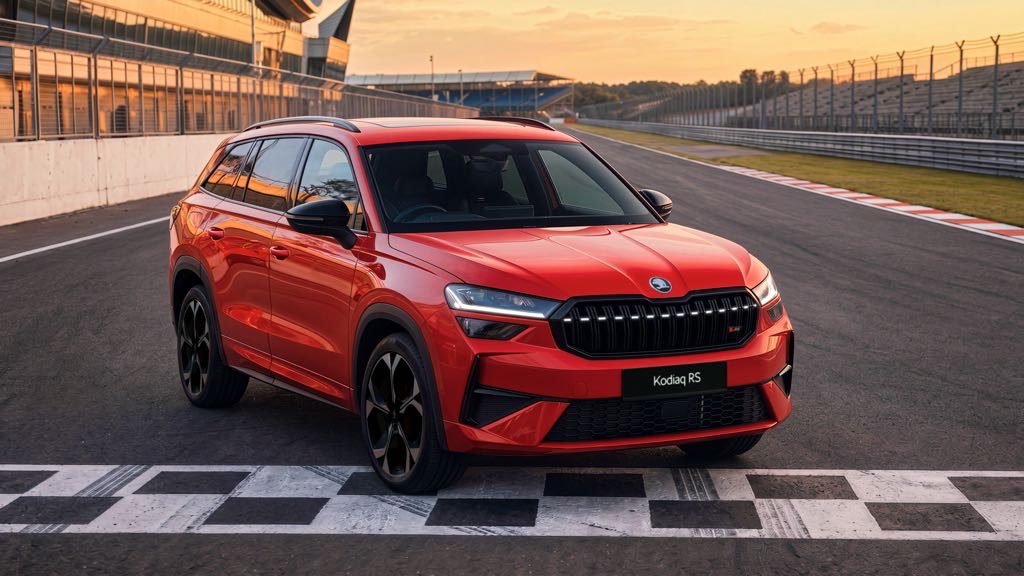
Skoda Kodiaq RS First Batch Fully Booked Within Minutes Of Launch

Skoda Kodiaq RS India

Skoda Auto India has announced that the first batch of the newly launched Kodiaq RS has been fully booked within minutes of opening reservations. According to the company, all 50 units allocated for the initial import batch were reserved in just six minutes, highlighting strong demand for the performance-oriented SUV.

The Kodiaq RS joins Skoda’s growing portfolio of RS-badged models in India, a lineup that has historically attracted enthusiasts seeking a blend of practicality and performance. The brand’s RS legacy in the country dates back to the introduction of the Octavia RS, which established a loyal following among driving enthusiasts.

Powering the Kodiaq RS is a 2.0-litre turbocharged petrol engine that develops 261 BHP and 400 Nm of torque. The engine is paired with a 7-speed dual-clutch automatic transmission and an all-wheel-drive system as standard. In addition to the powertrain upgrades, the SUV benefits from adaptive suspension and enhanced braking hardware aimed at improving driving dynamics.

Performance figures released by Skoda indicate a 0-100 km/hr acceleration time of 6.3 seconds, while the electronically limited top speed stands at 231 km/hr.

The rapid sell-out of the first allocation suggests there is sustained interest in niche performance models despite the broader market’s preference for mainstream SUVs. It remains to be seen whether Skoda will increase allocations in response to the demand witnessed during the booking window.

Skoda Kodiaq RS India Launch

The post Skoda Kodiaq RS First Batch Fully Booked Within Minutes Of Launch appeared first on MotorBeam.


from Car News | MotorBeam - Indian Car Bike News & Reviews https://ift.tt/SCQwXcY

JSW Motors’ First Car To Debut By Diwali, 15 New Cars Arriving In 4 Years

GaadiWaadi -

Jetour T2

JSW Motors is preparing a new energy vehicle-led passenger car entry and the rebranded Chery Jetour T2 could become its debut model

JSW Motors is set to enter the Indian passenger vehicle market later this year and the company will begin its car business with a new energy vehicle. The brand debut is expected during the festive period while bookings for the first model could open in November 2026. The debut product could be positioned above Rs. 35 lakh (ex-showroom).

Customer deliveries may begin towards the end of 2026 or in early 2027. Test prototypes already seen on public roads suggest that the first product programme has reached the final development stages. The rebranded Chery Jetour T2 could be the first model under the new JSW Motors passenger vehicle brand which also has a substantial share in MG Motors’ local operations.

The SUV fits the reported price band and product direction as it is available overseas with boxy off-road styling, electrified powertrain options and a five-seat cabin. The T2 sits in the lifestyle SUV space and internationally, it measures 4,785 mm in length and has a 2,800 mm wheelbase. The SUV has a tall, squared body, upright nose, heavy cladding, large wheel arches and a side-opening tailgate.

Jetour T2 (1)

The petrol version uses a 2.0-litre turbo engine in select markets while the T2 i-DM plug-in hybrid uses a 1.5-litre turbo petrol hybrid system with a 3-speed dedicated hybrid transmission. The plug-in hybrid version is the more relevant candidate for JSW Motors given its new energy vehicle plan. Overseas versions of the T2 i-DM have been listed with a 26.7 kWh battery, front-wheel-drive layout and fast charging from 30 to 80 per cent in around 30 minutes.

Some markets also quote more than 100 km of pure-electric running and up to 1,200 km combined range. The second product is expected to target a lower price band of around Rs. 18 lakh to Rs. 20 lakh. It could give JSW access to a larger set of customers after the higher priced entry product establishes the brand. Two to three more products are also likely within the first year.

Jetour T2 (2)

The larger plan encompasses 15 new energy vehicles across four years. The rollout cadence points to one product roughly every three months once the programme begins. The planned price spread is expected to start from around Rs. 10 lakh and move past Rs. 30 lakh and manufacturing will be centred at a 300-acre facility in Sambhajinagar, Maharashtra.

The plant will have an initial annual capacity of five lakh units before future scale-up. JSW Motors is also expected to build a supplier network around the site which should help with local parts sourcing, production planning and cost control. The term new energy vehicle gives the company flexibility beyond battery-electric cars alone. Electric vehicles are expected to be the main part of the plan but hybrid or other electrified formats could also be considered based on cost, market response and regulations.

The post JSW Motors’ First Car To Debut By Diwali, 15 New Cars Arriving In 4 Years appeared first on Gaadiwaadi.com - Latest Car & Bike News by Surendhar M.


from Gaadiwaadi.com – Latest Car & Bike News https://ift.tt/JA6c57X

Upcoming Tata Avinya Flagship e-SUV – More Details Revealed

GaadiWaadi -

Tata-Avinya-X-2.jpg

Tata Avinya range will sit at the top of the brand’s electric portfolio as the flagship offering and the models coming out of it will sit on Cherry-JLR Freelander EV platform

Tata Motors has revealed more information regarding the Avinya X, the first production model from its Avinya electric vehicle family. The flagship electric model will now use the Chery-JLR Freelander EV platform replacing the earlier plan to base the model on Jaguar Land Rover’s Electric Modified Architecture due to multiple reasons.

Shailesh Chandra, MD and CEO of Tata Passenger Electric Mobility, confirmed its presence during the recent Investor Day meeting. Tata had announced in 2023 that Avinya models would use JLR’s EMA platform but the production-bound Avinya X will now take the Freelander EV route. It gives Tata a more practical architecture for cost control and quicker development.

The EMA architecture was linked to a higher price band while Avinya has to sit in a space where local manufacturing and component sourcing will matter heavily. Tata is expected to localise a large share of the vehicle to reach the intended price positioning. Freelander is a familiar name from JLR’s past but the new EV platform comes through the Chery-JLR joint venture ecosystem.

tata avinya concept 5

The architecture is being prepared for electric SUVs and can be utilised for different market needs. For Tata, the benefit lies in access to an EV-ready platform without carrying the full cost structure of a JLR-only platform. The Avinya story began in 2022 when Tata revealed the first concept as a preview of its next generation EV direction.

The original show car had a long wheelbase, short overhangs, a lounge-style cabin, wide lighting elements and a body shape that combined SUV, crossover and MPV cues. The Avinya name has also pitched as a separate, higher-end electric family above the regular Tata.ev range. The Avinya X concept later moved the idea closer to a production SUV.

tata avinya concept 6

It kept the clean surfacing and EV exclusive proportions but used a more conventional high-riding body style. The production version is expected to become the first Avinya model for India with market entry planned around early 2027. Manufacturing is expected to take place at Tata’s recently acquired former Ford plant near Chennai.

Tata also wants a separate retail identity for Avinya. The company has spoken about boutique-style touchpoints and a phygital purchase format for the range. The plan points to a different sales and ownership setup from regular Tata.ev models with more focus on digital interaction and curated retail spaces. The company is also working on added capacity, new nameplates, electric models, updated ICE products and CNG vehicles through the second half of the decade.

The post Upcoming Tata Avinya Flagship e-SUV – More Details Revealed appeared first on Gaadiwaadi.com - Latest Car & Bike News by Surendhar M.


from Gaadiwaadi.com – Latest Car & Bike News https://ift.tt/so8yvmf