Xiaomi YU7 Amasses Over 2.89 Lakh Bookings In Under 60 Minutes

GaadiWaadi -

Xiaomi-YU7-Electric-SUV.jpg

The base long-range variant of the Xiaomi YU7, riding on 19-inch wheels, can deliver a range of up to 760 km in the CLTC cycle

Xiaomi’s first SUV, the YU7, made its market debut in China with prices beginning at RMB 253,500 (Rs. 30.23 lakh). Launched across three variants – Standard, Pro, and Max – the electric SUV enters the luxury EV space with strong momentum. The Standard variant is rear-wheel-driven and priced at RMB 253,500, the Pro brings in all-wheel-drive at RMB 279,900 (Rs. 33.37 lakh) and the Max variant, which focuses on high performance and AWD traction, tops the line up at RMB 329,900 (Rs. 39.34 lakh).

Within just one hour of price reveal, Xiaomi amassed over 2.89 lakh orders for the YU7, underlining immense demand in its home market. Considering the company only stepped into the automotive segment last year, the reception marks a significant milestone. Xiaomi focused heavily on proportions and body stance for the YU7’s exterior.

A long, sculpted bonnet and broad rear shoulder define the overall design which is supported by calculated ratios – 3:1 for wheelbase-to-body and 1.25:1 for width-to-height. These details reiterates both its sporty profile and aerodynamic performance. Up front, a pronounced crumple zone stretches to 659 mm, lending visual heft and added crash protection.

Also Read: Xiaomi’s First Electric SUV YU7 Revealed with 835 Km Range, Looks Stylish

Xiaomi-YU7-Electric-SUV-2.jpg

In total, nine exterior finishes are available, ranging from previously shown tones like Lava Orange and Basalt Grey to new ones such as Dawn Pink and Shadow Teal. Metallic flakes and pearl elements have been added to some hues for enhanced light play. Alloy wheel sizes go from 19 to 21 inches too. The base long-range variant riding on 19-inch wheels can deliver a range of up to 760 km in the CLTC cycle.

The larger 21-inch wheels, especially when fitted with Michelin Pilot Sport EV rubber, bring that figure down to 670 km in the Max variant. Some of the 21-inch wheels also come with floating centre caps and Brembo callipers painted red or yellow. On the inside, Xiaomi offers four cabin colour themes including a newly introduced Ash Grey & Iris Purple dual-tone option joining Pine Grey, Coral Orange and Twilight Blue.

Also Read: Xiaomi Showcases SU7 Electric Sedan In India, Launch Soon?

Xiaomi-YU7-Electric-SUV-Interior-1.jpg

Materials across 17 square metres of the cabin are OEKO-TEX certified, safe for skin contact, and used extensively on high-touch zones. The Nappa leather seats further that plush theme. The zero-gravity recliners with a 10-point massage function are available in the front while the rear row features heated recliners with 135-degree adjustability.

With the rear seat folded flat, the area transforms into a 1.8-metre bed while rear headrests have been thickened for better lateral support. Despite its coupe-like stance, the cabin offers generous space – headroom of 100 mm at the front, 77 mm at the rear and legroom of 73 mm for back seat occupants. Storage solutions span the entire interior with 36 compartments including a password-secured 13.7-litre glovebox, a rear drawer for daily essentials and a 4.6-litre smart fridge.

Xiaomi-YU7-Electric-SUV-Interior.jpg

The rear trunk can carry up to 687 litres and with the second row folded, capacity expands to 1,758 litres while a front trunk adds another 141 litres. A 25-speaker audio system tuned by Xiaomi and integrated with Dolby Atmos, dual wireless phone chargers with cooling vents are placed in the centre console, sun visors with multi-stage lighting, anti-glare interior mirrors and blind-spot monitoring wing mirrors are other highlights.

The top-end Max variants also gain exterior mirrors with anti-glare coating. Air quality is managed through a large HEPA filter certified to SGS Gold standard while the airflow is said to be soft and indirect, thanks to a 357 mm wide front vent and rear triple outlets. A rapid-refresh mode can cleanse the cabin atmosphere in just 35 seconds too. The YU7 is positioned above the SU7 sedan in Xiaomi’s EV roadmap. While Chinese deliveries have begun, timelines for other markets remain undisclosed.

The post Xiaomi YU7 Amasses Over 2.89 Lakh Bookings In Under 60 Minutes appeared first on Gaadiwaadi.com - Latest Car & Bike News by Surendhar M.


from Gaadiwaadi.com – Latest Car & Bike News https://ift.tt/3SELUZl

Toyota Explores Hydrogen Infrastructure To Support India’s Clean Energy Future

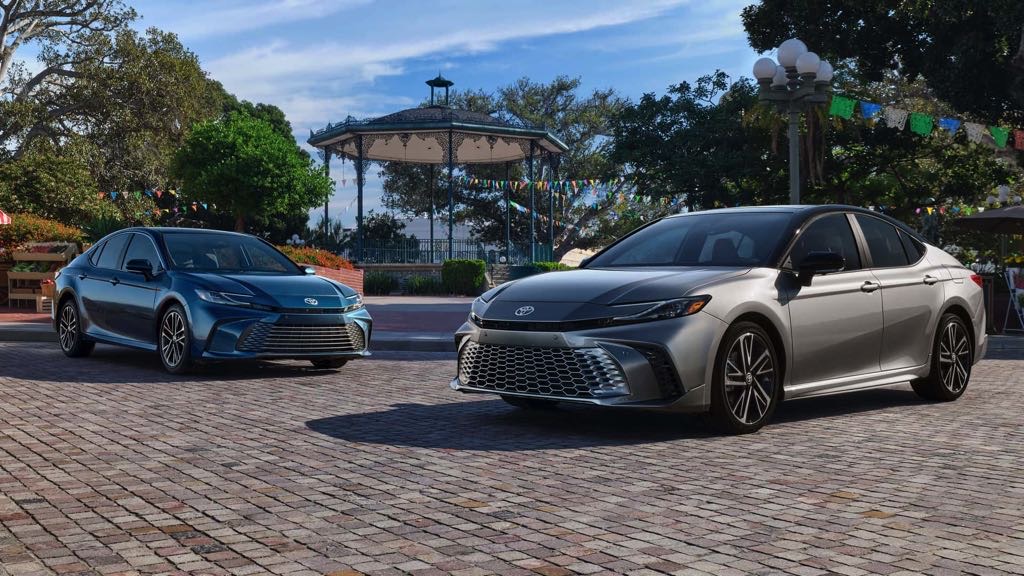
2025 Toyota Camry

Toyota explores hydrogen microgrid project with Ohmium to support India’s clean energy

Toyota Kirloskar Motor is advancing its efforts to promote clean energy in India through a pilot project exploring hydrogen-based microgrids, developed in partnership with electrolyser manufacturer Ohmium. The initiative aims to combine Toyota’s fuel cell technology with Ohmium’s electrolysers to create decentralised, off-grid green power solutions for industrial operations.
The pilot system, which produces green hydrogen using water and air, converts it into electricity via Toyota’s fuel cell stacks. If successful, this model could provide clean, reliable energy for sectors that require uninterrupted power, such as manufacturing facilities, data centres and remote industrial units.

Vikram Gulati, Country Head and Executive Vice President of TKM, highlighted the project’s significance in fostering innovation with Indian partners and building a roadmap for scalable hydrogen applications. He noted that this integration could offer energy solutions tailored to Indian conditions, particularly for regions with limited grid access.

Toyota’s focus extends beyond mobility, positioning itself as a clean energy enabler for India. The initiative aligns with the National Green Hydrogen Mission and India’s broader goals of achieving energy self-reliance and industrial decarbonisation by 2047.

According to Sudeep Dalvi, Senior Vice President and Head of State Affairs at TKM, hydrogen’s role as a clean energy carrier is critical for both stationary and transport applications. The company believes large-format transport, including freight trucks and intercity buses, could benefit from shared hydrogen infrastructure as production scales.

While the current focus remains on engineering, testing and system optimisation, localisation of key components could follow if the project proves commercially viable. Gulati indicated that integrating Ohmium’s electrolysers with Toyota’s fuel cells presents both technical challenges and opportunities, with the ultimate goal of creating an “Indianised” hydrogen energy solution.

This microgrid initiative builds on Toyota’s previous hydrogen-related efforts in India, including pilot projects with hydrogen-powered vehicles, collaborations on refuelling infrastructure and partnerships with commercial vehicle manufacturers.

The project has received support from key government officials, with Union ministers acknowledging its potential to contribute to India’s clean energy transition. Nitin Gadkari, Minister for Road Transport and Highways, described hydrogen as “the fuel of the future” and praised the collaboration’s alignment with India’s Atmanirbhar Bharat (self-reliant India) vision.

Although still in its early stages, Toyota’s hydrogen microgrid project reflects the company’s broader strategy to support India’s clean energy goals and promote the development of a decentralised hydrogen ecosystem for industrial and mobility applications.

The post Toyota Explores Hydrogen Infrastructure To Support India’s Clean Energy Future appeared first on MotorBeam.


from Car News | MotorBeam - Indian Car Bike News & Reviews https://ift.tt/uNawbyJ

Tata Harrier EV Stealth Edition Launched – All Key Highlights

GaadiWaadi -

Tata-Harrier-EV-2.jpg

Tata Harrier EV Stealth Edition gets a dark themed exterior and interior and is available in four variants

Tata Motors has officially announced the full price list of the Harrier EV, placing the electric SUV’s starting point at Rs 21.49 lakh (ex-showroom). Offered in multiple trims, the electric Harrier brings two battery pack choices to the table – a 65 kWh and q 75 kWh unit. The former can be bought in Adventure, Adventure S and Fearless+ grades.

Meanwhile, the latter can be had in Fearless+, Empowered RWD and Empowered QWD trims. The larger 75 kWh unit is reserved for the higher end variants, all of which form the basis of the Stealth Edition range as well. The Harrier EV Stealth Edition is spread across four specific variants: Empowered 75, Empowered 75 ACFC, Empowered QWD 75 and Empowered QWD 75 ACFC in India.

On the outside, the Stealth Edition boasts a matte black finish with a darkened front grille, blacked out badges and glossy black detailing swap in for the regular brightwork to differentiate itself from the standard model and is indeed sportier. The 19-inch alloy wheels follow a dual-tone treatment while Stealth branding appears in key areas.

Also Read: Tata To Bring In New ICE & Electric Cars Across Different Segments – Key Info

Tata-Harrier-EV-3.jpg

Inside, the cabin adopts the same philosophy with a full black dashboard layout and piano black surrounds on the centre console, HVAC vents and switchgear. The upholstery is also finished in black – keeping the overall ambience in sync with the edition’s darker theme. As for performance, the Harrier EV Stealth can be had with either a rear-wheel-drive configuration powered by a single motor or a dual-motor setup offering an all-wheel drive system.

The RWD version is rated at 235 bhp while the AWD configuration pushes out a combined 309 bhp and 504 Nm of torque. The real-world range from the 75 kWh battery is estimated between 460 and 490 km depending on which variant is selected. The ex-showroom prices for the Harrier.ev Stealth Edition place the Empowered 75 at Rs 28.24 lakh while the Empowered 75 ACFC comes in at Rs 28.73 lakh.

Also Read: 5 Big Things To Know About The Next-Gen Tata Sierra

Tata-Harrier-EV-5.jpg

Moving higher up, the Empowered QWD 75 carries a price tag of Rs 29.74 lakh and the top-spec Empowered QWD 75 ACFC is listed at Rs 30.23 lakh.

The post Tata Harrier EV Stealth Edition Launched – All Key Highlights appeared first on Gaadiwaadi.com - Latest Car & Bike News by Surendhar M.


from Gaadiwaadi.com – Latest Car & Bike News https://ift.tt/tphosNY

5 Upcoming 7-Seater SUVs You Should Wait For In India

GaadiWaadi -

MG-Majestor-2.jpg

Tata Safari will likely get a new 1.5-litre turbo petrol engine by the end of 2025; Mahindra XUV700 facelift will go on sale next year

The 7-seater SUV segment is growing at a consistent pace and banking on this trend, car manufacturers in India are working on multiple new models, which are slated for a debut in the coming years. In this article, we will look at the new 7-seater SUVs launching in India.

1. Mahindra XUV700 Facelift

Mahindra XUV700 Facelift1

The mid-cycle update of the XUV700 is scheduled for a launch next year i.e. 2026. The facelift model could likely be dubbed the XUV7XO and the test mule was recently spied testing, highlighting the new exterior design and triple-screen inside the cabin. In addition to this, new features will also be a part of the package. Under the hood, the familiar 2.2-litre mHawk diesel and 2.0-litre mStallion petrol engines will continue to power the XUV700 facelift, mated to the option of a 6-speed manual and a 6-speed torque converter automatic gearbox.

Also Read: Mahindra Teases New Platform Ahead Of Debut – To Underpin New Bolero?

2. Tata Safari Petrol

Updated Tata Safari Spied3

The petrol-powered version of the Safari is long due and we expect them to debut sometime by the end of 2025. The new 1.5-litre tGDi four-cylinder petrol engine will power the Safari that was first showcased at the 2023 Auto Expo. This new petrol mill will come with a power output rated at 168 bhp and 350 Nm of peak torque. It will get the option of a 6-speed manual and an automatic gearbox. The test mule of the Safari has been spotted multiple times in the last few months, hinting at its imminent launch.

3. Renault Boreal

Dacia Bigster-7
Dacia Bigster

Renault Boreal 7-seater SUV is confirmed for the Indian market. Based on the Dacia Bigster, the Boreal is expected to hit the domestic shores in the second half of 2026. The new three-row SUV will share the CMF-B platform with the Duster, and it will measure 230 mm longer than the Duster with an extended wheelbase of 43 mm. Under the hood, the Boreal will share the powertrain with the Duster, including the 154 bhp 1.3-litre turbo petrol engine and the 155 bhp 1.6-litre petrol strong hybrid option is also under consideration for the India-spec model.

Also Read: Renault Duster & Bigster To Go Hybrid In India – Here’s All You Need To Know

4. MG Majestor

MG-Majestor-1.jpg
Upcoming Majestor

MG is set to launch the Majestor SUV in the coming months and it will sell alongside the current Gloster. The Majestor features a refreshed exterior design, which resembles the Maxus D90 SUV sold in the international markets. Under the hood, the SUV will likely be powered by the familiar 2.0-litre twin-turbo diesel engine, putting out 216 bhp and 479 Nm of peak torque. It will be paired with an 8-speed automatic gearbox, channelling power to the rear wheels. Much like the Gloster, the 4WD setup will also be on offer.

5. Hyundai 7-Seater Hybrid SUV

hyundai tucson hybrid
Representational

Hyundai is developing a new 7-seater hybrid SUV for India. Internally codenamed Ni1i, the 3-row SUV will rival the likes of Mahindra XUV700 and Tata Safari. Expected to be positioned above Alcazar in the brand’s line-up, the new 7-seater SUV could use a 1.5 NA petrol engine paired with a strong hybrid system. This powertrain setup will likely be shared with the next-gen Creta. While the exact launch timeline is not available, the new Hyundai 7-seater SUV is expected to debut sometime in the year 2027.

The post 5 Upcoming 7-Seater SUVs You Should Wait For In India appeared first on Gaadiwaadi.com - Latest Car & Bike News by Team GaadiWaadi.


from Gaadiwaadi.com – Latest Car & Bike News https://ift.tt/Kmyt2Wh

5 Best 7-Seater Cars Under Rs. 15 Lakh – Scorpio To Clavis

GaadiWaadi -

carens clavis

These top 7-seater cars under Rs. 15 lakh offer optimal seating space for passengers in the third row

The demand for 7-seater cars has seen a steady increase in the past few years and car manufacturers are working on multiple new models for the segment. With comfort getting on the top of the priority list of new car buyers, the extra pair of seats offers the flexibility of accommodating more passengers along with the added advantage of increased boot space. In line with this, let’s look at the best 7-seater cars under Rs. 15 lakh.

1. Mahindra Scorpio Classic

mahindra scorpio classic-7

At a starting price of Rs. 13.77 lakh (ex-showroom), the Mahindra Scorpio Classic is one of the most popular SUVs in India offering a 7-seater layout with side-facing jump seats. It is available in two variants i.e. S and S11. The SUV is based on a ladder frame chassis and comes with a rear-wheel-drive (RWD) configuration. The Scorpio Classic is powered by a 2.2-litre mHawk diesel engine, producing 130 bhp and 300 Nm of peak torque, paired with a 6-speed manual gearbox.

Also Read: Mahindra XUV700 Facelift To Get More Premium Features & Design Updates

2. Kia Carens Clavis

Kia-Carens-Clavis.jpg
Carens Clavis ICE

Kia launched the Carens Clavis in May 2025 at a starting price of Rs. 11.50 lakh (ex-showroom). It is the updated and more premium version of the Carens and within Rs. 15 lakh budget, you can get entry-level and mid-spec variants, including HTE, THE (O) and HTK. The Carens Clavis comes loaded with modern tech features, such as a panoramic sunroof, boss mode, wireless charger, ventilated seats and more. The MPV is powered by 1.5-litre NA petrol, 1.5-litre tGDi petrol and 1.5-litre CRDi diesel engines.

3. Maruti Suzuki Ertiga

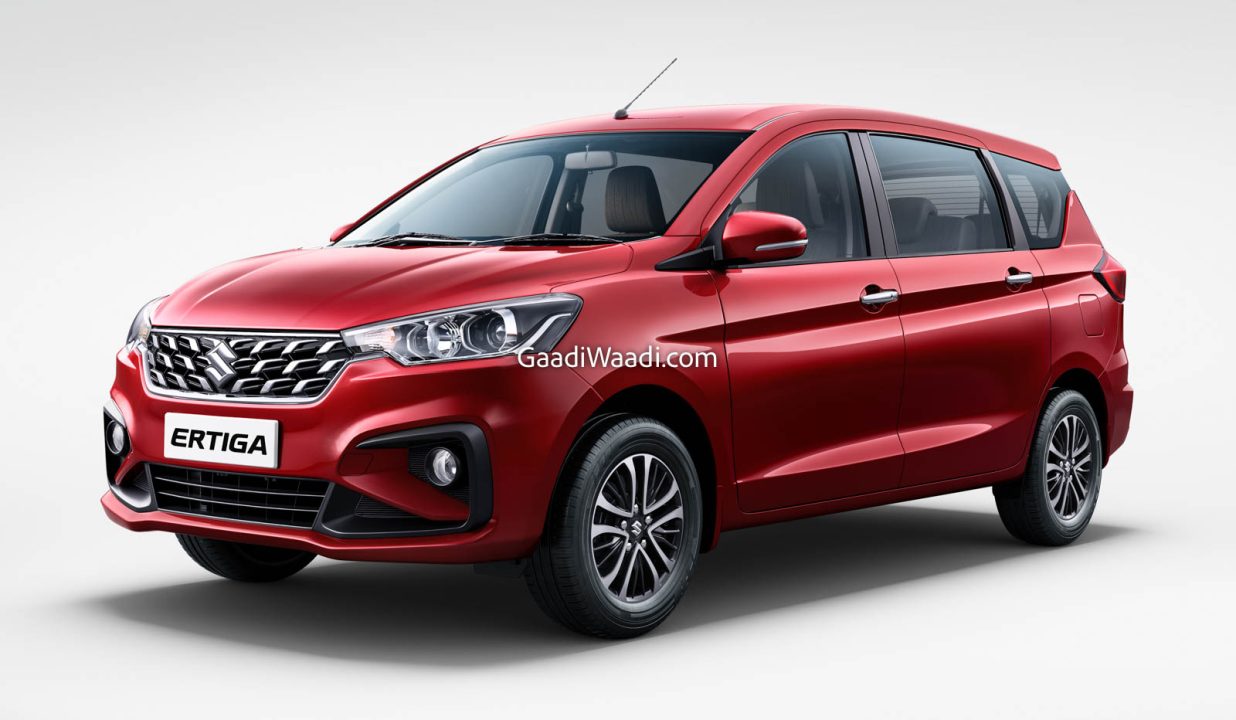
The Ertiga is one of the best-selling MPVs in India and its price range starts from Rs. 8.84 lakh, going all the way up to Rs. 13.13 lakh (ex-showroom). It is available in both petrol and CNG fuel options. Powered by the 1.5 litre K15C four-cylinder naturally aspirated petrol engine, the MPV is available in four variants.

2022 maruti ertiga 3

The Ertiga gets the options of a 5-speed manual and a 6-speed torque converter automatic gearbox. The power output of the 3-row MPV is rated at 103 PS and 139 Nm of peak torque. In terms of features, the Ertiga has cruise control, a 7-inch touchscreen infotainment system, 4 airbags, TPMS and more.

Also Read: Maruti Suzuki Sets The Stage For e Vitara With Major Service Expansion

4. Mahindra Bolero

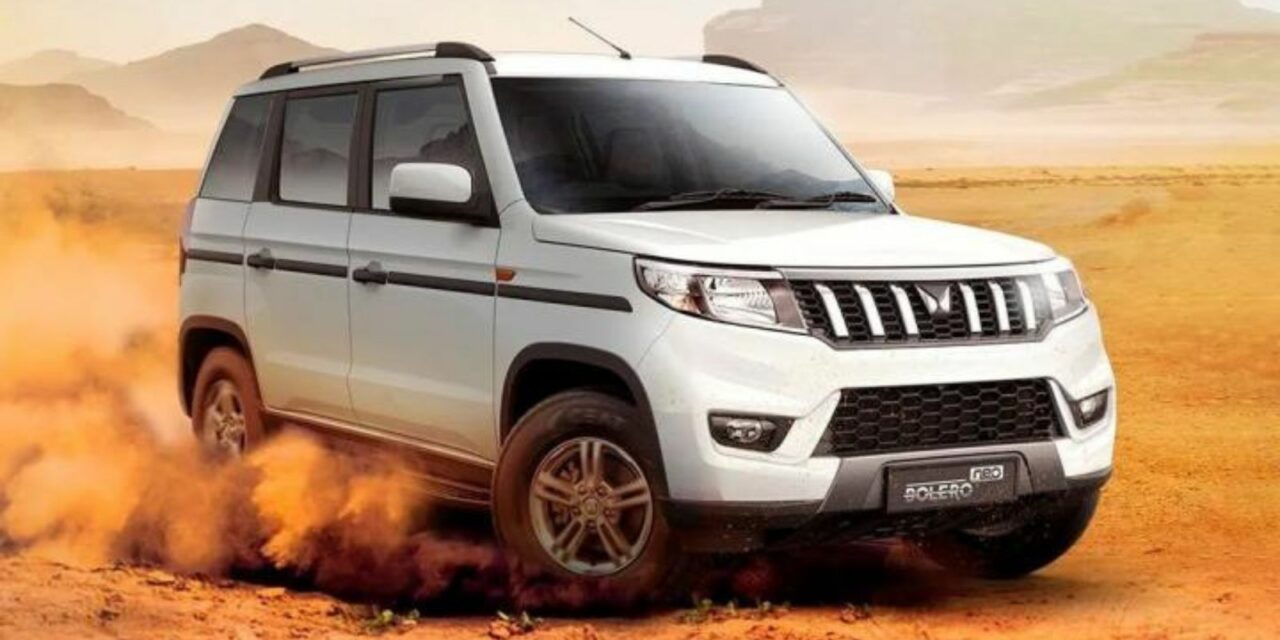
Mahindra-Bolero-Bolero-Neo-Bold-Edition-1.jpg

The Mahindra Bolero is quite a popular SUV in semi-urban and rural markets and it is priced in the range of Rs. 9.79 lakh to Rs. 10.91 lakh (ex-showroom). Available in three variants i.e. B4, B6 and B6 (O), the 7-seater SUV gets side-facing jump seats for the 3rd row seating. The Bolero is powered by a 1.5 litre 3-cylinder turbo diesel engine putting out 75 bhp and 210 Nm of peak torque, paired to a 5-speed manual gearbox. The Bolero is based on a ladder frame chassis and comes with a RWD configuration.

5. Mahindra Bolero Neo

Mahindra Bolero Neo Special Edition

The Bolero Neo is the more premium version of the Mahindra’s Bolero nameplate. Much like the regular Bolero, the Neo gets side-facing jump 3rd-row seats. The SUV is priced in the range of Rs. 9.95 lakh to Rs. 12.15 lakh (ex-showroom). It is powered by a 1.5-litre turbo diesel engine with 100 PS and 260 Nm of peak torque, mated to a 5-speed manual gearbox. The SUV is based on a ladder-frame chassis and gets a RWD configuration. In terms of features, the SUV comes with a touchscreen infotainment system, dual front airbags, cruise control and more.

The post 5 Best 7-Seater Cars Under Rs. 15 Lakh – Scorpio To Clavis appeared first on Gaadiwaadi.com - Latest Car & Bike News by Team GaadiWaadi.


from Gaadiwaadi.com – Latest Car & Bike News https://ift.tt/YrM9AOX

5 New Electric Scooters Launching In India Soon – Suzuki To Yamaha

GaadiWaadi -

TVS-VISION-IQUBE-CONCEPT-1.jpg

Several mainstream players such as Yamaha, Suzuki and TVS will introduce their electric scooters in the coming 7-9 months in the Indian market

The electric scooter segment in India is going to get at least five new models in the next 7-9 months. Several leading two-wheeler brands such as Hero MotoCorp, TVS, and Ather Energy are ready to launch their new e-scooters in the coming months. Needless to state, the electric two-wheeler segment has witnessed an unprecedented growth in the FY25 as compared to the previous fiscal year. Hence, more mainstream players such as Yamaha and Suzuki are also foraying into this segment. In this piece, we will talk about the 5 new electric scooters launching in India by FY26.

1. Suzuki e-Access

The Japanese company’s first-ever electric scooter for India debuted at the 2025 Bharat Mobility Global Expo. The brand began series production of the e-Access in May 2025 at its factory in Gurgaon, Haryana.

Suzuki e-Access (1)

Some of the notable features onboard will be all-LED lighting, dual-tone colours, front disc brake with CBS, USB port for Smartphone charging, Keyless system, Side stand interlock system, and 4.2-inch TFT display with Bluetooth connectivity, Navigation & Weather alerts. It will be powered by a 3 kWh fixed LFP battery which will return a range of 95 km on a single charge while also being compatible with fast charging.

Also Read: TVS To Launch New 450cc Twin-Cylinder Bike In India – Details

2. Hero Vida VX2

The Vida VX2 will finally be launched on July 1, 2025 in the Indian market. Being touted as a budget-friendly offering and Hero’s entry-level e-scooter, it will come with basic features in two trims namely Go and Plus.

Hero Vida Spied2

Though there is no official word on the battery pack, several media reports claim that 2.2 kWh and 3.4 kWh units will be offered with the VX2 with a minimum range of 100 km on a full charge. Hero Vida VX2 will be available with BaaS subscription, hence reducing the overall cost of the electric scooter.

3. TVS Orbiter

TVS will launch a new affordable electric scooter, positioned below the iQube, by October 2025 in the domestic market. It could be named as Orbiter while priced below the Rs 1 lakh mark. TVS Orbiter might feature the 2.2 kWh battery pack of the iQube’s base trim along with the same Bosch-sourced hub-mounted electric motor.

TVS-new-electric-scooter-Orbiter.jpg
Source: tmcblog.com

The e-scooter could have a range of 80 km on a full battery juice-up. The technical specs, features and design of the upcoming TVS electric scooter are not in public domain yet. We expect more details on the same in the coming months.

Also Read: 5 Upcoming Sub 500 cc Bikes In India – Hero To Triumph

4. Ather EL e-scooter

Ather Energy will unveil a new EL e-scooter platform in August 2025 while a few concepts based on the same platform will also break cover at the brand’s annual Community Day. Surprisingly, Ather Energy doesn’t have a single model in the sub Rs 1 lakh segment of electric scooters as all its products – be it Rizta or be it the 450 – are priced well above Rs 1 lakh.

ather-rizta-13.jpg

Hence, it is likely to introduce a new base model with price less than Rs 1 lakh in the country. The upcoming Ather electric scooter, based on the EL platform, could debut the brand’s latest software in the form of Ather Stack 7.0.

5. Yamaha RY01

Internally codenamed as RY01, it is being developed in partnership with Bengaluru-based EV startup River. It will be based on the River Indie while locally manufactured at River’s factory in Bengaluru. Yamaha RY01, being the company’s first-ever electric scooter for India, will be a premium model with multiple features borrowed from the Indie such as 6-inch fully coloured LED screen, 14-inch wheels and 4 kWh battery pack.

yamaha-electric-scooter-based-on-river-indie.jpg
Pic Source: Autocar

The RY01 could be introduced with a range of 100+ km on a single charge. The top speed could be around 90 kmph. It is likely to go on sale by early 2026 in the Indian market.

The post 5 New Electric Scooters Launching In India Soon – Suzuki To Yamaha appeared first on Gaadiwaadi.com - Latest Car & Bike News by Team GaadiWaadi.


from Gaadiwaadi.com – Latest Car & Bike News https://ift.tt/tE5szan

Hybrid Fever Taking Over India – 8 Brands Mulling Hybrid Cars

GaadiWaadi -

Dacia Duster

Hybrid cars flew under the radar in India for well over a decade, but the tide is finally turning; as many as eight new brands are set to start launching hybrid cars later this decade

It was back in June 2008 when Honda launched the Civic Hybrid as the first hybrid car in India, but that was an expensive CBU. It took India nearly 14 years to get its first locally manufactured hybrid car, which also happened to be a Honda – the City Hybrid, launched in April 2022. That said, it is also quite expensive, with key components being imported, and it hasn’t found many takers so far.

In contrast, the Toyota Urban Cruiser Hyryder Hybrid and Maruti Grand Vitara Hybrid that arrived in September 2022 and the Toyota Innova Hycross Hybrid that followed in December of the same year have been taken quite well. These models appear to have instilled a newfound confidence among automakers to introduce more hybrid cars. Then there’s also the looming threat of new emission norms that will pressure them to find an alternative to diesel engines by the next decade. Pure electric powertrains can’t be the only solution for a variety of reasons, and that’s where hybrid systems step in.

Kia will be the next brand to start selling hybrid models in India. The company has chosen the next-gen Seltos to begin its hybrid innings in our market. It is expected to unveil the Seltos Hybrid (codename: SP3) later this year and launch its Indian version (codename: SP3i) sometime in 2026.

Also Read: Kia, MG & Nissan To Light Up MPV Segment Soon In India – Key Info

New Kia Seltos

As early as the beginning of 2027, Renault will launch the Duster Hybrid as its first hybrid model in India. The company should introduce a hybrid variant of its upcoming seven-seat SUV, expected to be the yet-to-be-revealed Boreal, later that year. Nissan plans to launch its corporate cousins of these Renault SUVs soon after and will likely similarly launch their hybrid variants as well.

Hyundai plans to launch a new locally manufactured three-row SUV (codename: Ni1i) that is bigger than the Alcazar and directly competes with Mahindra’s XUV700 in 2027. The company will offer a hybrid powertrain in India for the first time starting with this model. The next-gen Creta (codename: SX3), which will arrive later that year, will also be available with a hybrid powertrain.

Also Read: 5 New Hyundai & Kia Cars Arriving Over The Next 12-18 Months

Hyundai Creta SUV 1
Hyundai Creta

Volkswagen Group is also working on locally manufactured hybrid cars for India, under the core Skoda and Volkswagen brands. The company is likely to launch the first of these models, possibly the next-gen Skoda Kushaq, by 2028. The replacements for the current VW Taigun, Skoda Slavia, and VW Virtus should follow, all three with hybrid systems. A 7-seat SUV from both core brands could also be in the pipeline, and that model may also be launched with a hybrid powertrain.

Mahindra did not have hybrid models in their plans earlier but is responding to the shifting consumer preferences. The company is contemplating series-hybrid models as well extended range electric vehicles (EREVs), which are essentially series-hybrid cars with a much larger, externally chargeable battery pack. It is looking at the 3XO with the regular series-hybrid powertrain and the BE 6 and XEV 9e with a rechargeable one.

mahindra-XUV-3XO-15

Tata Motors also did not have plans to launch hybrid cars but is now open to the idea if that’s where a sizeable chunk of the market decides to move in the future. The company is still opposing any incentives on hybrid cars, batting exclusively for EVs, but it is no longer ruling out introducing hybrid models if enough customers demand them. It does not have any firm plans for a specific hybrid car as of yet, though.

The post Hybrid Fever Taking Over India – 8 Brands Mulling Hybrid Cars appeared first on Gaadiwaadi.com - Latest Car & Bike News by Team GaadiWaadi.


from Gaadiwaadi.com – Latest Car & Bike News https://ift.tt/69xhWI3

RE Meteor 350 Turned Into A Bobber: The Best Looking Meteor 350 Yet?

GaadiWaadi -

Modified Meteor 350

The RE Meteor 350 cruiser motorcycle has been converted into a stylish bobber by Delhi-based Custom Neev Motorcycles

Royal Enfield is one of the most sought-after motorcycle brands in India, enjoying sheer popularity amongst young customers. Sporting the most custom-friendly classic designs, RE motorcycles are being increasingly preferred by modification experts and we have come across a modified Meteor 350 by Neev Motorcycles. Let’s dive deeper into the modification carried out on the Royal Enfield Meteor 350 by Delhi-based custom experts.

To begin with, the modified motorcycle sports the classic bobber silhouette which is further accentuated by the low single-piece seat and fat rubber on both ends. Going into details, we get a full LED headlamp upfront with piano black housing, accompanied by a subtle windscreen which gives the motorcycle a clean appearance.

Overall, the custom Meteor 350 looks a class apart with its unique copper paint scheme with generous use of golden accents all around, particularly on the tank, side panels as well as mudguards. The Royal Enfield logo is also finished in golden colour.

Also Read: 5 Upcoming Sub 500 cc Bikes In India – Hero To Triumph

Modified Meteor 350 (3)
Pic Source: Neev Motorcycles

Towards the sides, the true blue bobber character is highlighted by the hefty fuel tank, raised handlebar, low seat and a very clean rear-end design. One of the main frame bolts gets a golden finish to match the overall theme of the custom motorcycle. The single exhaust setup has been retained as it is, and the engine sports a piano black paint finish.

In addition to this, the engine cowl, crash guard and bar end mirrors have been added to the package, in order to enhance the overall appeal. The single pod digi-analogue instrument cluster with fully digital Tripper navigation also continues as it is with the custom motorcycle.

Also Read: Upcoming Royal Enfield Electric & Hybrid Bikes – What We Know So Far

Modified Meteor 350
Pic Source: Neev Motorcycles

Furthermore, the modified Meteor 350 get a new set of multi-spoke wheels, disc brakes at both ends, conventional telescopic forks at the front with full covers as well as a tweaked rear suspension setup. The Royal Enfield Meteor 350 is powered by the familiar 349cc single-cylinder air-cooled engine, putting out 20.2 bhp and 27 Nm of peak torque. The motor is mated to a 5-speed manual gearbox.

The post RE Meteor 350 Turned Into A Bobber: The Best Looking Meteor 350 Yet? appeared first on Gaadiwaadi.com - Latest Car & Bike News by Team GaadiWaadi.


from Gaadiwaadi.com – Latest Car & Bike News https://ift.tt/ey0ifFB

Mumbai To Goa In Style: Take Your Car On A Train – Here’s How

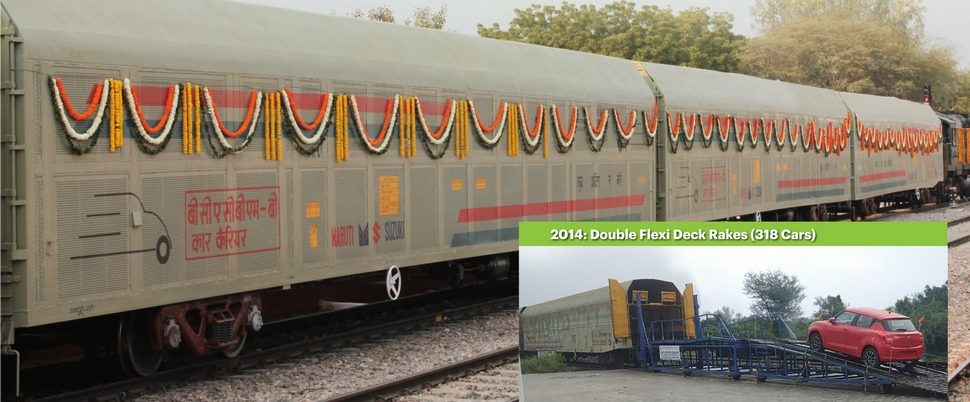
Maruti Suzuki Rail Mode

Konkan Railway may soon offer car transport by train from Mumbai to Goa

Travel between Mumbai and Goa may soon become more convenient and stress-free, with Konkan Railway exploring the possibility of transporting private passenger vehicles by train. This new service, modelled on the successful ‘Roll-on Roll-off’ (Ro-Ro) system for trucks, aims to provide an alternative travel option for car owners while easing road congestion.

The initiative would allow travellers to drive their cars onto specially designed train wagons and accompany them on the journey. Once launched, it could significantly reduce travel time, fuel consumption and vehicle wear and tear, particularly along the challenging Konkan coastal route. The project is expected to be piloted as early as the upcoming Ganapati festival season.

Konkan Railway’s Ro-Ro service, operational for years, currently transports trucks between Kolad in Maharashtra and Mangalore in Karnataka. This system uses custom-built wagons equipped with ramps, enabling vehicles to roll onto the train and be secured for transit. By shifting freight transport from road to rail, the Ro-Ro model has helped reduce fuel consumption, travel times and highway congestion.

Encouraged by the success of the truck-based Ro-Ro, Konkan Railway is now considering expanding the service to private passenger vehicles like cars and SUVs. According to Santosh Kumar Jha, Managing Director and Chairman of Konkan Railway, this new variant could provide both practical and environmental benefits, especially during the monsoon season when road conditions deteriorate due to landslides and water-logging.

The Mumbai-Goa highway journey typically takes 10 to 12 hours and includes winding ghats, heavy traffic, and unpredictable weather. By opting for the rail-based car transport system, travellers could bypass these challenges, save fuel and enjoy a more relaxed journey. Passengers would have the comfort of traveling alongside their vehicles, eliminating the hassle of long hours behind the wheel.

Konkan Railway is also enhancing its infrastructure to handle monsoon-related disruptions more effectively. The monsoon timetable has been shortened by 10 days this year, and additional safety measures such as 636 trained personnel for vulnerable zones, automated rain gauges, LED signals and speed restrictions during low visibility have been introduced.

If successful, the pilot project could pave the way for similar services on other high-traffic routes across India, providing a safer and more efficient travel option for private vehicle owners.

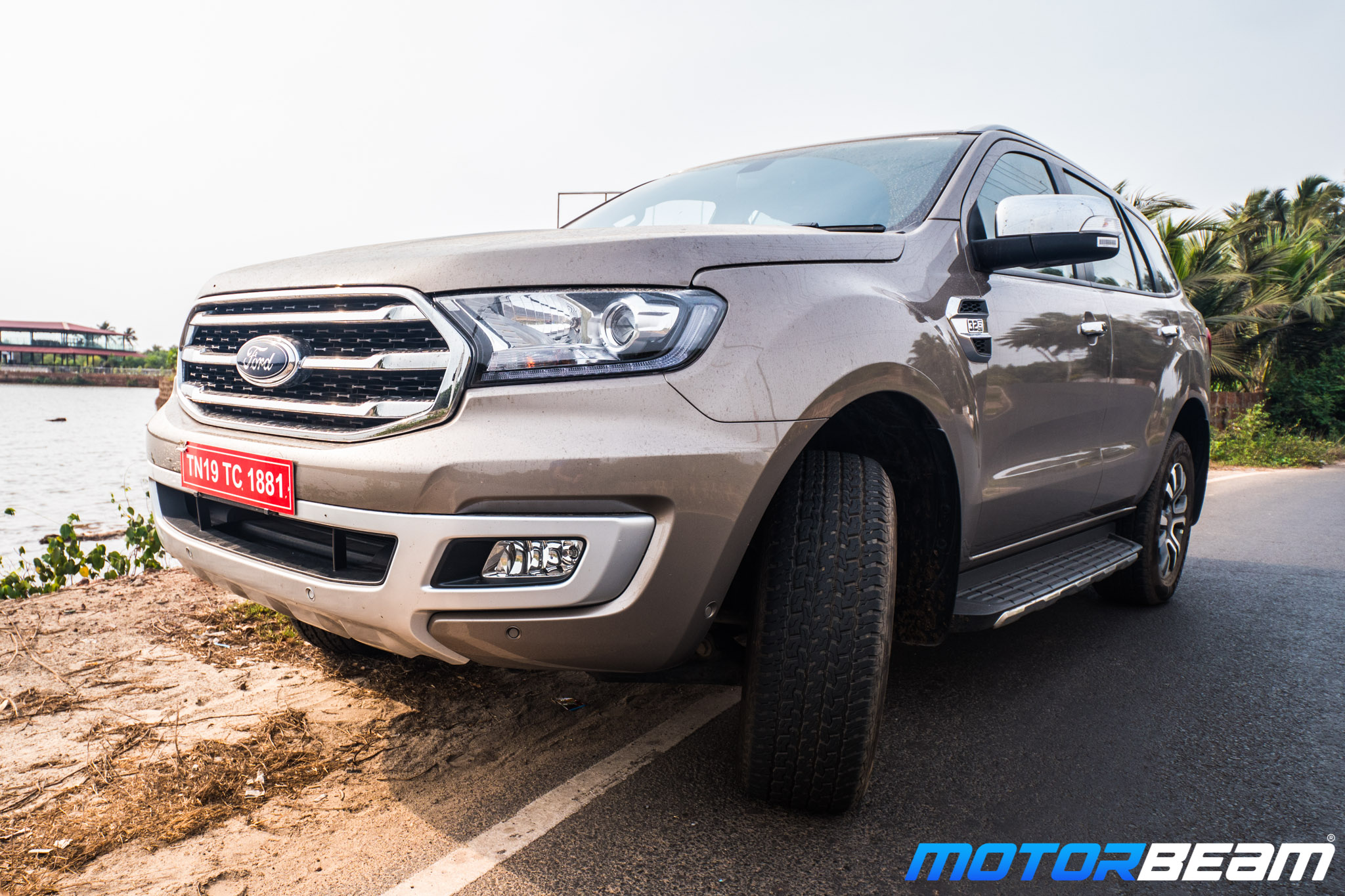
Ford Endeavour Travelogue Mumbai To Goa

Source

The post Mumbai To Goa In Style: Take Your Car On A Train – Here’s How appeared first on MotorBeam.


from Car News | MotorBeam - Indian Car Bike News & Reviews https://ift.tt/oD5rLak

5 Soon-Launching New Mahindra SUVs Within Next 6-12 Months

GaadiWaadi -

New Mahindra Bolero Rendering

Here we have explained about the 5 new Mahindra SUVs that are set to launch within the next 6-12 months in India

Mahindra & Mahindra is gearing up for an aggressive expansion of its SUV range in the Indian market, with several new models lined up for launch over the next 6 to 12 months. As the company readies its entry into the hybrid segment, its existing lineup of internal combustion and electric vehicles will also see major updates and new arrivals. Here we have listed the soon-launching SUVs:

1. Mahindra Bolero New Gen:

Mahindra-Thar-Electric-Sped-Next-Gen-Bolero-Neo-1.jpg
Spy Source: Motowagon

Mahindra is expected to pull the covers off an all-new ladder-frame platform this August, a move that may set the stage for the next-generation Bolero Neo. With heavily camouflaged prototypes already spotted on multiple occasions, speculation is now mounting that the production-ready SUV might break cover during the same Independence Day event.

2. Mahindra Thar 3-Door Facelift:

Mahindra 3-Door Thar
Pic Source: Team BHP

The three-door Mahindra Thar, spotted once again wrapped in camouflage, appears to be moving steadily toward its mid-life refresh. Test mules suggest that the facelifted model will borrow subtle design influences from the Thar Roxx. Tweaks are expected across the exterior including new headlamp elements, revised bumpers and new alloy wheel design. Inside the cabin, updates are also on the horizon, pointing to a more upmarket overall package.

3. Mahindra XUV 700 Facelift:

Mahindra-XUV700-facelift-2026-3.jpg
Image Source: TamilMotors360

Initial observations suggest that a reworked face is on the cards with particular attention seemingly paid to the headlamp housings and front bumper design. Flush door handles remain in place along the sides but other design tweaks are possible across the body including the tail lamps. The cabin is also expected to undergo revisions hinting at a more comprehensive update than just skin-deep changes.

4. Mahindra XEV 7e:

Mahindra-XEV-7e-XUV-8e.jpg
Image Source: Saahil Kapoor

The XEV 7e from Mahindra, built on the INGLO platform that also forms the basis for the BE 6 and XEV 9e, is expected to carry forward similar battery options. In terms of styling and stance, the production version is set to draw heavy inspiration from the XUV.e8 concept. If things stay on track, its public debut could happen before the end of the current year.

5. Mahindra XUV 3XO EV:

Mahindra-XUV-3XO-EV-Spied.jpg
Image Source: PowerStroke

The battery-powered iteration of the XUV 3XO has been undergoing road tests frequently, pointing to an imminent market debut. Positioned a rung below the XUV400 in Mahindra’s electric SUV lineup, the upcoming model could offer a claimed range in the ballpark of 450 kilometres. Visually and inside the cabin, it will retain most cues from its internal combustion sibling though subtle tweaks are expected.

The post 5 Soon-Launching New Mahindra SUVs Within Next 6-12 Months appeared first on Gaadiwaadi.com - Latest Car & Bike News by Surendhar M.


from Gaadiwaadi.com – Latest Car & Bike News https://ift.tt/GxqXrnW

NHAI’s FASTag Annual Pass May Cut Toll Revenues by 4-8%: CRISIL

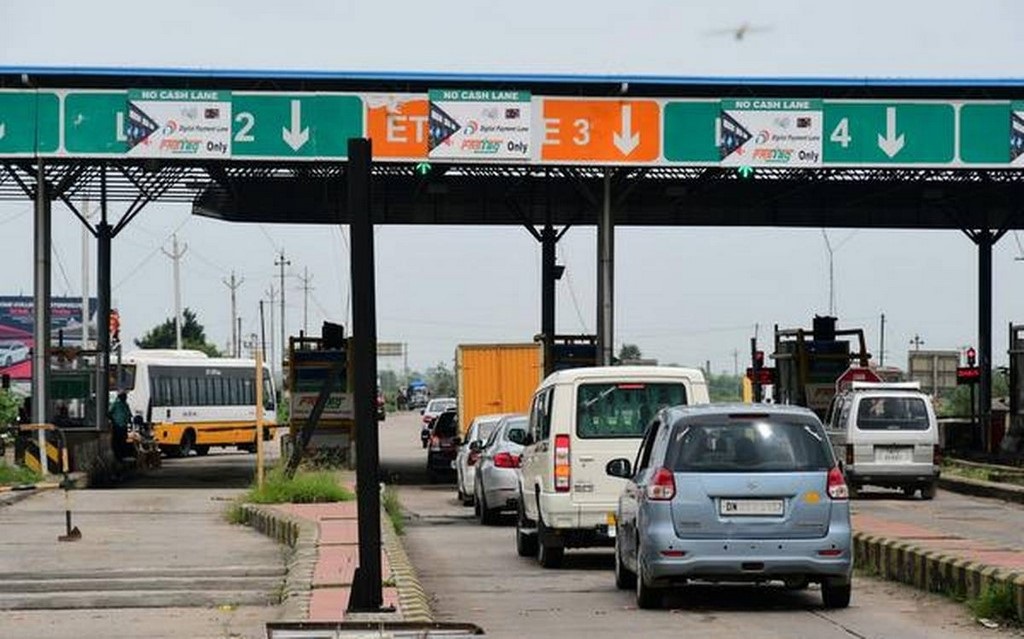
Toll Booths

NHAI’s FASTag annual pass may reduce toll revenues by 4-8%, says CRISIL

The recently announced FASTag annual pass for private vehicles is expected to reduce toll revenues by 4-8%, according to an analysis by CRISIL Ratings. The assessment, based on 40 operational toll road projects, outlines both the revenue implications and expected industry response to the new pricing initiative, which takes effect on August 15, 2025.

The National Highways Authority of India (NHAI) introduced the Rs. 3000 annual pass to make highway travel more affordable for private vehicles, including cars, vans, etc. The pass allows for 200 trips or one year of usage on national highways and expressways, whichever is exhausted first. For frequent users, this translates to nearly 80% savings per trip, compared to current toll rates of Rs 70-80.

CRISIL’s evaluation suggests that while private vehicles constitute 35-40% of highway traffic, their share of total toll revenues stands at a lower 25-30%. If approximately one-third of these private vehicle owners purchase the annual pass, toll operators are projected to see a revenue dip in the range of 4-8%.

Anand Kulkarni, Director at CRISIL Ratings, emphasised the need for timely finalisation of a compensation mechanism to offset revenue losses for operators. He highlighted that a clear, swift compensation process will help maintain private sector confidence, which is critical for ongoing infrastructure investment.

The transition to the new system will require toll operators to collect compensation from NHAI rather than through direct, real-time toll payments from users. CRISIL pointed out that while delays in establishing compensation processes are possible, the established payment history of NHAI under other models such as build-operate-transfer (BOT) annuity and hybrid annuity projects should mitigate concerns over payment delays.

Despite the expected revenue dip, CRISIL believes that toll road operators’ credit risk profiles will remain stable. The agency noted that most rated projects have sufficient liquidity to absorb short-term mismatches, even if there is a six-month delay in receiving the first round of compensation from NHAI.

Saina S Kathawala, Associate Director at CRISIL Ratings, stated that debt service coverage ratios (DSCRs) are expected to be minimally affected this fiscal year due to existing cash buffers. Once compensation mechanisms are operational, DSCR levels should normalise.

The new annual pass is expected to provide significant benefits for frequent commuters but could temporarily disrupt toll operator revenues, particularly if adoption rates exceed projections. CRISIL recommended close monitoring of adoption trends to manage potential financial impacts during the transition phase.

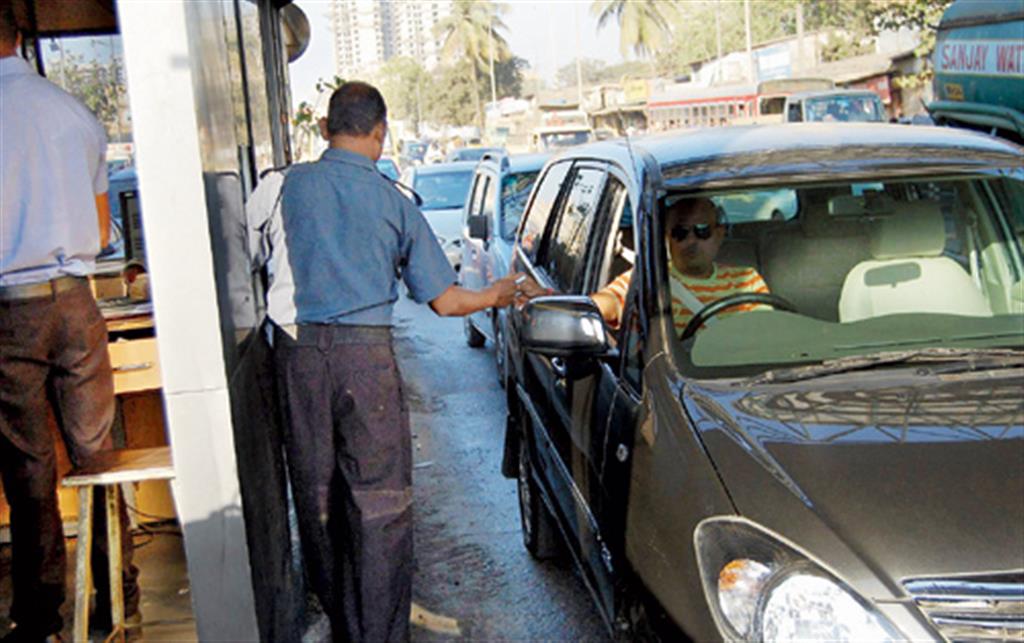
Mumbai Toll Plaza

The post NHAI’s FASTag Annual Pass May Cut Toll Revenues by 4-8%: CRISIL appeared first on MotorBeam.


from Car News | MotorBeam - Indian Car Bike News & Reviews https://ift.tt/BZnFjpe

10+ New Tata Cars Waiting To Arrive In India – All Key Info

GaadiWaadi -

tata avinya electric concept

Here we have listed the upcoming Tata cars that are expected to launch in the coming years in India across different segments

A wide sweep of additions and updates is on the cards as Tata Motors outlines its next phase in the passenger vehicle space. The product roadmap stretches across both new nameplates and revisions to models already in the line up. According to the company’s internal targets, no fewer than 30 new offerings are expected to be rolled out before the end of the decade.

Tata’s future product range will see seven completely new nameplates added. Between internal combustion and electric drivetrains, the company is now working to nearly double its existing passenger vehicle range. The expanded portfolio is part of a wider product blitz, unfolding just as the race for the number two spot in India’s PV market heats.

With the refreshed Altroz already on sale and the Harrier EV now officially in motion, Tata will soon begin rolling out its long term expansion strategy. The timing is not incidental. Both Mahindra and Hyundai are gearing up to flood the market with new models over the next five years, intensifying competition across every price bracket. Tata’s expanded push signals a clear intention: to fortify its current foothold while keeping pace with the fast evolving segments.

Also Read: Tata Sierra And Mahindra XUV 700 Facelift To Get Triple Screen Layout

2025-Tata-Sierra-ICE-2.jpg

The reborn Sierra is set to rejoin Tata’s lineup later this financial year – offered in both electric and ICE versions. Alongside it, the Avinya range is being readied to give the brand a stronger foothold in the premium segment. Meanwhile, work is ongoing on 23 internal combustion models with the new-generation Nexon and an updated Punch featuring prominently in that batch.

We can expect mid-cycle updates for its entry-level models such as the Tiago and Tigor. The electric Sierra will precede the launch of its ICE counterpart. Tata has set aside as much as Rs 35,000 crore for its passenger vehicle operations between FY2026 and FY2030. Reports also indicate that Tata is exploring the possibility of bringing in hybridised models in the coming years.

Also Read: Exclusive: Tata Harrier EV Variant Wise Features, Full Specs & Range Detailed

Tata-Avinya-X-3.jpg

The allocation covers a wide spectrum, ranging from next-generation powertrain engineering and upgraded electronics to deeper investments in in-house software and connected systems. Much of this financial backing will also drive development of upcoming models that are already in the pipeline.

Both the Harrier and Safari are set to receive a petrol engine option by the end of the current financial year. The new 1.5-litre turbocharged petrol unit is expected to produce 168 PS and 280 Nm of torque – introducing a long-awaited alternative to the existing diesel lineup. Alongside this, the company is also working on a mid-cycle update for the Punch EV while the Nexon EV will also get updates in the near future.

The post 10+ New Tata Cars Waiting To Arrive In India – All Key Info appeared first on Gaadiwaadi.com - Latest Car & Bike News by Surendhar M.


from Gaadiwaadi.com – Latest Car & Bike News https://ift.tt/5AGZmB4

Maruti Suzuki Sets New Record By Servicing Over 24.5 Lakh Vehicles In A Month

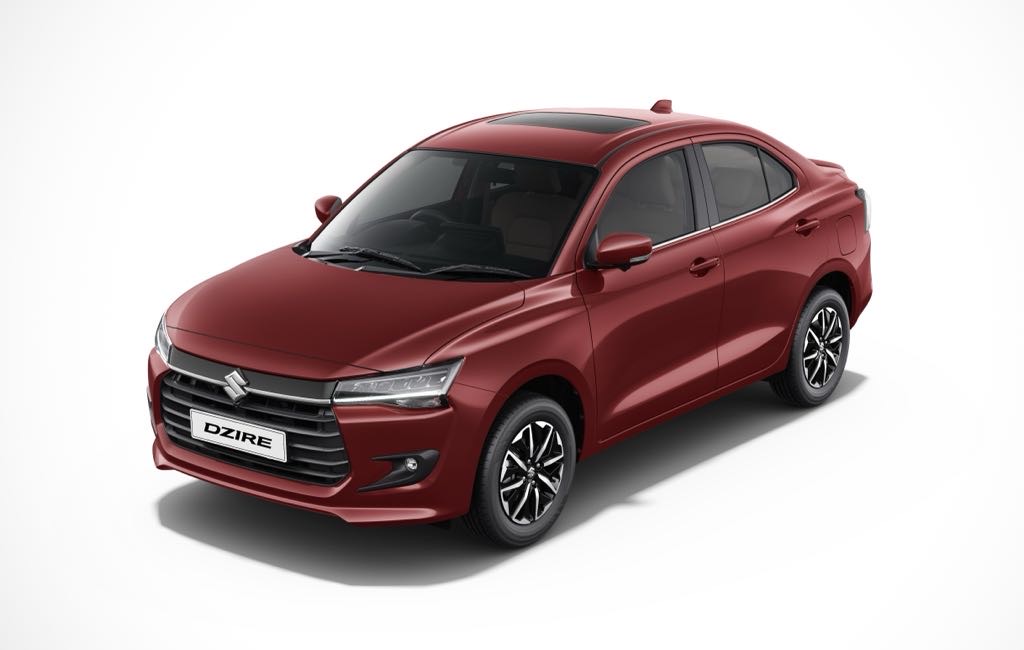
2025 Maruti Dzire Red

Maruti Suzuki services 24.5 lakh vehicles in a month, eyes EV-ready expansion

Maruti Suzuki India has reached a significant milestone in its after-sales operations by servicing over 24.5 lakh vehicles in a single month. This figure includes vehicles covered under free and paid services as well as running repairs, marking the highest service volume achieved by the company to date.

Commenting on the development, Hisashi Takeuchi, Managing Director and CEO of Maruti Suzuki India, highlighted the role of the company’s widespread service network and the dedication of its teams. “This milestone reflects the scale, efficiency and reach of our service operations. It is a testament to the tireless efforts of our service teams and dealer partners across India,” he stated.

Currently, Maruti Suzuki operates a robust network of more than 5400 service touchpoints across the country. To meet the growing needs of customers and prepare for future demands, the company has set a target to expand its service network to 8000 touchpoints by the financial year 2030-31.

Looking ahead, Maruti Suzuki is also preparing for its entry into the electric vehicle market. The automaker plans to launch its first EV, the e-Vitara, in India. As part of this transition, the company is establishing 1500 EV-ready service workshops across more than 1000 cities.

In addition to traditional workshops, Maruti Suzuki has introduced mobile service units and a Quick Response Team (QRT) to offer emergency assistance on the road. The company is also leveraging digital tools such as AI-powered chatbots and voice bots to enhance the customer experience.

With these developments, Maruti Suzuki aims to strengthen its service infrastructure while gearing up for the future shift towards electric mobility.

The post Maruti Suzuki Sets New Record By Servicing Over 24.5 Lakh Vehicles In A Month appeared first on MotorBeam.


from Car News | MotorBeam - Indian Car Bike News & Reviews https://ift.tt/wE7Mi5T

Two Top Selling Midsize SUVs To Likely Get Hybrid Powertrain – Key Details

GaadiWaadi -

New Kia Seltos

Hyundai and Kia will launch the new-generation models of their popular midsize SUVs namely Creta and Seltos, respectively, in the next 12-18 months

The South-Korean brands Hyundai and Kia will introduce the new-generation model of their popular midsize SUVs in the coming 12-18 months in the Indian market. The SUVs in question here are Hyundai Creta and Kia Seltos, which will receive generational change. The new-gen models have been confirmed to carry a hybrid powertrain setup, which will be a first for both the SUVs. Here in this piece, we will talk in detail about the upcoming new-gen Hyundai Creta and new-gen Kia Seltos in the domestic market.

1. New-gen Hyundai Creta Hybrid

The third-gen Hyundai Creta, slated to launch by early 2027, will become the brand’s first model to get the hybrid tech. Besides the regular petrol and diesel engines, for the first time, it will come with a hybrid engine option. The naturally-aspirated 1.5L 4-cylinder petrol engine will get the hybrid treatment as the SUV will lock horns with the Maruti Grand Vitara, Toyota Urban Cruiser Hyryder, Renault Duster hybrid and the new Nissan hybrid SUV.

Also Read: Upcoming Hyundai Creta Rivals You Should Wait For In India

Creta
PIc Source: Ashish Anand

Hyundai India, in view of the upcoming CAFE 3 emission standards, is planning to introduce hybrid versions of its SUV models in the range of Rs 15-30 lakh. Needless to state, Hyundai Creta hybrid will be more efficient than before while sold in the domestic market as well as exported to multiple global markets.

2. New-Gen Kia Seltos Hybrid

The new-gen Seltos will come with a petrol-hybrid engine setup as confirmed by the brand on the 2025 Investor Day. It will launch at least six months before the new-gen Creta hybrid, which is expected to debut in early 2027. So, the new-gen Kia Seltos hybrid is likely to hit the Indian roads by mid 2026 while sharing the petrol-hybrid powertrain with the Creta hybrid.

Also Read: Upcoming 3 Family EVs Launching Soon In India – Kia To MG

New-Gen-Kia-Seltos1.jpg
Image Source: nitrorush_01

The new-gen model has already been spotted multiple times during the test runs on the Indian roads. Besides the hybrid powertrain, it will get a radical makeover in terms of styling. The front fascia will flaunt redesigned headlight assembly while riding on newly designed alloy wheels, revealed the spy images. The rear profile has also been transformed heavily to differ from the ongoing model.

Adorning Kia’s ‘Opposites United’ design philosophy seen on the Syros and EV9, the new-gen Seltos hybrid will also undergo substantial updates inside the cabin. It will borrow several high-end premium features from the EV5 and EV9. The new-gen Kia Seltos will carry the same naturally-aspirated 1.5L petrol, 1.5L turbocharged petrol and 1.5L diesel engines.

The post Two Top Selling Midsize SUVs To Likely Get Hybrid Powertrain – Key Details appeared first on Gaadiwaadi.com - Latest Car & Bike News by Team GaadiWaadi.


from Gaadiwaadi.com – Latest Car & Bike News https://ift.tt/8jvViwA