Production-Spec 2027 Toyota Innova Hycross Facelift Rendered

GaadiWaadi -

2027-Toyota-Innova-Hycross-Rendered.jpg

New render of 2027 Toyota Innova Hycross combines design patent and spy shots revealing a sharper grille and lighting system for the facelifted MPV

We have attached a new render image of the facelifted Toyota Innova Hycross offering a possible production-spec interpretation based on an official design patent and details seen on test vehicles. The rendered MPV features a substantially revised front fascia while changes at the rear appear relatively restrained when judged by the spy images. The cabin is also expected to receive a larger infotainment screen and updated digital displays.

The front end shown in the render centres around a prominent mesh-pattern grille placed below a sleek LED lighting system that stretches across the upper section of the bonnet. The headlamps appear narrower and more angular than those on the current Innova Hycross sitting closer to the outer edges of the bonnet. A revised bumper adds angular lower air intakes, horizontal detailing and separate fog-lamp housings near the corners.

As in the patent, the render shows a diamond-pattern insert below a circular badge mount alongside angular openings on either side of the lower bumper and a horizontal slat across the lower apron. Several rectangular sections sit along the lower edge potentially accommodating parking sensors or other hardware. Changes at the rear appear more restrained.

2027-Toyota-Innova-Hycross-Spied-Again-1.jpg
Image Source: navirusithan/instagram

The slightly revised taillamps will feature revised LED graphics while a black trim element may connect the two units across the tailgate. The rear bumper shape remains familiar from the spy shots while the roof spoiler, shark fin antenna and rear wiper are expected to carry over. The cabin could receive a more substantial update than the exterior.

Spy images indicate a larger free-standing touchscreen infotainment system featuring slimmer bezels while the overall dashboard appears close to the current model. The digital instrument cluster could also receive revised graphics and additional vehicle information. An upgraded connected package and additional safety equipment are expected as part of the facelift.

Toyota-Innova-Hycross-Facelift-Spied-2.jpg
Image Source: habeeb_payyoly

The mechanical bits are also expected to remain largely unchanged. The current Innova Hycross uses a 2.0-litre naturally aspirated petrol engine producing 173 hp and coupled with a CVT automatic transmission while the strong hybrid version combines a 2.0-litre petrol engine and electric motor for a claimed 184 hp system output, hooked with an e-CVT.

Toyota could also expand the Innova Hycross’ assistance tech through a more comprehensive Level 2 ADAS package. The prices of the popular MPV are expected to go up slightly considering all the changes involved.

The post Production-Spec 2027 Toyota Innova Hycross Facelift Rendered appeared first on Gaadiwaadi.com - Latest Car & Bike News by Surendhar M.


from Gaadiwaadi.com – Latest Car & Bike News https://ift.tt/5wLWKCQ

Tata Motors Rebrands Passenger Vehicle Business As Tata.Cars

Tata.Cars

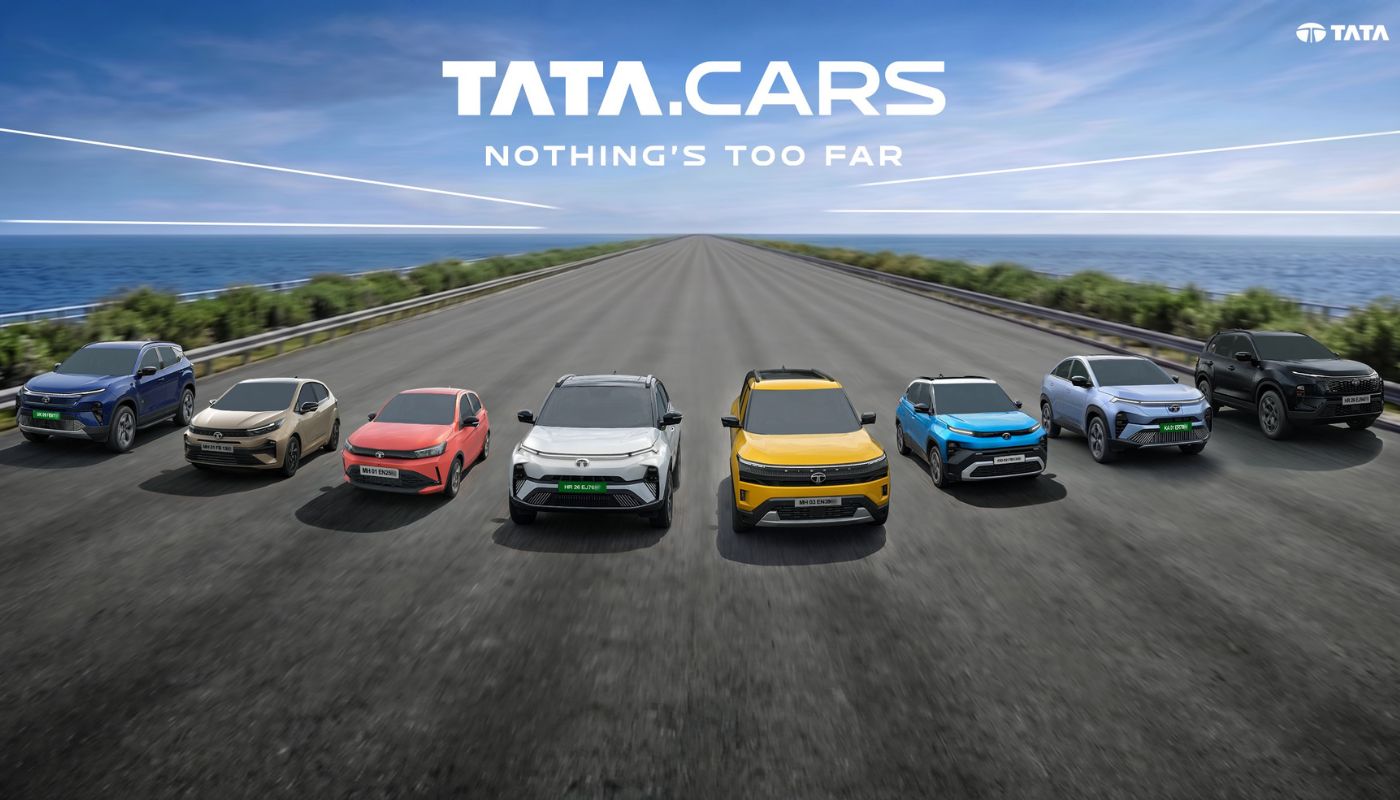
Tata Motors has introduced Tata.Cars as the new customer-facing identity for its passenger vehicle business in India. The new umbrella brand will cover the company’s petrol, diesel and electric passenger vehicles, while Tata.ev will continue to operate as the dedicated electric vehicle sub-brand.

The change is primarily a branding and retail identity exercise and does not alter the company’s existing legal or corporate structure. Tata Motors Passenger Vehicles will continue to remain the registered legal entity used for regulatory filings, manufacturing operations, contracts and other statutory requirements.

The Tata.Cars identity will be introduced gradually across the company’s customer-facing ecosystem. This includes dealerships, online platforms, after-sales and service facilities, advertising and other marketing communications.

Tata.ev remains part of the new brand structure

Under the revised architecture, Tata.ev will continue to be used for the company’s electric vehicle portfolio, but will sit within the broader Tata.Cars brand.

The move gives Tata Motors a single umbrella identity for its passenger vehicle operations while retaining Tata.ev as a distinct EV-focused sub-brand. This means both conventional internal combustion engine vehicles and electric models will be represented under Tata.Cars.

The company said the new identity reflects the way its passenger vehicles are commonly described by customers in India, with the term “Tata cars” already being widely associated with the brand’s passenger vehicle range.

New visual identity introduced

Alongside the new name, Tata Motors is introducing a refreshed visual and sensory identity for its passenger vehicle business.

The new design system is based on a philosophy called Parallel Pathways. It includes Ambition Blue as the primary brand colour, along with a custom typeface named Parallel Display.

The company is also introducing a new sonic identity as part of the broader rebranding exercise. These elements are expected to become increasingly visible across the company’s customer interactions and communication channels.

Dealerships to receive updates

Tata Motors plans to progressively update its retail network to reflect the new branding. Dealership interiors are expected to begin receiving the revised identity over the coming months.

The branding changes will also extend to service and after-sales touchpoints, digital platforms and product-related communication. Customers are therefore likely to encounter the Tata.Cars name more frequently as the transition progresses.

However, the rebranding does not mean that Tata Motors is creating a new legal company for its passenger vehicle operations. Existing corporate and regulatory structures will remain in place, with Tata Motors Passenger Vehicles continuing to handle the business as the legal entity.

The introduction of Tata.Cars gives Tata Motors a more clearly defined consumer-facing identity for its passenger vehicle operations, while keeping its existing EV sub-brand and corporate structure intact.

The post Tata Motors Rebrands Passenger Vehicle Business As Tata.Cars appeared first on MotorBeam.


from Car News | MotorBeam - Indian Car Bike News & Reviews https://www.motorbeam.com/tata-motors-rebrands-passenger-vehicle-business-as-tata-cars/

Next-Gen Toyota Fortuner To Likely Debut In The Coming Months

GaadiWaadi -

Next-Gen-Toyota-Fortuner-Rendered.jpg

Next-gen Toyota Fortuner will get major mechanical upgrades, possible hybrid powertrain and a significantly updated cabin

Toyota is working on the next generation Fortuner for a global debut before the end of FY2026-27, according to the latest development timeline emerged online, while prototype vehicles have already entered testing overseas. The seven-seater SUV is expected to reach India after its international premiere with a major overhaul for one of Toyota’s longest running products.

The new model should retain the body-on-frame construction that has defined the Fortuner but receive changes to its architecture, exterior design, cabin and powertrain range. The biggest transformation could come from Toyota upgrading the Fortuner to its TNGA-F ladder-frame platform. The architecture already serves the Hilux and several larger Toyota SUVs.

The new platform could also provide scope for improvements in structural strength, ride quality and off-road capability. Electrification is expected to become another important part of the next Fortuner’s global range. Toyota is reportedly developing hybrid technology for the all-new SUV but the speculations remain nothing more than skin deep.

2026 All-new Hilux BEV Hybrid Interior
Hilux BEV’s Interior

The Fortuner’s hybrid setup is expected to differ from the systems found in the Innova HyCross and Urban Cruiser Hyryder as Toyota will need to embrace the technology to a larger SUV and its ladder-frame construction. The exterior will receive a substantial redesign while retaining the Fortuner’s familiar upright stance judging by the spy pictures.

They also point towards a sharper front end, slender LED headlamps, a larger grille and a revised bumper. The side profile could gain more pronounced character lines, revised proportions and new alloy wheels while changes around the pillars may give the SUV a more substantial appearance. The rear is also expected to gain a new lighting treatment – potentially featuring a full-width LED element connecting the tail lamps and Fortuner lettering across the tailgate.

Next-Gen Toyota Fortuner Rendered 1
Speculative Rendering Based On Spy Shots

The cabin will receive one of the largest upgrades as Toyota could introduce dual 12.3-inch displays for the instrument cluster and infotainment system alongside connected tech and over-the-air software updates. Other expected additions include a panoramic sunroof, 360-degree camera, upgraded climate control functions and a more comprehensive ADAS package.

For India, however, the timeline remains less certain. Recently, the new Hilux was introduced locally and considering the high popularity for the Fortuner, we can expect the next-gen to arrive sometime in 2027.

The post Next-Gen Toyota Fortuner To Likely Debut In The Coming Months appeared first on Gaadiwaadi.com - Latest Car & Bike News by Surendhar M.


from Gaadiwaadi.com – Latest Car & Bike News https://ift.tt/U5rRE1t

2026 Mahindra Thar 3-Door Facelift Spotted Again: What To Expect

GaadiWaadi -

Mahindra Thar 3 Door Facelift

The updated Thar gets a new front fascia, fresh alloy wheels and could borrow more design cues from the Thar Roxx

The Mahindra Thar 3-door is set for another update, and the latest test mule gives us a clearer look at what the company is changing. The SUV was given a minor update in 2025, but this upcoming version appears to be a more comprehensive facelift, with the focus largely on the exterior. It is expected to arrive in the coming months, with prices likely to be slightly higher than the current Thar.

The biggest talking point is the front fascia. Earlier test mules had hinted at a six-slat grille inspired by the larger Thar Roxx, but the latest prototype seen testing gets a different five-slot grille with a small horizontal element on the right side. It is still unclear why Mahindra is testing two different grille designs, although there is a possibility that they could be used on different editions or variants. The test vehicle also gets new five-spoke alloy wheels.

The headlamps and bumpers are also expected to receive updates. Earlier prototypes had shown circular LED headlamps with C-shaped DRLs, closely resembling the treatment seen on the Thar Roxx. The latest mule is heavily camouflaged around the front, so the final design isn’t completely clear yet, but a move towards an all-LED lighting setup appears likely. The rear could also receive revised elements, including updated LED tail-lamps and a redesigned bumper.

Also Read: Mahindra XUV 7XO Achieves 70,000 Unit Sales In Just 7 Months Since Launch

Mahindra Thar 3 Door Facelift (1)
Pic Source: thepathfinder722

The three-door silhouette itself is expected to remain unchanged, which is probably a good thing. The short wheelbase, upright windscreen, exposed hinges and boxy body are central to the Thar’s identity, and Mahindra doesn’t really need to mess with a formula that has worked. The updates appear to be more about bringing the smaller Thar visually closer to the newer Roxx while keeping its distinct compact proportions.

There are no major powertrain changes expected with this facelift. The Thar should continue with the 1.5-litre diesel producing 119 hp, the 2.2-litre diesel producing 132 hp and the 2.0-litre turbo-petrol producing 152 hp. All engines get a six-speed manual, while the 2.2-litre diesel and 2.0-litre petrol can also be paired with a six-speed torque-converter automatic. Four-wheel drive is available with the larger diesel and petrol engines, while the 1.5-litre diesel remains rear-wheel drive.

Also Read: Mahindra Brings BaaS To XEV 9S & XEV 9e, Priced From Rs. 11.45 Lakh

Mahindra Thar (1)
Pic Source: mrd_vlogs

One mechanical change could nevertheless make a noticeable difference. The updated Thar is expected to move from the current hydraulic steering system to electric power steering, which should make the SUV easier to manoeuvre in the city while also reducing steering effort at low speeds. The current Thar starts at Rs 10.32 lakh, and the facelift is expected to command a modest premium.

The post 2026 Mahindra Thar 3-Door Facelift Spotted Again: What To Expect appeared first on Gaadiwaadi.com - Latest Car & Bike News by Amit Rawat.


from Gaadiwaadi.com – Latest Car & Bike News https://ift.tt/Zx5JP27

3 Upcoming Nissan SUVs Worth Waiting For In India

GaadiWaadi -

Nissan Terrano Concept (2)

Although not as aggressively as Renault, Nissan has plans to expand its product portfolio in India in the coming years

Nissan resumed its focus on India with the launch of the Tekton in July. The company won’t introduce a hybrid variant of this model, but it has other plans to strengthen its foothold in our market, including the launch of potentially three new SUVs.

Last year, Nissan confirmed plans to launch another new locally manufactured SUV following the Tekton, in 2027. The company said this will be a C-segment model positioned above the Tekton. Featuring three-row seating, it will be targeted more at families and challenge the Hyundai Alcazar. It will essentially be a derivative of the Tekton with some major engineering and design changes that improve space and provide the vehicle a more upscale character.

The three-row C-SUV will likely measure around 4.6 metres in length, with a wheelbase spanning approximately 2.7 metres. Nissan has confirmed a seven-seat configuration but could offer a more comfort-focused six-seat configuration as well, featuring captain’s chairs instead of a bench in the second row. A 1.3-litre turbocharged four-cylinder petrol engine producing 161 hp and 280 Nm of torque will likely be standard, offered with a choice of 6-speed manual and 6-speed dual-wet-clutch automatic transmission will likely be standard.

Also Read: Renault & Nissan To Launch 4 New SUVs In India By Next Year

renault boreal
Representational

By early next year, Nissan will likely launch the Patrol as a CBU import in India. The full-size SUV is a body-on-frame model like the Toyota Land Cruiser 300 and accommodates up to eight people. The company will likely offer it with features such as 22-inch wheels, adaptive air suspension, puddle lamps that project a symbol highlighting the Patrol’s legacy since 1951, twin 14.3-inch cockpit displays, colour HUD, zero-gravity front seats with a massage function, 12.8-inch rear entertainment screens, and a 12-speaker Klipsch audio system.

On the safety front, too, expect the Patrol to be loaded to the brim, with features such as Invisible Hood View, ProPILOT, Lane Keep Assist, Lane Departure Prevention, and seven airbags. Power will likely come from the VR35 3.5-litre twin-turbo V6 petrol engine, tuned to produce 425 hp and 700 Nm of torque. A 9-speed automatic transmission and a part-time 4WD system work together to send power to the wheels.

Also Read: 3 Upcoming Maruti Suzuki Cars Worth Waiting For In India: 2 ICE & 1 EV

nissan patrol-2

Sometime in 2028, Nissan could revive the Terrano nameplate with an all-new Toyota Fortuner rival. In India, it may launch this model by 2029 and assemble it locally from imported knocked-down kits. The company showcased a concept version of such a model earlier this year and is likely to develop it on a modified version of the body-on-frame platform of the Frontier Pro, a pickup truck derived from Dongfeng’s Z9 model. It is likely to offer the all-new D-segment SUV in ICE and plug-in hybrid variants, and the latter could challenge the first JSW SUV, which will be a rebadged version of Chery’s Traveller C-DM.

The post 3 Upcoming Nissan SUVs Worth Waiting For In India appeared first on Gaadiwaadi.com - Latest Car & Bike News by Team GaadiWaadi.


from Gaadiwaadi.com – Latest Car & Bike News https://ift.tt/oY5nxAw

4 All-New Hyundai Cars Coming Soon In India – Big Launches!

GaadiWaadi -

2027-Next-Gen-Hyundai-Creta-Rendered.jpg

Majority of Hyundai’s new launches in India to be SUVs, with the body style now accounting for 70% of its sales

Hyundai has planned a major new product offensive for India, lining up 26 launches by 2030. By next year alone, the company will bring four all-new models, including two new nameplates, to Indian showrooms.

1. Hyundai Compact Electric SUV

Hyundai has been working on a new affordable electric SUV positioned below the Creta Electric for a while now. Codenamed ‘HE1i’, this model was previously scheduled to arrive in Q1 2027, but its launch has now been preponed to Q4 2026.

upcoming-hyundai-compact-ev-rendered-india.jpg
Rendering

Hyundai will offer the all-new EV with its next-gen cockpit, including a 9.9-inch digital instrument cluster and a 12.9-inch touchscreen infotainment system, both running Android Automotive OS. The company has also confirmed Level 2 ADAS for this model.

Also Read: Hyundai Palisade Gains High Roof Version With Rolls-Royce-Inspired Headliner

2. Hyundai Bayon

BC4i is the codename for the long-rumoured second-generation Bayon, said to be launched by September this year. At Hyundai’s 2026 CEO Investor Day event on 26 August, President and CEO JosĂ© Muñoz referred to this model as an all-new global B-SUV rather than the next-gen Bayon, indicating the company may go for a new name instead of Bayon.

Hyundai Bayon (2)

Expected to measure around 4.2 metres in length, the BC4i will sit below the Creta and compete with Maruti Suzuki’s Victoris. It is likely to be offered with a 1.5-litre naturally aspirated four-cylinder engine in petrol and petrol-CNG variants.

3. Third-gen Creta

The third-gen Creta, internally referred to as ‘SX3i’, will likely arrive in mid-2027. The next-gen model will be based on the K3 platform and be significantly bigger, likely measuring 4.4 metres in length and having a 2.7-metre wheelbase. Inspired by the Crater concept, it will feature a much more rugged and futuristic exterior.

new-gen-hyundai-creta-spied-india-1.jpg
Spy Source:
amarttyajit_sinha/instagram

The interior of the next-gen Creta will also be completely different from the current model, implementing the new cockpit layout confirmed for the HE1i. Another major upgrade in the next-gen Creta will likely be the option for a hybrid powertrain based on a 1.5-litre naturally aspirated four-cylinder petrol engine.

Also Read: New Affordable Hyundai e-SUV & Midsize SUV Officially Confirmed For India

4. Fourth-gen i10

Hyundai-Grand-i10-Nios-Vibe-edition.jpg

The Hyundai i10 will enter its fourth generation next year, most likely in the fourth quarter. Codenamed ‘Ai4’, the fourth-gen i10 should be based on a heavily updated version of the current model’s platform. While the current i10, sold with a ‘Nios’ suffix, was available with a diesel engine initially, the next-gen model will likely only be launched with petrol and petrol-CNG engines. Whether Hyundai explores an electric powertrain for the future hatchback remains to be seen.

The post 4 All-New Hyundai Cars Coming Soon In India – Big Launches! appeared first on Gaadiwaadi.com - Latest Car & Bike News by Team GaadiWaadi.


from Gaadiwaadi.com – Latest Car & Bike News https://ift.tt/PK5dy9V

4 New Renault Cars Waiting To Hit Indian Roads – Key Details

GaadiWaadi -

Renault-Bridger-Concept-1-1.jpg

New Renault launches in India by next year to cover multiple vehicle segments and powertrain types, including some firsts for the brand

After several quiet years following the Kiger’s launch in 2021, Renault is springing back into action in India. The company launched the third-generation Duster earlier this year and has planned four more major launches by 2027.

1. Duster Hybrid

The Renault Duster Hybrid, scheduled to arrive this Diwali, will be the brand’s first electrified model in India. It will have an ‘E-Tech 160’ full-hybrid powertrain that combines a 1.8-litre direct injection petrol engine with an electric motor, both powering the front wheels. This setup will give the vehicle 160 hp and 172 Nm of torque.

A 1.4 kWh battery will store the electrical energy and supply it to the traction motor. Renault claims that in the city, the Duster Hybrid will operate in electric mode up to 80% of the time, cutting fuel consumption by as much as 40%.

Renault Duster (5)

The company is claiming a total range of up to 1,000 kilometres, presumably in real-world conditions. Should the fuel tank capacity be 50 litres like in the ICE variant, as is the case in other markets, that would equate to a fuel economy of 20 km/l. For reference, the Duster petrol’s fuel economy is 19.41 km/l (1.0 MT)/17.75 km/l (1.3 MT)/18.45 km/l (1.3 AT), although these figures are as per ARAI, which tend to be more optimistic.

Also Read: Renault Kwid Facelift Introduced With Multiple Changes In Brazil, India-Bound?

2. 7-seat SUV

By early 2027, Renault will launch a three-row version of the Duster. Featuring up to seven seats, this model will be targeted at customers who often travel in larger groups. It will have an extended wheelbase, and some of that extra length could also go into improved second-row space, which is one of the few drawbacks of the two-row model.

Renault Boreal (2)
Renault Boreal

Renault may use the 1.3-litre turbocharged four-cylinder petrol engine of the Duster as standard in the three-row model. It could offer the aforementioned hybrid system as an option right from launch.

3. New Kwid

In mid-2027, Renault could roll out another facelift for the Kwid, featuring the same changes introduced in Brazil on 26 August. The latest version features redesigned split headlamps, a new grille layout, a new brand logo at both ends, a more muscular front bumper, new 14-inch alloy wheels, and a shark-fin antenna.

2027 Renault Kwid Facelift

Inside, the new Kwid has a redesigned dashboard with a cockpit layout similar to other recent Renault models. Renault uses a new instrument cluster with a 7-inch display and a new Media Evolution infotainment system with a 10.1-inch capacitive touchscreen in the latest version.

Also Read: Multiple New 7-Seater Hybrid SUVs Arriving Soon; Kia To Renault

4. Bridger

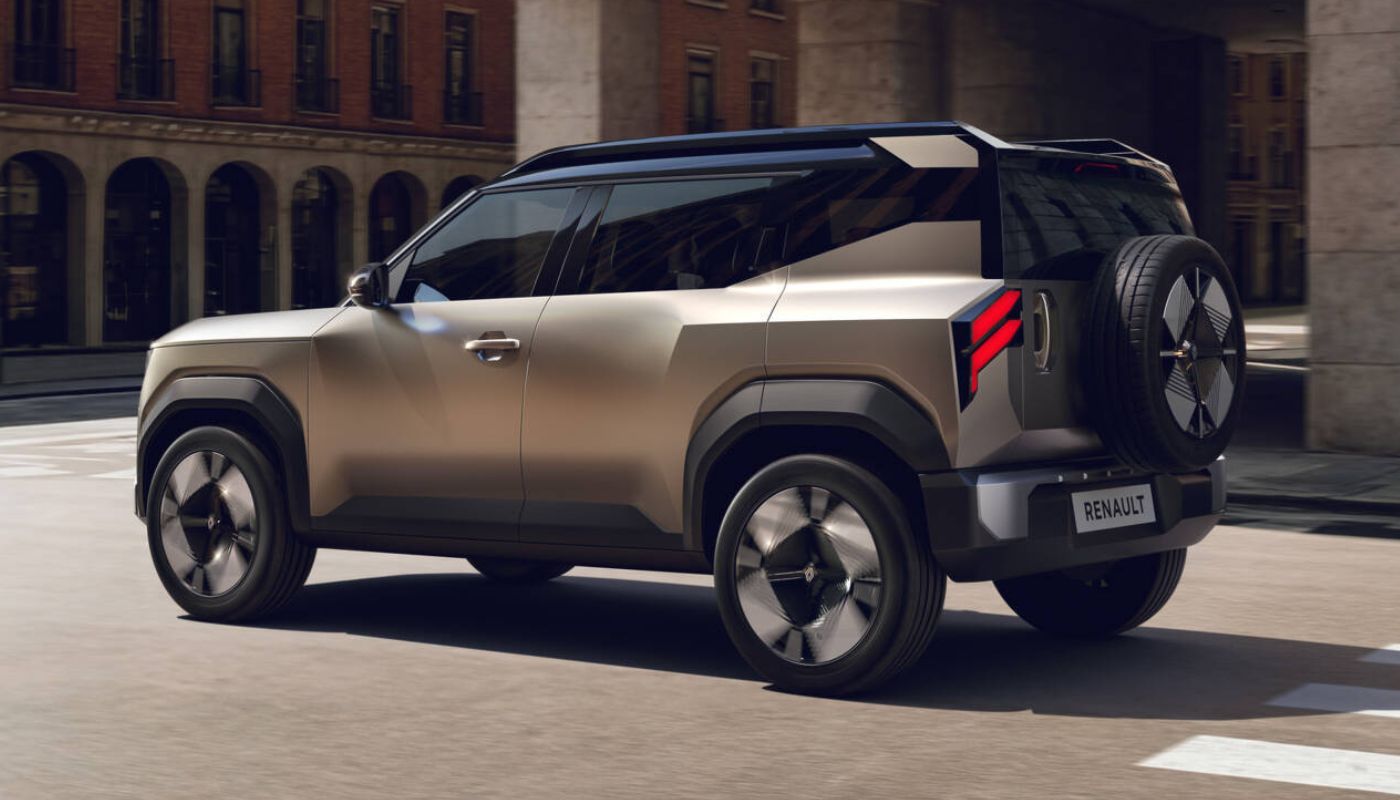
The Renault Bridger, expected to be launched in the final quarter of 2027, will be the brand’s first sub-4 metre SUV. Featuring a squarish body, a rugged design, and a high ground clearance, this model will have a much stronger road presence than typical popular models in the segment such as the Tata Nexon and Hyundai Venue.

renault bridger (9)

A tailgate-mounted spare wheel will be one of the key features of the Renault Bridger. The interior will likely be among the most spacious in the segment, offering 200 mm of rear knee room and 400 litres of boot space. Renault plans to offer the Bridger in ICE, hybrid, and pure electric variants, although it may not introduce all of them at launch. The ICE and hybrid variants may have a 1.2-litre petrol engine under the hood.

The post 4 New Renault Cars Waiting To Hit Indian Roads – Key Details appeared first on Gaadiwaadi.com - Latest Car & Bike News by Team GaadiWaadi.


from Gaadiwaadi.com – Latest Car & Bike News https://ift.tt/KglEvb1

All-New Ather Konarc Launched At Rs. 99,999 With Up To 200 Km Range

GaadiWaadi -

Ather Konarc

The new Ather Konarc sits on the EL platform and gets a metal body, multiple battery packs and a built-in 450 W charger; customer deliveries from September 2026

Ather Energy has today announced the launch of the all-new Konarc which sits right below the Rizta in the brand’s family scooter lineup. It has been made available in multiple battery configurations as it boasts the claimed IDC range from 100 km to 200 km per charge. The Konarc S will be available in 100 km, 125 km, 161 km and 200 km versions while the Konarc Z range will initially offer 125 km and 161 km options.

Prices for the Konarc S start at Rs. 99,999 (ex-showroom) while prices for the Konarc Z have not yet been announced. The Konarc S 125 km and S 161 km versions are scheduled to reach customers in September 2026 while the S 100 km version is scheduled for Q1 2027. The S 200 km is scheduled for the third quarter of next year. Meanwhile, the Konarc Z 125 km and 161 km variants are scheduled for Q2 2027. Ather has not yet announced prices for the Konarc Z or the Konarc S 200 km.

The Konarc utilises Ather’s new EL platform and gets a metal body built around a steel unibody chassis. Battery capacity varies across the range. The S 100 km, S 125 km and S 161 km versions get 2.1 kWh, 2.7 kWh, and 3.5 kWh battery packs respectively. Ather quotes true range figures of 80 km, 100 km and 130 km for these three versions in Smart Eco mode.

Ather-Konarc-1-1.jpg

Model

IDC range

Deliveries

Price

Konarc S 100 km

100 km

Q1 2027

Rs. 99,999 (ex-showroom)

Konarc S 125 km

125 km

September 2026

Rs. 1,21,999 (ex-showroom)

Konarc S 161 km

161 km

September 2026

Rs. 1,44,999 (ex-showroom)

Konarc S 200 km

200 km

Q3 2027

Coming Soon

Konarc Z 125 km

125 km

Q2 2027

Coming Soon

Konarc Z 161 km

161 km

Q2 2027

Coming Soon

The Bengaluru-based manufacturer fits every Konarc S version with a 450 W onboard charger and a charging cable, so the scooter can connect directly to a standard wall socket. A second 450 W charger is available as an option on applicable versions – raising combined charging output to 900 W. The claimed zero to 80 per cent home charging time falls to 2 hours for the S 100 km.

It stands at 2 hours 25 minutes for the S 125 km and 3 hours 10 minutes for the S 161 km when the combined charger is available. Ather Grid can add up to 13 km in 10 minutes on the S 100 km and up to 15 km in 10 minutes on the S 125 km and S 161 km as it will aid during stops on a long ride while taking a short break in between.

Ather Konarc Console

Specification

Konarc S 100 km

Konarc S 125 km

Konarc S 161 km

IDC range

100 km

125 km

161 km

TrueRange™

80 km

100 km

130 km

Battery capacity

2.1 kWh

2.7 kWh

3.5 kWh

Peak power

4 kW

4.7 kW

4.7 kW

Max torque

16 Nm

16 Nm

16 Nm

Top speed

70 km/h

70 km/h

70 km/h

0-40 km/h

5 seconds

4.7 seconds

4.7 seconds

Motor

PMSM

PMSM

PMSM

Gradeability

16 degrees

16 degrees

16 degrees

Motor protection

IP67

IP67

IP67

Battery protection

IP67

IP67

IP67

Underseat storage

31 litres

31 litres

31 litres

Kerb weight

—

126.5 kg

129 kg

The Ather Konarc also gets several interesting features which focus on simplifying low-speed maneuvers and daily parking. For instance, AirWalk lets the motor assist when the rider pushes the scooter through a parking area or a tight space by reducing the effort required to move it. The system does not take over the manoeuvre.

Keyless Entry and Auto-Lock are also part of the package while the Ather App can lock or unlock the scooter even when the phone is offline. Ather also provides solutions for situations where the key is lost or discharged while the boot gets an Auto Pop-Up feature.

Ather Konarc 2

The equipment list extends to dual LED headlamps, silent gear drive, reverse park assist, auto hold function, fall safe, Bluetooth call and music alerts, and a 31-litre boot. Connected functions vary by variant but high-spec versions get features such as theft and tow alerts, Find My Scooter, remote charging status, Ride Stories, OTA updates and AtherStack Pro amongst others.

The S 100 km is available in Quartz White + Blue and Majestic Grey + Black while the S 125 km and S 161 km add Celestial Gold + Blue and Lumen Copper + Black. Ather specifies a periodic service interval of once a year or 10,000 km whichever comes first. The company also offers different battery warranty packages that are subject to the applicable variant and AtherStack Pro configuration. The standard vehicle warranty stands at 3 years/30,000 km while an extended vehicle warranty of up to 5 years/60,000 km and battery warranty options extending to 10 years/1,00,000 km are also available.

The post All-New Ather Konarc Launched At Rs. 99,999 With Up To 200 Km Range appeared first on Gaadiwaadi.com - Latest Car & Bike News by Surendhar M.


from Gaadiwaadi.com – Latest Car & Bike News https://ift.tt/so2c5OG

New-Gen Hyundai Creta Arriving Next Year – What We Know So Far

GaadiWaadi -

2027-Next-Gen-Hyundai-Creta-Rendered-1.jpg

The third generation Hyundai Creta has been under development with a new design and platform, bigger proportions and possible strong hybrid powertrain for 2027

The third-gen Creta is expected to arrive in India in 2027 as the road testing of heavily camouflaged prototypes has confirmed that development is well underway. The company has outlined plans for a new midsize SUV as part of its future India portfolio – adding weight to expectations around the all-new Creta. The biggest change could come underneath the body.

The new0gen Hyundai Creta will move to Hyundai’s K3 architecture which supports multiple propulsion technologies as it gives scope to introduce electrification alongside regular petrol and diesel engines. The prototypes’ proportions point towards a longer, wider and more upright SUV than the current Creta and thus its practicality could be improved further.

The exterior will be a substantial departure compared to the existing model. Test vehicles indicate a taller front section, more angular bodywork, a longer wheelbase and a more upright glasshouse. Powertrain details remain less certain. The current India-spec Creta offers a 1.5-litre naturally aspirated petrol engine producing 115 hp, a 1.5-litre diesel developing 116 hp and a 1.5-litre turbo petrol unit producing 160 hp.

new-gen-hyundai-creta-spied-india-1.jpg
Spy Source: amarttyajit_sinha/instagram

The Korean auto major could retain these engines in the new generation potentially alongside a strong hybrid powertrain. A system combining the 1.5-litre NA petrol engine, an electric motor and a sizeable hybrid battery pack could help save fuel and it will enable Hyundai to compete with Maruti Suzuki Grand Vitara, Victoris and Toyota Hyryder.

The cabin will receive an equally significant overhaul. Expectations point towards a substantially redesigned dashboard and a higher level of digital tech. Large displays, latest global Pleos tech, wireless smartphone connectivity, wireless charging, premium audio, digital key functionality, assistive systems and an updated Bluelink system could feature on the new SUV.

new-gen-hyundai-creta-spied-2.jpg
Spy Source: amarttyajit_sinha/instagram

Hyundai is also expected to position the new Creta slightly further upmarket as competition in the midsize SUV segment intensifies. The SUV will face the Kia Seltos, Tata Sierra, Renault Duster, Maruti Suzuki Grand Vitara, Toyota Urban Cruiser Hyryder, Honda Elevate and others. The current model is on sale starting at around Rs. 11 lakh (ex-showroom) and we expect a slight bump in price which could prove to be substantial as we move up the range.

The post New-Gen Hyundai Creta Arriving Next Year – What We Know So Far appeared first on Gaadiwaadi.com - Latest Car & Bike News by Surendhar M.


from Gaadiwaadi.com – Latest Car & Bike News https://ift.tt/ONW3cBi

Porsche Cayenne Electric To Officially Launch In India Next Month

GaadiWaadi -

Porsche-Cayenne-Electric-India.-1.jpg

Porsche’s first fully electric Cayenne gets up to 1,156 PS, 800 V charging, 643 km of WLTP range and a packed cabin for India

Porsche will officially launch the Cayenne Electric in India on September 30, 2026. The standard Cayenne Electric gets a dual motor AWD setup developing up to 442 PS and 835 Nm. Porsche quotes a 0 to 100 kmph acceleration time of 4.8 seconds and a top speed of 230 kmph while the WLTP range stands at 576 to 643 km based on specification.

The SUV is powered by a battery of around 113 kWh, paired with an 800V electrical architecture. The Cayenne S Electric raises output to 666 PS and cuts the 0 to 100 kmph time to 3.8 seconds and offers up to 653 km of WLTP range but it won’t be sold in India. The range-topping Cayenne Turbo Electric, on the other hand, takes the numbers into another league.

It churns out up to 1,156 PS and 1,150 Nm enabling it to accelerate from 0 to 100 kmph in just 2.5 seconds before reaching a 260 kmph top speed. Its WLTP range is rated at 564 to 624 km. Both the standard and Turbo versions retain all-wheel drive while Porsche equips the electric Cayenne range with an advanced torque management.

Porsche-Cayenne-Electric-India-2.jpg

The 800V electrical system also allows the Cayenne Electric to support DC charging at up to 390 kW under suitable conditions. Porsche quotes a 10 to 80 per cent charging time of around 16 minutes while up to 325 km of WLTP range can be added in 10 minutes under ideal conditions. An 11 kW AC charger is standard while an optional 22-kW AC system is also available.

Porsche is additionally introducing an 11 kW wireless charging system. The Cayenne Electric measures 4,985 mm long, 1,980 mm wide and 1,674 mm tall, riding on a 3,023 mm wheelbase. Luggage capacity stands at 781 litres behind the rear seats and rises to 1,588 litres when they are folded while a 90-litre front luggage compartment adds further storage.

Porsche-Cayenne-Electric-India-Interior.jpg

An optional Off-Road Package raises the SUV’s towing capacity to 3,500 kg. Porsche also claims regenerative braking capability of up to 600 kW while the electric motors can handle a large proportion of braking duties during normal driving. The cabin receives a major overhaul and it composes a curved digital instrument cluster, a 14.5-inch central touchscreen and an optional 14.9-inch passenger display.

An augmented reality head-up display, digital key functionality, connected services, navigation, wireless smartphone connectivity and premium audio systems are also available, while higher specifications offer features such as adaptive air suspension, rear-axle steering, Porsche Torque Vectoring and Porsche Dynamic Chassis Control. The exterior gains the recognisable Cayenne finish but utilises EV-specific aerodynamic detailing, active aero elements, sleeker lighting and a revised front end treatment.

The price of the standard Cayenne Electric was announced to be around Rs. 1.76 crore late last year while the Cayenne Turbo Electric is expected to command over Rs. 2.26 crore (both prices, ex-showroom).

The post Porsche Cayenne Electric To Officially Launch In India Next Month appeared first on Gaadiwaadi.com - Latest Car & Bike News by Surendhar M.


from Gaadiwaadi.com – Latest Car & Bike News https://ift.tt/MAWNokZ

Ola S1Z Launched From Rs. 79,999 In India, Gets Up To 301 Km Range

GaadiWaadi -

Ola-S1Z-2.jpg

Ola S1Z gets its battery technology from Ola Electric’s 46-series LFP cell platform which is said to be developed locally

Ola Electric has introduced the S1Z as its new entry-level scooter range. It is the first application of the company’s Bharat Cell LFP technology in its mass-market products. Offered in 3.1 kWh and 5.1 kWh configurations, the S1Z carries introductory prices of Rs. 79,999 and Rs. 99,999 (ex-showroom) respectively. The larger battery variant claims up to 301 km of IDC range while the 3.1 kWh version delivers up to 179 km.

The new scooter range also extends Ola Electric’s locally developed battery technology to a significantly lower price point. The S1Z gets its battery technology from Ola Electric’s 46-series LFP cell platform which is developed at the company’s Battery Innovation Centre and manufactured at its Ola Gigafactory. It gives Ola greater control over one of the costliest components of an electric vehicle and helps lower battery costs.

LFP chemistry also offers characteristics such as enhanced safety and longer service life which enable the company to target the value-based end of the electric two-wheeler market. Both S1Z variants ride on 12-inch wheels and share a lot between them while the battery capacity determines their claimed range. Ola Electric offers the S1Z in White, Anthracite, Sky Splash Blue and Matcha Green colour schemes.

Ola-S1Z-1.jpg

Customer deliveries of the smaller battery version are scheduled to start in December 2026 and it will be followed by the 5.1 kWh model in March 2027. The software package comes from MoveOS 5 as the S1Z gets many connected and rider-based functions. The equipment list comprises cruise control, regenerative braking, reverse mode, GPS and over-the-air software updates.

Other highlights are geo-fencing, time fencing, mode fencing, ride statistics and energy insights through the Ola Electric app. The scooter also gets Easy Park which simplifies maneuvering into tight parking spaces through a wrist controlled system. The company has developed its Bharat Cell LFP technology internally and hooked it directly with its own vehicle platform as the vertical integration can reduce battery costs.

Ola-S1Z.jpg

Ola Electric also introduces the S1Z through the next stage of its retail expansion. The range will be among the first products to reach consumers through dealer-operated stores – adding a new retail channel alongside the company’s existing network. The strategy is said to be intended to increase access to Ola products across India as the company expands its physical sales footprint.

The post Ola S1Z Launched From Rs. 79,999 In India, Gets Up To 301 Km Range appeared first on Gaadiwaadi.com - Latest Car & Bike News by Surendhar M.


from Gaadiwaadi.com – Latest Car & Bike News https://ift.tt/EIyMbD6

New Gen Mitsubishi Pajero To Debut Next Week – All Key Details

GaadiWaadi -

New-Mitsubishi-Pajero-SUV-Teased-1.jpg

Mitsubishi will revive the legendary Pajero name on September 2 with a Triton-derived ladder frame, S-AWC four-wheel drive and new off-road tech

Mitsubishi will unveil the fifth generation Pajero on September 2, 2026 as it will revive the famed nameplate after the previous generation was discontinued in overseas markets in 2021. It will return to a body-on-frame construction which will be a major departure from the monocoque platform of its predecessor. Mitsubishi has confirmed that the SUV will use a high-strength ladder frame derived from the Triton.

But the Pajero receives its own development for the cabin, front suspension and rear suspension. The new Pajero will combine its ladder frame architecture with Mitsubishi’s Super All-Wheel Control (S-AWC) system. The manufacturer says the chassis and suspension have been developed to cope with large bumps, heavy impacts, steep inclines, rough terrain, mountain roads, rocky surfaces and mud while retaining high road-holding ability on paved surfaces.

The Japanese manufacturer has not yet revealed the complete four-wheel-drive specifications but reports suggesting the SUV could receive a version of the Triton’s Super Select 4WD-II system. Mitsubishi has also confirmed the return of a Multi Meter but in a modern digital form. Inspired by the distinctive instrumentation associated with earlier Pajero generations, the system can display altitude, compass heading, ambient temperature, vehicle pitch and roll angles as well as left-right torque distribution.

new-mitsubishi-pajero-teaser.jpg

The information is presented in real time and is intended to give the driver greater awareness of the vehicle and terrain during off-road driving. The feature also ties the new SUV to the Pajero’s long-standing rally heritage. The exterior teasers point towards a tall and upright SUV featuring a prominent grille, squared-off bodywork, pronounced wheel arches and an upright rear section.

Mitsubishi is also expected to give the cabin a substantially more premium character than the previous Pajero while retaining the functional approach required of a serious off-road vehicle. It will likely boast a turbo diesel engine and a diesel hybrid powertrain while hybrid, plug-in hybrid and fully electric configurations have also been speculated.

new mitsubishi pajero teaser 1

The original model debuted in 1982 and more than 3.25 million units were sold across over 170 countries and regions through four generations. The nameplate’s motorsport record is equally significant having secured 12 overall Dakar Rally victories from 1983 onwards including seven consecutive wins.

Mitsubishi now sees the Pajero as more than a one-off revival describing the new SUV as a flagship model and indicating plans to develop the nameplate into a series over time.

The post New Gen Mitsubishi Pajero To Debut Next Week – All Key Details appeared first on Gaadiwaadi.com - Latest Car & Bike News by Surendhar M.


from Gaadiwaadi.com – Latest Car & Bike News https://ift.tt/i0Hyw5Q

Royal Enfield One Ride 2026 To Bring 1,600 Rides Across 60 Countries

GaadiWaadi -

royal enfield continental GT 650 1

Royal Enfield One Ride 2026 is an 125th anniversary global riding event set to take place on September 20; every participant will contribute to the brand’s snow leopard conservation pledge

Royal Enfield will host the 125th anniversary edition of One Ride on September 20, 2026 as it will bring together riders through more than 1,600 rides across over 60 countries. The global event will also support snow leopard conservation in the Himalayas as Royal Enfield commits a contribution towards conservation efforts for every participant.

The large scale of this year’s event comes as the motorcycle brand celebrates 125 years. Rides will take place across several major cities and riding communities – stretching from Mumbai to Madrid and SĂ£o Paulo to Sydney. Royal Enfield says the event will connect its global riding community through a shared interest in motorcycling while also giving the 2026 edition a conservation purpose.

The company recorded participation from more than 53,000 riders during One Ride 2025 and expects this year’s event to reach an even larger audience. The conservation initiative focuses on the snow leopard and the Himalayan ecosystem that supports the species. Royal Enfield has long associated the Himalayas with its riding community – particularly through motorcycle journeys across the region.

One-Ride-2026-Royal-Enfield.jpg

The company says the relationship also carries a responsibility towards the landscapes and communities connected to these routes – leading to the decision to link every One Ride 2026 participant to a conservation contribution. India currently has an estimated snow leopard population of 718 and the species is regarded as a keystone species in the high Himalayas where its presence contributes to the ecological balance of the region.

Royal Enfield’s conservation work is carried out through its Social Mission which supports community conservation projects across Himachal Pradesh, Ladakh, Uttarakhand, Sikkim and Jammu and Kashmir. The company’s existing programmes cover more than 10,500 square kilometres of snow leopard habitat across these regions.

Royal Enfield Guerrilla 450 Apex (7)

The company says 53 square kilometres have been brought under its community conservation programme. The One Ride initiative will add further support to these efforts – linking a global motorcycle event directly to conservation work in the Himalayan region. Mohit Dhar Jayal, President – Brand and Strategy, Royal Enfield, said

“The Himalayas have always held a special place in the heart of the Royal Enfield community. For riders, they are a place of pilgrimage; for the snow leopard, they are home. As we mark 125 years of Royal Enfield, One Ride 2026 allows us to bring our global riding community together around this shared connection and the responsibility that comes with it. Our relationship with the spiritual home—the Himalayas—goes beyond riding through these landscapes.”

The post Royal Enfield One Ride 2026 To Bring 1,600 Rides Across 60 Countries appeared first on Gaadiwaadi.com - Latest Car & Bike News by Surendhar M.


from Gaadiwaadi.com – Latest Car & Bike News https://ift.tt/yo5vPHA

Tata Motors Passenger Vehicles Gets New Identity, Rebrands As TATA.CARS

GaadiWaadi -

Tata.Cars-1.jpg

New identity brings Tata’s cars, SUVs and EVs under one global master brand called TATA.CARS while retaining its existing legal name and product brands

Tata Motors Passenger Vehicles Limited has unveiled TATA.CARS as its new consumer-facing global brand identity accompanied by the promise ‘Nothing’s Too Far’. The new identity brings the company’s passenger vehicle portfolio under a single master brand covering hatchbacks, sedans, SUVs, electric vehicles and future mobility products. Tata says the move acts as the next stage of its evolution as it expands its portfolio and develops new mobility technologies.

TATA.CARS is built around a name that Tata says customers have already got used to organically. Across India, generations of consumers have referred to the company’s products simply as a “Tata car”, and the new identity formalises that familiar expression. The move does not replace the company’s legal identity: Tata Motors Passenger Vehicles Ltd. will remain the name for statutory, regulatory and investor communications. The existing vehicle product names will also remain unchanged as will the Tata ellipse on the vehicles.

The ‘Nothing’s Too Far’ promise sits at the centre of the new brand identity. Tata positions the idea around mobility as a means of pursuing ambitions reaching new destinations and opening access to opportunities. The company links the philosophy to its own passenger vehicle history which includes the development of India’s first indigenously engineered passenger car, the wider utilisation of five-star safety ratings and its efforts to establish electric mobility as a practical option for Indians. More than seven million customers have purchased Tata passenger vehicles to date.

Tata.Cars

The new identity gets a distinct visual and sonic system instead of being limited to a new name and tagline. Parallel Pathways serves as the central visual motif drawing inspiration from the geometry of the Tata ‘T’ and road markings. Tata says the design represents the different paths people take while moving towards progress. Ambition Blue provides a new interpretation of Tata’s familiar blue while Parallel Display is a bespoke typeface created for the brand. A new sonic identity completes the system.

Tata will introduce TATA.CARS across its operations composing digital platforms, retail outlets, service touchpoints and brand communications. The company wants the identity to provide a consistent experience across different stages of customer interaction whether a customer is entering the Tata passenger vehicle portfolio for the first time moving into a premium SUV or choosing an electric vehicle.

The timing of the new identity comes as Tata Motors Passenger Vehicles maintains one of the wider portfolios among Indian carmakers with multiple body styles and powertrain technologies involved. TATA.CARS is intended to serve as a single master brand capable of accommodating future products and mobility solutions as the portfolio develops. The company says the identity will evolve alongside changes in customer expectations and automotive tech.

The post Tata Motors Passenger Vehicles Gets New Identity, Rebrands As TATA.CARS appeared first on Gaadiwaadi.com - Latest Car & Bike News by Surendhar M.


from Gaadiwaadi.com – Latest Car & Bike News https://ift.tt/ZNy0g2k

Hyundai Plans 26 New Products For India By 2030

2027 Hyundai Tucson

Hyundai Motor is planning a significant expansion of its presence in India, with 26 new or updated products earmarked for the market through 2030. The move forms part of a broader global strategy under which the automaker plans more than 100 launches and major product updates across key markets.

The plans were outlined at Hyundai’s 2026 CEO Investor Day in Seoul, where the company detailed its growth strategy for the rest of the decade. Alongside expanding its product portfolio, Hyundai intends to increase manufacturing capacity in India and deepen the use of locally sourced components.

The strategy comes as Hyundai faces increasingly intense competition globally, including from Chinese automakers, while consumer demand continues to evolve across petrol, hybrid and electric powertrains.

Hyundai to expand India product portfolio

India is set to receive 26 of Hyundai’s planned global launches and refreshes through 2030. The company’s global pipeline includes more than 100 products, with several models expected to be sold across multiple regions.

Hyundai has identified 58 products for North America, 49 for South Korea, 41 for Europe, 26 for India and 22 for China. Since individual vehicles can be introduced in more than one market, these figures are not cumulative.

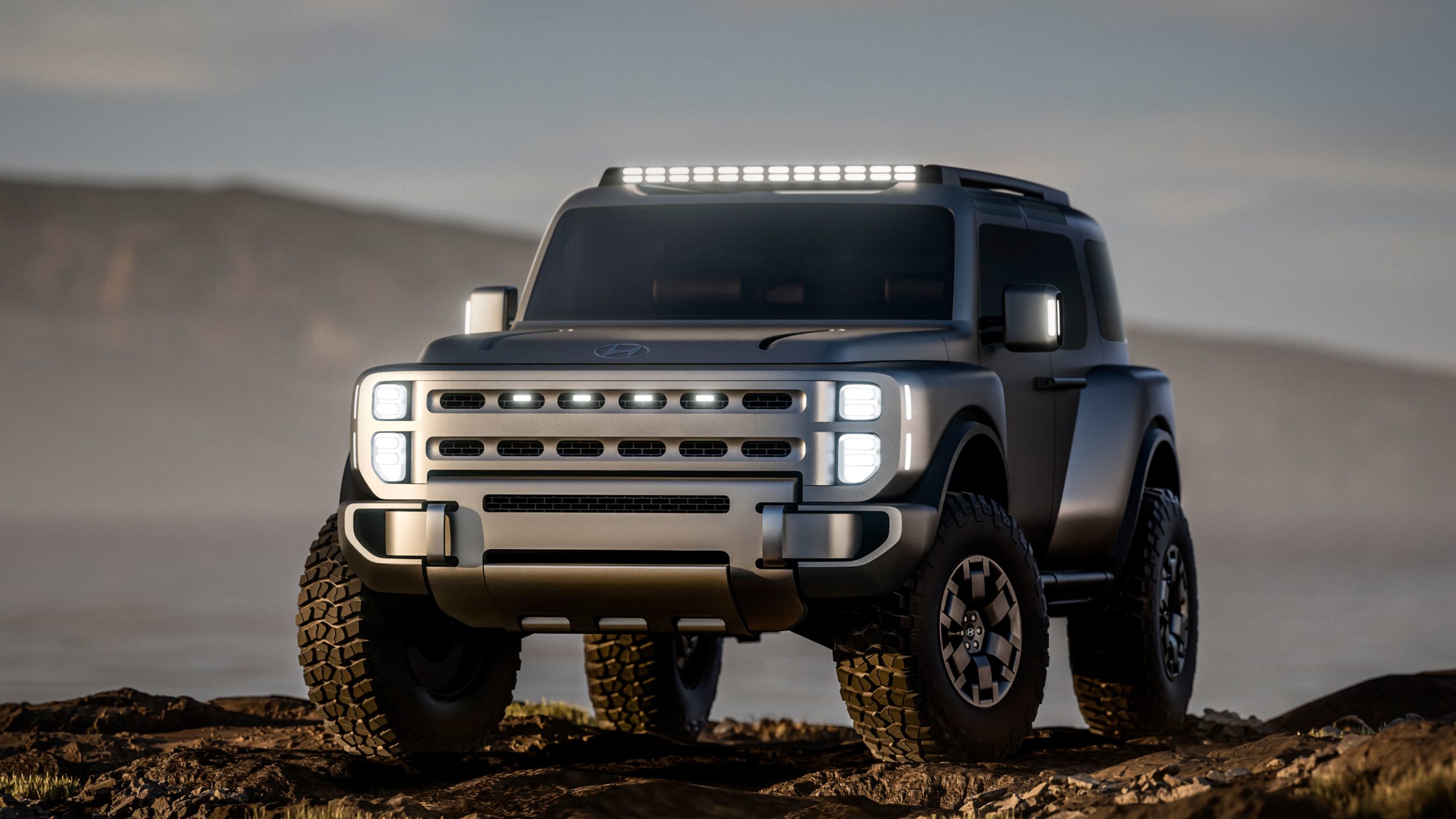
For India, the upcoming portfolio is expected to include seven new nameplates and entries into segments where Hyundai currently has limited or no presence. These include MPVs and more rugged, off-road-focused SUVs.

The company is also preparing an electric SUV developed with India in mind. Hyundai says the model will be locally manufactured and is scheduled to arrive in the fourth quarter. It is expected to feature the company’s next-generation infotainment technology and Level 2 driver-assistance capabilities.

A new mid-size SUV with an internal-combustion engine is also planned for the Indian market, indicating that Hyundai intends to continue investing in conventional powertrains alongside its electric vehicle push.

SUVs to remain central to the strategy

SUVs are expected to play an increasingly important role in Hyundai’s Indian portfolio. The company is targeting SUVs to account for around 80 per cent of its domestic sales by 2030.

The strategy reflects the continued shift in Indian passenger-vehicle demand towards SUVs and crossover models. Expanding its presence across different SUV price points could allow Hyundai to address a broader section of the market while protecting its position against newer entrants.

At the same time, the company’s product plans suggest that it does not intend to rely on a single powertrain technology. Hyundai is evaluating a mix of internal-combustion engines, hybrids, extended-range electric vehicles and battery-electric models as it responds to differing market requirements.

India production capacity to increase

Hyundai is also planning to increase its manufacturing footprint globally by 1.27 million units annually by 2030. India is expected to account for an additional 3,20,000 units of this capacity.

North America is planned to receive the largest capacity increase at 5,00,000 units, while 2,50,000 units are allocated to completely knocked-down assembly operations and another 2,00,000 units to South Korea.

The additional capacity in India should provide Hyundai with greater flexibility to manufacture new models locally and potentially increase exports. The company had previously outlined an ambition for exports to account for as much as 30 per cent of its Indian production by 2030.

Local sourcing to cross 90 per cent

Hyundai also plans to raise the share of locally sourced components in India to more than 90 per cent by 2030. The company currently works with a supplier ecosystem of more than 1400 companies and has over 900 engineers based in the country.

Greater localisation could help Hyundai reduce exposure to currency fluctuations and import costs while making India-built models more competitive in export markets. It could also support the company’s broader objective of using India as an important manufacturing and engineering base.

The expansion builds on Hyundai Motor India’s previously announced investment plan of Rs. 45,000 crore through FY2030. The investment is intended to support new products, manufacturing capabilities and the company’s growing electric-vehicle ambitions.

India’s role in Hyundai’s global plans

Hyundai’s latest roadmap indicates that India is being positioned as both a major domestic market and an increasingly important part of its global operations.

A larger product pipeline, higher manufacturing capacity and deeper localisation could give the company greater scope to compete across multiple segments. However, Hyundai will also have to navigate intensifying competition, changing emission regulations and varying consumer preferences across powertrains.

With 26 products planned for India by 2030, the coming years are likely to mark one of Hyundai’s biggest expansions in the country, with new SUVs, electric vehicles and other body styles expected to broaden its portfolio.

Hyundai Boulder 3

The post Hyundai Plans 26 New Products For India By 2030 appeared first on MotorBeam.


from Car News | MotorBeam - Indian Car Bike News & Reviews https://www.motorbeam.com/hyundai-26-new-products-india-2030/