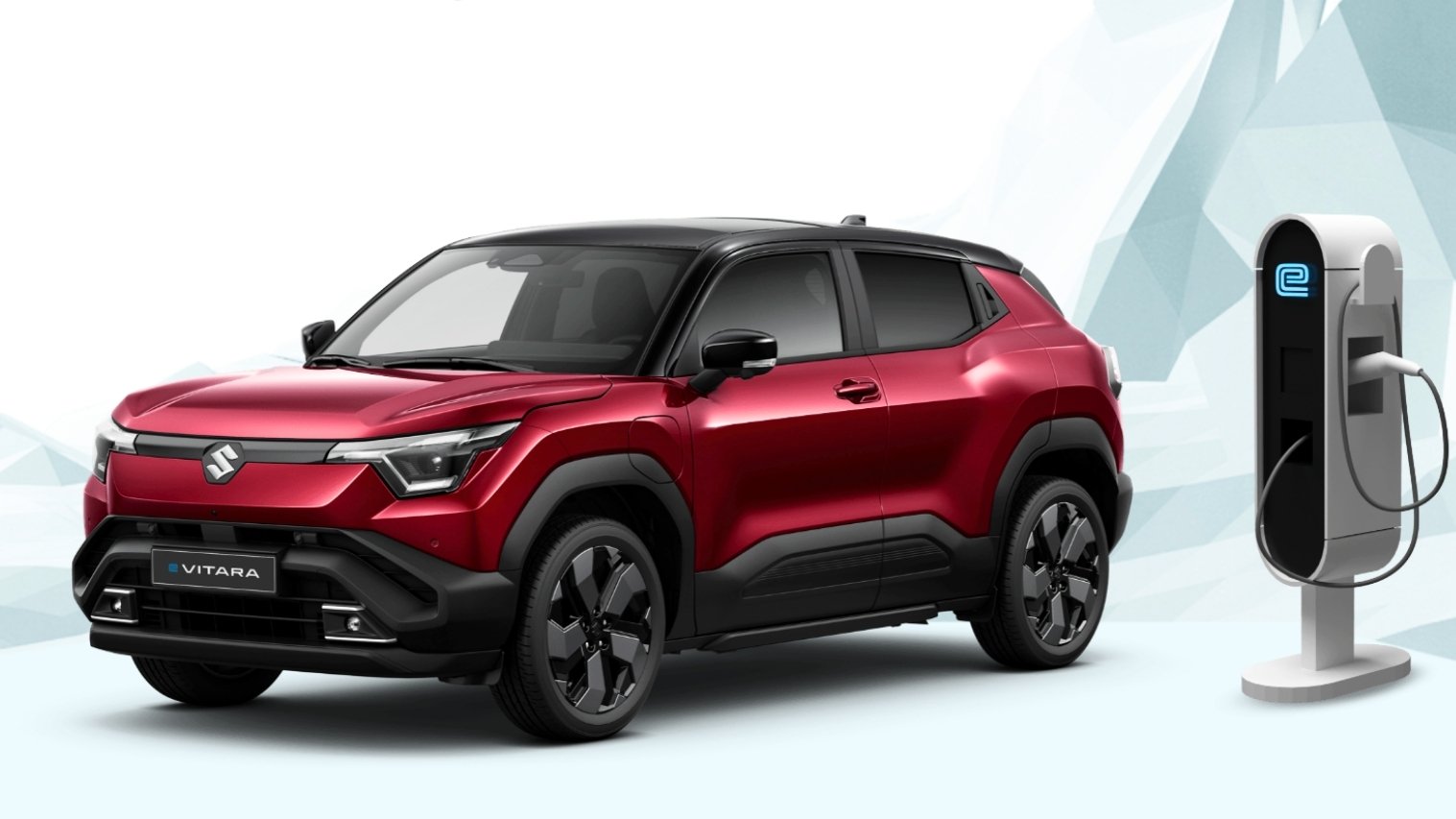
Maruti Suzuki e Vitara To Launch In Jan – Range, Features & Safety Explained

GaadiWaadi -

maruti-e-vitara (1)

Maruti Suzuki e Vitara will be sold through the Nexa chain of premium dealerships and it will compete in the midsize e-SUV segment

Maruti Suzuki is preparing to mark its entry into India’s electric SUV segment with the arrival of the new e Vitara – scheduled to go on sale next month. After extensive testing and sustained speculation, the brand has finally revealed important details about its first fully electric SUV for Indian customers. The model has already earned a 5-star rating in Bharat NCAP tests – registering 31.49 out of 32 for adult safety and 43 out of 49 for child occupant protection.

Much before the official launch, Maruti has also been laying the foundation for a vast charging network. The company has teamed up with 13 leading charge point operators and aggregators to offer users widespread access under a common platform. On top of that, over 2,000 charging stations have already been installed at Maruti Suzuki showrooms and service outlets nationwide, easing concerns around EV convenience and range anxiety.

Recently, to highlight the capabilities of the vehicle and the reach of its charging ecosystem, Maruti flagged off four cars on a nationwide drive from Gurugram. Each e Vitara was sent to a different corner of the country – Srinagar in the north, Kanyakumari in the south, Dibrugarh in the east and Bhuj in the west. Throughout this journey, the electric SUV showcased a real-world driving range of up to 543 km on a single full charge.

Maruti Suzuki e Vitara

While Indian deliveries are set to begin soon after its launch, the e Vitara has already been rolling out of Maruti Suzuki’s Gujarat production plant for global markets. Export models have been shipped in bulk via Pipavav Port and dispatched to multiple overseas destinations. As part of its long term commitment to electrification, the company also aims to help build more than one lakh public charging points across India by 2030.

In the domestic market, the e Vitara will be sold exclusively through the premium Nexa outlets. Positioned in the fast-growing midsize electric SUV segment, the model is expected to start at a price slightly above Rs. 17 lakh (ex-showroom). Buyers will be able to choose between two LFP battery packs supplied by BYD – a 48.8 kWh unit and a larger 61.1 kWh option. The smaller battery will be paired with a 144 PS motor producing 192.5 Nm of torque while the bigger pack will come with a 174 PS motor delivering identical torque.

maruti-suzuki-e-Vitara-electric-SUV-2.jpg

Fast DC charging capability allows both versions to go from 0 to 80 percent in 50 minutes. Built on the dedicated Heartect-e electric platform, the interior is loaded with modern tech such as a 10.25-inch touchscreen infotainment system with wireless smartphone connectivity, a 10.1-inch fully digital instrument display, power-operated front seats, climate control, a 360-degree camera system and seven airbags.

It is equipped with Level 2 ADAS offering features like Automatic Emergency Braking, Forward Collision Warning, Lane Assist, Lane Departure Prevention and Adaptive Cruise Control that can adjust for speed and curves. Additional protection is offered through Blind Spot Detection, Rear Cross Traffic Alert, disc brakes on all four wheels, TPMS, Electronic Stability Program, multi-collision braking, ISOFIX child-seat mounts and an integrated SOS emergency system.

maruti-suzuki-e-Vitara-electric-SUV-2.jpg

With this extensive equipment list, strong safety credentials and long-range capability, the Maruti Suzuki e Vitara is well positioned to go up against rivals such as the Tata Curvv EV, Harrier EV, Hyundai Creta Electric, MG ZS EV, Windsor EV and the born electric Mahindra SUVs.

The post Maruti Suzuki e Vitara To Launch In Jan – Range, Features & Safety Explained appeared first on Gaadiwaadi.com - Latest Car & Bike News by Surendhar M.


from Gaadiwaadi.com – Latest Car & Bike News https://ift.tt/As0kzXv

CAFE-3 Debate Deepens As SIAM Flags Concerns Over Emission Targets

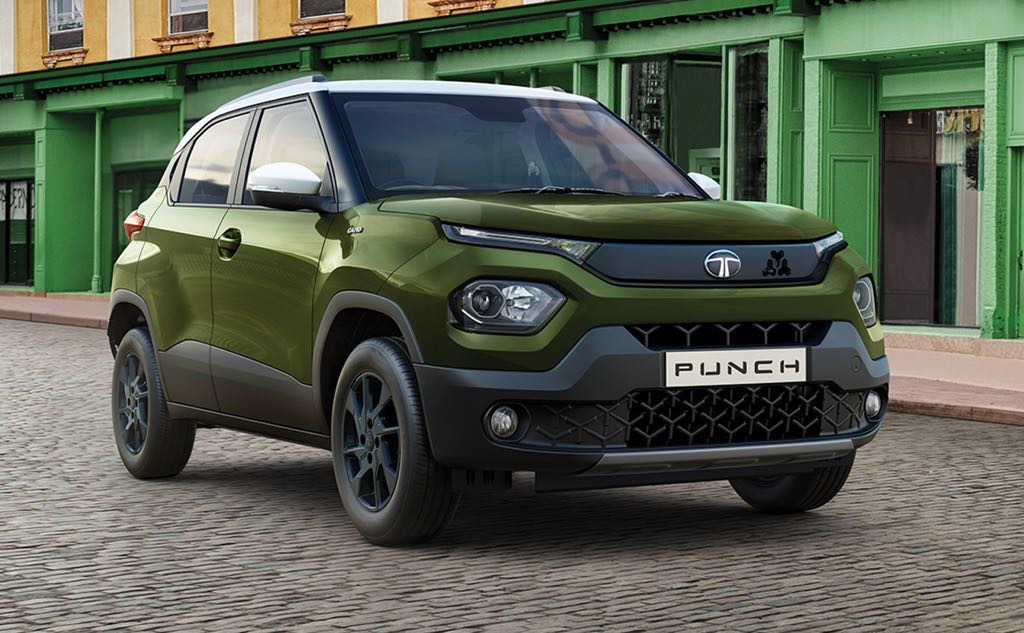
Tata Punch Camo Edition

India’s CAFE-3 proposal sparks industry debate over tougher emission targets

The proposed Corporate Average Fuel Efficiency (CAFE) 3 regulations have triggered a fresh round of disagreements within India’s automotive sector, with industry body SIAM raising objections to several key changes in the revised draft. The Bureau of Energy Efficiency (BEE) issued the updated proposal in September, outlining new fleet-wide emission thresholds and adjustments to incentives for electric and hybrid vehicles. The norms are expected to apply from 2027–28 for a five-year period.

A major flashpoint is the proposal to count battery electric vehicles (BEVs) as emitting 29 grams of CO2, instead of assigning them a zero tailpipe value as done previously. While SIAM maintains that BEVs should retain a zero-emission classification in line with past CAFE norms and to support India’s electrification goals, government officials argue the revised metric reflects the carbon intensity of electricity used for charging. According to a senior official, at least 30% of India’s grid still relies on non-renewable power, prompting the ministry to factor in indirect emissions.

Another key disagreement concerns the proposed fleet-wide emission target of 71.5 grams by 2032, a level SIAM says amounts to a 63% reduction from the current CAFE-2 benchmarks. The association contends that such a steep trajectory could lead to premature scrappage of compliant vehicles and put pressure on carmakers as well as component suppliers. SIAM has instead recommended a target of 89.6 grams. Government officials, however, believe that gradual yearly tightening – as suggested by BEE – remains necessary to ensure consistent progress rather than back-loaded compliance in the final year.

The revised draft also reworks super credits, the regulatory mechanism that allows automakers to count low-emission models multiple times when calculating fleet averages. Under the latest proposal, BEV credits are reduced from four to three, incentives for strong hybrids increase to two credits and a new category – range-extender EVs – enters with three credits. SIAM has said these changes run counter to the government’s stated push for EV and fuel-cell technologies.

While these proposals have sparked internal industry debates, the most publicised point of contention remains the additional 3-gram relaxation for cars weighing up to 909 kg. Carmakers with a strong small-car portfolio want the exemption to stay, arguing these vehicles have different engineering constraints. OEMs focused on larger models, however, prefer uniform standards across the board. Officials say they are cautious about allowing bigger vehicles a longer runway to meet tighter norms, although no final decision has been taken.

With ministries including road transport, heavy industries, and power involved in the finalisation process, the CAFE-3 framework may undergo further refinement. According to a government official, the concluding norms could end up tightening fleet-wide emission limits by 20–25%, aiming to align regulations with real-world performance data currently being assessed by ICAT.

A final notification is expected only after inter-ministerial consultation but the debate highlights the differing priorities of OEMs as India prepares for the next phase of emissions regulation.

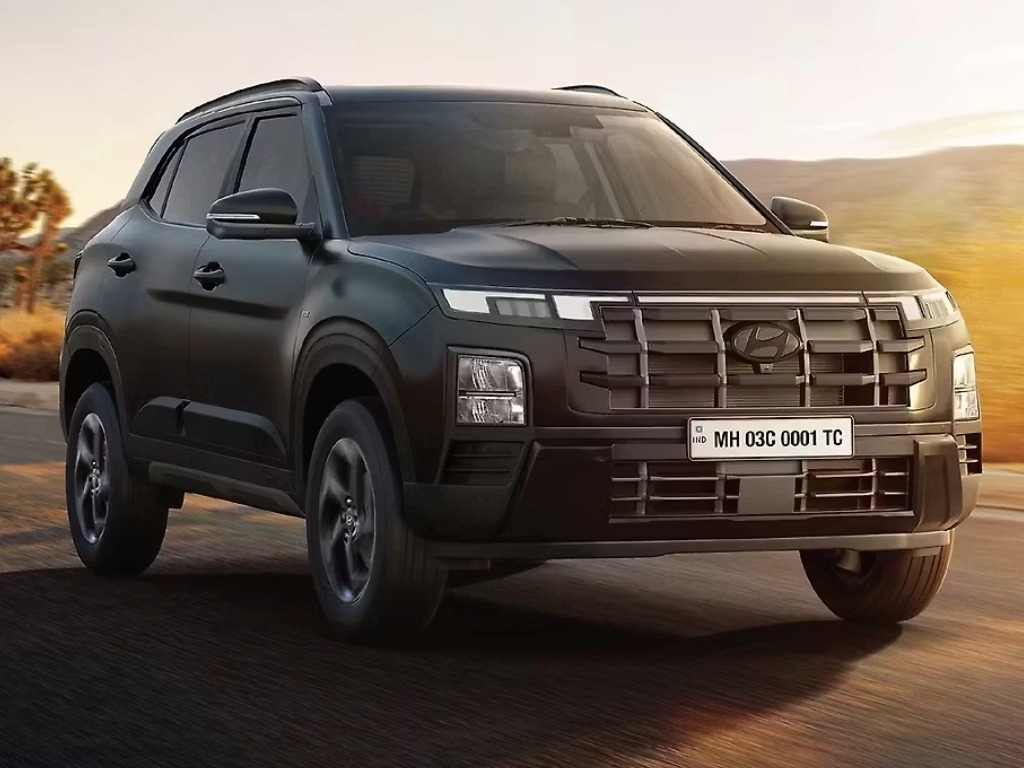
Hyundai Creta King Edition front

Source

The post CAFE-3 Debate Deepens As SIAM Flags Concerns Over Emission Targets appeared first on MotorBeam.


from Car News | MotorBeam - Indian Car Bike News & Reviews https://ift.tt/6jLiycg

India-Bound Toyota Land Cruiser FJ – Launch, Specs, Performance, 4WD

GaadiWaadi -

Toyota Land Cruiser FJ (3)

Toyota Land Cruiser FJ is expected to reach India within a couple of years in its petrol avatar utilising a 2.7L gasoline mill

At the Japan Mobility Show 2025, Toyota pulled the covers off a brand new addition to the Land Cruiser family – the Land Cruiser FJ. Developed as a tribute to the iconic FJ40, this new model carries forward the brand’s tough off-road DNA but in a more compact form. With lifestyle SUVs gaining rapid popularity in India, the possibility of this “baby Land Cruiser” arriving here is already creating strong buzz.

Built as a true body-on-frame SUV, the upcoming FJ sits on Toyota’s proven IMV ladder-frame platform, the same base that underpins the Fortuner and Hilux. This platform has already been adapted for Indian conditions, which strengthens the case for local production or assembly in the future. In terms of dimensions, the Land Cruiser FJ stretches 4,575 mm in length, spans 1,855 mm in width and stands 1,960 mm tall, supported by a 2,580 mm wheelbase.

Compared to the larger Land Cruiser 250, the FJ’s wheelbase is shorter by roughly 270 mm. This compact setup results in a tighter turning radius of approximately 5.5 metres, giving it better manoeuvrability both on narrow trails and in congested city environments. Positioned below the Fortuner in Toyota’s global lineup, the FJ is expected to appeal to buyers who want a rugged, adventure-focused SUV without stepping into the full-size category. A global launch timeline around 2027 or slightly later seems most likely for markets beyond Japan.

Also Read: Toyota Posts 33,700+ Unit Sales In Nov 2025

Toyota Land Cruiser FJ

Compared to the larger Land Cruiser 250, the FJ’s wheelbase is shorter by roughly 270 mm. This compact setup results in a tighter turning radius of approximately 5.5 metres, giving it better manoeuvrability both on narrow trails and in congested city environments. Positioned below the Fortuner in Toyota’s global lineup, the FJ is expected to appeal to buyers who want a rugged, adventure-focused SUV without stepping into the full-size category. A global launch timeline around 2027 or slightly later seems most likely for markets beyond Japan.

Powering the new FJ is Toyota’s reliable 2.7-litre 2TR-FE naturally aspirated petrol engine, paired with a 6-speed Super ECT automatic transmission. Instead of chasing high output figures or turbocharging, Toyota has perhaps focused on long-term durability. The engine produces around 163 PS and 246 Nm of torque.

Also Read: All-New Toyota Hilux EV Debuts – Hydrogen FCEV Variant Confirmed

Toyota Land cruiser FJ (6)

In terms of design, the Land Cruiser FJ proudly embraces retro-inspired styling. A boxy profile, upright stance, circular design cues and squared body panels give it a bold, unmistakable personality. Practical touches such as removable bumpers, heavy-duty cladding, visible mounting points and support for external accessories further highlight its purpose as a serious off-road vehicle.

The interior follows the same functional philosophy. Instead of luxury-heavy trims, Toyota has opted for rugged, wipe-clean surfaces, a simple dashboard layout and practicality-first features. Toyota has confirmed that the Land Cruiser FJ will go on sale in Japan by mid-2026. While India hasn’t been officially announced yet, the brand’s aggressive product expansion plans and strong SUV demand locally indicate that the Land Cruiser FJ could eventually make its way to Indian roads within a couple of years.

The post India-Bound Toyota Land Cruiser FJ – Launch, Specs, Performance, 4WD appeared first on Gaadiwaadi.com - Latest Car & Bike News by Surendhar M.


from Gaadiwaadi.com – Latest Car & Bike News https://ift.tt/K8dgLHN

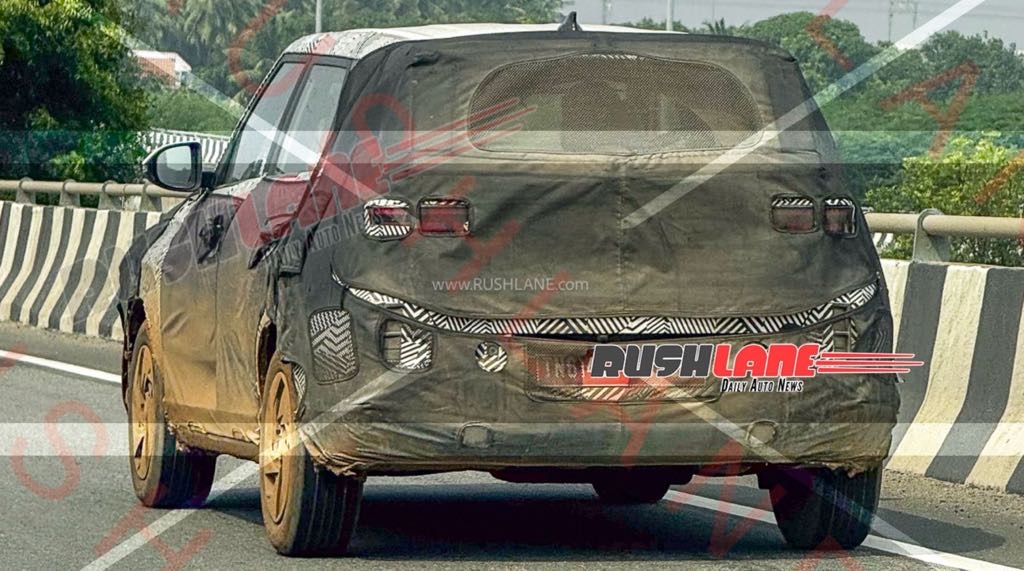
New Hyundai SUV Spotted Testing In Chennai

Hyundai Compact SUV Spotted Testing

New Hyundai SUV spied in Chennai, likely an Exter facelift or Bayon

Hyundai’s upcoming product cycle appears to be gaining momentum, with a new test mule recently sighted near the company’s manufacturing hub in Sriperumbudur, Chennai. The prototype suggests the brand is preparing for a significant refresh across its portfolio as competition intensifies in India’s fast-evolving SUV and EV segments.

Once firmly positioned as India’s second-largest automaker, Hyundai has slipped behind Tata Motors and Mahindra in monthly sales charts. Analysts attribute this shift to slower product updates and fewer all-new launches, which allowed domestic competitors to expand rapidly – particularly in the electric and SUV categories.

In response, Hyundai has developed an extensive product roadmap. Over the next few years, the company plans to update nearly every segment it operates in, with around 26 launches and revisions, including 7–8 all-new models spread across SUVs, hatchbacks, crossovers, EVs and hybrids.

Part of this strategy includes Hyundai’s first India-developed compact electric SUV, confirmed for a 2027 launch. Announced at the company’s 2025 Investor Day, the upcoming EV will be designed and engineered specifically for India. Expected to draw inspiration from the Hyundai Inster EV sold internationally, it is likely to sit on the cost-efficient E-GMP (K) platform and come with two battery options, positioning it against the Tata Punch EV.

However, the recently spotted vehicle is almost certainly not this electric model. Visible indicators such as a fuel-filler cap and exhaust system confirm it is an ICE-powered SUV.

The prototype’s shape and proportions suggest it could be the updated Exter. The facelift is expected to feature revised interiors, upgraded materials and Hyundai’s new AAOS-based infotainment system with integrated Google services. If introduced, the Exter facelift will be the first mass-market Hyundai in India to adopt Android Automotive OS, likely featuring a larger 12.9-inch touchscreen and a 9.9-inch digital cluster. The 1.2-litre petrol and CNG options are expected to continue. A launch could take place around early 2027.

Another strong possibility is the India-bound Hyundai Bayon, expected to arrive in mid-2026. Positioned between the Exter and Venue, the Bayon could target the Rs.10-12 lakh crossover segment currently dominated by the Maruti Fronx. The India version may introduce Hyundai’s new 1.2-litre turbo-petrol engine engineered for better torque and compatibility with hybrid systems. The global Bayon’s 1.0-litre turbo-petrol with manual and dual-clutch options is also likely to be considered for India.

Between hybrid models, new SUVs, an MPV, a lifestyle off-roader and the rollout of AAOS interfaces across future vehicles, Hyundai is entering one of its most active product phases in India. The newly spotted test mule is an early indicator of significant activity lined up for 2026 to 2028. Whether it turns out to be the updated Exter or the all-new Bayon, Hyundai’s presence in the compact SUV space is set for a major reinvigoration.

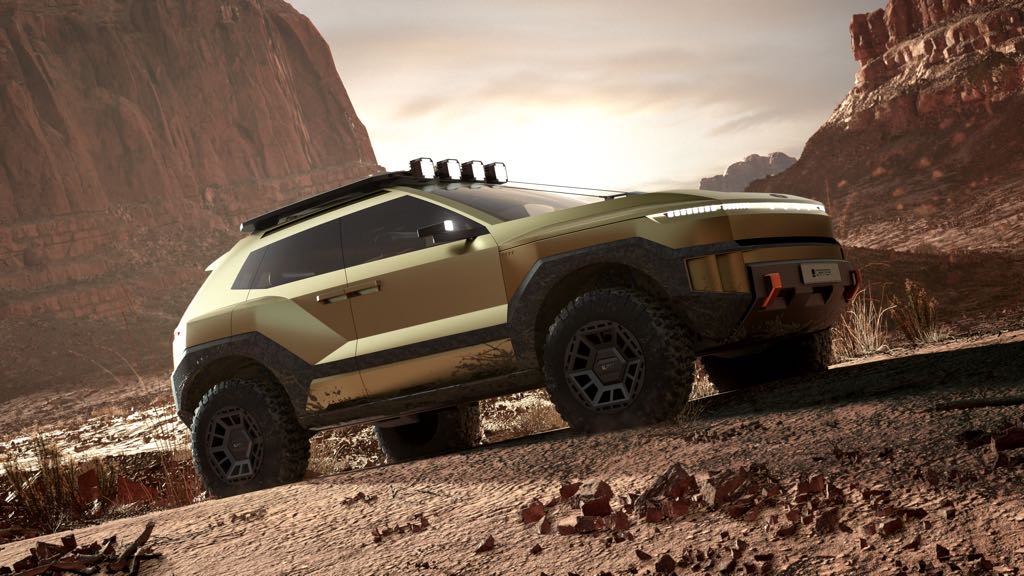
Hyundai Crater Concept

Source

The post New Hyundai SUV Spotted Testing In Chennai appeared first on MotorBeam.


from Car News | MotorBeam - Indian Car Bike News & Reviews https://ift.tt/RPomihk

Maruti Suzuki Wants To Be EV Market Leader, Aims To Create 1 Lakh Public Chargers

GaadiWaadi -

Maruti Suzuki e Vitara

Maruti Suzuki has tied up with 13 Charge Point Operators and aggregators allowing users to access a vast network of shared charging locations through an unified system

The electric mobility roadmap in India has entered a new phase as Maruti Suzuki unveiled a nationwide charging solution that connects vehicles, infrastructure and digital access under a single platform. Created to remove barriers for new EV buyers, the integrated ecosystem brings together home charging, public stations and cashless payments under one roof.

In a significant step toward consolidating EV infrastructure, the company has tied up with 13 leading Charge Point Operators and aggregators. They allow users to access a vast network of shared charging locations through one unified system. In addition, over 2,000 exclusive Maruti Suzuki charging points are already active at dealer and service facilities across the country.

To demonstrate the reach and readiness of this network, four e Vitara electric SUVs have begun a symbolic nationwide drive from Gurugram. Each vehicle headed in a separate direction – north to Srinagar, south to Kanyakumari, east to Dibrugarh and west to Bhuj – indicating the capability of the charging infrastructure to support long distance travel across diverse terrains and regions.

Maruti-Suzuki-Wants-To-Be-EV-Market-Leader-Aims-To-Create-1-Lakh-Public-Chargers-.jpg

Built for both Indian and global markets, the Maruti Suzuki e Vitara has been subjected to extreme real-world testing. The vehicle has covered over one crore km under a wide range of conditions – covering intense desert heat and freezing mountain climates. It has consistently delivered a driving range of up to 543 km on a single charge according to the brand.

At the centre of this ecosystem lies the “e for me” mobile application which functions as a single control hub. Through it, users can locate charging stations, initiate and stop charging sessions, and complete payments via UPI or the dedicated Maruti Suzuki Money wallet. The app also lets owners control and monitor their smart home chargers remotely while mirroring the interface on the car’s infotainment screen.

Maruti Suzuki e Vitara Production Narendra Modi Flag Off 1

To support the new frontier, more than 1,500 Maruti Suzuki workshops have been upgraded to handle electric vehicles across 1,100+ cities. A specially trained workforce of over 1.5 lakh personnel has also been mobilised to assist customers. In line with its long-term vision, Maruti Suzuki aims to help create a network of more than one lakh public charging points by 2030 on its mission to head the passenger electric vehicle market.

Maruti Suzuki has already commenced production of its e Vitara for the international markets and it will go on sale in India next month, utilising 49 kWh and 61 kWh battery options.

The post Maruti Suzuki Wants To Be EV Market Leader, Aims To Create 1 Lakh Public Chargers appeared first on Gaadiwaadi.com - Latest Car & Bike News by Surendhar M.


from Gaadiwaadi.com – Latest Car & Bike News https://ift.tt/Y4GqTZt

Maruti Suzuki e Vitara Achieves 5-Star Bharat NCAP Safety Rating

GaadiWaadi -

Maruti-Suzuki-e-Vitara-Bharat-NCAP.jpg

Maruti Suzuki e Vitara has scored five stars in adult occupant and child occupant protection tests under the Bharat NCAP regime

Maruti Suzuki has reached an important milestone in its electric mobility journey as its newest electric SUV, the e Vitara, has secured a full 5-star safety rating under the Bharat New Car Assessment Program. The certificate has been presented in New Delhi by Nitin Gadkari as the soon-launching e Vitara becomes the first electric SUV in India to earn a 5-star Bharat NCAP score.

A major factor behind this result is the vehicle’s extensive safety package. The e Vitara comes with seven airbags as standard across every variant including a driver’s knee airbag. Both adult and child occupant safety ratings were awarded top marks – adding the e Vitara to the manufacturer’s list of multiple 5-star rated vehicles under the Bharat NCAP framework.

The electric SUV is based on the newly developed HEARTECT-e platform which is specifically engineered for battery-electric vehicles. It has secured 31.49 out of 32.00 points in adult occupant protection tests and 43.00 out of 49.00 points in child occupant protection tests. The architecture is designed to offer higher strength and advanced protection for high-voltage components. More than 60 per cent of the body is made using ultra-high and high-tensile steel – resulting in improved crash resistance and a stronger overall frame.

Maruti-Suzuki-e-Vitara-Bharat-NCAP-2.jpg

Built for global use, the e Vitara has been tested in extreme climatic conditions from scorching heat to sub-zero temperatures. Customers will be able to choose between 49 kWh and 61 kWh battery packs and it will boast a claimed driving range of more than 500 km between charges. It will also support DC fast charging. 

To further elevate safety standards, the SUV is equipped with Level 2 Advanced Driver Assistance Systems. These include features such as Automatic Emergency Braking, Forward Collision Warning, Lane Keep Assist, Lane Departure Prevention and Warning, and Adaptive Cruise Control with curve and speed adjustment functions. 

Maruti-Suzuki-e-Vitara-Bharat-NCAP-1.jpg

In addition to driver assistance, the Maruti Suzuki e Vitara is also packed with additional security features like Blind Spot Monitoring, Rear Cross Traffic Alert, a 360-degree camera, all-wheel disc brakes, and a tyre-pressure monitoring system. Systems such as Electronic Stability Program, Multi-Collision Braking, ISOFIX anchor points, and an emergency SOS calling function are also available.

With plans to export the e Vitara to over 100 global markets, Suzuki’s Gujarat facility will act as a global production hub. The shipments began a few months ago for the international markets as the midsize electric SUV has been well received by consumers.

The post Maruti Suzuki e Vitara Achieves 5-Star Bharat NCAP Safety Rating appeared first on Gaadiwaadi.com - Latest Car & Bike News by Surendhar M.


from Gaadiwaadi.com – Latest Car & Bike News https://ift.tt/Cf34ezJ

Bajaj Auto Two-Wheeler Sales Stood Over 2 Lakh Units In Nov 2025

GaadiWaadi -

Bajaj-Chetak-3001.jpg

Bajaj posted total dispatches of 3.79 lakh units in November 2025 as against 3.68 lakh units with a YoY growth of 3 per cent

In November 2025, Bajaj Auto’s volume sales were driven by a strong showing in overseas markets and a noticeable surge in its commercial vehicle business. While domestic two-wheeler demand continued to show signs of saturation, the company’s overall performance was kept in the green by rising export volumes and consistent growth in select categories.

The total combined sales for the month stood at 4,53,273 units with an eight per cent improvement over the 4,21,640 units recorded during the same period last year. The two-wheeler segment, however, showed a different view. The domestic dispatches saw a marginal dip as it slipped to 2,02,510 units compared to 2,03,611 units a year earlier with a drop of one per cent.

However, this slight weakness was more than compensated for by an appreciable export showing. The shipments to international markets climbed to 1,77,204 units from 1,64,465 units with an eight per cent gain. The combined two-wheeler sales for the month therefore closed at 3,79,714 units – up 3 per cent on a year-on-year basis.

Also Read: New Bajaj Pulsars, Sub-350cc KTMs & Triumphs, New Chetak Coming

2025-Bajaj-Pulsar-NS-125-ABS-2.jpg

In contrast, Bajaj’s commercial vehicle division delivered a good performance in November. The domestic volumes climbed steeply to 45,006 units which resulted in a 21 per cent rise from last year’s tally of 37,243 units. The export numbers in this category were even more impressive – jumping by 75 per cent to 28,553 units from 16,321 units.

Resultantly, the total commercial vehicle sales stood at 73,559 units for the month – a significant leap from the 53,564 units recorded during the corresponding month the previous year. When assessing overall local performance across both two-wheelers and commercial vehicles, Bajaj registered 2,47,516 units – which led to a three per cent growth than last year.

Also Read: Bajaj Acquires Major Stake In KTM – What It Means For The Indian Brand?

2025 Bajaj Pulsar RS 2002

The export figures came in even stronger at 2,05,757 units – up 14 per cent year-on-year. Looking at the year-to-date numbers from April to November, Bajaj Auto has sold a total of 33,76,800 units across all categories – registering a five per cent rise over the 32,24,907 units sold in the same period last year. The two-wheeler sales in the domestic market stood at 15,94,900 units – down five per cent – whereas exports surged to 12,44,908 units showing a notable 14 per cent increase.

The commercial vehicle business has once again played a crucial role in strengthening the overall tally. The domestic CV sales touched 3,42,365 units – up three per cent year-on-year while exports jumped dramatically by 56 per cent to 1,94,627 units. The volumes pushed total CV sales for the period to 5,36,992 units – an increase of 17 per cent.

The post Bajaj Auto Two-Wheeler Sales Stood Over 2 Lakh Units In Nov 2025 appeared first on Gaadiwaadi.com - Latest Car & Bike News by Surendhar M.


from Gaadiwaadi.com – Latest Car & Bike News https://ift.tt/CQ1i9EU