Two-Wheeler Sales August 2025 – Hero, Honda, TVS, Bajaj, RE, Suzuki

GaadiWaadi -

Hero-Vida-VX2-1.jpg

In August 2025, Hero MotoCorp led the way ahead of Honda, TVS, Bajaj, Royal Enfield and Suzuki in India

The month of August 2025 brought plenty of cheer to the Indian two-wheeler market with overall domestic sales registering a healthy growth. A combination of improving rural sentiment, festive season build-up and new product activity meant that most manufacturers ended the month in a positive way.

Leading from the front, Hero MotoCorp once again held its crown as the largest two-wheeler maker in the country. The company dispatched 5,19,139 units in August, a sharp increase of over 1.06 lakh units compared to July. It translates into a month-on-month growth of nearly 26 per cent. Even on a year-on-year basis, Hero improved by 5.46 per cent over the 4,92,263 units sold in August 2024.

Honda Motorcycle and Scooter India, however, had a roller coaster ride. On one hand, sales in August stood at 4,81,021 units, slightly higher than the 4,66,331 units it managed in July – a growth of just over 3 per cent. On the other, the figure was lower than the 4,91,678 units sold in August last year – indicating a 2.17 per cent year-on-year decline.

Also Read: Diwali GST Reform Slashes Taxes, Two Wheelers Get A Lot Cheaper

2025-TVS-Apache-RTR-200-4V.jpg

No.

Brand (YoY Growth)

August 2025 Sales

August 2024 Sales

1

Hero MotoCorp (5.46%)

5,19,139

4,92,263

2

Honda (-2.17%)

4,81,021

4,91,678

3

TVS (27.60%)

3,68,862

2,89,073

4

Bajaj Auto (-11.75%)

1,84,109

2,08,621

5

Royal Enfield (56.77%)

1,02,876

65,623

6

Suzuki (4.74%)

91,629

87,480

TVS Motor Company was one of the standout performers in August. The company registered 3,68,862 units, a strong rise of 19.48 per cent over July’s 3,08,720 units. Compared to August 2024, TVS recorded an even more impressive 27.60 per cent growth. Demand for models such as the Raider, Jupiter and Apache range has been instrumental in driving this surge.

On a sequential basis, Bajaj Auto did very well as sales climbed 32.19 per cent to 1,84,109 units in August – up from 1,39,279 units in July. However, year-on-year volumes slipped by 11.75 per cent as the brand sold fewer motorcycles compared to August 2024 when it managed 2,08,621 units.

Also Read: Upcoming Royal Enfield 350-750 cc & Electric Bikes In India – Key Info

2025-Suzuki-Avenis-125.jpg

Royal Enfield had another blockbuster month, powered by its Classic, Hunter and newer motorcycles. From 76,254 units in July, sales leapt to 1,02,876 units in August – a 34.91 per cent jump. More importantly, the brand recorded a stunning 56.77 per cent year-on-year growth compared to 65,623 units in August last year.

Suzuki Motorcycle India was the only manufacturer to post a decline on the month-on-month chart amongst the top six brands. Its sales dipped by 4.58 per cent to 91,629 units in August – down from 96,029 in July. On the brighter side, Suzuki still managed a modest 4.74 per cent year-on-year growth over 87,480 units sold during the corresponding period twelve months ago.

The post Two-Wheeler Sales August 2025 – Hero, Honda, TVS, Bajaj, RE, Suzuki appeared first on Gaadiwaadi.com - Latest Car & Bike News by Surendhar M.


from Gaadiwaadi.com – Latest Car & Bike News https://ift.tt/iLDvgsS

Diwali GST Reform Slashes Taxes, Two Wheelers Get A Lot Cheaper

GaadiWaadi -

2025-Royal-Enfield-Hunter-350-3.jpg

Motorcycles with engine capacities up to 350 cc are now placed in the 18 per cent slab – down from the previous 28 per cent

India’s new GST reform has arrived as a festival-season bonanza, and this time, the spotlight shines brightly on the automobile sector. Branded as a “next-gen” overhaul, the revised tax rates are all set to reduce prices across multiple vehicle categories – making mobility more affordable for individual buyers as well as businesses.

A big winner in this reform is the hybrid car segment. Compact petrol, diesel, LPG and CNG hybrids that were earlier subject to 28 per cent GST are now taxed at just 18 per cent. Covering vehicles under 1500 cc and up to 4,000 mm in length, the decision makes hybrids a more compelling choice for Indian buyers who want efficiency without committing fully to electric solutions.

Two-wheelers have also seen a remarkable drop in GST. Motorcycles with engine capacities up to 350 cc are now placed in the 18 per cent slab – down from the previous 28 per cent. The new tax slab lowers the entry barrier for young riders and middle-class families looking to upgrade, potentially giving the mass two-wheeler market a new surge in demand.

Bajaj-Freedom-CNG-1.jpg

Particularly the 100-350 cc mass market focussed motorcycles and scooters in the 100 to 150 cc segments get vastly benefitted as volume-based brands like Hero MotoCorp, Honda, TVS, Bajaj, Yamaha and Suzuki will witness their two-wheelers facing price drops. As for Royal Enfield, its 350 cc entry-level middleweight capacity J-platform motorcycles will absorb the tax slash benefits too.

The Classic 350, Hunter 350, Meteor 350 and Bullet 350 are amongst the ones that will see price drops – possibly up to Rs. 25,000. Meanwhile, the motorcycles above 350 cc capacity have their prices increase as the GST slab goes up from 31 to 40 per cent. The three-wheeler category – integral to last-mile connectivity in both cities and rural belts – benefits as well. The GST cut from 28 per cent to 18 per cent will reduce purchase costs, helping drivers save on initial investment while keeping fares competitive.

new-tvs-jupiter-110-variant-features-price-1.jpg
new tvs jupiter 110

On the commercial side, goods transport vehicles too have been placed in the reduced 18 per cent bracket. By lowering the cost of acquiring trucks and vans, logistics companies can expand fleets more economically which in turn reduces freight charges. The government expects this to ease supply chain expenses, indirectly benefiting consumers through cheaper goods.

Beyond automobiles, the reform also extends relief to households and farmers with lowered taxes on essentials, healthcare items, appliances, and educational supplies. Yet, it is in the auto space where the effect is likely to be felt fastest – given India’s rising demand for personal mobility and the country’s dependence on efficient freight movement.

The post Diwali GST Reform Slashes Taxes, Two Wheelers Get A Lot Cheaper appeared first on Gaadiwaadi.com - Latest Car & Bike News by Surendhar M.


from Gaadiwaadi.com – Latest Car & Bike News https://ift.tt/JeVRsBE

New GST Rates – Small Petrol & Diesel Cars Get Price Cut By Upto Rs. 1.5 Lakh

GaadiWaadi -

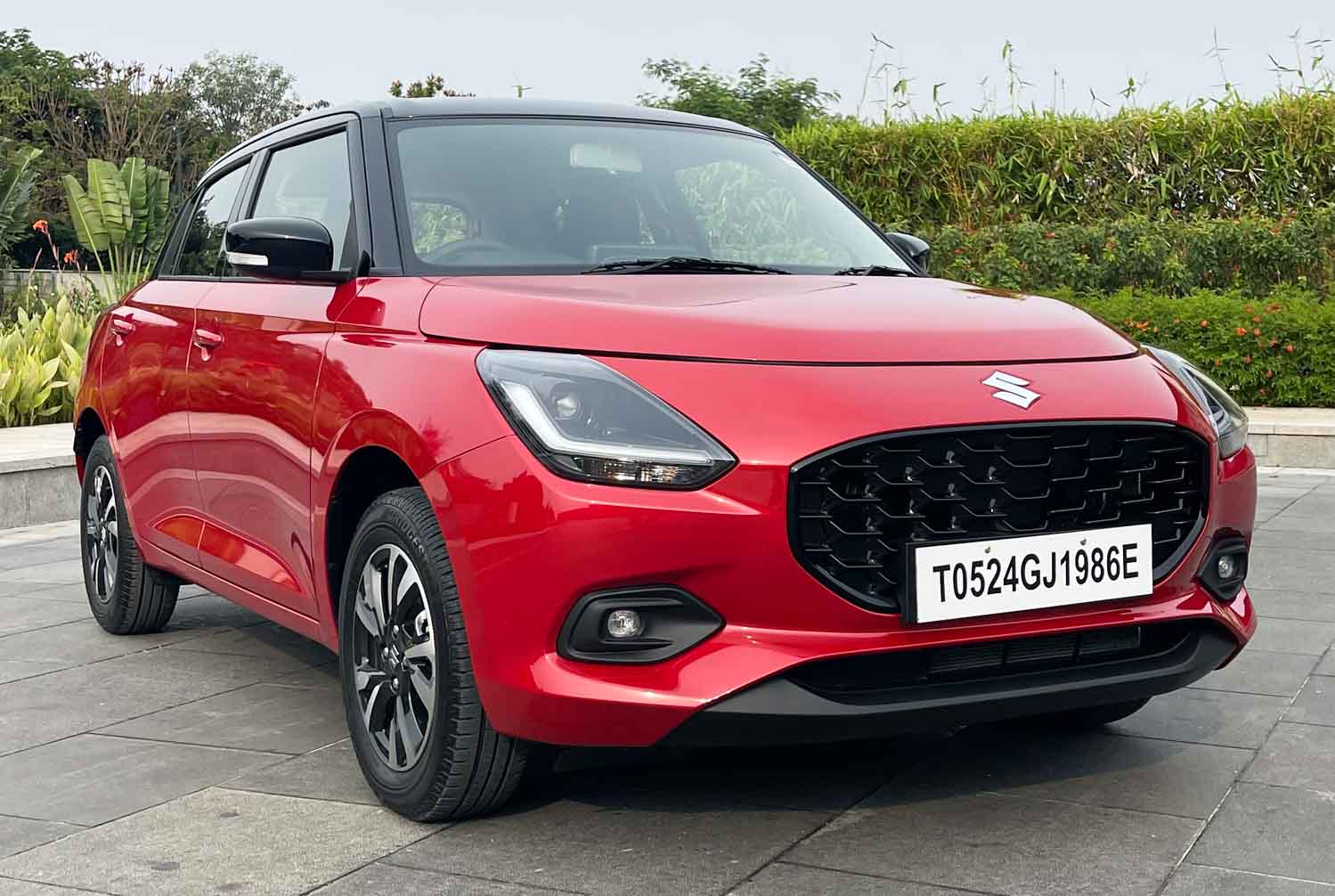
2024 maruti swift-23

GST cut on sub-1200cc petrol and sub-1500cc diesel cars slashes prices by up to 10%, boosting affordability nationwide

The government’s sweeping GST 2.0 reforms have delivered a major boost to India’s small car segment. Among the highlights, GST on sub-1200cc petrol cars under 4 metres and sub-1500cc diesel cars under 4 metres has been reduced from nearly 29–31% to a flat 18%, thanks to the abolition of cess.


The Old vs New Tax Regime

  • Petrol cars (≤1200cc, ≤4m): Earlier taxed at 28% GST + 1% cess (29% total)

  • Diesel cars (≤1500cc, ≤4m): Earlier taxed at 28% GST + 3% cess (31% total)

  • Now (Both categories): A flat 18% GST, no cess

This is one of the most significant tax cuts in recent years for mainstream cars.


What It Means for Buyers: Quick Math

Case 1: Petrol Car at ₹10 lakh (with 29% GST earlier)

  • Base price (ex-GST) = ₹10,00,000 ÷ 1.29 ≈ ₹7,75,194

  • New price @18% GST = ₹7,75,194 × 1.18 ≈ ₹9,14,729
    ✅ You save ~₹85,271 (≈8.5%)

Mahindra XUV 3XO (1)Case 2: Diesel Car at ₹15 lakh (with 31% GST earlier)

  • Base price (ex-GST) = ₹15,00,000 ÷ 1.31 ≈ ₹11,45,038

  • New price @18% GST = ₹11,45,038 × 1.18 ≈ ₹13,50,146
    ✅ You save ~₹1,49,854 (≈10% cheaper)

These examples show how GST 2.0 puts lakhs of rupees back in the buyer’s pocket, especially in the compact and entry-level diesel segment.

Boost for Mass-Market Automakers

Brands like Maruti Suzuki, Hyundai, Tata Motors, and Honda—all of whom rely heavily on small cars—stand to gain the most. The tax cut improves affordability in entry-level and compact segments, categories that had been losing traction due to rising costs and changing consumer preferences.

EVs and Tractors Retain Their Edge

Even as petrol and diesel cars get relief, Electric Vehicles (EVs) continue at just 5% GST—the lowest of all vehicle categories. This ensures EVs remain competitive and aligned with India’s long-term green mobility goals.

Mahindra-XEV-9e-BE-6-Pack-Two-79-kWh-1.jpg

Meanwhile, the tractor industry has also emerged as a big winner. GST on tractors has been cut from 12% to 5%, while parts such as tyres, gearboxes, and hydraulic pumps also fall to 5%. This 7% reduction makes new tractors cheaper and lowers maintenance costs, directly benefiting farmers and rural India.

Mahindra-Tractor-Sales-Milestone-1.jpg

Dr. Anish Shah, Group CEO & MD, Mahindra Group, welcomed the reforms, calling them a defining moment:

“The next-generation GST reforms announced today mark a defining moment in India’s journey towards building a simpler, fairer, and more inclusive tax system…
At Mahindra, we view these reforms as transformative. They simplify compliance, expand affordability, and energise consumption, while enabling industry to invest with greater confidence. This bold step is in line with the vision articulated by the Hon’ble Prime Minister of building a citizen-centric, future-ready Bharat. It strengthens India’s economic foundations and will help drive the next phase of equitable and inclusive growth—our journey towards Viksit Bharat.”

This statement captures the broader sentiment across the sector—optimism, relief, and readiness to realign business strategies with the new regime.

Conclusion

By bringing 1200cc petrol and 1500cc diesel cars into the 18% GST slab, GST 2.0 offers immediate savings for buyers and demand revival for automakers. Together with EVs at 5% and tractors at 5%, the reforms strike a balance between urban affordability, rural empowerment, and sustainable growth.

The post New GST Rates – Small Petrol & Diesel Cars Get Price Cut By Upto Rs. 1.5 Lakh appeared first on Gaadiwaadi.com - Latest Car & Bike News by Gaurav Yadav.


from Gaadiwaadi.com – Latest Car & Bike News https://ift.tt/oh9tNqI

Maruti Suzuki Victoris SUV Breaks Cover – Gets ADAS, New Console & More

GaadiWaadi -

Maruti-Suzuki-Victoris-2.jpg

Maruti Suzuki Victoris gets a 1.5L mild hybrid petrol, a 1.5L strong hybrid petrol and a CNG powertrain option; AWD in select variants

Maruti Suzuki has unveiled the Victoris, a new midsize SUV, in India today. The five-seater is positioned between the Brezza and the Grand Vitara in the brand’s lineup and it will be retailed through the regular Arena outlets soon. To be priced between Rs. 10 lakh and Rs. 18 lakh (ex-showroom), the Victoris strengthens Maruti Suzuki’s presence in the competitive midsize SUV space.

The exterior has adopted cues from both the e Vitara and Grand Vitara but the Victoris carries its own signature details evoking a different flavour found in the European market. At the rear, it has been fitted with boomerang-shaped 3D LED lamps joined by a horizontal light bar. A wide tailgate, integrated roof spoiler with stop lamp and shark fin antenna have also been added for a sharper yet matured presence.

The cabin has been equipped with a large touchscreen infotainment system supporting wireless Apple CarPlay and Android Auto interface. Other highlights include a new 10.25-inch fully digital instrument cluster which complete the dual screen layout, wireless charger, automatic climate control, steering wheel with mounted controls and selectable drive modes.

Maruti-Suzuki-Victoris.jpg

Maruti Suzuki has given the Victoris two hybrid powertrain choices – the 1.5-litre mild-hybrid petrol and the 1.5-litre strong-hybrid petrol – both borrowed from the Grand Vitara. In addition, a CNG-powered version has also been introduced as in its sibling. It features first-in-segment S-CNG with a concealed tank enabling an average fuel efficiency of 28 kmpl. The Victoris has slightly larger dimensions compared to the Grand Vitara – translating into a more spacious boot and increased cabin practicality.

Dimensions

Details

Overall Length (mm)

4360

Overall Width (mm)

1795

Overall Height (mm)

1655 (unladen)

Wheelbase (mm)

2600

Tyre Size

215/60 R17

Fuel Tank Capacity

Petrol – 45 L  CNG – 55 L

Rivals for the Maruti Suzuki Victoris include the Hyundai Creta, Kia Seltos, Toyota Hyryder, Mahindra Scorpio N, VW Taigun, Skoda Kushaq and Honda Elevate. Positioned in the Rs. 10-16 lakh price range, it also overlaps with the top-spec variants of several compact SUVs – potentially drawing customers from that segment.

Specification

Petrol

Hybrid

Engine

K-Series 1.5L Dual Jet Dual VVT Engine  

1.5L Strong Hybrid  

Max Power

75.8 kW (103.06 PS) @ 6000 rpm

68 kW (92.45 PS) @ 5500 rpm

Max Torque

139 Nm @ 4300 rpm

122 Nm @ 3800–4800 rpm

Fuel Efficiency

21.18 km/l (MT)  21.06 km/l (AT)  19.07 km/l (ALLGRIP AT)  27.02 km/kg (MT S-CNG)

28.65 km/l (eCVT Hybrid)

The SUV has secured a full five-star safety rating under the Bharat NCAP program. Scoring 31.66 out of a possible 32 points for adult occupant protection and 43 out of 49 points for child occupant safety, the Victoris establishes itself among the safest models in its class. It comes with a busy front end comprising a light bar and the Suzuki emblem.

The Victoris has been packed with advanced safety technology including Level 2 ADAS, six airbags, a 360-degree camera system, Dolby Atmos sound system and a power-operated tailgate. The Victoris is set to be exported to over 100 countries from India and its local bookings have commenced for an initial token of Rs. 11,000.

The post Maruti Suzuki Victoris SUV Breaks Cover – Gets ADAS, New Console & More appeared first on Gaadiwaadi.com - Latest Car & Bike News by Surendhar M.


from Gaadiwaadi.com – Latest Car & Bike News https://ift.tt/eVxbjiW

New Gen Hyundai Venue Interior Spied Ahead Of Launch – Clearest Images

GaadiWaadi -

New-Hyundai-Venue-1.jpg

The new gen Venue interior will be inspired from the Creta with the dual 10.2-inch floating touchscreen system being the primary highlight

The new-gen Hyundai Venue is slated to launch on Oct 24, 2025 in the Indian market. Though the SUV has been captured on camera on several instances in the past during its test runs, but this time probably the clearest interior images of the upcoming Hyundai SUV have emerged on the web. The exterior is camouflaged but still it reveals a few key details of the new-gen model of the SUV. It is positioned in the compact SUV segment which is filled with heavyweights like Maruti Brezza, Kia Sonet, Tata Nexon, Mahindra XUV 3XO and Skoda Kylaq.

The spy images suggest that the new-gen Hyundai Venue will be adorning the brand’s latest design language which we saw with the Exter and Creta N Line. The front fascia flaunts a broader grille with vertical inserts and LED DRLs. The squarish headlamp units have been integrated into the lower bumper to further enhance the SUV character of the new-gen Venue.

The new-gen Hyundai Venue retains the clamshell bonnet while the side profile largely remains the same, barring the newly designed alloy wheels. While the base and mid-spec variants are likely to get 16-inch wheels, the top-end grades could come with 17-inch units. The rear profile boasts of a connected LED tail lamp cluster identical to the Creta while the bumper too has been tweaked.

Also Read: Hyundai Sells Over 60,000 Units In August 2025 With 21% Growth

New Hyundai Venue (3)
Image Source: PowerStroke

While the exterior styling is on the expected lines, the biggest surprise awaits us inside the cabin in the form of a twin 10.2-inch floating touchscreen setup which serves as the central infotainment system and driver’s digital display. This curvilinear setup, available with the Creta and Alcazar, has eventually made its way into the new-gen Venue.

In addition, the spy pics show that the AC vents have been repositioned on the centre console while a host of new physical buttons can be seen for the first time for the AC and infotainment controls. We can also see that Hyundai has equipped the new-gen Venue with an integrated dashcam, auto-dimming IRVM and a restyled steering wheel.

Also Read: 4 New Hyundai Compact SUVs Worth Waiting For

New Hyundai Venue (2)
Image Source: PowerStroke

Some of the notable features expected onboard the new-gen Hyundai Venue are ambient lighting, 360-degree camera, panoramic sunroof, rain-sensing wipers, ventilated seats, and dual-zone climate control. The multi-tone dashboard could get an integrated subwoofer while the audio system is also expected to be more premium with a higher number of speakers.

Mechanically, the new-gen Venue will remain unchanged with the same 1.2L 4-cylinder naturally aspirated petrol, 1.0L 3-cylinder turbocharged petrol and 1.5L 4-cylinder diesel engines. The gearbox choices will also be carried over in the form of 5-speed manual, 6-speed manual, 6-speed iMT, 6-speed torque converter AT and 7-speed DCT units.

The post New Gen Hyundai Venue Interior Spied Ahead Of Launch – Clearest Images appeared first on Gaadiwaadi.com - Latest Car & Bike News by Team GaadiWaadi.


from Gaadiwaadi.com – Latest Car & Bike News https://ift.tt/s7ORjxK

Tata Motors Working On 3 New Compact SUVs – All Key Details

GaadiWaadi -

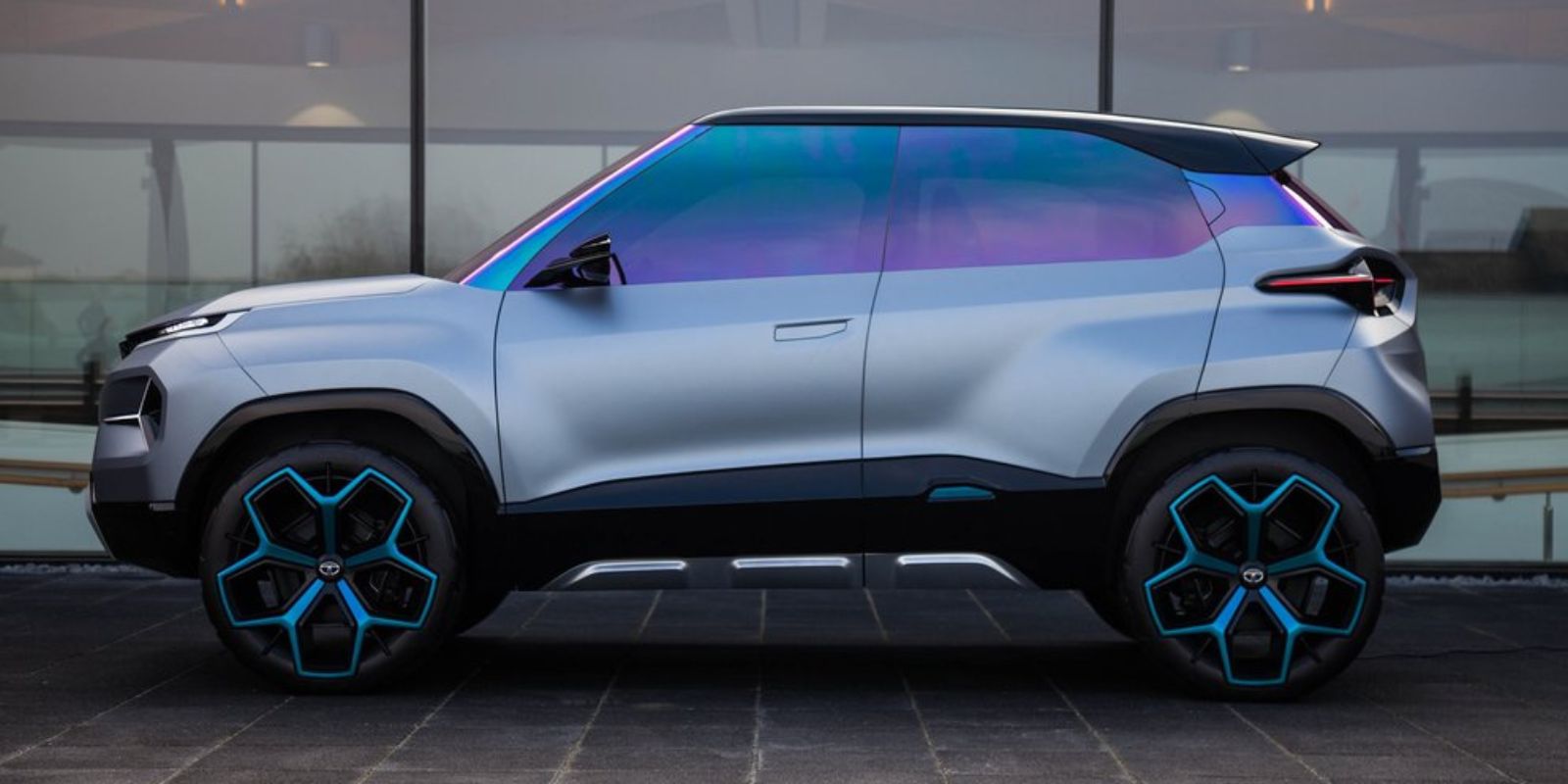
TATA H2X CONCEPT

Tata Motors lines up three new small SUVs for launch later this decade, eyeing a stronger market share in the hotly contested sub-4 metre segment

Tata Motors’ next product offensive will include a wide range of new SUVs, including three sub-4 metre models designed to compete in India’s most competitive segment. The company will launch two of these three sub-4 small SUVs within three years.

This October, right in the peak time of the festive season, Tata Motors will launch the facelifted Punch. The updated model will likely feature a thoroughly revised exterior inspired by the Punch.ev and have tweaked headlamps, redesigned bumpers, and new 16-inch alloy wheels. More significant improvements are expected inside, with a 10.25-inch touchscreen infotainment replacing the current model’s 7.0-inch unit and a 4-inch driver information display being swapped with a larger panel.

The new Tata Punch will likely come with the same 1.2-litre petrol and petrol-CNG engines as the current model. The same goes for the 5-speed manual and automated manual transmission options. That said, while the current Punch CNG is available only with the 5-speed manual transmission, the new Punch CNG is expected to be available even with the 5-speed automated manual transmission.

Also Read: Tata Motors Retails 43K+ Units In August 2025, EVs Up In Volumes

tata punch facelift

Sometime in 2027, Tata Motors will launch the second-generation Nexon (codename: Garud). Based on a thoroughly updated version of the current model’s X1 platform, the redesigned model will likely be offered with the familiar 1.2-litre petrol and petrol-CNG engines.

However, it may not be offered with the 1.5-litre diesel engine, owing to the stricter BS7 emission norms that could shoot up costs to an unfeasible level. The future model should boast a host of new premium features, including a 12.3-inch touchscreen infotainment system, power driver’s seat, and Level 2 ADAS.

Also Read: Tata To Launch Over 15 New Cars By 2030 – Sierra, Scarlet & More

Tata-Nexon-7-Lakh-Sales.jpg
Current Nexon

Also in the pipeline is a younger sibling of the next-gen Sierra, internally called ‘Scarlet.’ This model will feature a boxy and masculine character like Mahindra’s Thar and Maruti Suzuki’s Jimny. However, unlike these body-on-frame sub-4metre SUVs, Tata Motors’ squarish sub-4 metre SUV will be a monocoque model, prioritising comfort, driving dynamics, and efficiency above off-road prowess.

The Scarlet’s monocoque construction will also make it easy for Tata Motors to develop a pure electric derivative, which could potentially compete with Kia’s upcoming Syros EV. Positioned between the Nexon and Sierra, the future model could be priced from around 9.5 lakh (ex-showroom). We expect this model to arrive in showrooms sometime in 2028.

The post Tata Motors Working On 3 New Compact SUVs – All Key Details appeared first on Gaadiwaadi.com - Latest Car & Bike News by Amit Rawat.


from Gaadiwaadi.com – Latest Car & Bike News https://ift.tt/9MOSZCa

5+ Highly Awaited New Midsize SUVs Arriving Over The Next 6-9 Months

GaadiWaadi -

Kia Concept EV2 1

Here we have explained about the new midsize SUVs that are set to launch in India over the next 6-9 months

The midsize SUV space is set for a flurry of activity as several automakers prepare to introduce new contenders. Over the next six to nine months, names like Maruti Suzuki, Tata Motors, Mahindra, Renault, Kia and Nissan will be bringing in new models to give consumers a wider selection than ever before. Here’s a snapshot of the upcoming SUVs.

1. Mahindra XUV700 Facelift:

Mahindra-XUV700-facelift-2026.jpg
Image Source: TamilMotors360

Mahindra is working on a mid-life refresh for the XUV700 with a market debut highly possible in early 2026. The facelift will bring subtle styling updates on the outside, a revamped cabin and a few added features while the familiar 2.0L petrol and 2.2L diesel engine choices are expected to stay unchanged.

2&3. Maruti Suzuki Escudo & e Vitara:

Maruti Escudo

Maruti Suzuki is set to expand its footprint in the midsize SUV category with two new entrants – the Escudo and the e Vitara. The Escudo, which shares much of its underpinnings with the Grand Vitara, is going on sale today via Arena dealerships – giving buyers another option in the hotly contested segment. Meanwhile, production of the all-electric e Vitara has already begun at the company’s Indian facility with exports given priority currently. Its domestic debut is just around the corner and the EV is expected to offer a driving range of more than 500 km on a single charge.

Also Read: 4 New SUVs Waiting To Launch This Festive Season From Top 4 Brands

4. All New Tata Sierra:

2025-Tata-Sierra-ICE-2.jpg

Tata is preparing to revive the legendary Sierra – kicking things off with an all-electric version. The Sierra EV, which borrows much of its foundation from the Harrier EV, is slated to hit the market before the close of the current financial year. Although the spotlight will first fall on the battery-driven model, Tata has plans to expand the lineup with internal combustion engine options by 2026 too.

5. Next Gen Kia Seltos:

New-Gen-Kia-Seltos1.jpg
Image Source: nitrorush_01

The next-gen Kia Seltos is indeed taking shape with camouflaged test mules spotted multiple times across India. Although the brand has not provided an official launch timeline – reports point to a 2026 introduction. The SUV is in line for a ground-up makeover featuring a new design language and a thoroughly revamped interior.

Also Read: 5 Upcoming New 7 Seater SUVs In India – Mahindra To Tata

6. All New Renault Duster:

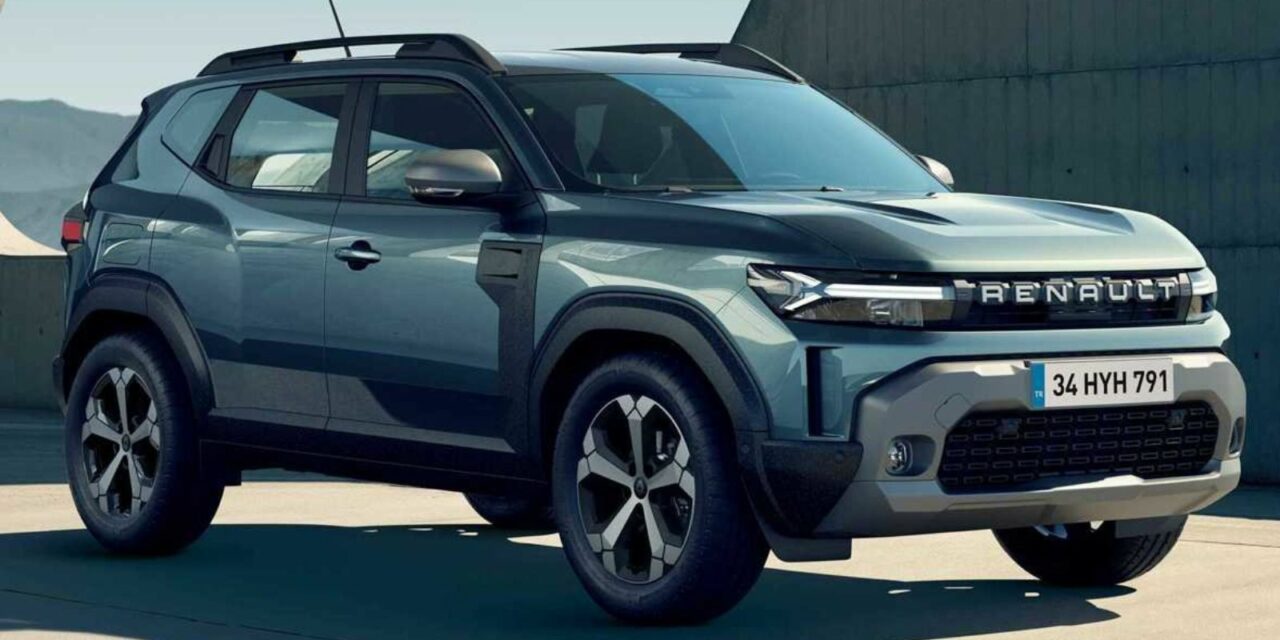
2024-Renault-Duster-Leaked.jpg
2024 Euro-Spec Renault Duster

Renault is preparing to reintroduce the Duster to the Indian market with its arrival likely slated for H1 2026. The five-seater will be underpinned by the CMF-B+ modular architecture which the company is actively localising for domestic production. Compared to its predecessor, the updated Duster will be a far more modern product with hybrid tech part of its future powertrain strategy.

7. Nissan Midsize SUV:

New Nissan Midsize SUV
Source: anoop_raveendran

Renault is all set to bring in two new SUVs. One of which will be a larger midsize model taking shape as the modern-day replacement for the Terrano. Built on the same CMF-B+ platform as the upcoming Duster, the SUV will carry over key styling and components from its sibling. Development is already well underway with camouflaged test mules caught on local roads and its market introduction is likely in 2026 as well.

The post 5+ Highly Awaited New Midsize SUVs Arriving Over The Next 6-9 Months appeared first on Gaadiwaadi.com - Latest Car & Bike News by Surendhar M.


from Gaadiwaadi.com – Latest Car & Bike News https://ift.tt/zhY9o3V