BMW i3 50 xDrive Debuts As First Electric 3 Series – 469 Hp & 900 Km Range

GaadiWaadi -

BMW-i3-50-xDrive.jpg

BMW i3 50 xDrive uses a twin electric motor setup with combined power output of 469 hp and 645 Nm of torque

BMW has officially taken the wraps off the i3 50 xDrive – the brand’s first all-electric version of the iconic 3 Series nameplate under its Neue Klasse platform. Positioned as the second model in the new-gen lineup, it indicates a major step forward with the presence of an all-new electronics architecture, design direction and EV hardware.

Power comes from a dual-motor setup – one mounted on each axle – delivering a combined power output of 469 hp and 645 Nm of torque. The performance gives the sedan all-wheel-drive capability while maintaining high efficiency standards according to the brand. The setup is based on BMW’s sixth-gen eDrive technology which also introduces an 800-volt system.

It is accompanied by newly developed high-voltage batteries using round cells and a cell-to-pack structure for improved energy density. Range is one of the biggest talking points here. BMW claims up to 900 km on a single charge on the WLTP cycle – making it one of the longest-range electric sedans globally and we can expect it to arrive in India in the near future.

BMW i3 50 xDrive 2

Charging performance is equally impressive as well with DC fast charging speeds of up to 400 kW. Under ideal conditions, the car can add around 400 km of driving range in just 10 minutes. It also supports bidirectional charging functions such as Vehicle-to-Load, Vehicle-to-Home and Vehicle-to-Grid. A major part of its driving capabilities is handled by a new high performance computing system called the “Heart of Joy.”

It processes inputs up to ten times faster than previous systems and works alongside three additional control units – forming the core of BMW’s new software and electronics architecture. The setup also supports the next phase of assisted driving through BMW’s Symbiotic Drive system. In terms of design, the i3 evolves the classic 3 Series look with modern detailing.

BMW i3 50 xDrive Interior

It adopts a 2.5-box layout with a long wheelbase, short overhangs and a sloping greenhouse. The front features a reinterpreted four-eyed look where the grille and headlamps merge into a single lighting element. At the rear, horizontal LED lights and flared wheel arches emphasise width and sportiness of the all new model.

On the inside, a new Panoramic iDrive system dominates the dashboard offering a wide digital interface while maintaining a driver-oriented layout. The interior makes full use of the EV platform – delivering improved roominess without losing the sporty character associated with the 3 Series. Production will take place at BMW’s Munich facility which has undergone extensive upgrades including a new body shop and advanced assembly lines.

BMW i3 50 xDrive 1

Manufacturing activities will begin in August 2026 with customer deliveries scheduled from autumn. Within a year, the plant will transition to producing only fully electric Neue Klasse models.

BMW i3 50 xDrive 2 BMW i3 50 xDrive 1 BMW-i3-50-xDrive.jpg BMW i3 50 xDrive Interior BMW i3 50 xDrive 3

The post BMW i3 50 xDrive Debuts As First Electric 3 Series – 469 Hp & 900 Km Range appeared first on Gaadiwaadi.com - Latest Car & Bike News by Surendhar M.


from Gaadiwaadi.com – Latest Car & Bike News https://ift.tt/CJzwWsH

Hyundai’s India Lineup To Expand With Hybrids, New SUVs & A Localised EV

GaadiWaadi -

Hyundai-Palisade-Hybrid-India.jpg

Hyundai is working on multiple new products for India including new hybrid and electric offerings over the next 2-3 years

The future product lineup of Hyundai for India is shaping up to be far diverse with hybrid technology expected to play a central role in the coming years. While a compact electric SUV is on the horizon, the Korean brand is simultaneously preparing multiple hybrid models and evaluating premium global products for the domestic market.

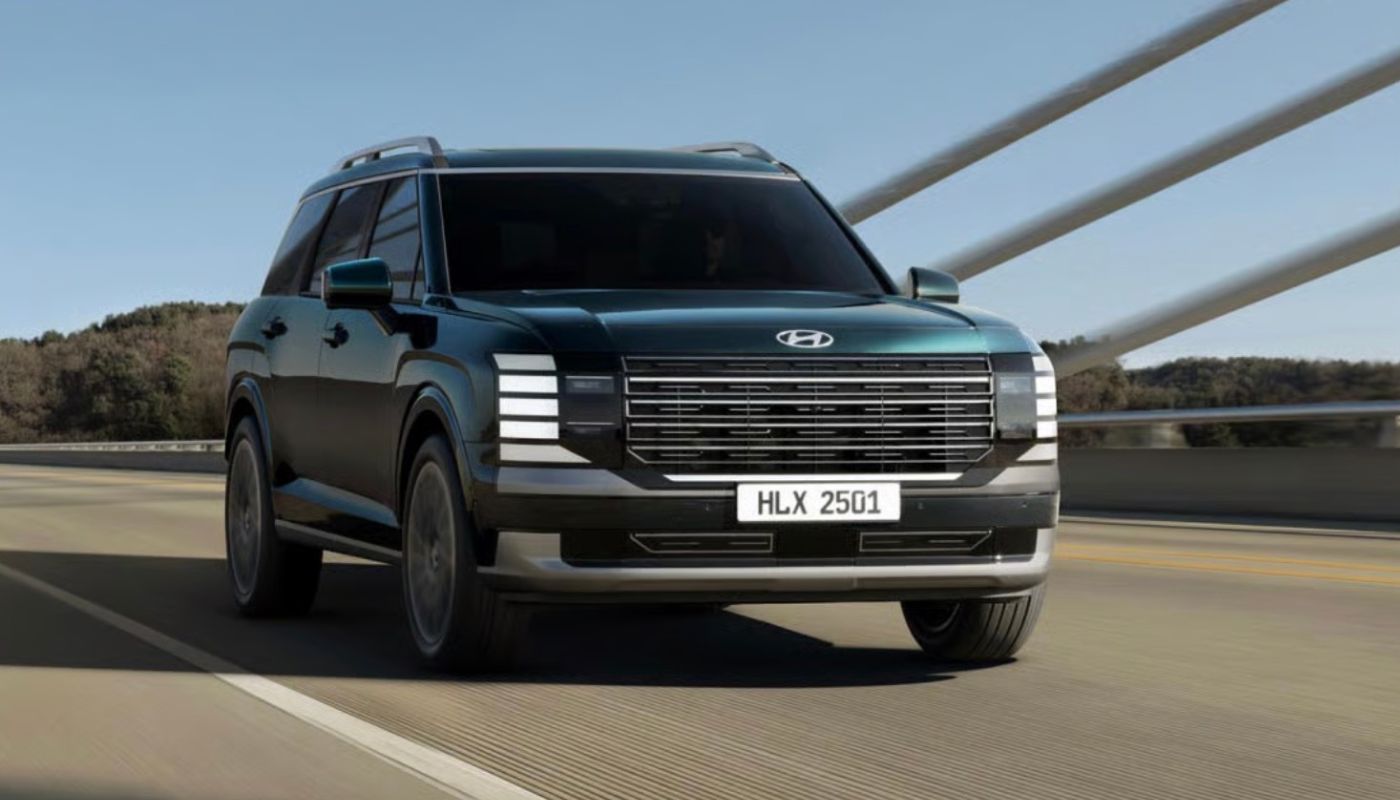
At the higher end, Hyundai is exploring the possibility of introducing the Palisade, a large three-row SUV already sold overseas. Although not officially confirmed, it remains under consideration and could arrive around 2028 if approved. Globally, the Palisade Hybrid uses a 2.5-litre turbocharged petrol engine paired with electric assistance – delivering high fuel economy and performance.

If launched, it would likely become Hyundai’s most premium and feature-loaded offering in India. Closer to the core segment, Hyundai is also developing a brand-new three-row SUV  internally referred to as Ni1i. This model is expected to be positioned between the Alcazar and the now-discontinued Tucson and will target high volume sales.

Also Read: New Hyundai Compact Electric SUV Spotted Testing Again In India

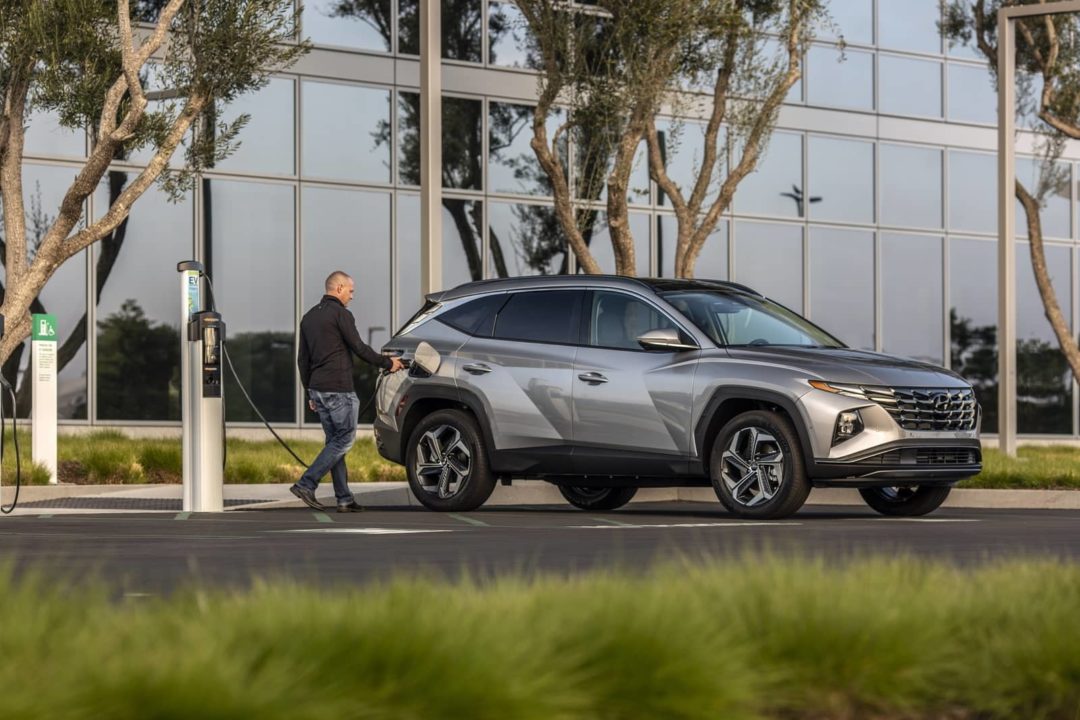
2022 Hyundai Tucson Plug in hybrid
Tucson PHEV

With a more spacious cabin and an upmarket approach compared to the Alcazar, it could debut around 2027 and may utilise a 1.5-litre petrol hybrid powertrain. Meanwhile, the next-gen Creta will continue to play a main role in Hyundai’s volume strategy. Known internally as SX3, the fourth-gen model is built on a brand new platform and is set to feature notable updates in styling and cabin departments.

Existing petrol, turbo-petrol and diesel engines are expected to continue but the biggest highlight will likely be the addition of a strong hybrid system. Before these larger plans materialise, Hyundai’s immediate focus is expected to be toward the mass market electric space. A heavily localised compact electric SUV is likely to debut in late 2026 and it has already been spotted testing multiple times on Indian roads.

Also Read: EV Discounts Of Up To Rs. 10 Lakh In March 2026 – Hyundai To Mahindra

2024 Hyundai Bayon Facelift_-3This model will directly compete with established players such as the Tata Punch EV, Tata Nexon EV and recently launched Mahindra XUV 3XO EV. In addition to this, Hyundai may further strengthen its range by bringing in global products like the Bayon compact SUV while continuing updates to its existing portfolio including the recently refreshed Verna.
Hyundai appears to be taking a multi-pronged approach for India. While the upcoming compact EV targets high-volume segments, hybrids are expected to act as a bridge between conventional internal combustion engines and full electrification.

The post Hyundai’s India Lineup To Expand With Hybrids, New SUVs & A Localised EV appeared first on Gaadiwaadi.com - Latest Car & Bike News by Surendhar M.


from Gaadiwaadi.com – Latest Car & Bike News https://ift.tt/48atTLZ

Tata Sierra Bags 5-Star Safety Rating In BNCAP Crash Test

GaadiWaadi -

Tata Sierra (26)

Priced from Rs. 11.49 lakh (ex-showroom) to 21.29 lakh rupees (ex-showroom), the all-new Tata Sierra is among the safest mid-size SUVs available in India

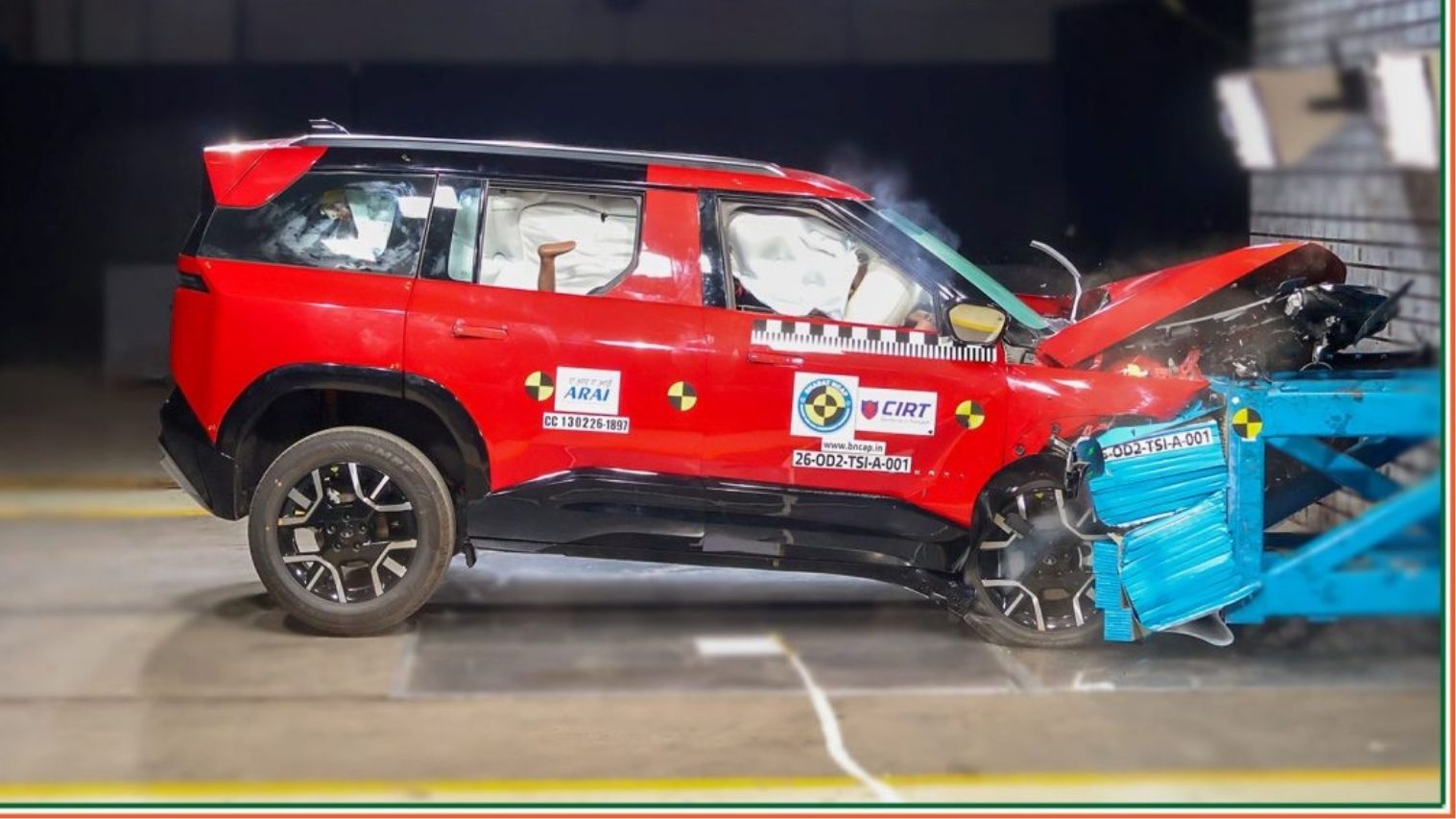
Tata Motors’ continued progress in vehicle safety has seen the all-new Sierra bag the 5-star rating in the Bharat New Car Assessment Program (BNCAP). The rating applies to both adult occupant protection and child occupant protection.

Of the maximum 32 points in adult occupant protection, the all-new Tata Sierra has scored 31.14 points, equivalent to a 5-star rating. To be more specific, the mid-size SUV has scored 15.14 out of the maximum 16 points in the frontal offset deformable barrier test and the full 16 points in side movable deformable barrier test.

The 0.86 points lost in the frontal offset deformable barrier test were due to an ‘adequate’ protection instead of ‘good’ for the driver dummy’s chest and tibiae and the front passenger dummy’s tibia. In the side pole impact test, the all-new Sierra has been given an ‘OK’ rating for adult occupant protection.

Also Read: Tata To Bring In More New EVs In 2026-27; Focus On Higher Localisation

Tata Sierra (27)

In the child occupant protection, conducted using an 18-month dummy and a 3-year-old dummy, both rearward facing, the all-new Tata Sierra scored 44.73 out of the maximum 49 points. The 18-month dummy obtained 7.73 out of the maximum 8 points in the frontal crash test and the full 4 points in the side crash test. The 3-year-old dummy obtained full points in both these tests, though. Thus, the dynamic score in child occupant protection stood at 23.73 out of the maximum 24 points.

The all-new Tata Sierra scored the full 12 points for child restraint system installation. Despite the strong dynamic score and full points in child restraint system installation, the overall child occupant protection rating was let down by the vehicle assessment score, which stood at 9 out of the maximum 13 points.

Also Read: Tata Sierra EV Arriving Soon – Launch, Range, Features, Specs, Price & More

Tata Sierra (25)

The crash tests were performed using the Adventure+ and Accomplished+ trims, which are among the top-most grades. However, they are applicable across the line-up, including the Smart+, Pure, Pure+, Adventure, and Accomplished equipment lines. Tata Motors equips the Sierra with six airbags, all-wheel disc brakes, and Electronic Stability Program (ESP) across the range. Tyre Pressure Monitoring System (TPMS), a 360º HD camera system, Hill Descent Control (HDC), 13 advanced driver assistance systems, and more safety features are available in higher trims.

The post Tata Sierra Bags 5-Star Safety Rating In BNCAP Crash Test appeared first on Gaadiwaadi.com - Latest Car & Bike News by Team GaadiWaadi.


from Gaadiwaadi.com – Latest Car & Bike News https://ift.tt/dehp6Sy

Kia Carens Clavis EV GT-Line & X-Line Trims Launched, Gets 6-Seater Option Too

GaadiWaadi -

MY26-Kia-Carens-Clavis-EV-GT-Line-X-Line.jpg

Kia Carens Clavis EV gets its portfolio expanded with the inclusion of more premium variant levels and a six-seater configuration with middle-row captain chairs

Kia has consolidated the appeal of its all-electric MPV, the Carens Clavis EV, by introducing new trims, a new seating layout and feature upgrades for Model Year 2026. Since its debut last year, it has been well received by customers and building on the momentum, the biggest update is the addition of a 6-seater configuration with captain seats.

More interestingly, the new seating option is available across multiple trims including HTX (E), HTX, HTX+, GTX, GTX+ and X-Line. Meanwhile, the existing 7-seater configuration continues giving customers flexibility depending on their usage. Powertrain-wise, the Carens Clavis EV continues with two battery options as before as the performance and range figures remain the same.

The smaller 42 kWh pack delivers an ARAI-rated 404 km range between charges while the larger 51.4 kWh unit offers up to 490 km on a single charge. The electric motors produce 99 kW and 126 kW – both delivering 255 Nm torque. In addition, fast charging allows a 10 to 80 per cent top-up in just 39 minutes.

Also Read: Kia To Launch 4 New Cars By Next Year – Syros EV To Carnival Hybrid

Kia-Carens-Clavis-EV-2.jpg

Battery Pack

Seating

Trim

Price

42 kWh

7-Seater

HTK+

Rs. 17.99 lakh

42 kWh

7-Seater

HTX E

Rs. 19.99 lakh

42 kWh

7-Seater

HTX

Rs. 20.49 lakh

42 kWh

6-Seater

HTX E

Rs. 19.99 lakh

42 kWh

6-Seater

HTX

Rs. 20.49 lakh

51.4 kWh

7-Seater

HTX E ER

Rs. 21.99 lakh

51.4 kWh

7-Seater

HTX ER

Rs. 22.49 lakh

51.4 kWh

7-Seater

GTX

Rs. 22.99 lakh

51.4 kWh

7-Seater

HTX+ ER

Rs. 24.49 lakh

51.4 kWh

7-Seater

GTX+

Rs. 24.99 lakh

51.4 kWh

7-Seater

X-Line

Rs. 24.99 lakh

51.4 kWh

6-Seater

HTX E ER

Rs. 21.99 lakh

51.4 kWh

6-Seater

HTX ER

Rs. 22.49 lakh

51.4 kWh

6-Seater

GTX

Rs. 22.99 lakh

51.4 kWh

6-Seater

HTX+ ER

Rs. 24.49 lakh

51.4 kWh

6-Seater

GTX+

Rs. 24.99 lakh

51.4 kWh

6-Seater

X-Line

Rs. 24.99 lakh

A major highlight of this update is the introduction of GT-Line and X-Line trims for the Extended Range version. The GT-Line variants – comprising the GTX and GTX+ – bring a sportier vibe with unique alloy wheels, lime brake callipers and metal pedals. On the other hand, the X-Line gains a more rugged visual stance featuring a new Dark Gun Metal shade along with darker exterior elements for a more SUV-like stance.

Feature additions also play a big role in the MY26 update of the Kia Carens Clavis EV. Higher trims now offer Digital Key functionality and battery heater tech while the cabin continues to impress with a dual panoramic display setup – 26.62-inch combined – along with more than 85 connected features and a dual-pane panoramic sunroof.

Also Read: 2026 Kia Sonet Launched – Diesel 6AT & Turbo Petrol 7DCT Under Rs. 10 Lakh

Carens Clavis EVKia has also strengthened the ownership experience through its EV ecosystem courtesy of the access to over 15,000 charging points via the MyKia app, route planning and payment integration alongside 100+ dealerships equipped with DC fast chargers, the brand. The pricing of the Kia Carens Clavis EV is frame around battery size, features and seating configuration.
The Standard Range (42 kWh) lineup starts at Rs. 17.99 lakh for the base HTK+ 7-seater and goes up to Rs. 20.49 lakh for the better-equipped HTX trims with both 6- and 7-seater options priced similarly. Moving to the Extended Range (51.4 kWh) variants, prices begin at Rs. 21.99 lakh and climb to Rs. 24.99 lakh for the top-spec GTX+ and X-Line trims – again offered in both seating layouts. The mid-range GTX sits at Rs. 22.99 lakh while HTX+ ER is positioned at Rs. 24.49 lakh (all prices, ex-showroom).

The post Kia Carens Clavis EV GT-Line & X-Line Trims Launched, Gets 6-Seater Option Too appeared first on Gaadiwaadi.com - Latest Car & Bike News by Surendhar M.


from Gaadiwaadi.com – Latest Car & Bike News https://ift.tt/gVLyc5R

New Hyundai Compact Electric SUV Spotted Testing Again In India

GaadiWaadi -

new hyundai compact electric SUV spied india

New Hyundai compact electric SUV is expected to go on sale before the closure of this year or in early 2027; could be heavily localised

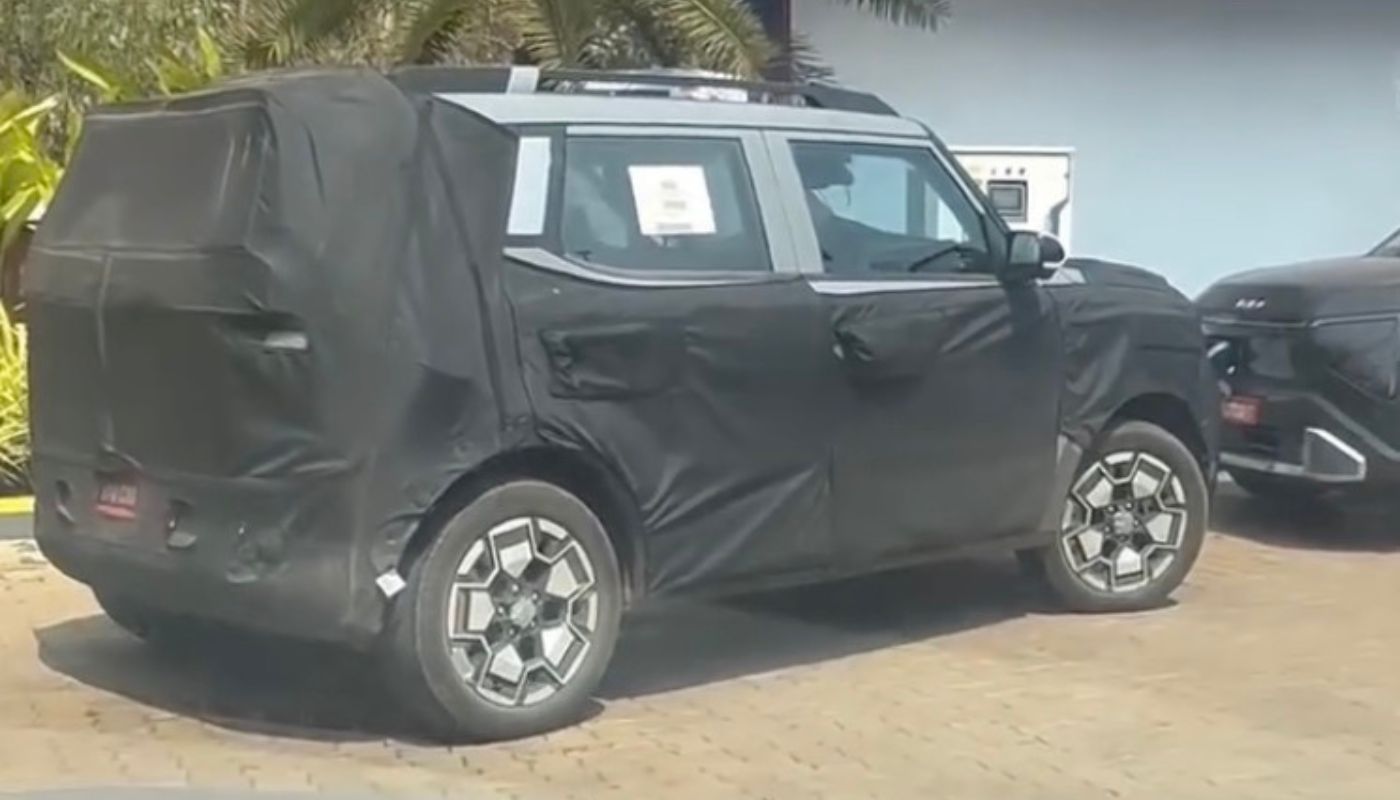
A new compact electric SUV from Hyundai has been spotted undergoing road tests once again, this time in Goa, indicating that development is progressing steadily. Based on the latest sightings, the model is expected to launch either before the end of 2026 or in early 2027. Interestingly, the test mule was seen at a charging station alongside the upcoming GT Line version of the Kia Carens Clavis EV.

Although the prototype remains heavily camouflaged, earlier sightings have already revealed key styling cues. The SUV appears to have a tall and upright stance, somewhat similar to the Venue, along with slim lighting elements at both ends taking inspiration from global Hyundai EVs. The LED signatures seem to follow a segmented pattern while the main headlamp units are positioned lower on the front bumper.

At the rear, vertically aligned reflectors integrated into the bumper are likely. Other visible elements include flush-type door handles, black roof rails and a sizeable roof spoiler finished in black with an integrated high-mounted stop lamp and a shark fin antenna. The latest test mule also hints at aero-optimised wheels – likely around 16 inches in size.

new hyundai compact electric SUV spied india. 1
source: carxplain08/Insta

The interior remains undisclosed for now as no clear cabin images have surfaced. However, based on the brand’s recent offerings, the SUV is expected to feature a large touchscreen infotainment system measuring around 10.25 inches or more, a fully digital instrument cluster and possibly Level 2 ADAS capabilities, and it could be high on safety as well.

The forthcoming model closely sticks with Hyundai’s earlier announcement during an investor presentation where it confirmed plans to introduce a couple of new SUVs for the domestic market. One of them is believed to be a highly localised compact EV designed specifically for the Indian market with advanced technologies and a good driving range.

new-hyundai-compact-electric-SUV-spied-india-2.jpg
source: carxplain08/Insta

Positioning-wise, this sub-four-metre electric SUV is expected to sit below the Creta Electric in Hyundai’s EV lineup. It will likely rival models such as the Tata Nexon EV, Tata Punch EV and the recently launched Mahindra XUV3XO EV and the upcoming Kia Syros EV. In terms of powertrain, Hyundai could offer it with two battery pack options.

The larger battery is expected to deliver a driving range of over 350 km on a single charge and support DC fast charging. The model may also share certain components with a Syros-based EV that is reportedly under development. We can expect it to be aggressively priced as well taking advantage of high local content as it could target high volume sales.

The post New Hyundai Compact Electric SUV Spotted Testing Again In India appeared first on Gaadiwaadi.com - Latest Car & Bike News by Surendhar M.


from Gaadiwaadi.com – Latest Car & Bike News https://ift.tt/dfYbpKc

Tata To Bring In More New EVs In 2026-27 & Focus On Higher Localisation

GaadiWaadi -

Tata-Avinya-X-2.jpg

Tata aims to have at least five all-new EV nameplates on sale by FY2030 including the flagship Avinya series

Tata Motors is reinforcing its position in India’s electric mobility space with a multi-pronged approach that combines new vehicle launches, higher localisation and move towards increased sustainability. The company has already crossed 2.5 lakh EV sales in just five years with the Tata Nexon EV becoming the first electric car in the country to surpass the one lakh sales milestone.

A major part of Tata’s future strategy revolves around expanding its ecosystem. The brand is working towards setting up nearly four lakh charging points by 2027 which will include more than 30,000 public fast chargers under its EV Open Collaboration initiative. In parallel, the aftersales network will also evolve with dedicated EV service bays and specialised battery repair infrastructure across the country.

Localisation is set to play a crucial role going forward. Agratas’ upcoming gigafactory in Sanand will manufacture high-voltage battery cells for Tata’s future electric vehicles – helping reduce dependency on imports while improving cost structures and supply consistency.

Also Read: Tata Sierra EV Arriving Soon – Launch, Range, Features, Specs, Price & More

Tata Sierra EV

On the sustainability side, Tata is preparing a more comprehensive lifecycle approach for its EVs. Battery health certification programmes are being planned for second owners along with refurbishment initiatives. Additionally, batteries that reach the end of their automotive life cycle will be reused for stationary energy storage applications.

Coming to products, the most immediate launch will be the Tata Sierra EV which is expected to arrive within the next three months. The electric SUV will carry forward the appeal of its ICE counterpart while introducing a modern EV setup. It is likely to be offered with two battery pack choices – delivering a claimed range of over 500 km and supporting fast charging.

Also Read: New Tata Sierra Gets Past One Lakh Bookings, Production Ramps Up

Tata-Sierra-Electric-EV-Teased.jpg

In the high-volume segment, the Tata Punch EV received an update recently. The refreshed version features cosmetic revisions and interior enhancements along with a longer range battery. Further up the lineup, Tata will introduce the Tata Avinya range as its flagship EV family. Positioned above the current portfolio, it will showcase a new design philosophy and advanced technologies.

While it was confirmed to arrive before the end of this year, we expect the first production model to debut only in early 2027, potentially featuring a sportback-style silhouette. Tata aims to have at least five all-new EV nameplates on sale by FY2030 – supported by continuous feature updates and software-driven improvements.

The post Tata To Bring In More New EVs In 2026-27 & Focus On Higher Localisation appeared first on Gaadiwaadi.com - Latest Car & Bike News by Surendhar M.


from Gaadiwaadi.com – Latest Car & Bike News https://ift.tt/SxasnZ6

All-New Renault Duster Launched In India At Rs. 10.49 Lakh

GaadiWaadi -

New Renault Duster (11)

New Renault Duster has been made available in 1.0L turbo petrol, 1.3L turbo petrol and 1.8L petrol hybrid trims with multiple transmission choices

The all-new Renault Duster has officially been launched in India at a starting price of Rs. 10.49 lakh (ex-showroom) as the nameplate has officially returned to the market. The third generation model is a complete overhaul, built on the Renault Group Modular Platform (RGMP), and brings a new design, upgraded interiors and multiple powertrain options.

Under the bonnet, the new Duster offers three engine choices. The entry-level Turbo TCe 100 is accompanied by the more powerful Turbo TCe 160 which produces 163 PS and 280 Nm and is paired with either a 6-speed manual or a 6-speed wet dual-clutch automatic transmission. The highlight, however, is the Strong Hybrid E-Tech 160, which combines a 1.8-litre petrol engine with an electric motor and a 1.4 kWh battery – allowing up to 80 per cent electric-only driving in city conditions.

Demand has already been strong even before deliveries begin. Bookings opened earlier this year with a token amount of Rs. 21,000 and a majority of customers have opted for the turbocharged variants. Interestingly, the hybrid version is already fully booked for 2026. Deliveries for the standard petrol variants are scheduled to commence from April while the hybrid will arrive closer to the festive season.

Variant

Engine & Transmission

Standard Price (in lakh)

With R Pass (in lakh)

Authentic

1.0L Turbo MT

10.49

10.29

Evolution

1.0L Turbo MT

11.69

11.39

Evolution

1.3L Turbo MT

12.99

12.69

Evolution

1.3L Turbo DCT

14.49

13.99

Techno

1.0L Turbo MT

13.49

13.19

Techno

1.3L Turbo MT

14.49

14.19

Techno

1.3L Turbo DCT

15.89

15.49

Techno+

1.3L Turbo MT

15.29

14.99

Techno+

1.3L Turbo DCT

16.69

16.29

Iconic

1.3L Turbo MT

16.99

16.59

Iconic

1.3L Turbo DCT

18.49

18.09

Renault Duster (5)

Dimensionally, the new Duster is well positioned in the midsize SUV segment. It measures 4,346 mm in length, 1,815 mm in width and 1,703 mm in height with a wheelbase of 2,657 mm. Ground clearance stands at 212 mm while a 700-litre boot adds to its practicality. On the outside, the SUV gets a muscular design language which is different from the global model.

Specification

Details

Length

4,346 mm

Width

1,815 mm

Height

1,703 mm

Wheelbase

2,657 mm

Ground Clearance

212 mm

Bootspace

700 litres

A trapezoidal grille with distinctive accents, full-LED lighting setup and a more upright stance give it an appealing road presence. Thick cladding, redesigned bumpers and 18-inch alloy wheels further up its SUV credentials. On the inside, the new Renault Duster now features a 10.1-inch touchscreen infotainment system with built-in Google services along with a 10.25-inch fully digital instrument cluster.

Specification

Details

Engine Options

Turbo TCe 100 / Turbo TCe 160 / Strong Hybrid E-Tech 160

Turbo TCe 160 Power

163 PS

Turbo TCe 160 Torque

280 Nm

Hybrid Engine

1.8L petrol + electric motor

Hybrid Battery

1.4 kWh

EV Mode (City)

Up to 80%

Transmission Options

6-speed MT / 6-speed DCT (wet clutch)

Platform

Renault Group Modular Platform (RGMP)

Drive Modes

Eco / Comfort / Perso

Over 60 connected features are accessible via the brand’s app ecosystem. Other highlights include ventilated and power-adjustable front seats, dual-zone climate control with PM2.5 filtration, a panoramic sunroof, powered tailgate and multiple storage spaces totalling over 30 litres. The SUV packs 35 safety features including advanced driver assistance systems, hill descent control, and multiple terrain-based drive modes such as Eco, Comfort, and Perso.

Renault Duster (4)

Despite the addition of advanced tech, frequently used controls have been retained as physical switches for ease of use. The brand offers seven years or 1.50 lakh km warranty for the new offering. The new-gen Duster is a crucial product for Renault as it consolidates its new strategy in India. With a high level of localisation and a platform that will also underpin a three-row SUV next FY, Renault is all prepared to make a strong comeback.

The post All-New Renault Duster Launched In India At Rs. 10.49 Lakh appeared first on Gaadiwaadi.com - Latest Car & Bike News by Surendhar M.


from Gaadiwaadi.com – Latest Car & Bike News https://ift.tt/xwWvRyu