TVS Gains Big As 2W Market Share Race Intensifies In India

GaadiWaadi -

new-tvs-jupiter-110-variant-features-price-1.jpg

The 2W market share of TVS moved up from 15.15 per cent in December 2021 to 19.64 per cent in February 2026 in India

The two-wheeler industry is no longer moving to the same old script. Over the last few years, the market has expanded profoundly but the bigger story is how brand positions have changed within that growth. Among the major players, TVS Motor Company has made one of the biggest gains while Hero MotoCorp has given up ground despite still selling in large numbers.

The overall market has recovered well from earlier lows. The annual domestic two-wheeler volumes rose from around 15.3 million units in calendar year 2022 to more than 20 million units in 2025 – putting the industry within touching distance of the 21 million unit sales seen in 2018. The recovery has created room for brands to push harder but it has also exposed which companies are adapting quickly and which ones are leaning too heavily on older strengths.

For instance, TVS’ market share moved up from 15.15 per cent in December 2021 to 19.64 per cent in February 2026 – a sizeable jump in a highly competitive space. The company has managed this by covering multiple price points and body styles. The Jupiter has been a major volume driver in scooters, the Raider has worked well in the commuter motorcycle space, the Radeon has helped deepen its reach in the entry-level segment and the iQube has given TVS a stronger foothold in the EV space.

Hero Xpulse 210

Hero MotoCorp’s story has been very different. Its share of the market has fallen from 34.5 per cent to 26.92 per cent over the same period. It is a major drop for a brand that has traditionally dominated the commuter motorcycle category. The Splendor and HF Deluxe continue to generate healthy sales but Hero has not been able to build enough momentum around newer products to hold its earlier market position.

In a market where consumers are spreading across scooters, premium motorcycles and EVs, the gap has started to show more apparently. But the recent addition of more premium models and the Vida sub-brand are expected to bring in more volumes in the near future. Elsewhere, Honda has largely held its ground as its share edged up from 24.8 per cent in December 2021 to 25.36 per cent in February 2026.

Honda-Dio-125-X-Shine-125-Limited-Edition-1.jpg

It was backed mainly by the dependable pull of the Activa and Shine but its debut in the zero-emission segment has not gone as well as it planned. Bajaj Auto saw its domestic share reduce from 12.5 per cent to 10.63 per cent but its business remains supported by exports to global markets as its own brand, KTM and Triumph are contributing to high standards.

Royal Enfield improved from 3.49 per cent to 5.36 per cent due to the good reception for the Classic 350, Bullet and Hunter 350. Meanwhile, Suzuki went from 3.71 per cent to 5.55 per cent with the Access 125 leading the way in expanding its local footprint. Yamaha posted a milder increase from 3.28 per cent to 3.59 per cent – led largely by the FZ and Fascino series.

The electric segment – still relatively small in the two-wheeler spectrum – is beginning to influence the market share chart as well. Ather Energy grew from 0.29 per cent in December 2021 to 1.21 per cent in February 2026. That may look modest next to mainstream manufacturers but it shows the increasing impact.

The post TVS Gains Big As 2W Market Share Race Intensifies In India appeared first on Gaadiwaadi.com - Latest Car & Bike News by Surendhar M.


from Gaadiwaadi.com – Latest Car & Bike News https://ift.tt/Ex0RTcH

Royal Enfield Feb 2026 Sales – Classic, Bullet, Hunter, Himalayan, 650s

GaadiWaadi -

royal enfield meteor 350 2026

Royal Enfield garnered 91,248 unit sales in Feb 2026 as against 80,799 units with a YoY growth of nearly 13 per cent in India

Royal Enfield finished sixth in the overall manufacturers’ sales standings in the second month of the new CY with a domestic total of 91,248 units as against 80,799 units during the same period last year with a YoY growth of close to 13 per cent with the Classic 350, Bullet 350 and Hunter 350 continued to account for the bulk of volumes.

While a few models posted healthy year-on-year gains, the month-on-month results varied across the brand’s portfolio. The Classic 350 was the company’s highest-selling motorcycle last month. It recorded 34,307 units in February 2026 compared to 30,641 units in February 2025 – registering a 12 per cent YoY increase.

However, against 34,981 units sold in January 2026, it posted a 2 per cent MoM decline but it continues to be the backbone of Royal Enfield’s portfolio. The Bullet 350 held on to second place with 21,821 units in February 2026 as against 19,244 units during the same month last year – resulting in a 13 per cent growth. On a monthly basis, it slipped by 2 per cent from 22,345 units.

royal enfield continental GT 650

Model

Feb 2026

Feb 2025

YoY Growth

Classic 350

34,307

30,641

12%

Bullet 350

21,821

19,244

13%

Hunter 350

20,234

16,599

22%

Meteor 350

8,817

7,207

22%

650 Twin

2,211

2,882

-23%

Himalayan

2,123

2,158

-2%

Super Meteor

863

1,183

-27%

Guerrilla 450

759

621

22%

Shotgun

113

264

-57%

The Hunter 350 finished closely in the third position with 20,234 units – up from 16,599 units a year earlier. The numbers translated to a 22 per cent YoY gain while its MoM performance was nearly flat compared to 20,329 units in January. The Meteor 350 also posted a healthy annual improvement.

It garnered 8,817 units in February 2026 over 7,207 units in February 2025 – showing 22 per cent YoY growth. But on a month-on-month basis, it declined by 11 per cent from 9,921 units. Taking into account the bigger motorcycles, the 650 Twins recorded 2,211 units last month against 2,882 units in February 2025 – resulting in a 23 per cent decline.

Royal Enfield Himalayan Mana Black Edition 2

Sales were also down 17 per cent MoM from 2,666 units in January 2026. The Himalayan, meanwhile, stood at 2,123 units, slightly lower than 2,158 units a year ago with a 2 per cent drop but it delivered a 30 per cent MoM gain over 1,634 units sold in January. The Super Meteor managed 863 units compared to 1,183 units in February 2025 with a 27 per cent YoY decline.

It also dropped 3 per cent MoM from 893 units. The Guerrilla 450 posted 759 units – up from 621 units in February 2025 with a 22 per cent increase but it fell 21 per cent against 961 units in January. The Shotgun registered 113 units – down from 264 units a year ago with a 57 per cent decline, but it more than doubled on a monthly basis with a 122 per cent rise over 51 units in January.

The post Royal Enfield Feb 2026 Sales – Classic, Bullet, Hunter, Himalayan, 650s appeared first on Gaadiwaadi.com - Latest Car & Bike News by Surendhar M.


from Gaadiwaadi.com – Latest Car & Bike News https://ift.tt/rbZcNYI

Maruti Suzuki Working On A New Tata Punch Rival

GaadiWaadi -

maruti-spresso-concept

Maruti Ignis likely to gain a big brother by early next year, as Maruti Suzuki eyes higher volumes in the micro-SUV segment

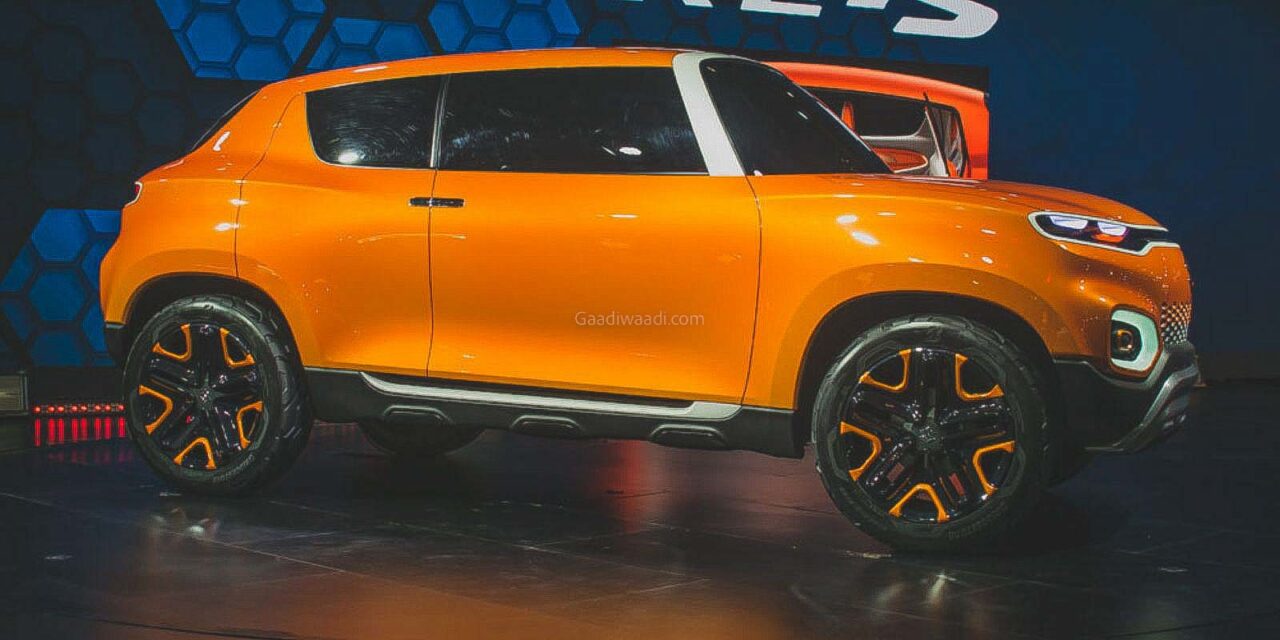
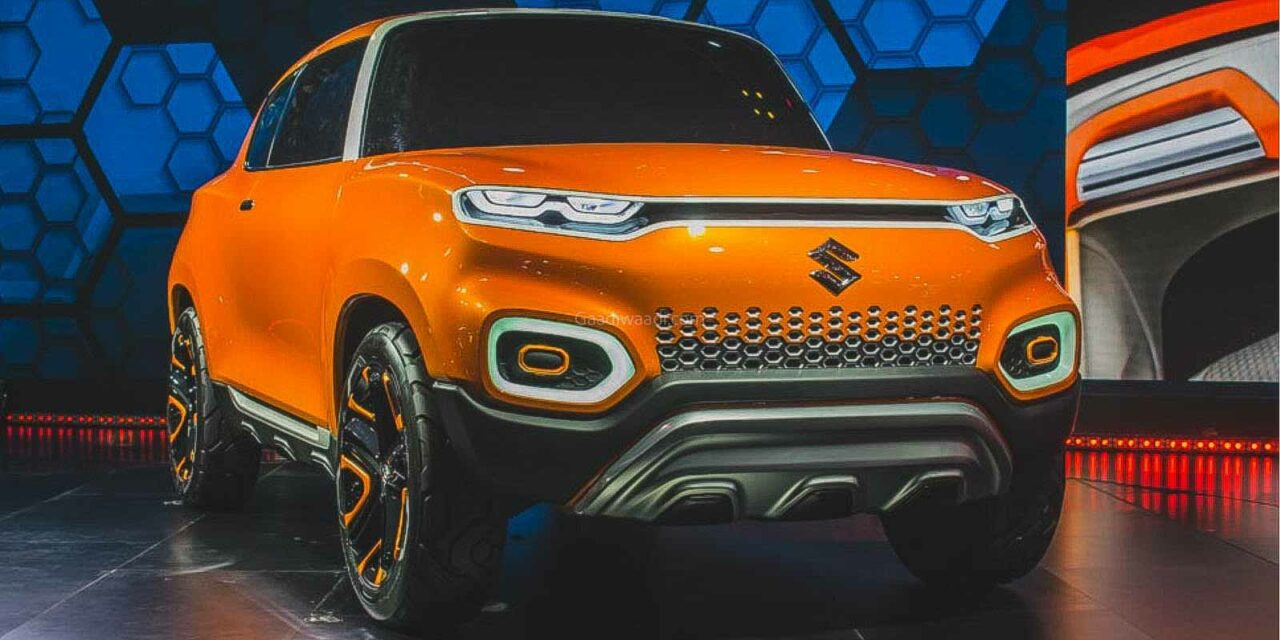
Maruti Suzuki has built a wide SUV line-up of six models over the last ten years and plans to continue expanding the range in the coming years. The company will increase its focus on smaller, more affordable SUVs moving forward, with the first move set to be the launch of a Tata Punch rival.

Media reports say that Maruti Suzuki’s next major launch will be a pure electric MPV codenamed ‘YMC.’ Following this EV, though, the company will strengthen its focus on entry-level cars, which have regained prominence since the reduction of GST on sub-4 metre models with engines not bigger than 1,200 cc (petrol)/1,500 cc (diesel) to 18%.

The first among Maruti Suzuki’s series of all-new entry-level cars coming in the near future will be a micro-SUV codename ‘Y43.’ The Indo-Japanese joint venture has been carefully observing the rising popularity of this segment, largely driven by the success of the Tata Punch, over the years, and wants a piece of the pie.

Also Read: Maruti, Hyundai, Tata & Others See More First-Time Buyers After GST 2.0 Revision

Maruti-Suzuki-Concept-Future-S.jpg
Representational

Maruti Suzuki could have had an early mover advantage with its Ignis in this segment, but it didn’t find much success with this model. Rivals like Tata Punch and Hyundai Exter that came many years later are noticeably bigger and more spacious. These cars are also significantly better in terms of performance, comfort, connectivity, and safety.

The Maruti Y43 will likely measure around 3.8 metres in length, over 1.7 metres in width, and over 1.6 metres in height. It could have a wheelbase spanning approximately 2.5 metres. Maruti Suzuki may offer the new micro-SUV with the Z12E 1.2-litre naturally aspirated three-cylinder petrol engine that develops 80 hp and 111.7 Nm of torque. The company may also offer a CNG variant of the same engine, which produces 69 hp and 101.8 Nm of torque running on gas.

Also Read: Maruti Suzuki Captures One-Fifth Of India’s SUV Market, Plans Further Expansion

Maruti-Suzuki-Concept-Future-S-1.jpg
Representational

Maruti Suzuki could launch the Y43 by early 2027 and price its base configuration in the range of Rs. 5.25-5.50 lakh (ex-showroom). This model will be one of the seven SUVs the company plans to introduce in the next 5-6 years. Maruti Suzuki enjoys a market share of nearly 20% in the SUV category and aims to increase its dominance with the new and updated models in the coming years.

Source

The post Maruti Suzuki Working On A New Tata Punch Rival appeared first on Gaadiwaadi.com - Latest Car & Bike News by Team GaadiWaadi.


from Gaadiwaadi.com – Latest Car & Bike News https://ift.tt/FZ8yBzY

Mahindra To Launch Thar Facelift And Scoprio-N Facelift Soon

GaadiWaadi -

Mahindra Scorpio N Facelift (3)

After replacing the XUV 700 with the XUV 7XO in January, Mahindra to introduce a major facelift for two more hot-selling models this year

With demand for rugged SUVs on the rise, the body-on-frame Mahindra Thar and Mahindra Scorpio-N have become top picks among enthusiasts. Mahindra is planning a facelift for both models this year to keep the momentum going and further elevate their appeal.

Between the two, the Mahindra Scorpio-N, which was launched in June 2022, will be the first SUV to get an update this year. The facelifted version of the Scorpio-N may have a new radiator grille, a new lower air intake, and a new front bumper, aimed at creating a more powerful and confidence-inspiring look.

Redesigned headlamps, new 18-inch alloy wheels, and tweaked tail lamps could also be among the exterior changes on the Scorpio-N. Mahindra may introduce a new paint option as well. Inside, changes could be limited to a new colour scheme and a few new or upgraded features, including a 10.25-inch touchscreen infotainment system. No changes are expected to the engines or transmissions with this update.

Also Read: Over 600 Mahindra Electric Origin SUVs Delivered In A Single Day

Mahindra Scorpio Facelift (1)

As for the second-generation Thar, originally launched in August 2020, Mahindra already gave it a small update in October last year. However, while that update was largely focused on the interior, the upcoming refresh will likely be more about the exterior. Mahindra is unlikely to roll out any mechanical changes with the facelift, though.

The new Mahindra Thar will have a more upmarket front, while carrying over the familiar brawny character. Spy shots have revealed that the latest look will be derived from the larger Thar Roxx, meaning it would have a six-double-slot grille flanked by LED headlights featuring LED C-shaped daytime running lights. Larger, 19-inch alloy wheels could also be in the tow, although smaller wheels would also be offered, aimed at off-road adventurers.

Also Read: Upcoming Mahindra SUVs & EVs: Facelifts, New Models & Future Plans

Mahindra Thar (1)
Pic Source: mrd_vlogs

Although the previous update brought considerable improvements on the inside, the Mahindra Thar still has plenty of room for enhancements. Key features such as passive keyless entry, push-button start/stop, an auto-dimming rear-view mirror, a wireless smartphone charger, and ventilated front seats remain missing. Mahindra may introduce some of them, if not all, with the facelift this year. The company will likely launch the new Thar sometime between July and September.

The post Mahindra To Launch Thar Facelift And Scoprio-N Facelift Soon appeared first on Gaadiwaadi.com - Latest Car & Bike News by Team GaadiWaadi.


from Gaadiwaadi.com – Latest Car & Bike News https://ift.tt/g9O31QI

New Renault Duster Mid-Spec Trim Features & Engine Details – Best VFM Variant?

GaadiWaadi -

Renault Duster (5)

The middle grade of the new Renault Duster is arguably the most appealing one for customers seeking great value for money

The new Renault Duster is loaded to the brim with premium features and is the most performance-focused model in its segment. The new mid-size SUV offers great value, particularly in its middle trim – Evolution.

Both on the outside and inside, the mid-range grade includes a host of premium features for comfort, connectivity, safety, and styling. Eco LED headlamps, a DUSTER-branded grille emblem, 17-inch ‘Ocean’ alloy wheels, and connected LED tail lamps are among the key features on the outside.

Roof rails, prominent wheel arch cladding and door mouldings, and skid plates lend the Duster Evolution a rugged look, while bringing added functionality. The roof rails offer a 50 kg load capacity for carrying adventure gear or extra luggage. Rear wiper, washer, and defogger are also included.

Also Read: Renault To Bring In New SUVs, Hybrids & EVs As Part Of Multiple Product Launches

New renault Duster (1)

Configuration Ex-showroom Price (w/ R-Pass) Ex-showroom Price (w/o R-Pass)
1.0L turbocharged petrol MT Rs. 11.69 lakh Rs. 11.39 lakh
1.3L turbocharged petrol MT Rs. 12.99 lakh Rs. 12.69 lakh
1.3L turbocharged petrol DCT Rs. 14.49 lakh Rs. 13.99 lakh

Inside, the Duster comes with a multifunction steering wheel with push-button audio and phone controls, a centre console with sliding armrest, and one-touch LED cabin lights in the Evolution trim. Remote keyless entry makes ingress more convenient, while cruise control with a speed limiter reduces driver fatigue on highways.

Renault equips the Duster Evolution with the 10.1-inch OpenR touchscreen infotainment system with Google built-in and wireless Apple CarPlay and wireless Android Auto compatibility. A 7-inch digital instrument cluster replicates the navigation directions and music information of the infotainment system. A six-speaker Arkamys classic sound system and four USB Type-C ports are also among the key tech features.

Also Read: New Renault Duster vs All Midsize SUV Rivals; Prices Compared

New renault Duster

On the safety front, Renault equips the Duster Evolution with more than 35 safety features. Six airbags, reverse camera, Electronic Stability Program (ESP), Traction Control System (TCS), Cornering Stability Control (CSC), and Tyre Pressure Monitoring system (TPMS) are some of the noteworthy mentions in this aspect.

The Duster Evolution is available in three mechanical configurations. The base configuration combines a 1.0-litre turbocharged three-cylinder petrol engine with a 6-speed manual transmission and costs Rs. 11.69 lakh (ex-showroom) normally or Rs. 11.39 lakh (ex-showroom) with R-Pass.

Renault Duster (3)

The middle and top configurations share a 1.3-litre turbocharged four-cylinder petrol engine, linked to a 6-speed manual transmission in the former and a 6-speed dual-clutch automatic transmission in the latter. The middle configuration retails at Rs. 12.99 lakh (ex-showroom) normally or Rs. 12.69 lakh (ex-showroom) with R-Pass. The top configuration costs Rs. 14.49 lakh (ex-showroom) normally or 13.99 lakh rupees (ex-showroom) with R-Pass.

The post New Renault Duster Mid-Spec Trim Features & Engine Details – Best VFM Variant? appeared first on Gaadiwaadi.com - Latest Car & Bike News by Team GaadiWaadi.


from Gaadiwaadi.com – Latest Car & Bike News https://ift.tt/523lhwT

Tata Harrier.ev AWD Gains A New Trim Priced Rs. 26.49 Lakh

GaadiWaadi -

Tata Harrier EV (2)

Offered only in the pricey top-end trim initially, the Tata Harrier.ev AWD was out of reach for many customers, but not anymore

Offered exclusively in the top-end Empowered grade, the AWD variant of the Tata Harrier.ev was quite expensive at launch. Buoyed by the strong demand for AWD capability in the new flagship EV, the company has extended its availability to the lower-priced Fearless+ trim.

The Tata Harrier.ev Fearless+ AWD has been priced at Rs. 26.49 lakh (ex-showroom). Compared to the Tata Harrier.ev Empowered AWD, which continues costing Rs. 28.99 lakh (ex-showroom), it is Rs. 2.5 lakh cheaper.

Like in the Empowered grade, Tata Motors uses a combination of two motors, including one unit that produces 175 kW (235 hp) and 304 Nm of torque at the rear and one unit that develops 116 kW (156 hp) and 164 Nm of torque at the front. The rear motor’s torque can be temporarily increased to 340 Nm with a boost function.

Also Read: Upcoming Tata Avinya Flagship EV; What We Know So Far

Tata Harrier EV (3)

Packing 291 kW (390 hp) of total power and up to 504 Nm of total torque, the Harrier.ev AWD can accelerate from 0 to 100 km/h in just 6.3 seconds. A standard-fit 75 kWh LFP battery pack supplies energy to the motors, just like in the Empowered grade. Officially, the Harrier.ev AWD can travel up to 622 kilometres on a single charge, although Tata Motors expects the range will be somewhere between 460 and 490 kilometres in real-world conditions.

The Fearless+ trim comes with features such as 19-inch alloy wheels, sequential turn indicators, a 10-speaker JBL Black sound system, a 6-way power driver’s seat with memory, welcome retract, and ventilation functions, a 4-way power front passenger seat with a ventilation function, a wireless smartphone charger, and 65-watt USB Type-C charging ports. On the safety front, seven airbags, a 360º HD camera system, and front parking sensors are the highlights.

Also Read: Maruti, Hyundai, Tata & Others See More First-Time Buyers After GST 2.0 Revision

Tata Harrier EV (1)

Compared to the Empowered trim, the Fearless+ trim mainly misses out on 15 Auto Park Assist (APA) features, 22 Level 2 advanced driver assistance systems, Blind Spot View Monitor, HD digital IRVM with built-in dashcam, the 14.5-inch Samsung Neo QLED touchscreen infotainment system with Mappls offline maps, and a kick-activated powered tailgate. That said, the Rs. 2.5 lakh savings it offers over the top-end trim is a substantial one.

The post Tata Harrier.ev AWD Gains A New Trim Priced Rs. 26.49 Lakh appeared first on Gaadiwaadi.com - Latest Car & Bike News by Team GaadiWaadi.


from Gaadiwaadi.com – Latest Car & Bike News https://ift.tt/O2dE76f

Upcoming Tata Avinya Flagship EV – What We Know So Far

GaadiWaadi -

tata avinya electric concept-2

Tata Avinya will become the most premium offering from the brand as it will sit at the top of the range upon arrival next year

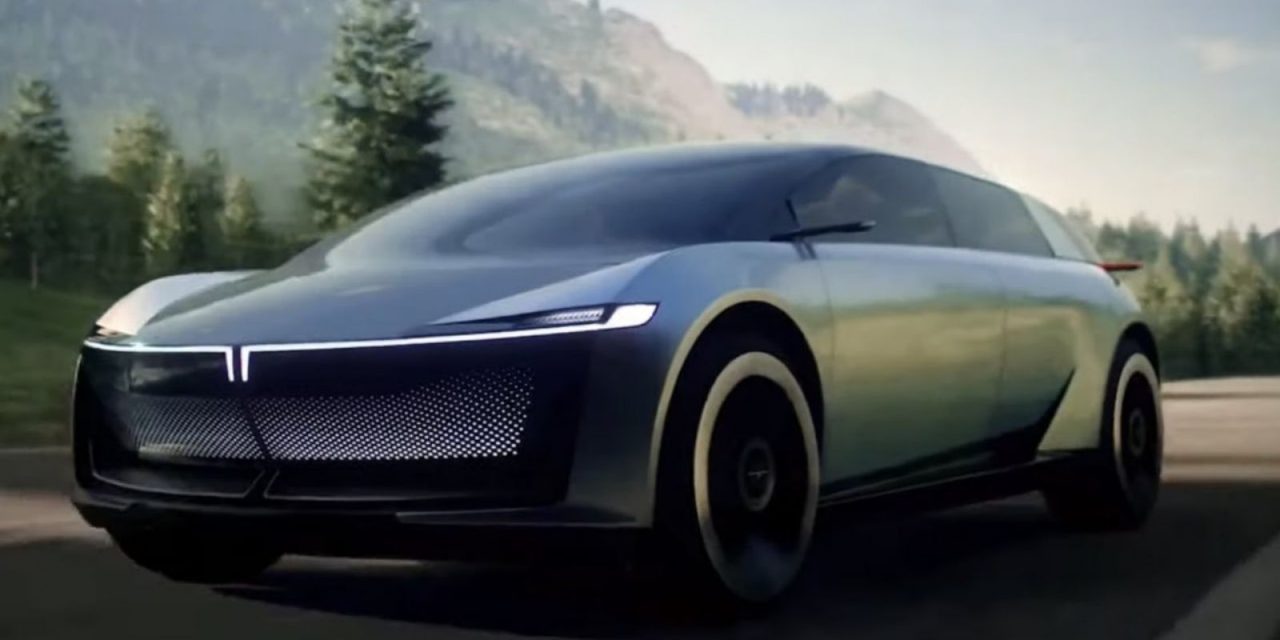
Tata Motors is preparing a major product assault in the premium electric vehicle space and the Avinya line-up is expected to sit at the heart of it. The first production-spec model from the series is now scheduled to reach the Indian market in early 2027. What makes Avinya important is that it will not simply be another addition to Tata’s current EV range. Instead, it is being positioned as a distinct series of products with a more advanced identity.

It is an amalgamation of futuristic styling, fresh software architecture and a more premium overall character. Tata appears to be treating Avinya as the foundation for its next generation electric ambitions. Between FY2025 and FY2030, Tata Motors intends to spend around Rs. 16,000 crore to Rs. 18,000 crore on its EV business to speed up new product arrival.

It will go toward multiple areas, including advanced platforms, vehicle technologies, localisation of components and charging infrastructure development. Alongside new vehicles, Tata is also trying to strengthen the ecosystem needed to support future EV growth. It aims to build nearly 40,000 charging points by 2027 through partnerships under an open collaboration model.

Tata-Avinya-X-2.jpg

Looking further ahead, the company has outlined an even bigger target of one million chargers nationwide. It has also achieved more than 50 per cent domestic value addition at the tier-3 supplier level – helping improve its qualification under the PLI scheme. In addition, used EV batteries are being redirected toward renewable energy storage.

When the flagship Avinya range arrives, it is expected to follow a very different route. The first model could take the shape of either a premium SUV or a sportback-inspired vehicle with more body styles likely to follow over time. Tata is also expected to experiment with a blended retail format, combining dedicated physical experience centres with a digital-first purchase initiative.

tata avinya concept 5

Another notable aspect is the flexibility around battery technology. Tata may evaluate multiple options depending on range targets, charging performance, safety priorities and packaging needs. Development input from Jaguar Land Rover is also said to be contributing in areas such as software integration and related technologies.

Before Avinya takes over as Tata’s flagship EV project, the company will continue strengthening the gap between its affordable electric offerings and upcoming premium products. Models such as the Sierra EV, which is expected within the next three months, along with the recently updated Punch EV, will help Tata maintain momentum in the market. The facelifted Tiago EV is also arriving soon.

The post Upcoming Tata Avinya Flagship EV – What We Know So Far appeared first on Gaadiwaadi.com - Latest Car & Bike News by Surendhar M.


from Gaadiwaadi.com – Latest Car & Bike News https://ift.tt/av7FhJZ