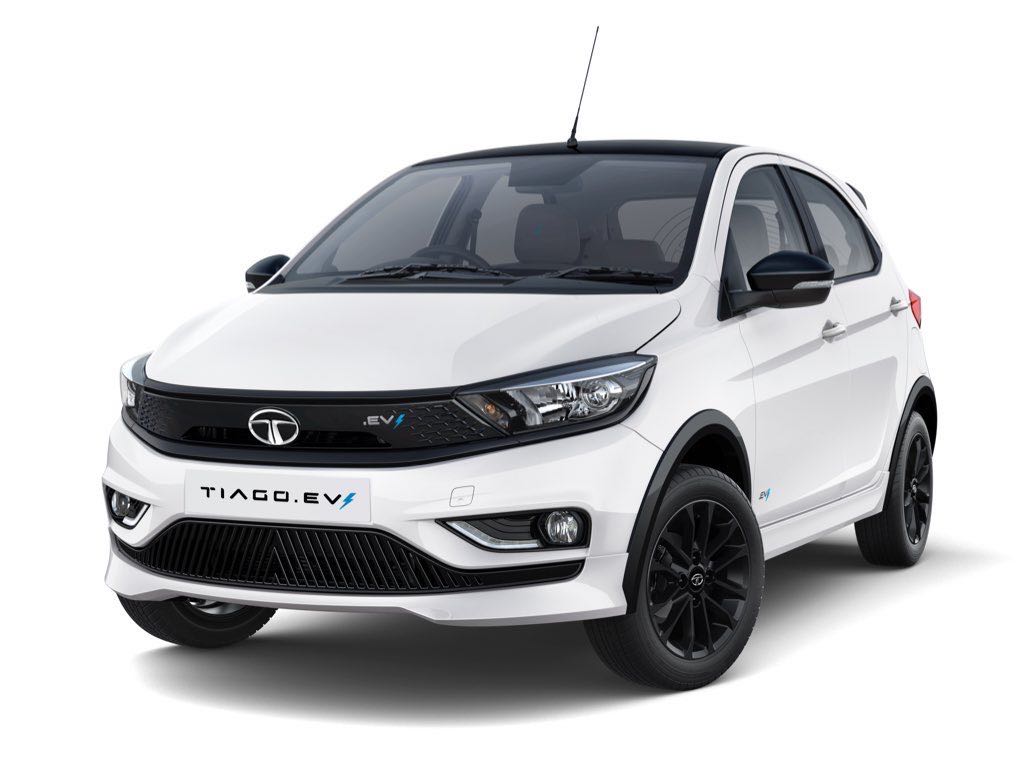
Tata is all set to launched the updated version of the Tiago on 28th May. The Tiago was first launched 10 years back and the hatchback has received quite a few updates in these years. This time, it will get another major update for both ICE and EV versions.
The vehicle will get redesigned exteriors to match the design philosophy that Tata has followed with the Altroz and Punch facelift. It will have sleeker headlamps, new bumpers, new wheels and a slimmer grille. The tail gate will also be redesigned a little and we can expect Tata to rejig the colour options as well. The EV could get a different grille to differentiate it from the ICE version.
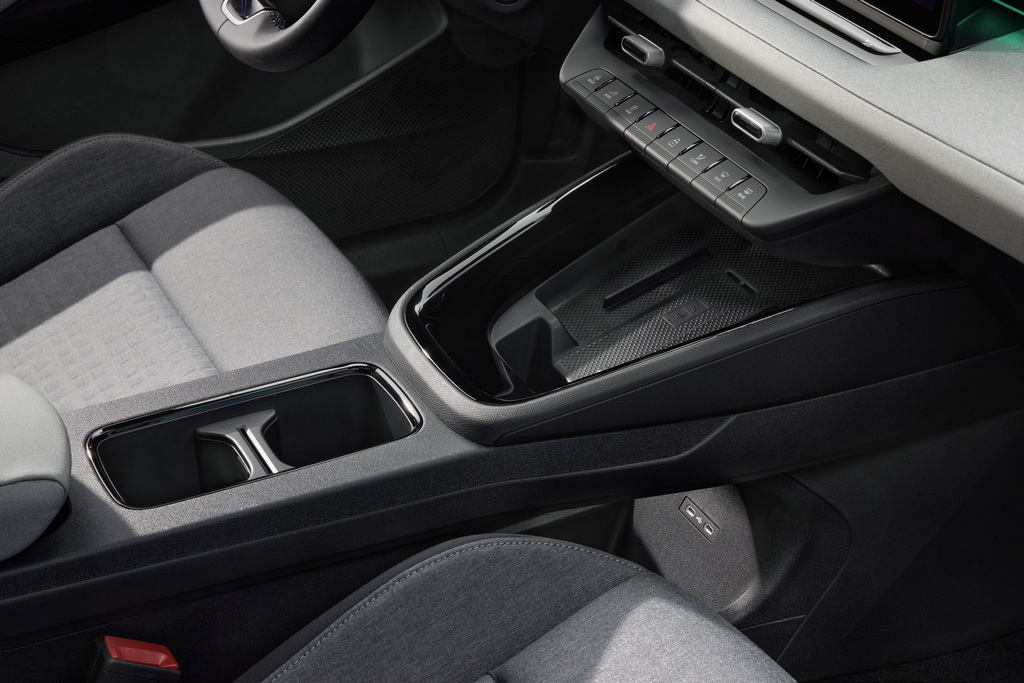
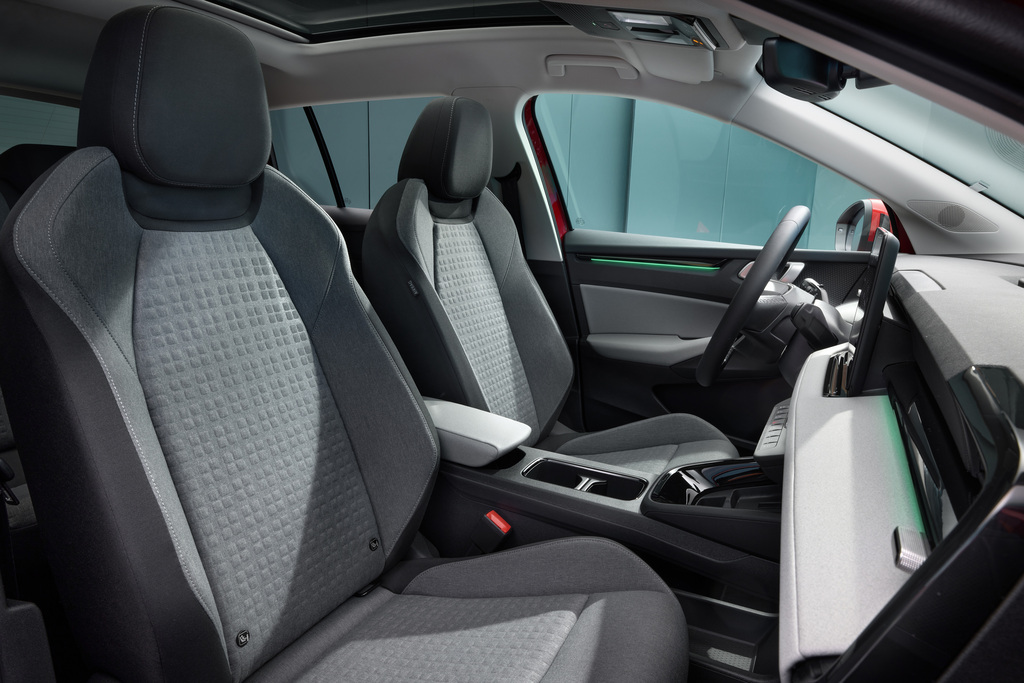
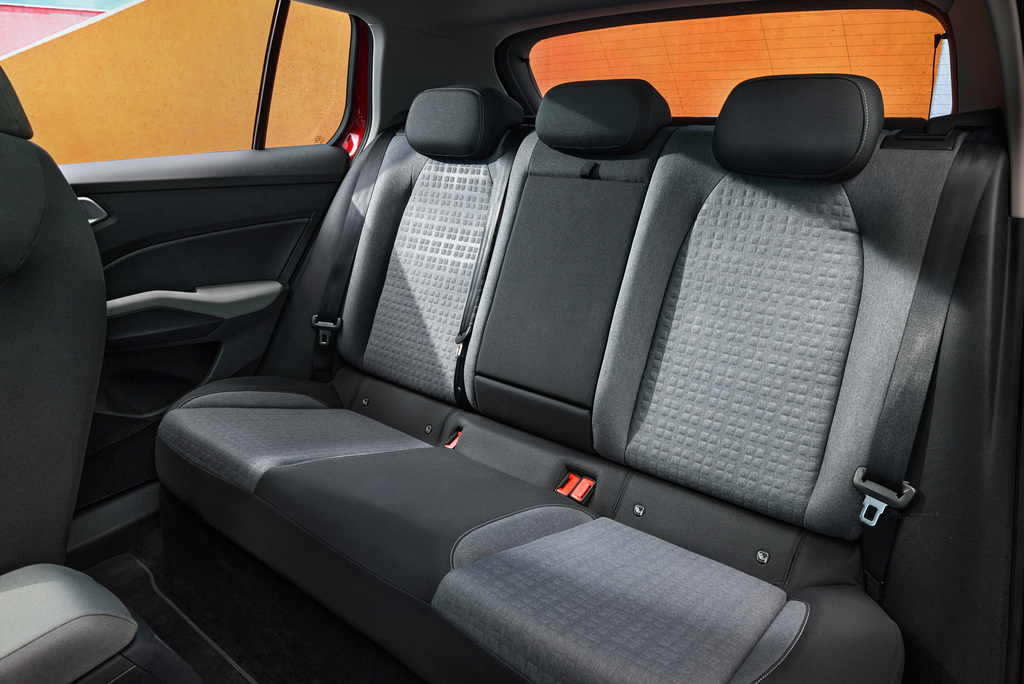
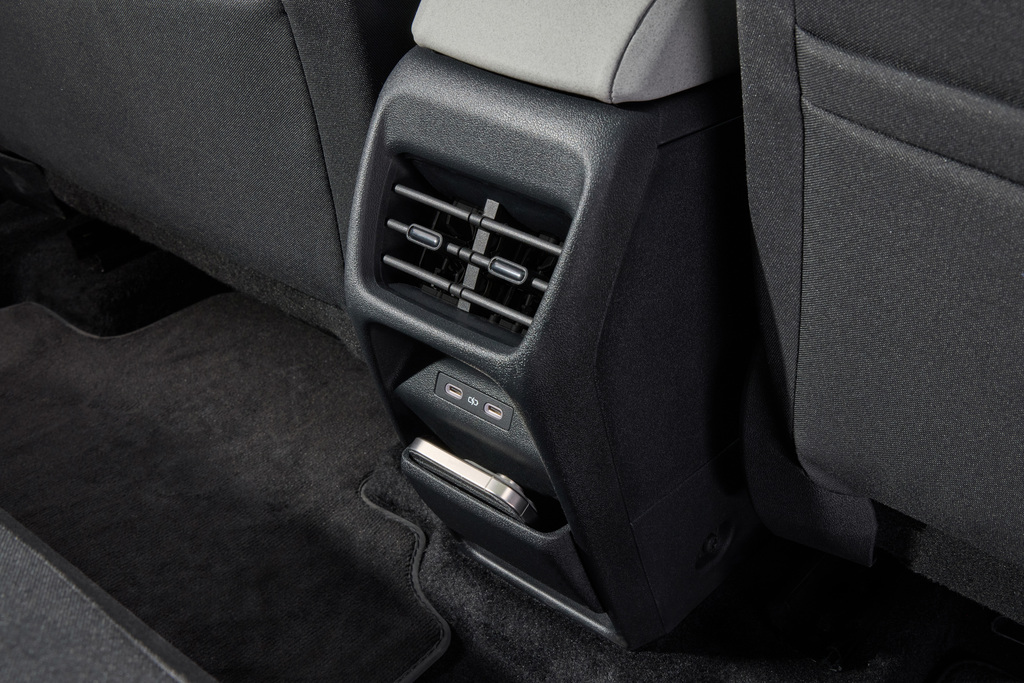
On the inside, the Tiago already comes with a good set of features like a 10.25-inch touchscreen infotainment system, illuminated steering wheel, etc. Expect the facelift to get a digital instrument cluster, wireless charging and maybe adjustable rear headrests. A new upholstery colour theme is also on the cards.
The ICE Tiago won’t have any mechanical changes as such. It will continue with the same 1.2-litre, 3-cylinder, Revotron petrol engine which comes with a 5-speed manual gearbox or an AMT. The hatchback also gets a factory-fitted CNG option. The Tiago EV is likely to deliver a little more range.
As of now, the Tiago ICE is priced from Rs. 5.45-8.99 Lakh, OTR Mumbai while the Tiago EV costs Rs. 8.34-11.68 Lakh, OTR Mumbai. The Tata Tigor is also expected to get a similar update for ICE and EV in the coming months along with possible re-branding.
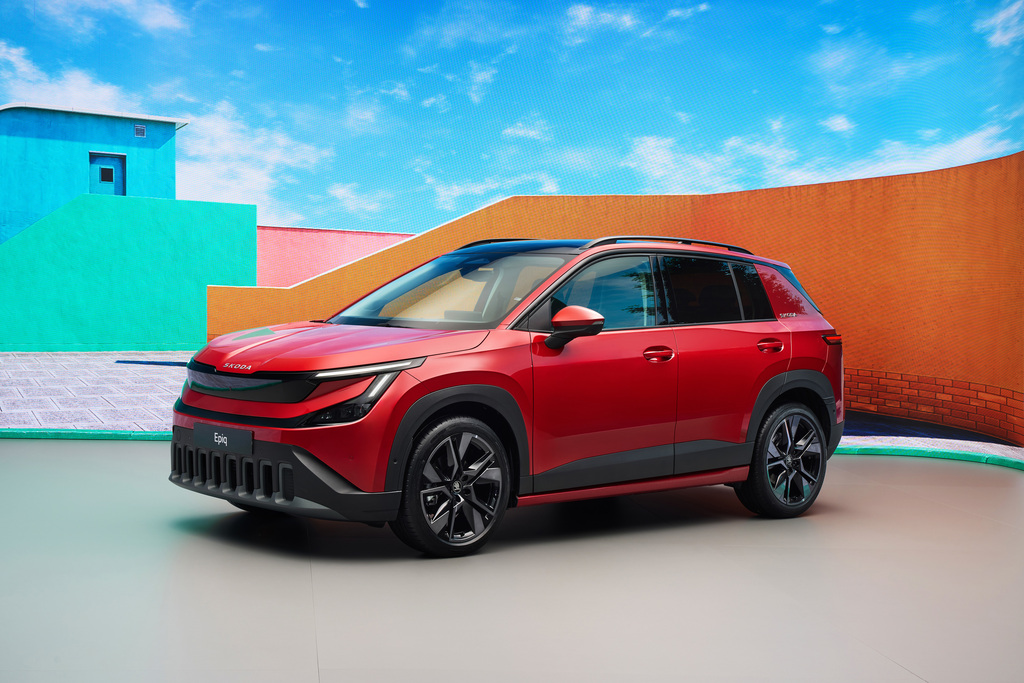
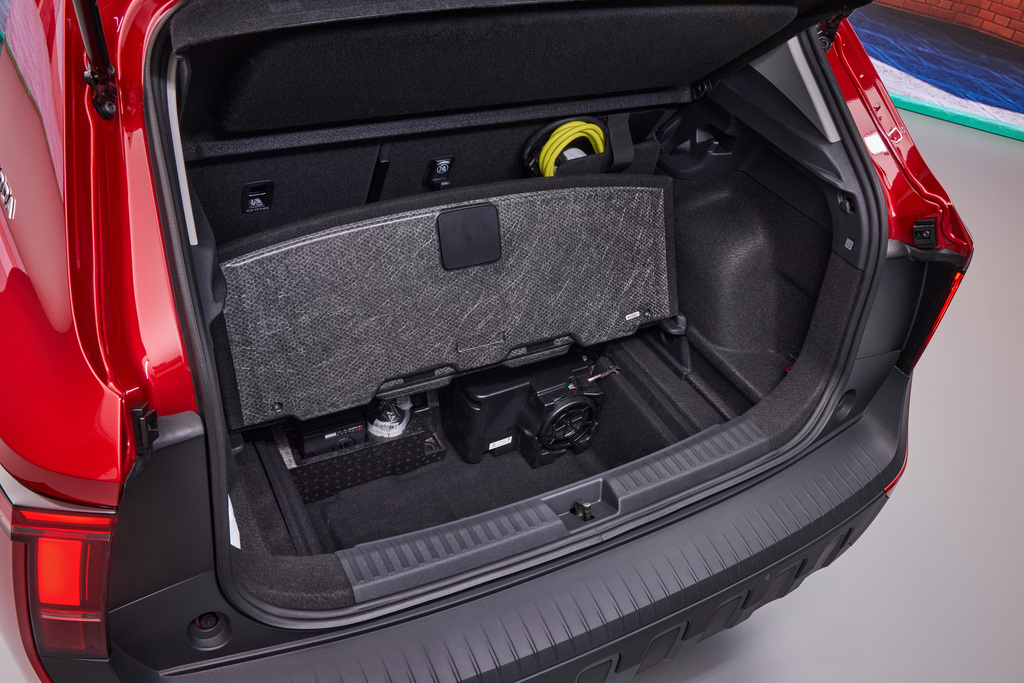
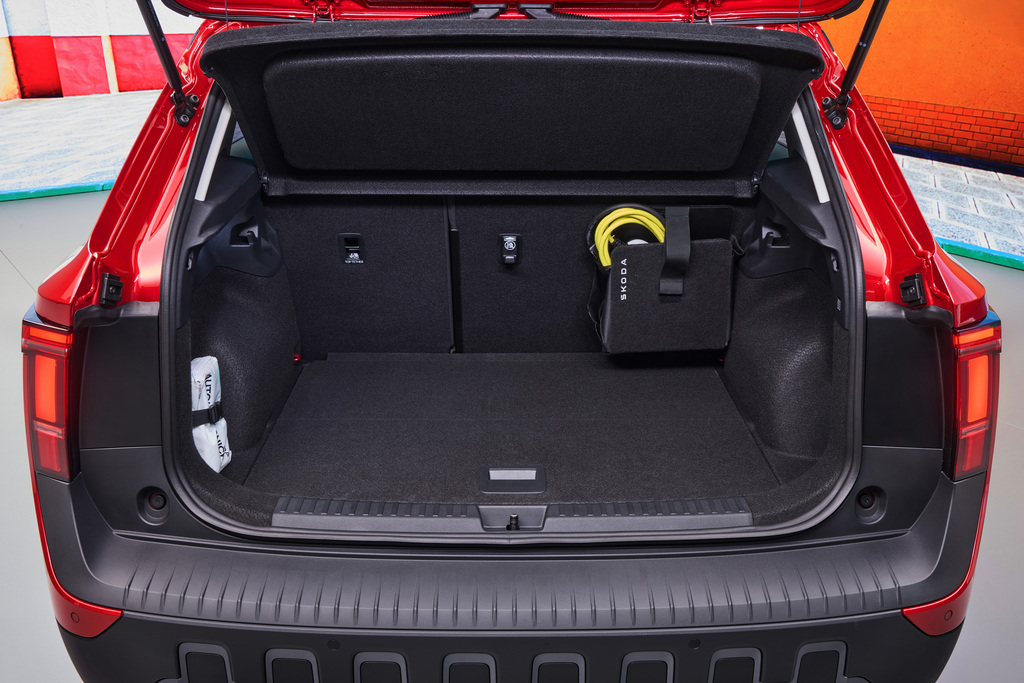
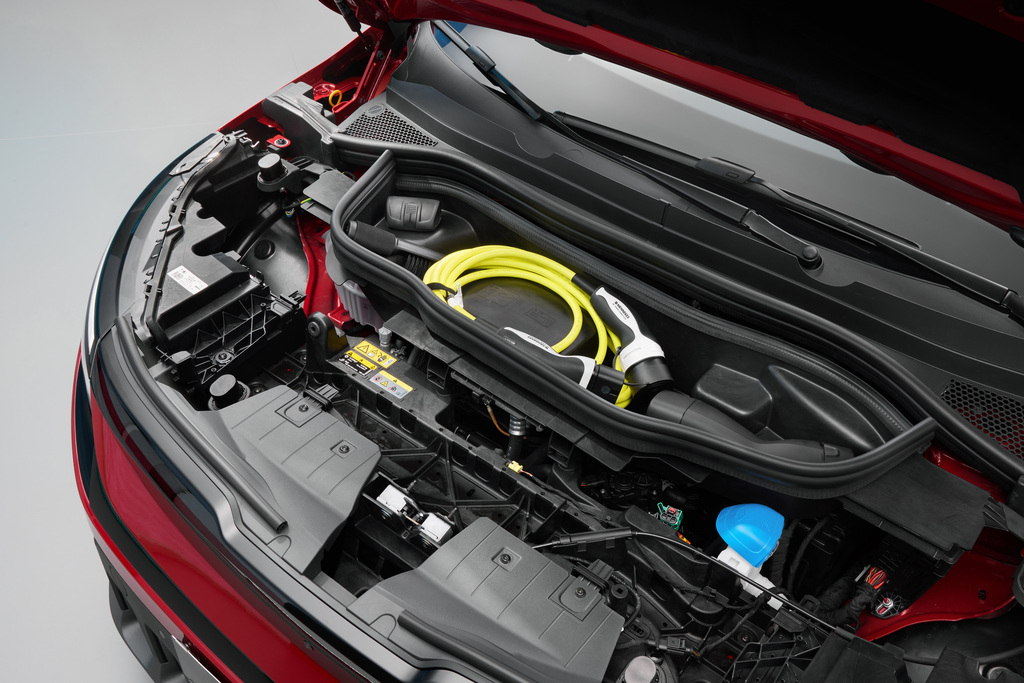
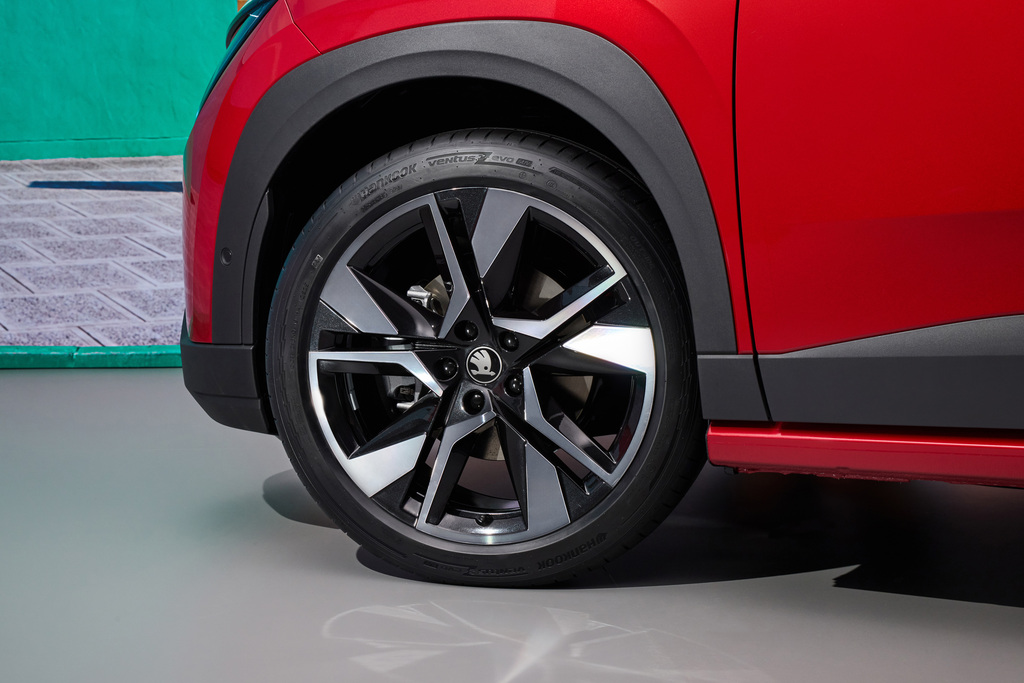
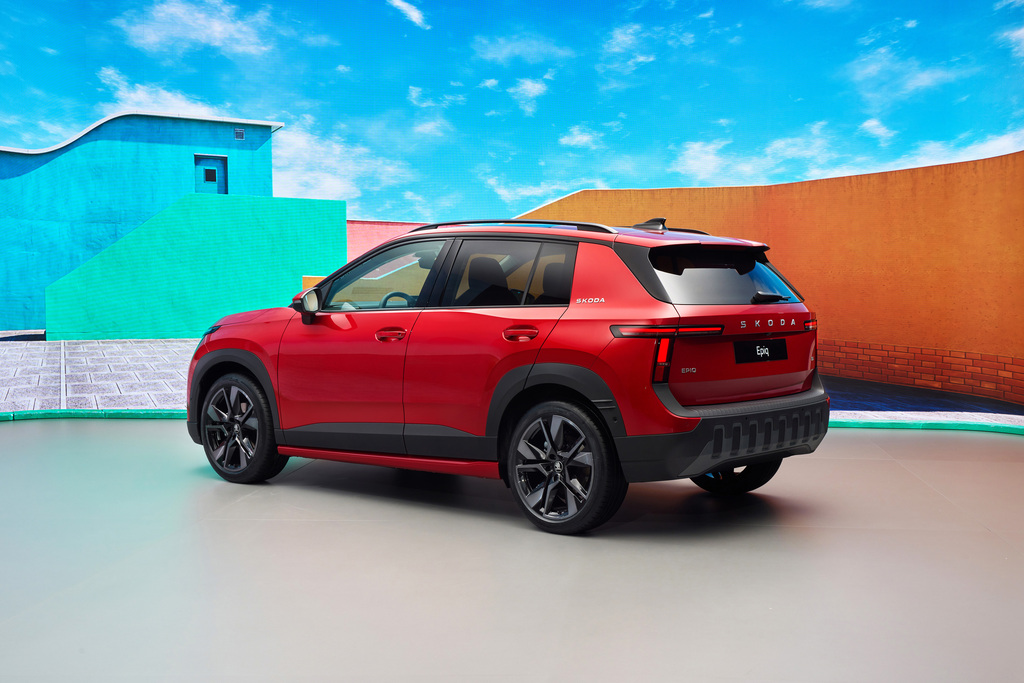
The all-new Skoda Epiq has finally been revealed in production form, and it marks an important step in Skoda’s EV journey. Positioned as the brand’s smallest and most affordable electric SUV globally, the Epiq is aimed at buyers who want a practical EV without spending premium money.
Despite being the entry-level EV in Skoda’s international lineup, the Epiq doesn’t look basic. The SUV adopts Skoda’s new design language, which gives it a clean and futuristic appearance while still retaining the rugged SUV stance buyers like. The upright proportions, slim LED lighting and chunky bumpers help it stand out.
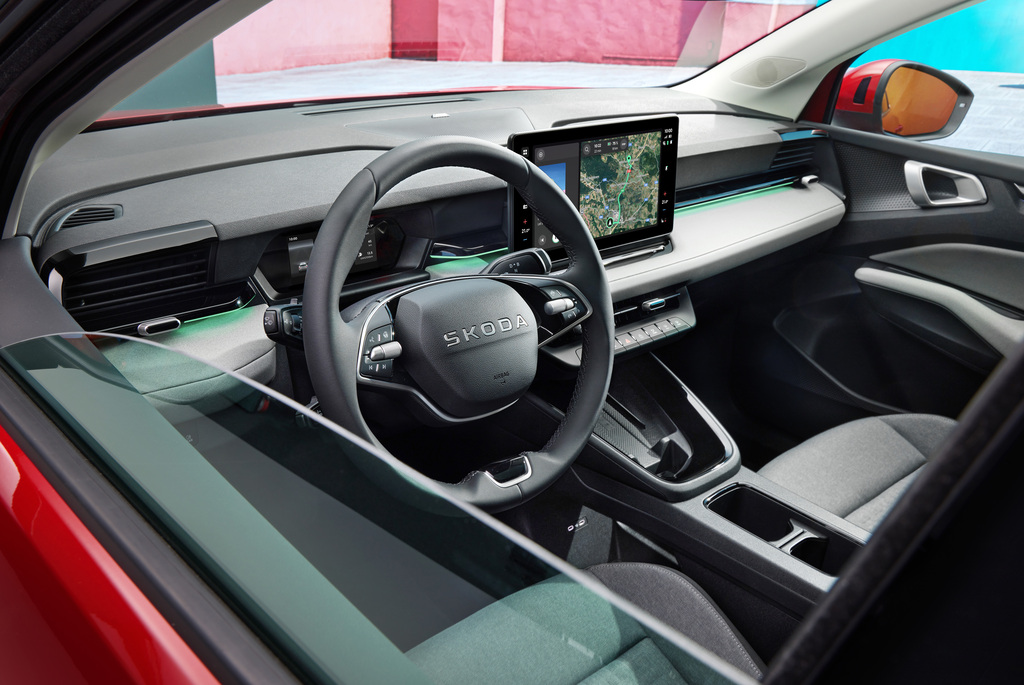
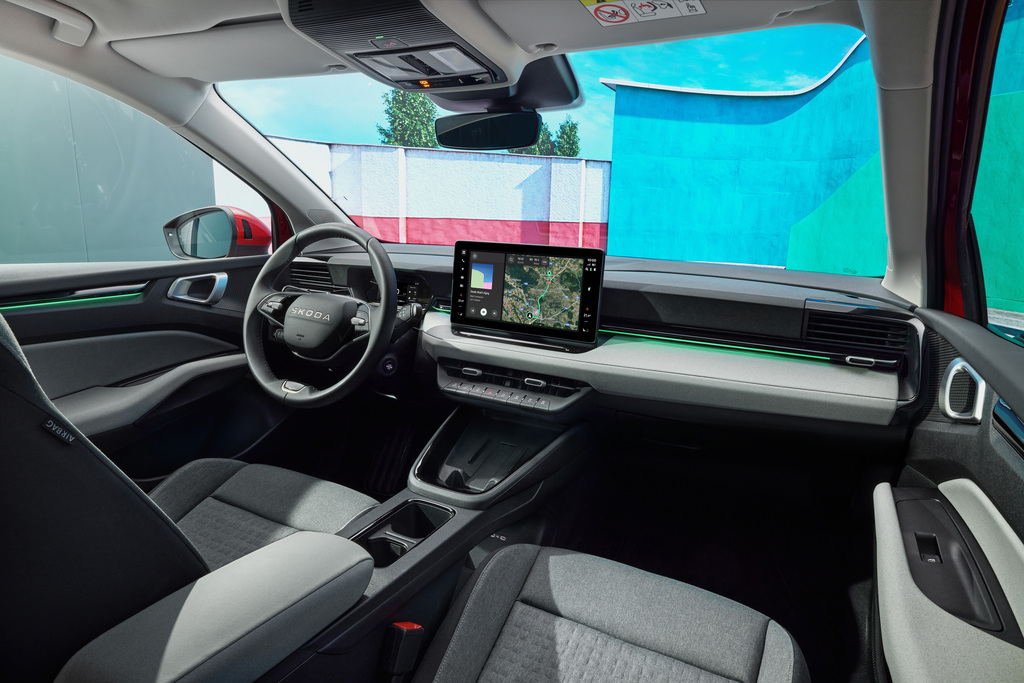
Inside, the Epiq appears modern but practical which is something Skoda has traditionally done well. The cabin gets a large 13-inch touchscreen, ambient lighting, wireless smartphone connectivity and even features like a panoramic sunroof and ADAS on higher variants. Thankfully, Skoda has also retained physical controls for key functions, which is becoming increasingly rare in modern cars and will definitely be appreciated by everyday users.
What makes the Epiq more interesting is the variety on offer. Buyers can choose between two battery packs — 38.5 kWh and 55 kWh — with power outputs ranging from 116 HP to 211 HP. The claimed range of up to 440 km from the larger battery also sounds promising for daily commuting as well as occasional long-distance drives. Fast charging support further adds to its practicality.
Globally, compact electric SUVs are becoming extremely important as customers move away from traditional hatchbacks. The Epiq enters this space as a well-rounded product that focuses on usability, practicality and affordability rather than just outright performance or flashy gimmicks.
For India, however, the big question remains whether Skoda will eventually bring the Epiq here. The compact dimensions, practical cabin and strong focus on value could make it a very interesting option for Indian buyers, especially as the EV market continues to grow. Pricing will ultimately decide its success, but on paper, the Epiq certainly looks like one of Skoda’s most sensible EVs yet.
The growth plan of Hero MotoCorp in FY27 revolves around its sub-brand Vida’s EVs, Xoom scooters and upcoming premium bikes
Tripling electric scooter production, doubling Xoom capacity and preparing more than a dozen new launches are now part of Hero MotoCorp’s next expansion phase. After recording notable gains during FY26, the country largest two wheeler manufacturer expects another year of double digit growth with scooters, EVs and premium motorcycles.
For years, Hero’s growth relied on commuter motorcycles but the company’s product versatility is now changing towards higher value categories. Scooters are becoming increasingly important within this transition and Hero has already expanded manufacturing capability for the Xoom lineup while work on increasing Destiny production is nearing completion.
Hero is rapidly scaling production of its Vida range of e-scooters and expects manufacturing output to nearly triple before the end of calendar year 2026. The brand also believes electric scooters could account for more than half of its total scooter volumes by 2030 as adoption increases gradually across Indian cities and smaller towns.
Contrary to attempting extremely rapid nationwide EV expansion immediately, Hero is focusing on a more region specific rollout. Retail and service operations for Vida are being expanded market by market while localisation levels and supply chain integration are also being improved simultaneously. The company is preparing more than 12 new products in the current FY
It will look to bring in new offerings in both electric and petrol powered two-wheeler categories. Premium motorcycles and 125 cc plus models are expected to contribute a larger share of overall sales than before as customer preferences gradually move towards more feature rich and performance oriented products.
Hero MotoCorp sold nearly 55 lakh motorcycles and over 5.7 lakh scooters in the last financial year. Rural demand recovery, improved export business and appreciable premium bike sales helped quarterly profit rise by around 30 per cent during the final quarter while revenue growth approached 29 per cent prompting it to expand its reach across multiple segments.
It is expected to spend nearly Rs. 1,500 crore in FY27 covering EV production expansion, research and development activities, scooters and future technologies. Earlier, the company had already announced plans to achieve nearly 90 per cent PLI coverage for electric vehicles before FY27 and exports are expected to remain another important contributor.
The two-wheeler maker has expanded its overseas operations across multiple developing markets while also adapting products for local conditions. Honda, TVS, Bajaj and several startup EV manufacturers are also expanding aggressively with new launches and capacity additions in line with the growing market across different spectrums.
Next gen Toyota Fortuner is expected to make its global premiere within the closure of this financial year before going on sale in India
Test prototypes of the next generation Fortuner have been spotted overseas and the pace at which development appears to be progressing points to a global debut before the end of this FY. India is expected to receive the model shortly after the international unveiling as the Fortuner has been among Toyota’s most consistent volume contributors in the domestic market across multiple generations.
The cabin is where the current model will undergo a huge leap. Twin 12.3 inch screens anchoring the dashboard – one for infotainment, one for the digital instrument cluster – are expected alongside connected car technology, over the air updates, a panoramic sunroof, a 360 degree camera, upgraded climate control and a more comprehensive ADAS suite.
For a model that has held its position largely on reputation and resale value while rivals closed the feature gap, the interior overhaul is the update that matters most for Indian consumers. The platform switch to Toyota’s TNGA-F ladder frame architecture – already deployed on the new global Hilux – enables improved structural rigidity, better ride quality and enhanced off-road capability while keeping the body-on-frame construction that defines the Fortuner in its key markets.
The chassis upgrade is expected to make a big difference in how the SUV handles both highway and off-road conditions without letting go of the durability credentials that have kept buyers loyal. Exterior changes visible through spy shots are extensive. The front end gets sleeker LED headlamps, a wider grille and a more sculpted bumper in place of the current model’s upright face.
The side profile keeps the muscular proportions but gains sharper character lines, revised pillars and new alloy wheel design. The rear gets a full width LED light bar connecting the tail lamps and Fortuner lettering across the tailgate – a treatment aligned with newer Toyota SUVs in international markets.
Hybrid powertrains are expected to feature in the international lineup following the direction Toyota has taken with the Innova HyCross and Hyryder in India. Whether a hybrid Fortuner arrives at launch in India or follows later will depend on pricing and demand assessment at the time of introduction.
Nissan to reignite India operations with a wave of new SUVs over the next few years, including both locally produced and imported models
Nissan may not have paid much attention to the Indian market in recent years, but that’s about to change soon. The company has lined up three major product launches, eyeing a significant growth in sales and an elevated brand image.
On 9 July, Nissan will make a comeback in the mid-size SUV segment, which it exited with the discontinuation of the Terrano in 2020. The Nissan Tekton will be closely related to the third-generation Renault Duster, but it will have a more polished character, stressing elegance more than ruggedness.
At the front, the Nissan Tekton will have rectangular headlamps with inverted L-shaped DRL extensions and a connecting light bar, a large upper grille split by a chrome bar stretching nearly across the width, a sharply sculpted bumper, and a muscular hood. On the sides, it will feature black wheel arch cladding and rocker panels, raised roof rails, 18-inch multi-spoke alloy wheels, and hidden rear door handles. At the rear, there will be C-shaped tail lights connecting the brand logo via a light band on a power tailgate.
The interior of the Nissan Tekton should largely mirror the latest Renault Duster, as changes are expected mostly with respect to upholstery, decor elements, and colour schemes. Nissan will likely equip the all-new mid-size SUV with a panoramic sunroof, ventilated and power-adjustable front seats with manual lumbar adjustment, a dual-zone automatic climate control system, a 10.1-inch touchscreen infotainment system, and a 10.25-inch digital instrument cluster with full map replication. On the safety front, expect over 15 advanced driver assistance systems and six airbags.
Nissan will likely launch the Tekton with 1.0- and 1.3-litre turbocharged petrol engines and a choice of 6-speed manual and dual-wet-clutch automatic transmissions, with the latter being exclusive to the larger mill. A 1.8-litre naturally aspirated petrol engine-based hybrid system should follow around the end of the year.
In the first half of 2027, Nissan will launch a three-row SUV derived from the Tekton. In addition to the extra row of seats, the new model should appeal to customers seeking better second-row space and more cargo space. Nissan may also use better sound-deadening measures on this model and equip it with a few additional premium features to elevate the experience. It may offer a 1.3-litre turbocharged petrol engine along with 6-speed manual and dual-wet-clutch automatic transmission options, as well as a 1.8-litre naturally aspirated petrol engine-based hybrid system, all borrowed from the Tekton.
Also expected to be launched by next year is the Nissan Patrol, the brand’s flagship SUV globally. Nissan is considering launching the full-size SUV in a well-equipped trim, possibly with features such as an adaptive air suspension, 21-inch alloy wheels, a gesture-controlled power tailgate, massage front seats, powered third-row seats, 12.8-inch rear entertainment screens, ProPILOT, and seven airbags.
Nissan offers the Patrol with 3.8-litre naturally aspirated and 3.5-litre twin-turbo V6 petrol engines internationally. A 9-speed automatic transmission and a 4WD system work together to send drive to the wheels. The company may only offer the turbocharged engine in India. It is likely to import the Patrol as a CBU and could price it around Rs. 2.0 crore (ex-showroom).
With rising demand and high profit margins, the mid-size SUV segment is one of the most lucrative segments in the Indian car market
Since the end of last year, we’ve seen a wave of all-new launches in this segment, such as the Tata Sierra, Kia Seltos, and Maruti e Vitara, along with facelifts for the Skoda Kushaq, and VW Taigun. Over the next twelve months, five more all-new mid-size SUVs are expected to arrive in Indian showrooms.
1. Toyota Urban Cruiser Ebella
Toyota Kirloskar Motor (TKM) unveiled the Urban Cruiser Ebella as its first EV in January and could finally launch it in the coming weeks. Manufactured alongside its corporate cousin from Maruti Suzuki, the e Vitara, the Urban Cruiser Ebella will only be available in two FWD variants, one with a range of 440 kilometres and one with a range of 543 kilometres. Save for a cleaner and more futuristic front-end, the Toyota-badged model is mostly identical.
The Nissan Tekton, the successor to the Nissan Terrano, debut in June 9. Although it will be closely related to the third-generation India-specific Renault Duster, it will feature a distinctive exterior with sharper lights, less aggressive bumpers, and more elegantly designed 18-inch alloy wheels. Nissan will likely offer the Tekton only in a petrol variant with a choice of 1.0- and 1.3-litre turbocharged engines at launch and introduce a hybrid variant at the end of the year.
3. Hyundai Bayon
The Hyundai Bayon is set to evolve from a Euro-focused model into a more globally relevant SUV when it enters its second generation. India will be one of the next-gen Bayon’s key markets, where Hyundai will position it against Maruti Suzuki’s Victoris. It will feature a more dynamic exterior compared to the Creta and likely debut an all-new 1.2-litre turbocharged direct-injection petrol engine. Hyundai could launch the all-new Bayon in India in the third quarter of the year.
The Jaecoo J5 will be JSW Motors’ second model, following the Jetour T2, both licensed from Chinese auto giant Chery. It will be sold here with a different name and possibly even a few minor design changes. Featuring a Range Rover-inspired design, the mid-size SUV will likely be launched in India in January 2027 and be offered only in its electric variant, which can deliver a range of up to 461 kilometres, as per NEDC.
5. Hyundai Creta
New Creta
Sometime in the second quarter of 2027, Hyundai will likely launch the third-generation Creta, which will be significantly bigger and more upmarket. The next-gen Creta will feature a visibly more rugged exterior, inspired by the Hyundai Crater concept. Inside, it will have a completely new, minimalist layout and feature a compact 9.9-inch digital instrument cluster and a 12.9-inch floating touchscreen infotainment system. Hyundai will likely launch the next-gen Creta only with petrol and diesel engines but it may introduce hybrid and pure electric variants in a phased manner.
At least three new SUVs are coming to MG showrooms in India this year, including both ICE and electrified models
It’s been well over a year since JSW MG Motor introduced the MG Majestor at Auto Expo 2025, and the company is finally set to bring it to showrooms. The Indo-Chinese joint venture also plans to launch pure electric and hybrid models this year.
In a recent interview with Pune Times Mirror, Anurag Mehrotra, the Managing Director of JSW MG Motor, confirmed that the company will launch the MG Majestor later this month. The new Toyota Fortuner rival is a facelifted version of the MG Gloster and packs comprehensive upgrades.
The MG Majestor features a noticeably brawnier exterior with a newly designed front-end, featuring a massive radiator grille, a prominent skid plate, split headlamps, and a muscular bumper. New 19-inch alloy wheels, a chunky rear skid plate, and connected tail lamps complete the refreshed look on the outside.
Inside, the Majestor comes with upgrades such as a redesigned dashboard, a 12.3-inch digital instrument cluster, a new 12.3-inch touchscreen infotainment system, a dual wireless smartphone charger, new front seats with an 8-point massage, ventilation, and heating functions, and a steering column-mounted gear selector.
The Majestor is much more capable in off-roading than the Gloster, thanks to the inclusion of a low-range transfer case. While the old model had an electro-mechanical locking differential at the rear, the new one has a mechanical one. There are locking differentials at the front and in the centre as well, which the old model lacked. The engine is the familiar 2.0-litre twin-turbo diesel unit, mated to an 8-speed automatic transmission.
Further into the interview, Mehrotra said that JSW MG Motor plans to launch an electric SUV and a hybrid model later this year. He was likely referring to the product internally called ‘MG 520’, derived from the Wuling Starlight 560 SUV that is manufactured in 5- and 7-seat versions and offered with plug-in hybrid and pure electric powertrains internationally.
The rebadged version in India is said to be offered in both the electrified variants and challenge the Mahindra XUV 7XO, Mahindra XEV 9S, Tata Safari, and Tata Safari.ev. In China, the plug-in hybrid variant delivers a CLTC range of up to 125 kilometres in EV mode, and the pure electric variant can travel up to 500 kilometres on a single charge, also as per WLTP.