New Affordable Hyundai e-SUV & Midsize SUV Officially Confirmed For India

GaadiWaadi -

hyundai seven concept-5

New India-specific EV will arrive in Q4 2026 and it will be followed by a new midsize SUV as Hyundai prepares 26 launches and higher localisation by 2030

Hyundai has confirmed two new SUV programmes for India as part of its 2030 global growth strategy at the CEO Investor Day 2026. It comprises an all-new electric SUV which is due in the fourth quarter of 2026 and a new IC-engined midsize SUV. The electric model has been developed and localised for India and it will be positioned competitively targetting high volume sales.

Other confirmed details are that the company will equip it with a next-gen infotainment system with Pleos tech and Level 2 assisted driving. The new EV will be part of Hyundai’s comprehensive product offensive for India which includes 26 launches or major updates through 2030 and it could offer a claimed range of well over 500 km between charges.

The company plans more than 100 global product launches and refreshes during the same period as it has placed India among its key markets for future expansion. Hyundai also intends to consolidate its SUV portfolio through the new ICE midsize SUV. We already know that the Korean manufacturer is currently working on the all-new Creta for India.

Also Read: Hyundai Targets 5.55 Million Sales By 2030, 100+ New Models Planned

upcoming-hyundai-compact-ev-rendered-india.jpg
Rendering

It will be packed with modern features and technologies along with a possible strong hybrid powertrain. The nameplate is the best-selling midsize SUV in the country. The brand is also developing the new Bayon for India which could sit above the sub-four-metre mark as it will be positioned between the Venue and Creta with unique styling cues.

Hyundai will also increase its Indian production capacity by 3.20 lakh units by 2030. Its manufacturing operations in the country currently have capacity for 11 lakh vehicles annually and the planned expansion is part of an increase of 12.7 lakh units across its global manufacturing network. The local market will remain an important export base too.

Also Read: All-New Hyundai Bayon Crossover Heading To India – What We Know So Far

new-gen-hyundai-creta-spied-india.jpg
Spy Source: amarttyajit_sinha/instagram

It targets exports equivalent to around 30 per cent of its Indian production volume by 2030 and vehicles made here will serve markets across the Middle East, Africa, Asia and South America. In addition, local content will receive further attention as Hyundai targets 90 per cent sourcing from India by 2030. The company already has a network of more than 1,400 local suppliers and over 900 engineers in the country.

Hyundai’s plans come against the backdrop of a much larger global electrification agenda. Electrified vehicles are expected to account for 60 per cent of the company’s global sales by 2030 compared with 23 per cent in 2025. Its future portfolio will cover battery electric, hybrid and extended-range electric powertrains while the first Hyundai EREV is scheduled to arrive globally in the first half of 2027.

The post New Affordable Hyundai e-SUV & Midsize SUV Officially Confirmed For India appeared first on Gaadiwaadi.com - Latest Car & Bike News by Surendhar M.


from Gaadiwaadi.com – Latest Car & Bike News https://ift.tt/OgT6QP3

Hyundai Targets 5.55 Million Sales By 2030, 100+ New Models Planned

GaadiWaadi -

2027 New Gen Hyundai Elantra 1

Hyundai expects electrified vehicles to account for 60 per cent of its total sales by the end of the decade

Hyundai has announced a global sales target of 5.55 million vehicles through 2030 and a 6 per cent worldwide market share. The company plans more than 100 new models and major product refreshes across the markets it competes in by the end of the decade while electrified vehicles are expected to account for 60 per cent of its total sales – up from 23 per cent in 2025.

The Korean auto major has also raised its 2030 operating profit margin target to above 9 per cent as it looks to combine volume growth with higher profitability. The product offensive will gather pace over the next eight months as seven new vehicles are scheduled to arrive. The planned launches include the new generation Elantra, Ioniq 3, Tucson and Tucson Hybrid.

It will also bring in the first Santa Fe EREV (Extended Range EV), an A-segment electric SUV for India, a global B-segment SUV and a new B-segment SUV for Europe. The recently unveiled new Tucson and Tucson Hybrid will reach initial markets in the fourth quarter while the Santa Fe EREV will arrive in the first half of next calendar year.

Hyundai-2026-CEO-Investor-Day.jpg

Hyundai expects the range extended SUV to cover more than 965 km on a full charge and tank – leveraging electric propulsion for regular driving with an onboard engine for longer trips. Production will take place at Hyundai’s Alabama facility in the United States. India will be an important part of the expansion as it will receive an all-new electric SUV in the fourth quarter alongside a new ICE midsize SUV.

The electric SUV will be developed and localised for India gaining a next-gen infotainment system and Level 2 assisted driving technology. Hyundai plans to source 90 per cent of its vehicle content locally by 2030 which will be supported by more than 1,400 suppliers and over 900 engineers. Its Indian manufacturing operations currently have annual capacity of 1.1 million vehicles while exports are expected to account for around 30 per cent of production by 2030.

2027 Hyundai Tucson New

Hyundai also plans to add 320,000 units of manufacturing capacity in India as part of a global expansion to 1.27 million units. The electrification strategy will cover hybrids, EVs and EREVs supported by new battery technology. Hyundai says its in-house battery cells deliver more than twice the output of its previous high-nickel cells while cutting charging time by 40 per cent.

The EVs arriving next year will receive mid-nickel NCM cells which are expected to reduce battery costs by around 30 per cent while retaining the required performance characteristics. The company also plans to improve its cloud-based battery management system to extend battery life by an average of 20 per cent by 2028. A new Thermal Runaway Protection system, created to prevent heat from spreading between battery cells, will debut on the Genesis GV90.

Hyundai-Ioniq-V-2.jpg

The North America market will receive more than 10 hybrid models by 2030 as it targets 50 per cent hybrid sales. Hyundai plans to raise local parts sourcing in the region from the previously announced 60 per cent target to more than 80 per cent alongside 500,000 units of additional production capacity. The region recorded best-ever 595,457 unit sales during the first half of 2026 while US sales reached 489,656 units.

Europe will receive a fully electrified portfolio covering 85 per cent of the market while Hyundai targets more than 420,000 EV sales in the region by 2030, compared with 116,000 in 2025. Genesis will enter its second decade with its first hybrid, the GV80 Hybrid before the arrival of the GV90 flagship SUV and an EREV SUV targeting more than 1,030 km of range. The luxury brand aims for 350,000 annual sales across more than 40 markets by 2030.

2027-New-Gen-Hyundai-Elantra.jpg

Meanwhile, the performance arm Hyundai N will plot 100,000 annual sales during the same period. The company is also expanding into robotaxis, robotics and autonomous driving. Waymo robotaxi deliveries based on the Ioniq 5 will begin in the fourth quarter of 2026, Level 2+ technology is planned for Hyundai’s first mass-produced software-defined vehicle in 2028, and a 100-megawatt AI data centre capable of housing more than 50,000 GPUs is planned from 2029.

Hyundai generated 95.2 trillion won (Rs. 6,55,928 crore) in revenue in the first half of 2026 – up 2.7 per cent year on year – while its operating profit margin stood at 5.6 per cent. The company has retained its 2026 operating margin guidance of 6.3 to 7.3 per cent but has raised its 2030 target to above 9 per cent.

The post Hyundai Targets 5.55 Million Sales By 2030, 100+ New Models Planned appeared first on Gaadiwaadi.com - Latest Car & Bike News by Surendhar M.


from Gaadiwaadi.com – Latest Car & Bike News https://ift.tt/egpwr6O

Skoda Superb Diesel Revealed In India Ahead Of 2027 Launch

Skoda Superb Diesel

Skoda has revealed the new generation Superb in India ahead of its expected launch in the first half of 2027. The flagship sedan will return to the Indian market in its range-topping Laurin & Klement (L&K) specification and will be sold as a completely built unit (CBU).

Skoda has also opened registrations of interest for the new Superb at dealerships, with deliveries expected to begin in the second quarter of 2027. Its arrival will bring a diesel-powered Skoda back to India after several years.

Skoda Superb Gets 2.0-Litre Diesel Engine

The India-spec Superb will be powered by a 2.0-litre TDI diesel engine producing 150 HP and 360 Nm. The engine will be paired with a 7-speed dual-clutch automatic transmission and will drive the front wheels.

Skoda claims the sedan can accelerate from 0-100 km/hr in 9.2 seconds, while its top speed is electronically restricted to 225 km/hr.

The Superb will instead focus on front-wheel-drive configuration, while features such as Progressive Dynamic Steering and Dynamic Chassis Control (DCC) will be available to alter the car’s steering and suspension characteristics depending on the selected driving mode and road conditions.

Premium Exterior Design

The fourth-generation Superb continues with the understated design approach associated with the nameplate. The front end features Skoda’s signature grille with chrome detailing, along with Matrix LED headlights and LED daytime running lights.

The sedan also gets 18-inch dual-tone alloy wheels, chrome-finished window surrounds and Laurin & Klement badges on the front fenders. At the rear, wraparound LED tail-lights and Skoda lettering on the boot lid complete the design.

The Superb measures 4912 mm in length, 1849 mm in width and 1511 mm in height, with a wheelbase of 2841 mm. Ground clearance and boot capacity for the India-spec model have not been specified; the UK-spec car has 138 mm of ground clearance and a 645-litre boot.

Feature-Rich Cabin

The cabin gets a black-and-Cognac colour scheme and combines digital displays with physical controls. A 12.9-inch touchscreen infotainment system is paired with a 10-inch digital instrument cluster.

The centre console features Skoda’s rotary controls with integrated displays for functions such as climate and audio settings. Other equipment includes three-zone climate control, a 14-speaker Canton audio system, a wireless smartphone charger and rear sunblinds.

The front seats are electrically adjustable and offer heating, ventilation, memory and massage functions. A powered tailgate with gesture control is also part of the equipment list.

Skoda will also offer a ‘Sleep Package’ for the rear passengers, which includes adjustable headrests and blankets.

Safety And Driver Assistance

The new Superb will come with a range of active and passive safety equipment. The list includes 10 airbags, a 360-degree camera, tyre-pressure monitoring and automatic parking assistance.

The sedan will also feature Level 2 advanced driver assistance systems, adding features designed to assist the driver with functions such as maintaining speed, lane positioning and monitoring surrounding traffic.

Expected Pricing And Rivals

As a CBU model, the Superb is expected to occupy a premium position in Skoda’s India line-up. Its expected price is in the region of Rs. 55 lakhs – Rs. 60 lakhs, although the final figure will be announced closer to the launch.

The sedan’s pricing could also be influenced by developments around the proposed India-European Union Free Trade Agreement. If import duties are reduced under the agreement when it takes effect, it could potentially improve the Superb’s price positioning.

The Toyota Camry is currently one of the key alternatives in this part of the sedan market. Whether the Superb can compete effectively will depend largely on its final pricing, equipment and ownership proposition.

For Skoda, the new model represents both the return of the Superb to India and the reintroduction of a diesel powertrain to its passenger vehicle range after a prolonged absence.

Skoda Superb Diesel Interior

Skoda Superb Diesel Rear Seats

Skoda Superb Diesel Engine

Skoda Superb Diesel Rear

The post Skoda Superb Diesel Revealed In India Ahead Of 2027 Launch appeared first on MotorBeam.


from Car News | MotorBeam - Indian Car Bike News & Reviews https://www.motorbeam.com/skoda-superb-diesel-revealed-india-2027-launch/

Volkswagen In Talks With JSW For India JV, Compact SUV Coming In 2027

GaadiWaadi -

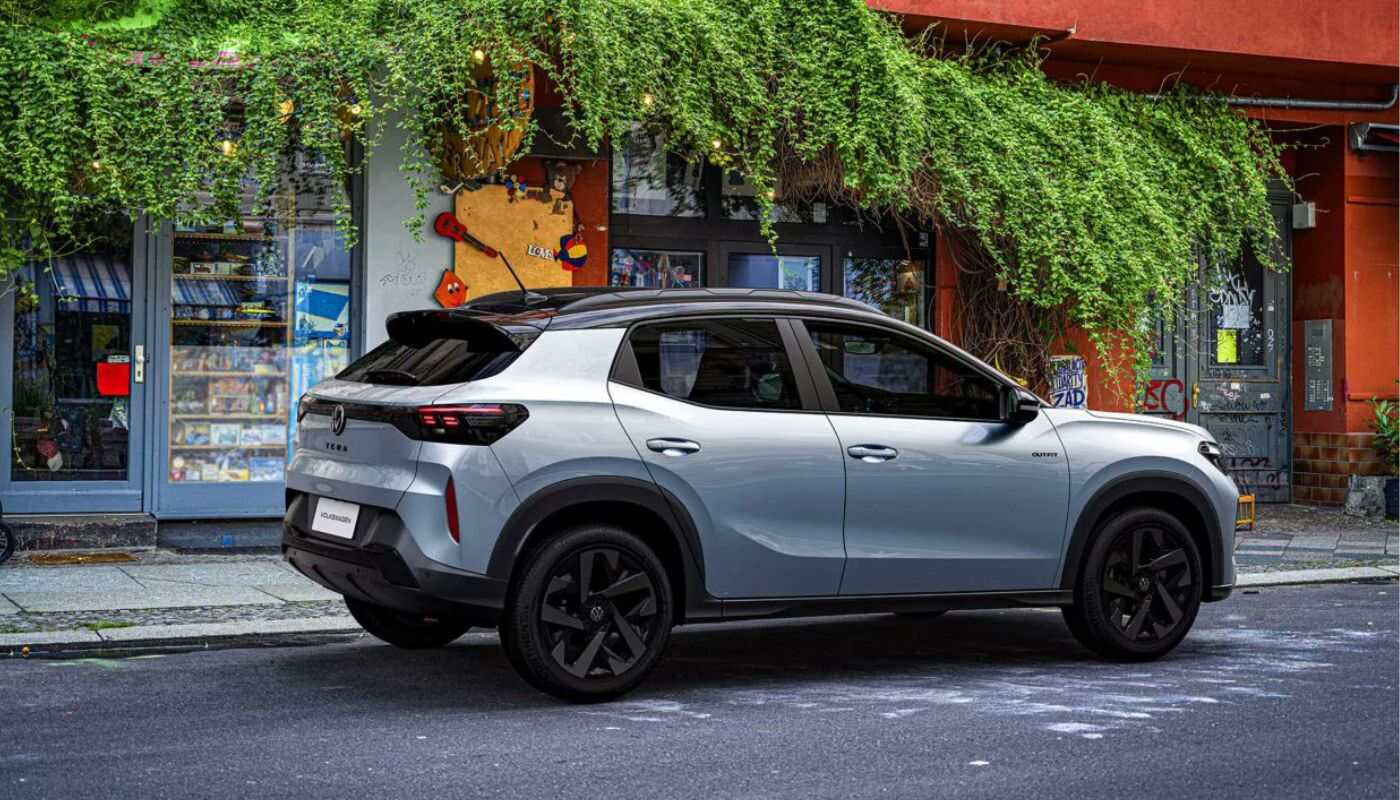
Volkswagen-Tera.jpg

A deal between Volkswagen and JSW could be struck before the end of this year to form a new domestic alliance; VW banks big on upcoming products

Volkswagen has moved closer to bringing an Indian partner into its operations as the German carmaker looks for greater scale in the world’s third largest car market. Skoda Auto’s CEO Klaus Zellmer has confirmed that the group is in discussions for a domestic alliance and a deal is expected to be concluded before the end of this year.

JSW Group has emerged as the likely candidate and the potential partnership comes as Volkswagen embarks on a product expansion phase, keeping in mind tighter emission regulations from 2027 and a more regionally based global strategy. The search for a partner began in 2022 after Volkswagen’s earlier discussions with Mahindra did not progress.

Zellmer has indicated that Volkswagen remains open to giving up control of its Indian operations if a strong local partner can consolidate the business. JSW has emerged as a notable candidate given its growing automotive ambitions, existing involvement in MG Motor through SAIC and a separate agreement involving Chery.

Volkswagen-Tera-2.jpg

A partnership could also help Volkswagen share the investment required for new products, manufacturing capacity and bring in latest technologies. Volkswagen needs that additional scale after more than two decades in India. Skoda and VW together account for less than 3 per cent of the domestic car market while the German brand holds around 1 per cent compared with its peak of 3.46 per cent in 2011.

The group sold 1,15,239 vehicles in India last year, registering 35 per cent growth while Skoda reached a record 72,700 units. The Kylaq has played a key role in Skoda’s recent growth, and the brand has also remained ahead of Volkswagen in group sales during the first half of 2026. A sub-four-metre SUV will be one of Volkswagen’s biggest moves to improve its position in India.

Volkswagen-Tera-1.jpg
Brazil-spec Volkswagen Tera

The model is scheduled for 2027 and will be based on the heavily localised MQB-A0-IN platform developed in India. Thomas Schäfer, CEO of Volkswagen Passenger Cars, has described entry into the sub-four-metre category as essential for achieving greater scale in the country. Volkswagen is also assessing BEV, CNG and flex-fuel technologies for its future portfolio.

The company already exports vehicles from India to more than 40 countries while the country’s manufacturing and engineering capabilities have become increasingly important to the group. Schäfer has pointed to India’s cost-efficient manufacturing base, engineering talent and technology capabilities as reasons to expand its role.

The forthcoming free-trade agreements could further bolster exports while a potential India-Europe FTA could also create scope for selected imported models that may not justify local production. Volkswagen is simultaneously changing how its brands share technology. The group has acknowledged that earlier cost-cutting efforts resulted in Volkswagen, Skoda and Cupra products becoming too similar – weakening the distinction between their identities.

Future models will continue to share platforms and components underneath but greater separation will come through exterior design, interiors, driving characteristics and brand positioning. The Volkswagen counterpart to the Skoda Kylaq is expected to follow this approach with substantial engineering cooperation while giving buyers clearly differentiated products.

The post Volkswagen In Talks With JSW For India JV, Compact SUV Coming In 2027 appeared first on Gaadiwaadi.com - Latest Car & Bike News by Surendhar M.


from Gaadiwaadi.com – Latest Car & Bike News https://ift.tt/9L6On4C

Bajaj Auto Confirms 5 New Bikes For India, 2 New Brands Coming Soon

GaadiWaadi -

Bajaj 250 cc Adventure Bike-2.jpg

Bajaj Auto plans three motorcycle launches within the next month and a half before introducing two entirely new brands to expand its portfolio

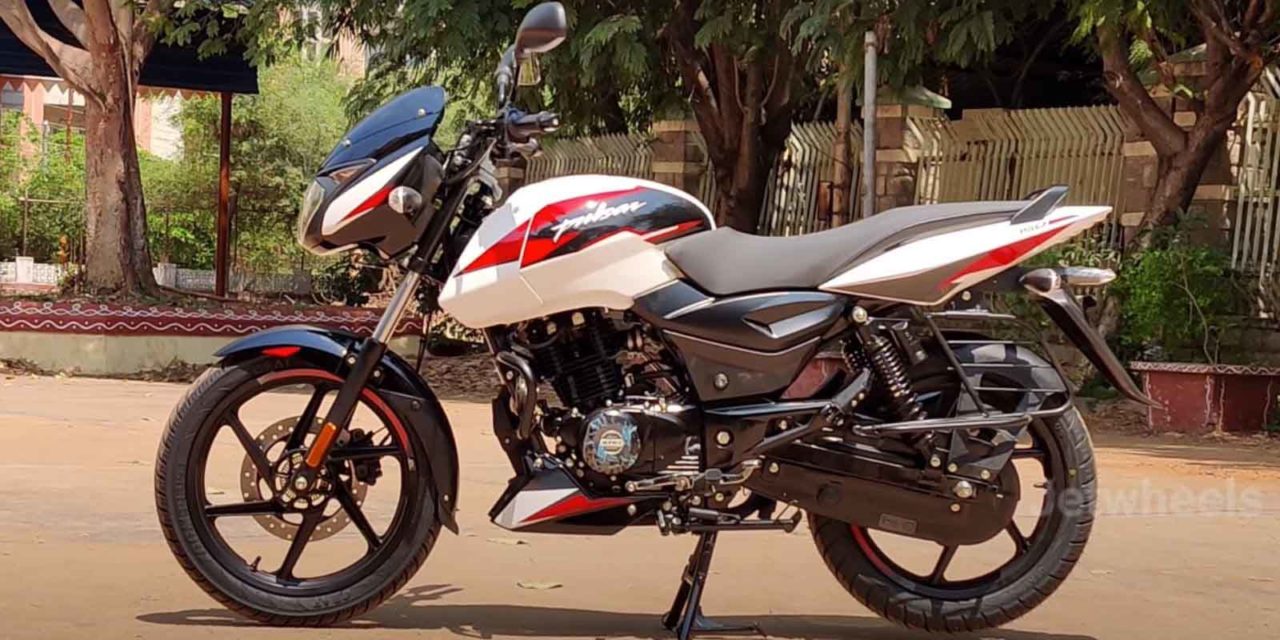
Bajaj Auto has confirmed five more motorcycle launches following the introduction of the new generation Pulsar 125 and Pulsar 150 with three products due within the next month and half, and two entirely new motorcycle brands planned thereafter. Managing Director Rakesh Sharma revealed the roadmap on the sidelines of the Pulsar 125 and 150 launch event but the company has yet to disclose the names.

The three new products could arrive around early to mid-October putting their introduction close to the festive season. Around 10 new or substantially updated motorcycles are planned under the ongoing plan covering new models, variants, styling revisions, technology upgrades and additional equipment. The Pulsar N160 S and N160 SS opened the innings followed by the new-gen Pulsar 125 and 150.

The two motorcycles brands planned hold plenty of interest. One is expected to target riders upgrading from low capacity commuter motorcycles while the other could appeal to those looking for a more premium offering as the recently spied dual-sport motorcycle is a high possibility powered by a 250 cc engine. Separate brands may also give Bajaj greater scope to target distinct buyer groups without stretching the Pulsar nameplate.

Also Read: New Bajaj Pulsar 150/125 vs Old Pulsar 150/125 – Key Changes Explained

All-New-Bajaj-Pulsar.jpg

The focus on the 125 cc and above category shows its growing contribution to Bajaj Auto’s domestic sales. Company disclosures for FY26 confirm that motorcycles of 125 cc and above accounted for around 77.5 per cent of total volumes. Bajaj also estimates that 125 cc motorcycles now represent around 28 per cent of overall motorcycle market compared to around 25 per cent three years ago.

Honda, Hero MotoCorp and TVS Motor Company are also bringing in new products in the same category. The new Pulsar 125 and 150 have received extensive changes to their engines, chassis, suspension and equipment. The Pulsar 125 starts at around Rs. 92,990 while the Pulsar 150 starts at Rs. 1.15 lakh (ex-showroom). Both are equipped with a TFT, ride modes and other new bits.

Also Read: First-Ever Bajaj Adventure Bike To Launch By Christmas This Year

New Bajaj Pulsar 150 Pulsar 125 Launched 1

The two-wheeler market also gives Bajaj room to accelerate its product cycle. The company predicts overall industry growth at around 12 per cent while motorcycles have recorded growth of 10 per cent and electric two-wheelers have expanded at a faster rate. Bajaj Auto sold nearly 4.75 lakh vehicles globally in July 2026 – up around 30 per cent year-on-year while domestic sales reached 1,65,747 units.

The post Bajaj Auto Confirms 5 New Bikes For India, 2 New Brands Coming Soon appeared first on Gaadiwaadi.com - Latest Car & Bike News by Surendhar M.


from Gaadiwaadi.com – Latest Car & Bike News https://ift.tt/Ff1GjxV

New Bajaj Pulsar 150/125 vs Old Pulsar 150/125 – Key Changes Explained

GaadiWaadi -

New Bajaj Pulsar 125 And 150 (4)

Both New-Gen models get a stiffer frame, ride modes, torque bump, TFT, etc but some variants go without hardware their predecessors had

Bajaj Auto’s new generation Pulsar 150 and Pulsar 125 bring a redesigned chassis, more upmarket TFT displays and ride modes for the first time in their respective segments. But the switch from old to new isn’t a straight upgrade across the board. A profound look at the spec sheets shows some new-gen variants go without hardware their predecessors had as standard.

Pulsar 125: Old vs New

Updated-Bajaj-Pulsar-125.jpg

The Pulsar 125’s engine grows only marginally on paper, from 124.38cc to 124.58cc, but output climbs from 11.8 PS and 10.8 Nm on the old bike to 12.1 PS and 11.4 Nm on the new one. Front disc size grows too, from 240 mm to 260 mm, and the twin shock rear end of the old bike gives way to a monoshock with a longer 110 mm stroke – up from 102 mm and is one of the highlighting upgrades.

New Bajaj Pulsar 125


Tyre sizes stay identical across generations at 80/100-17 front and 100/90-17 rear. The horn gets an update too: the old Pulsar 125 made do with a single horn regardless of variant while every new-gen trim gets twin horns. The old base Neon variant ran bulb indicators while the standard single/split-seat variant already had LED units. On the new bike, the entry LCD variant reverts to bulb blinkers and only the TFT-equipped Mid and Top trims get LED.

Also Read: First-Ever Bajaj Adventure Bike To Launch By Christmas This Year

Spec Old New
Engine 124.38 cc 124.58 cc
Power 11.8 PS @ 8,500 rpm 12.1 PS @ 8,500 rpm
Torque 10.8 Nm @ 6,500 rpm 11.4 Nm @ 6,500 rpm
Front Brake 240 mm disc 260 mm disc
Rear Brake 130 mm drum 130 mm drum
Front Suspension Telescopic, 30 mm dia, 135 mm stroke Telescopic, 31 mm dia, 125 mm stroke
Rear Suspension Twin shock, 102 mm stroke Monoshock, 110 mm stroke
Headlamp LED with pilot lamp LED with pilot lamp
Tail Lamp LED LED
Speedometer Analog + digital (Neon) / 4.8-inch fully digital, Bluetooth (higher trim) 5-inch coloured LCD, Bluetooth + turn-by-turn (Base) / 5-inch TFT, Bluetooth (Mid) / 5-inch TFT with Wi-Fi, Google Maps, mirroring (Top)
Blinkers Bulb (Neon) / LED (higher trim) Bulb (Base) / LED (Mid, Top)
Starting System Self-start + kick Self-start + kick (Base) / ISG + kick (Mid, Top)
Ride Modes No No (Base) / Yes (Mid, Top)
USB Type-A Type-C, optional on Base, standard from Mid
Belly Pan No (Neon) / Yes (higher trim) No (Base) / Yes (Mid, Top)
Hazard Light No No (Base) / Yes (Mid, Top)
Horn Single Double
Price (Ex-showroom, Delhi) Rs. 81,556 (Neon) / Rs. 92,341–94,518 (higher trim) Rs. 92,900–1,04,318
New Bajaj Pulsar 150 Pulsar 125 Launched TFT
USB also splits by trim: the old bike’s Type-A port becomes Type-C across the new lineup but it’s optional on the base LCD variant and standard from Mid upward. Belly pan follows a similar pattern as it is absent on the base LCD variant despite being standard on the old bike’s higher single/split-seat trim. But the new inclusions are more prominent as you can apparently see with crawl tech and CBS being standard.

Pulsar 150: Old vs New

2021 Bajaj Pulsar 150 Moon White Edition

The Pulsar 150’s displacement is unchanged at 149.5cc and peak power holds at 14 PS on both the outgoing and new-gen engines. What’s changed is where that power arrives: the old engine made its 14 PS at 8,500 rpm, the new one gets there 500 rpm earlier at 8,000 rpm and torque climbs from 13.25 Nm to 14.1 Nm at the same 6,500 rpm mark.

The power-to-weight gain Bajaj talked up at the launch, then, looks to come from a lighter chassis not extra power on paper. The bigger surprise sits with the outgoing bike’s split-seat variant which turns out to have been the more hardware-based of the two old trims. It ran a 90/90-17 front and 120/80-17 rear tyre, a 280 mm front disc, and a 37 mm front fork, all wider or bigger than anything on the new range.

Also Read: Royal Enfield To Introduce 3 New Adventure Bikes Soon In India

New Bajaj Pulsar 150 (6)

Spec Old New
Engine 149.5 cc 149.5 cc
Power 14 PS @ 8,500 rpm 14 PS @ 8,000 rpm
Torque 13.25 Nm @ 6,500 rpm 14.1 Nm @ 6,500 rpm
Front Tyre 80/100-17 TL (single seat) / 90/90-17 TL (split seat) 80/100-17 TL
Rear Tyre 100/90-17 TL (single seat) / 120/80-17 TL (split seat) 100/90-17 TL
Front Brake 260 mm disc (single seat) / 280 mm disc (split seat) 260 mm disc
Rear Brake 130 mm drum (single seat) / 230 mm disc (split seat) 130 mm drum (SD) / 230 mm disc (TD)
ABS Single-channel Single-channel
Front Suspension Telescopic, 31 mm dia, 135 mm stroke (single seat) / 37 mm dia, 130 mm stroke (split seat) Telescopic, 33 mm dia, 125 mm stroke
Rear Suspension Twin shock, 102 mm stroke Monoshock, 110 mm stroke
Headlamp Class B LED with pilot lamp Class B LED with pilot lamp
Tail Lamp LED LED
Speedometer Analog + digital (single seat) / 4.8-inch fully digital, Bluetooth (split seat) 5-inch coloured LCD, Bluetooth + turn-by-turn (SD) / 5-inch TFT, Bluetooth (TD) / 5-inch TFT with Wi-Fi, Google Maps, mirroring (TD split seat)
Blinkers LED Bulb (SD) / LED (TD)
Starting System Self-start + kick Self-start + kick (SD) / ISG + kick (TD)
Ride Modes No Yes, both variants
USB Type-A Type-C
Belly Pan Yes No (SD) / Yes (TD)
Hazard Light No No (SD) / Yes (TD)
Horn Double Double
Price (Ex-showroom, Delhi) Rs. 1,11,197 (single seat) / Rs. 1,17,906 (split seat) Rs. 1,15,233 (SD) / Rs. 1,22,184–1,23,187 (TD)

It standardises on an 80/100-17 front, 100/90-17 rear, a 260 mm front disc, and a 33 mm fork across SD and TD. The monoshock rear end in place of the old bike’s twin shocks and the 110mm stroke up from 102 mm, are good upgrades, but the tyre and front brake sizes on the old split-seat variant were not matched by the new range.

New Bajaj Pulsar 150 (3)


The base SD variant of the new bike also goes without a few things the old bike had on both its trims. Blinkers switch from LED, standard on every old Pulsar 150, to bulb on the SD, with LED returning only on the TD. The belly pan, standard across the old lineup, disappears on the SD too and comes back only on the TD. ABS stays single-channel throughout, on both generations.


USB moves from Type-A to Type-C across the new range with no optional caveat this time and the horn stays a double unit on every variant, old and new. The new generations bring a stiffer diamond-type frame, monoshock rear suspension, and ride modes to every variant and pushes torque and front braking hardware up at the base of the range.

New Bajaj Pulsar 150 (4)

But the entry SD and Base trims pick up a few cuts too – in blinkers and belly pan on the 150’s SD – and blinkers and standard USB-C on the 125’s Base while the old Pulsar 150’s split-seat variant loses out on tyre width, front disc size, and fork diameter it once had over the new-gen range.

The post New Bajaj Pulsar 150/125 vs Old Pulsar 150/125 – Key Changes Explained appeared first on Gaadiwaadi.com - Latest Car & Bike News by Surendhar M.


from Gaadiwaadi.com – Latest Car & Bike News https://ift.tt/kKf8cs7

All-New Hyundai Bayon Crossover Heading To India – What We Know So Far

GaadiWaadi -

2024 Hyundai Bayon Facelift_

New Hyundai Bayon could slot above the Venue; may use familiar petrol engines with a more premium cabin and larger dimensions

Hyundai is working on a new crossover for India that could fill the space between the Venue and Creta as it will give the company another entry in the rapidly expanding SUV market. Known internally as the BC4i, the model is expected to arrive around the 2026 festive season and could sit slightly above four metres in overall length. The crossover is also expected to draw inspiration from the European-spec Bayon but the India-spec model should receive substantial localisation before reaching showrooms.

Within the lineup, the Venue already covers the sub-four-metre category, while the Creta occupies the midsize SUV space. The new crossover could target customers seeking additional cabin room, a larger footprint and a more substantial exterior without moving directly into Hyundai’s established midsize SUV category. Recent test vehicles have also provided an early indication of its design.

The prototypes feature a taller bonnet, pronounced shoulder line and a distinct roof profile. The overall body appears larger and more substantial than Hyundai’s existing sub-four-metre SUVs while several details seen on the test vehicles bear similarities to the Bayon sold in international markets. The production version, however, could adopt India-specific styling.

hyundai-bayon-spied-india.jpg
Spy Image Source: ridekart_official/Instagram

Powertrain options are expected to come from Hyundai’s existing petrol engine fleet. The 1.2-litre naturally aspirated petrol engine could serve as the entry point while the 1.0-litre turbocharged petrol unit could sit higher in the range. Transmission choices could include a manual, iMT and dual-clutch automatic while an electric version cannot be ruled out in the future.

The cabin is also expected to receive a higher equipment level than the Venue. A larger touchscreen infotainment system, digital instrument cluster, connected functions and wireless charging could feature on the model. Hyundai could also offer a panoramic sunroof, multiple airbags, a 360-degree camera system and Level 2 ADAS functions.

hyundai-bayon-spied-india-1.jpg
Spy Image Source: ridekart_official/Instagram

The all-new crossover is expected to take advantage of the good reception for SUVs in Rs. 10-15 lakh (ex-showroom) category and its quirky styling could prove to be a game changer.

The post All-New Hyundai Bayon Crossover Heading To India – What We Know So Far appeared first on Gaadiwaadi.com - Latest Car & Bike News by Surendhar M.


from Gaadiwaadi.com – Latest Car & Bike News https://ift.tt/QfJr9gV